Does Leaving a Car Door Open Drain the Battery Fast
Leaving a car door open can drain your battery surprisingly fast, especially if interior lights stay on overnight. A car battery drain from an open door typically happens within 4 to 8 hours, depending on your vehicle model and electrical load. This guide covers exactly how it happens, what systems are affected, and how to prevent battery drain before it leaves you stranded.
You walk out of a store, grab your bags, and get in the car. You close the door, slide behind the wheel, and turn the key. Nothing happens. The dashboard stays dark. The engine refuses to turn over. Your car battery drain story has begun, and it all started with a door left open.
This happens to thousands of drivers every week. Sometimes it is a simple mistake. Other times, it is a door that did not latch all the way. Either way, the result is the same: a dead or weak battery that leaves you staring at a silent ignition. Understanding how this works can save you time, money, and a lot of frustration.
In this article, we will walk through everything you need to know about leaving a car door open and battery drain. We will cover how fast it happens, what causes it, which car systems are involved, and how you can stop it from happening again. Let us get into it.
Key Takeaways
- Door ajar lights drain batteries fast: Interior lights left on can kill a battery in just a few hours.
- Modern cars have sensitive electrical systems: Even small parasitic draws add up over time.
- You can test for battery drain: A simple multimeter test helps you find the culprit.
- Prevention is easy: A few habits save you from a dead battery and costly replacements.
- Jump starting may help: But repeated drain events damage battery health over time.
- Insurance may not cover it: Most car insurance policies do not cover battery replacement from user error.
- Cold weather makes it worse: A weak battery struggles even more in low temperatures.
📑 Table of Contents
- How Does Leaving a Car Door Open Drain the Battery?
- How Fast Does a Battery Drain with the Door Open?
- What Systems Are Affected When the Door Stays Open?
- Can You Still Drive a Car with a Dead Battery?
- How to Prevent Battery Drain When You Leave the Door Open
- How to Test for Battery Drain
- What to Do If Your Battery Dies from an Open Door
- How Does This Compare to Other Common Battery Drain Causes?
- Final Thoughts
How Does Leaving a Car Door Open Drain the Battery?
When you leave your car door open, several things happen inside the vehicle. The most obvious one is the interior light turning on. But that is just the beginning. Your car has a complex electrical system that keeps running even when the engine is off. Every light, sensor, and module draws a small amount of power.
The Role of Interior Lights
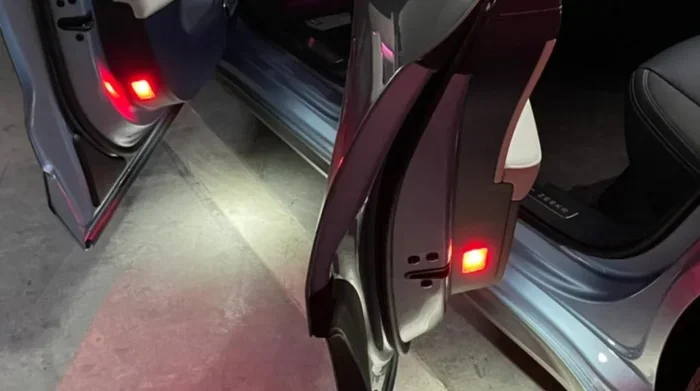
The dome light or door ajar light is the first thing people notice. It is bright, it stays on, and it draws power directly from the car battery. A single interior light bulb uses about 10 to 20 watts. That does not sound like much, but over several hours, it adds up fast.
Here is a simple way to think about it. A fully charged car battery holds roughly 40 to 60 amp-hours of energy. A dome light draws about 1.5 to 2 amps per hour. Leave that light on for 8 hours, and you have used 12 to 16 amps. That is a big chunk of your total battery capacity.
Now imagine other lights also staying on. The trunk light. The glove box light. The map lights. Each one adds to the total drain. Together, they can reduce your battery voltage significantly in just a few hours.
Parasitic Draw: The Hidden Battery Killer
Even with the door closed and all lights off, your car experiences something called parasitic draw. This is a small amount of electricity that the car uses to keep systems like the clock, radio memory, and alarm active. A normal parasitic draw is about 25 to 50 milliamps. That is fine when the car sits for a day or two.
But when the door is open, additional systems wake up. The interior lights stay on. The door ajar sensor sends a signal to the car’s computer. The alarm system may stay armed but active. All of these combine to create a much larger parasitic draw than normal.
Over time, this extra draw wears down the battery. If the door stays open overnight, you may wake up to a battery that simply cannot start the engine. This is especially true for older batteries or batteries that were already weak.
Expert Insight
Automotive technicians see this issue constantly, especially during holiday weekends when people leave their cars unlocked with doors slightly open. A single overnight event can be enough to drain a healthy battery below the threshold needed to start the car.
How Fast Does a Battery Drain with the Door Open?
The speed of the drain depends on several factors. Not all cars drain at the same rate. Not all batteries are the same. But here is a general timeline to help you understand what to expect.
| Time Door Stays Open | What Happens | Battery Status |
|---|---|---|
| 1 to 2 hours | Interior lights stay on. Minor voltage drop. | Still starts normally |
| 3 to 5 hours | Battery voltage drops noticeably. Dome light dims. | May struggle to start |
| 6 to 8 hours | Significant drain. Multiple systems affected. | Likely will not start |
| 12 to 24 hours | Battery is nearly or fully dead. | Will not start at all |
Several things affect how fast the drain happens. The age of the battery matters a lot. An older battery has less capacity to hold a charge. The temperature matters too. Cold weather slows down chemical reactions inside the battery, making it harder to deliver power. The type of car matters as well. Newer vehicles with more electronic modules draw more power overall.
If you have a hybrid vehicle, the situation can be different. Some hybrids use a smaller 12-volt battery that is more sensitive to drain events. Leaving the door open on a hybrid for even a few extra hours can cause problems that a traditional vehicle might handle more easily.
What Systems Are Affected When the Door Stays Open?
Leaving your car door open does not just kill the battery. It affects multiple systems in your vehicle. Understanding these helps you see why the problem is bigger than just a dead battery.
Interior and Exterior Lights
The most obvious impact is on the lighting system. The dome light, door ajar light, trunk light, and glove box light all stay on when the door is open. Some vehicles also keep the parking lights or side markers on if the door ajar switch is triggered. This compounds the drain significantly.
Alarm and Security Systems
Many modern cars have security systems that activate when the door opens. If the door stays open, the alarm system stays in an active state. This uses additional power. Some vehicles also have proximity sensors and keyless entry modules that remain active when the door is ajar.
Computer Modules and Memory
Your car’s computer systems need constant power to retain settings. The radio presets, clock, power seat positions, and infotainment settings all rely on battery power when the engine is off. When the door stays open, more modules stay awake than they normally would, increasing the overall electrical load.
Can You Still Drive a Car with a Dead Battery?
The short answer is no. A dead battery means your car will not start. The starter motor needs power from the battery to crank the engine. Without that power, the engine simply will not turn over.
If your battery dies completely, you have a few options. You can jump start the car using another vehicle or a portable jump starter. You can call roadside assistance. Or you can replace the battery entirely. But none of these are fun, especially when the situation was completely avoidable.
One important thing to know: if your car battery died while driving, that is a different problem and usually points to a failing alternator, not an open door. But if the battery died after sitting with the door open, the cause is clear and the fix is straightforward.
If you find yourself with a dead battery, you can charge a dead car battery using a battery charger or by driving the car for an extended period. However, repeated deep discharge events shorten the overall life of the battery. Each time the battery drops below a certain voltage, it loses some of its ability to hold a full charge in the future.
How to Prevent Battery Drain When You Leave the Door Open
The good news is that preventing this problem is simple. A few small habits can save you from the headache of a dead battery. Here are the most effective strategies.
1. Always Check Before Walking Away
This sounds obvious, but it is the single most effective step. Before you leave your car, look at the dashboard. Are the lights on? Is the dome light glowing? Take five seconds to check. This one habit prevents the vast majority of door-open battery drain situations.
2. Turn Off Interior Lights Manually
If your car has a manual switch for the dome light, turn it off before leaving. Some vehicles have an automatic setting that turns the light off after a delay. But that delay might be long enough to cause a significant drain if the door stays open.
3. Make Sure the Door Latches Fully
A door that is not fully closed is the same as an open door. The ajar switch stays triggered, and the lights stay on. Listen for the latch click. Check the dashboard warning light. Push the door gently to confirm it is secure.
4. Use a Battery Maintainer for Long Parking
If you know your car will sit for an extended period, use a battery maintainer or trickle charger. These devices keep the battery at full charge without overcharging. They are inexpensive and can extend your battery life significantly.
5. Replace Old Batteries Before They Fail
Most car batteries last between three and five years. If your battery is older than three years, have it tested regularly. A weak battery is far more vulnerable to drain events. A fresh battery can handle a night with the lights on. An old one might not survive a few hours.
Quick Tips to Remember
- Keep a portable jump starter in your trunk for emergencies.
- Check your battery terminals for corrosion regularly.
- If your car won’t start in cold weather but battery is good, the problem might be something else entirely.
- Consider installing an aftermarket door ajar warning buzzer if your car does not have one.
- Set a phone reminder to check your car when you park in unfamiliar places.
Common Mistakes People Make
One of the biggest mistakes is assuming the car will be fine because it was only open for a short time. Even 30 minutes with the dome light on in cold weather can weaken a marginal battery. Another mistake is ignoring the dashboard warning light that shows the door is ajar. That light is there for a reason, and it is trying to tell you something important.
How to Test for Battery Drain
If you suspect your battery is draining, you can test it yourself with a few simple tools. You do not need to be a mechanic to do this.
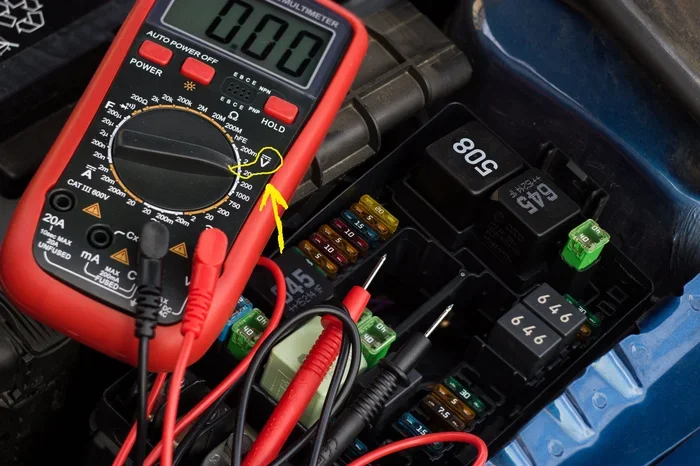
First, turn off all accessories and close all doors. Wait at least 30 minutes for the computer modules to go to sleep. Then, disconnect the negative battery terminal. Set your multimeter to measure DC amps in the milliamp range. Connect the multimeter in series with the negative terminal and the battery post.
A normal reading should be between 25 and 50 milliamps. If you see more than 75 milliamps, something is drawing too much power. To find the culprit, pull fuses one at a time and watch the multimeter reading. When the reading drops, you have found the circuit that is causing the excess drain.
You can also test the battery voltage directly. A fully charged battery should read 12.6 volts or higher with the engine off. If it reads below 12.4 volts, the battery is partially discharged. Below 12.0 volts means the battery is deeply discharged and may need replacement.
If you do not have a multimeter, you can always visit an auto parts store. Most stores offer free battery testing. They can test your battery, check the alternator output, and measure the parasitic draw for you.
What to Do If Your Battery Dies from an Open Door
If you come back to a dead battery, do not panic. You have several options to get back on the road.
First, try a jump start. Use jumper cables and another vehicle, or use a portable jump starter. Connect the cables in the correct order: positive to positive, negative to a ground point on the dead car, then start the working vehicle first. Let it run for a few minutes before trying to start the dead car.
Once the car is running, drive it for at least 20 to 30 minutes to allow the alternator to recharge the battery. If the battery was only partially drained, this may be enough to get you going again.
If the battery is old or has been deeply discharged multiple times, it may need replacement. A new battery typically costs between $100 and $250 for most passenger vehicles. Some insurance policies may cover this, but most standard policies do not include battery replacement unless the damage is from a covered event like a collision or weather event.
If you are wondering whether car insurance covers battery replacement, the answer is usually no for simple drain events. However, it is always worth checking your specific policy. Some comprehensive plans or roadside assistance packages may include battery service.
After replacing the battery, make sure to recycle the old one properly. Most auto parts stores accept used batteries for recycling. Never throw a car battery in the regular trash, as it contains harmful chemicals that can damage the environment.
How Does This Compare to Other Common Battery Drain Causes?
Leaving a door open is one of the most common causes of battery drain, but it is not the only one. Here is how it compares to other frequent causes.
| Cause | Drain Speed | Severity | Prevention Difficulty |
|---|---|---|---|
| Door left open (lights on) | Fast (3-8 hours) | High | Easy |
| Interior light left on manually | Fast (4-8 hours) | High | Easy |
| Bad alternator | Slow (days to weeks) | Very High | Moderate |
| Parasitic draw from aftermarket accessories | Slow (days to weeks) | Medium | Moderate |
| Old or weak battery | Variable | Medium | Easy |
| Extreme cold weather | Variable | Medium | Hard |
As you can see, leaving the door open ranks among the fastest ways to drain a battery. The good news is that it is also one of the easiest to prevent. A simple check before walking away can save you from a lot of trouble.
Final Thoughts
Leaving a car door open does drain the battery, and it can happen faster than most people realize. A few hours with the interior lights on is enough to kill a battery, especially if the battery is already old or weak. The good news is that this is one of the most preventable causes of battery failure.
By building a few simple habits, you can protect your battery and avoid the frustration of a car that will not start. Check your doors before walking away. Turn off lights manually if needed. Keep your battery maintained and replace it on a regular schedule. These small actions add up to big savings in time, money, and stress.
Remember, your car’s electrical system is designed to work together. Every light, sensor, and module plays a role. When one thing is left on or not functioning properly, it affects everything else. Treat your battery well, and it will treat you well in return.
If you ever find yourself with a dead battery and no jump starter nearby, call for help. Do not try to push-start a modern car with an automatic transmission. It will not work and can damage the transmission. Roadside assistance exists for exactly this reason, and most plans are affordable and widely available.
Stay proactive about your car’s health. Check your battery voltage regularly. Keep your terminals clean. And always, always make sure your doors are fully closed before you walk away. Your future self will thank you when you turn the key and hear that engine start right up.
Frequently Asked Questions
How long does it take for a car battery to die with the door open?
In most cases, a car battery will die within 4 to 8 hours with the door open and interior lights on. The exact time depends on the battery age, the number of lights staying on, and the temperature. Older batteries die faster than newer ones.
Will my car alarm drain the battery if the door stays open?
Yes, the alarm system stays active when the door is open. Combined with the interior lights, this increases the parasitic draw and speeds up the battery drain. The alarm system alone uses a small amount of power, but it adds to the overall drain significantly.
Can a door ajar sensor cause battery drain?
Yes, a faulty door ajar sensor can cause continuous battery drain even after the door is closed. If the sensor sends a constant signal to the car’s computer, the interior lights may stay on or the system may remain in an active state, drawing power unnecessarily.
Does cold weather make battery drain from an open door worse?
Absolutely. Cold weather reduces the battery’s ability to deliver power. A battery that might survive a night with the door open in summer could die in just a few hours during winter. The chemical reactions inside the battery slow down significantly in low temperatures.
How can I test if my battery was damaged by being left open?
You can use a multimeter to check the battery voltage. A healthy battery should read 12.6 volts or higher when fully charged. If it reads below 12.0 volts after sitting overnight, the battery may be damaged. Many auto parts stores offer free battery testing as well.
Should I replace my battery after it dies from being left open?
Not always. If the battery was relatively new and only discharged once, a full charge may restore it to working condition. However, if the battery is old or has been deeply discharged multiple times, replacement is the safer choice. Repeated deep discharge events permanently reduce battery capacity.