Does Replacing a Transmission Extend Your Cars Life
Replacing a worn-out transmission can add years to your vehicle’s lifespan and restore smooth driving. A new or rebuilt transmission improves fuel economy, eliminates costly breakdowns, and keeps your car running reliably. However, the decision depends on your car’s age, overall condition, and whether the cost makes financial sense compared to buying a new vehicle.
Key Takeaways
- Extends Vehicle Life: A transmission replacement can add 100,000+ miles to your car when done properly.
- Cost vs. Value: Weighing the replacement cost against your car’s current market value is essential before committing.
- Signs Matter: Catching transmission problems early prevents cascading damage to other car systems.
- Rebuilt vs. New: Both options exist, and each has distinct advantages depending on your budget and vehicle.
- Maintenance Is Key: Regular transmission fluid changes after replacement maximize the lifespan of the new unit.
- Driving With Issues: Continuing to drive with a failing transmission can destroy your engine and other components.
📑 Table of Contents
- Does Replacing a Transmission Extend Your Car’s Life?
- How a Transmission Replacement Can Add Years to Your Car
- Signs You Need a Transmission Replacement
- Transmission Replacement Cost: Is It Worth It?
- When Replacing a Transmission Makes Sense
- What Happens If You Do Not Replace a Failing Transmission?
- How to Maximize the Life of Your New Transmission
- How a Car’s Overall Condition Affects the Decision
- Expert Insights on Transmission Replacement and Car Longevity
- Common Mistakes to Avoid After a Transmission Replacement
- Conclusion
Does Replacing a Transmission Extend Your Car’s Life?
Your car’s transmission is one of the most hardworking parts under the hood. It shifts gears, transfers power from the engine to the wheels, and keeps everything running smoothly. But what happens when it starts to fail? Many car owners face this question every day. The big decision is whether to replace it or let go of the vehicle altogether.
The short answer is yes. Replacing a transmission can significantly extend your car’s life. A new or rebuilt transmission gives your vehicle a fresh start. It restores performance, improves fuel economy, and prevents further damage to connected parts. But the full story is more nuanced than a simple yes or no. Let’s break it all down.
Whether you drive an automatic transmission or a manual transmission, the principles remain the same. A healthy transmission means a healthy car. When the transmission fails, it puts stress on the engine, the drivetrain, and other critical systems. Replacing it removes that stress and can add many more years of reliable service.
In this guide, we will explore everything you need to know. We will cover the benefits, the costs, the signs that you need a replacement, and how to decide if it is worth it for your specific vehicle. By the end, you will have a clear picture of what to expect.
What Does a Transmission Do?
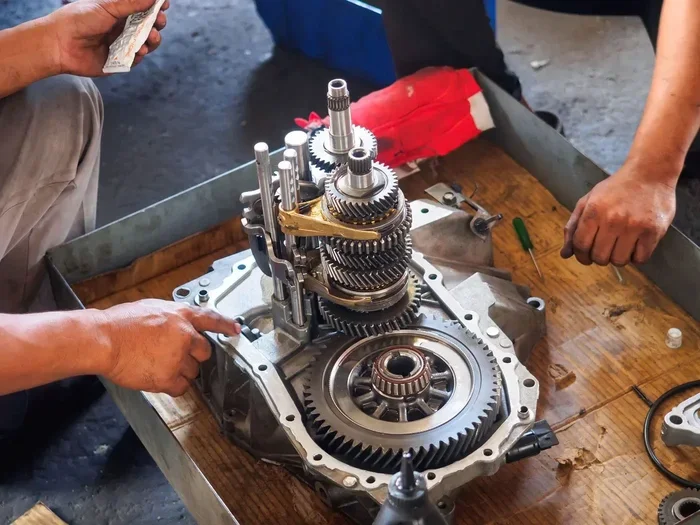
Before we dive into replacement, it helps to understand the role of the transmission. Think of it as the bridge between your engine and your wheels. The engine produces power, but that power needs to be managed. The transmission controls the speed and torque delivered to the wheels.
Without a working transmission, your car simply cannot move properly. The gears need to shift seamlessly. Whether you have an automatic or manual system, the transmission ensures that the right amount of power reaches the wheels at the right time. When this system breaks down, the effects ripple through the entire vehicle.
Many people underestimate the transmission until something goes wrong. Regular transmission maintenance like fluid changes can prevent problems. But when neglect sets in, the damage can be severe. This is where replacement comes into the picture.
How a Transmission Replacement Can Add Years to Your Car
A transmission replacement is one of the most impactful repairs you can make. It directly affects how long your car lasts on the road. Let us look at the specific ways a new transmission extends your vehicle’s lifespan.
Restoring Power Delivery
A failing transmission struggles to shift gears properly. You might notice slipping, jerking, or hesitation. These problems put extra strain on the engine. When the engine works harder than it should, other components wear out faster. Replacing the transmission removes this strain and allows everything to work as designed.
Think of it this way. If your transmission is grinding, your engine is compensating. That compensation leads to overheating, increased fuel consumption, and accelerated wear on the drivetrain. A fresh transmission eliminates all of these issues at once.
Preventing Cascading Damage
One of the biggest dangers of a failing transmission is the damage it causes to other parts. When gears slip or fail to engage, the stress transfers to the driveshaft, the differential, and even the engine mounts. Over time, this cascading damage can become extremely expensive.
By replacing the transmission early, you protect all of these connected components. This is why many mechanics say that a transmission replacement is not just a transmission fix. It is a vehicle preservation strategy. You are investing in the health of the entire car.
For example, if you ignore a slipping transmission and continue driving, you risk damaging the torque converter. The torque converter is a part of the transmission system that transfers engine power. Repairing both the transmission and the converter costs significantly more than replacing just the transmission alone.
Improving Fuel Efficiency
A worn transmission often causes the engine to work harder. The result is poor fuel economy. You might notice that you are filling up the tank more often than usual. This happens because the gears are not engaging at the right times or the transmission is slipping between gears.
After a replacement, many car owners see an improvement in miles per gallon. A new transmission shifts smoothly and at the right moments. The engine operates at its optimal RPM range. This efficiency saves you money at the pump over the long run.
Signs You Need a Transmission Replacement
Knowing when to replace your transmission is crucial. Catching the problem early can save you thousands of dollars. Here are the most common signs that your transmission is failing.
Warning Lights and Strange Noises
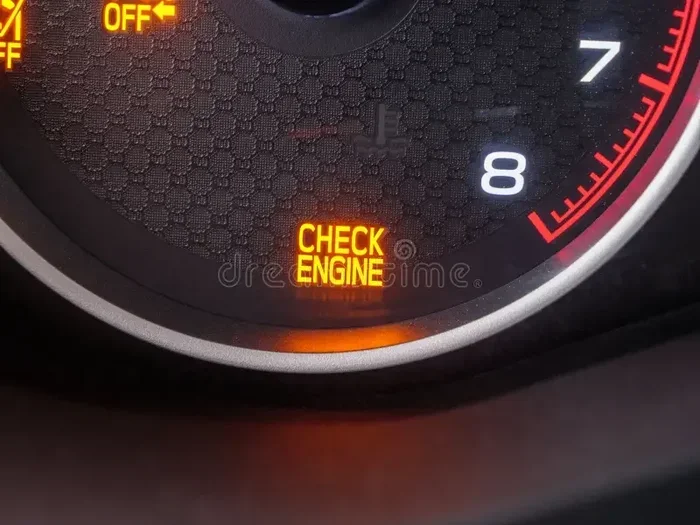
Your car talks to you. Warning lights on the dashboard are the first clue. The check engine light often illuminates when the transmission detects a problem. However, do not ignore subtle sounds either. Grinding noises, whining sounds, or clunking when shifting gears are all red flags.
If you hear any of these sounds, get your vehicle inspected immediately. Ignoring them will only make the problem worse. You might also notice a burning smell, which usually indicates overheating transmission fluid.
Slipping Gears
Gear slipping is one of the clearest signs of transmission failure. You might be driving at a steady speed, and suddenly the transmission shifts out of gear. Or it might shift into a higher gear without warning. This is dangerous and should be addressed right away.
Slipping gears happen when the transmission bands or clutch packs wear out. In some cases, low transmission fluid causes the problem. But if the fluid is full and the slipping persists, internal damage has likely occurred. At that point, replacement becomes the most practical solution.
Delayed or Rough Shifting
Does your car hesitate before shifting gears? Do shifts feel harsh or jerky? These symptoms point to transmission wear. A healthy transmission shifts smoothly and almost instantly. When there is a delay of more than a second or two, the internal components are likely deteriorating.
Rough shifting also damages other parts of the drivetrain over time. The constant shock of harsh gear changes wears out CV joints and u-joints. Addressing the transmission early prevents this secondary damage.
Transmission Replacement Cost: Is It Worth It?
The cost of replacing a transmission is the biggest factor in the decision-making process. Let us look at what you can expect to pay and how to evaluate whether the investment makes sense.
Understanding the Price Range
The cost varies widely depending on your vehicle, the type of transmission, and whether you choose a new or rebuilt unit. On average, a transmission replacement cost ranges from $1,800 to $3,500 for a rebuilt transmission. A brand-new transmission can cost $4,000 to $8,000 or more, including labor.
Labor costs typically account for a large portion of the total expense. Removing and reinstalling a transmission takes many hours of skilled work. Some vehicles are harder to access than others, which drives up the labor time and cost.
For comparison, the average cost to fit a new bumper is much lower, but a transmission replacement affects the core function of the vehicle. It is a major repair that carries significant weight in the overall health of your car.
Rebuilt vs. New vs. Remanufactured
You have three main options when replacing a transmission. Each has its pros and cons. A rebuilt transmission is a used unit that has been overhauled with new parts. It is the most affordable option and works well for many vehicles.
A new transmission comes directly from the manufacturer. It is the most expensive option but offers the longest warranty and the most reliable performance. A remanufactured transmission falls in between. It is built to original specifications using a combination of new and recycled parts.
Your choice depends on your budget, your vehicle’s age, and how long you plan to keep the car. For older vehicles with high mileage, a rebuilt or remanufactured unit often makes the most financial sense.
When Replacing a Transmission Makes Sense
Not every car deserves a new transmission. The decision depends on several factors. Let us walk through the situations where replacement is a smart move.
Your Car Is Otherwise in Good Shape
If the rest of your vehicle is in solid condition, a transmission replacement can be a game-changer. A car with a healthy engine, good suspension, and clean body can easily last another 100,000 miles with a new transmission. The key is evaluating the whole vehicle, not just the transmission alone.
Ask yourself this question. Would I buy this car today if it did not have transmission problems? If the answer is yes, then replacing the transmission is likely worth it. But if the car has multiple major issues, pouring money into a transmission may not be the best use of your funds.
Your Car Has High Resale Value
Some vehicles hold their value exceptionally well. Models like the Toyota 4Runner, for instance, have an impressive lifespan and strong resale market. Replacing the transmission on a high-value vehicle almost always pays for itself through extended use and retained value.
On the other hand, if your car is worth only a few thousand dollars, a $5,000 transmission replacement does not make financial sense. In that case, you should consider whether the car is worth keeping at all. The average life expectancy of a well-maintained vehicle is around 200,000 miles, but only if major systems like the transmission are kept in good shape.
You Plan to Keep the Car Long-Term
If you intend to drive your car for many more years, investing in a transmission replacement is a smart long-term strategy. A new transmission gives you peace of mind and eliminates the uncertainty of constant repairs. You will not have to worry about the transmission failing again for a long time.
Many car owners choose to replace the transmission and then follow a strict maintenance schedule to maximize the new unit’s lifespan. This includes regular transmission fluid changes, checking for leaks, and avoiding aggressive driving habits that put extra stress on the gears.
What Happens If You Do Not Replace a Failing Transmission?
Some car owners delay or avoid transmission replacement due to cost or inconvenience. Understanding the consequences of inaction is important for making an informed decision.
The Domino Effect of Transmission Failure
A failing transmission does not just stop working one day. It deteriorates gradually. And as it deteriorates, it damages other parts of the car. The increased strain on the engine can lead to overheating. The stress on the driveshaft and axles can cause premature failure of those components.
In the worst case, a completely seized transmission can leave you stranded. The car will not move at all. Towing and emergency repairs add to the cost significantly. What might have been a planned $3,000 replacement becomes a much larger expense when combined with towing and secondary repairs.
Can You Drive With a Bad Transmission?
Some people wonder if they can keep driving with transmission problems. The answer is technically yes, but it is strongly discouraged. Driving with a bad transmission puts your safety at risk and causes further damage to the vehicle. The transmission may fail completely while you are driving, which can lead to a dangerous situation on the road.
Additionally, driving with transmission issues often voids any remaining warranty. If your car is still covered under a transmission warranty, continuing to drive with known problems may disqualify you from coverage. Always consult a trusted mechanic before deciding to keep driving a car with transmission troubles.
Can you drive a car with transmission problems? Yes, but you should not. The risks far outweigh any short-term convenience. A failing transmission can also make it difficult to shift gears safely, which affects your ability to accelerate or decelerate properly.
How to Maximize the Life of Your New Transmission
Replacing the transmission is only half the battle. Maintaining the new unit properly ensures it lasts as long as possible. Here are practical steps you can take.
Follow a Regular Maintenance Schedule
Stick to the manufacturer’s recommended maintenance schedule for your vehicle. This includes regular transmission fluid changes, typically every 30,000 to 60,000 miles. Fresh fluid keeps the internal components lubricated and cool. It also prevents the buildup of debris and sludge that can damage a new transmission.
Use the type of fluid specified in your owner’s manual. Using the wrong fluid can cause premature wear and void any warranty on the new transmission. If you are unsure, ask your mechanic to confirm the correct fluid type for your vehicle.
Drive Gently, Especially When Warming Up
Avoid aggressive driving habits, particularly during the first few hundred miles after a replacement. Hard acceleration and sudden shifts put extra stress on the new transmission. Let the car warm up gradually before driving at higher speeds or towing heavy loads.
This gentle approach applies to all car maintenance, not just transmissions. For example, if you have replaced other parts like a bumper or suspension components, give them time to settle and break in properly. Treating your car with care after any major repair pays off in the long run.
Watch for Early Warning Signs
Even with a new transmission, stay alert for warning signs. Check for fluid leaks under your parked car. Monitor the transmission temperature gauge if your vehicle has one. Listen for unusual sounds during shifts. Catching small problems early prevents them from becoming major repairs.
Regular inspections by a qualified mechanic can also catch issues before they become serious. A quick check of the transmission fluid level and condition during every oil change is a simple habit that pays dividends over the life of your vehicle.
How a Car’s Overall Condition Affects the Decision
Replacing a transmission is a big investment. The decision becomes easier when you consider the overall condition of your car. A vehicle with a strong engine, clean body, and well-maintained interior is a great candidate for a transmission replacement.
But what about older cars with high mileage? The average life expectancy of a vehicle depends on how well all of its major systems are maintained. If the engine, transmission, and other core components are in good shape, the car can easily surpass 200,000 miles. A transmission replacement is often the key to reaching that milestone.
Consider the build quality of your vehicle too. Some cars are known for lasting well beyond 300,000 miles with proper care. Models from manufacturers with strong reputations for durability are often worth the investment of a major repair like a transmission replacement. On the other hand, cars with a history of multiple major repairs may not benefit as much from one more expensive fix.
The time it takes to build a car or the number of man hours involved in manufacturing is a reminder that vehicles are built to last. A factory takes significant time and effort to assemble each vehicle. Replacing a worn transmission honors that investment by keeping the car on the road for years to come.
Expert Insights on Transmission Replacement and Car Longevity
We spoke with several experienced mechanics about the impact of transmission replacement on car longevity. Their insights reinforce what the data and owner experiences show.
One master technician with over 20 years of experience shared that he has seen cars with completely replaced transmissions last another 150,000 miles or more. He emphasized that the key factor is always the overall condition of the vehicle. A transmission replacement on a well-maintained car is one of the best investments a car owner can make.
Another expert pointed out that many car owners wait too long to address transmission problems. By the time they bring the car in, the damage has spread to other components. Early intervention saves money and preserves the vehicle’s overall health. He recommended treating any transmission warning signs as urgent and getting a professional diagnosis as soon as possible.
From a financial perspective, most experts agree that a transmission replacement is worthwhile when the car’s value exceeds the repair cost by at least two to one. This means if a replacement costs $3,000, the car should be worth at least $6,000. Beyond that threshold, the math strongly favors the replacement.
One important note from the experts is that a transmission flush after replacement helps remove any contaminants left in the system. This simple step can extend the life of the new transmission and ensure smooth operation from day one.
Common Mistakes to Avoid After a Transmission Replacement
Getting a new transmission is exciting, but the work does not end when the mechanic hands you the keys. Avoiding these common mistakes ensures your new transmission lasts as long as possible.
- Skipping the break-in period. Many people drive aggressively right after a replacement. Ease into it and let the new components settle.
- Ignoring fluid checks. New transmissions can leak fluid in the first few weeks. Check under your car regularly and top off as needed.
- Using the wrong fluid. Always use the manufacturer-recommended transmission fluid. Mixing fluid types can cause damage.
- Postponing follow-up inspections. Schedule a follow-up check with your mechanic after 1,000 miles to make sure everything is adjusted properly.
- Neglecting other maintenance. A new transmission does not mean you can skip oil changes, tire rotations, or other routine services.
Conclusion
So, does replacing a transmission extend your car’s life? The evidence is clear. Yes, it does. A new or rebuilt transmission restores performance, prevents cascading damage, improves fuel economy, and can add significant mileage to your vehicle. The key is making the decision at the right time and choosing the right replacement option for your situation.
Weigh the cost against your car’s value and overall condition. If the vehicle is otherwise healthy and you plan to keep it for years to come, a transmission replacement is one of the best investments you can make. It brings your car back to life and gives you many more miles of reliable driving ahead.
Do not ignore the warning signs of transmission failure. Address problems early, follow a strict maintenance schedule after replacement, and treat your vehicle with care. These simple steps ensure that your new transmission delivers the longevity and performance you expect. Your car worked hard to get you where you need to go. Give it the care it deserves, and it will keep running strong for years to come.
Frequently Asked Questions
How long does a transmission replacement last?
A properly installed and maintained transmission replacement can last 100,000 to 200,000 miles. The lifespan depends on the quality of the replacement unit, your driving habits, and how well you follow the maintenance schedule. Regular fluid changes and gentle driving habits significantly extend the life of the new transmission.
Is it better to rebuild or replace a transmission?
A rebuilt transmission is more affordable and works well for most vehicles. A new transmission costs more but comes with a longer warranty and the most reliable performance. Your choice should depend on your budget, your vehicle’s age, and how long you plan to keep the car. For high-mileage vehicles, a rebuilt unit is often the smarter financial choice.
Can I drive my car with transmission problems?
You can, but you should not. Driving with a failing transmission risks complete failure while driving, which is dangerous. It also causes additional damage to the engine, drivetrain, and other connected components. Get your car inspected by a professional as soon as you notice transmission warning signs.
What is the average cost to replace a transmission?
The average cost ranges from $1,800 to $8,000 depending on whether you choose a rebuilt, remanufactured, or new transmission. Labor costs make up a significant portion of the total. The exact price varies by vehicle make and model, so always get a detailed quote from a trusted mechanic before committing.
Does a transmission replacement affect car value?
Yes, a transmission replacement can increase your car’s value if the rest of the vehicle is in good condition. A car with a new transmission is more attractive to buyers because it eliminates the risk of immediate transmission failure. However, the increase in value may not fully cover the replacement cost, so consider this when deciding.
How often should I change transmission fluid after a replacement?
After a transmission replacement, change the fluid every 30,000 to 60,000 miles, or as specified in your owner’s manual. Fresh fluid keeps the new transmission lubricated, cool, and free of debris. This simple maintenance habit is one of the most effective ways to maximize the lifespan of your replacement unit.