Can I Drive 50 Miles With the Check Engine Light On
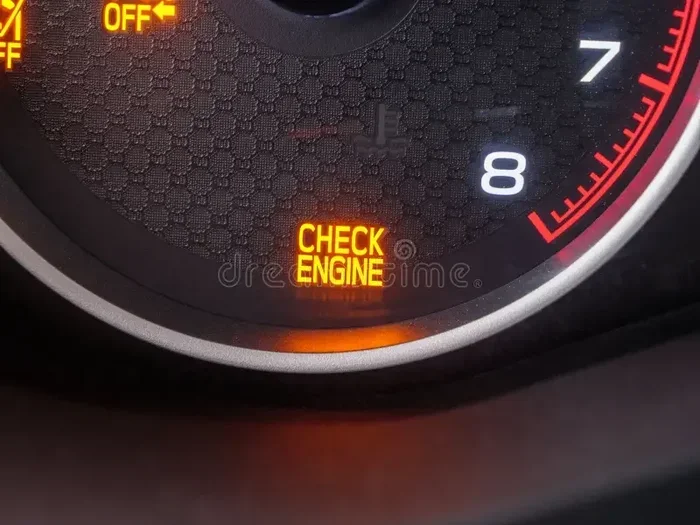
Can I Drive 50 Miles With the Check Engine Light On? The short answer is maybe, but it depends on what triggered the light. A check engine light can mean anything from a loose gas cap to a serious engine problem. This guide helps you understand what the light means, when it is safe to keep driving, and when you need to pull over and call for help.
Can I Drive 50 Miles With the Check Engine Light On? This is one of the most common questions car owners ask when that little orange icon pops up on the dashboard. The answer is not a simple yes or no. It depends on what is causing the light to come on in the first place. Sometimes it is a minor issue you can fix in minutes. Other times, it signals a serious problem that could damage your vehicle if you keep driving.
In this article, we will break down everything you need to know about driving with a check engine light on. You will learn what the different light patterns mean, what common causes are, and how to decide whether it is safe to keep going. We will also share practical tips to help you stay safe and avoid costly repairs. By the end, you will feel confident about what to do next.
Key Takeaways
- A steady check engine light often means a minor issue, but you should still get it checked soon.
- A flashing check engine light is a serious warning. Stop driving and get help right away.
- A loose gas cap is one of the most common and easiest fixes for this warning light.
- Using an OBD2 scanner can help you read the error code and understand the problem fast.
- Ignoring the light can lead to expensive repairs and failed emissions tests down the road.
- Your vehicle safety depends on addressing engine warnings promptly.
- Always trust your instincts. If something feels wrong, stop and seek professional help.
📑 Table of Contents
- What Does the Check Engine Light Mean?
- Common Reasons the Check Engine Light Comes On
- Can You Actually Drive 50 Miles With the Light On?
- How to Check What Is Causing the Light
- Risks of Ignoring the Check Engine Light
- When Is It Safe to Keep Driving?
- How to Prevent Check Engine Light Issues
- Expert Insights on Check Engine Lights
- Key Takeaways
- Frequently Asked Questions
- Final Thoughts
What Does the Check Engine Light Mean?
The check engine light is part of your car’s onboard diagnostics system. This system is also called OBD, which stands for On-Board Diagnostics. When the Engine Control Unit (ECU) detects something wrong, it turns on the light. The ECU monitors many sensors throughout your vehicle. These sensors track things like fuel levels, exhaust emissions, and engine temperature.
When one of these sensors sends back an unusual reading, the ECU stores a diagnostic trouble code. This code tells you what went wrong. The check engine light is your car’s way of saying, “Hey, something needs attention.” It does not always mean your car is about to break down. But it does mean you should not ignore it.
Steady Light vs. Flashing Light
The way the light behaves matters a lot. A steady check engine light usually means a less urgent problem. It could be something simple like a loose gas cap. A flashing check engine light, on the other hand, is much more serious. A flashing light often means engine misfire is happening. This can cause unburned fuel to enter the exhaust system. Over time, this can damage the catalytic converter, which is an expensive part to replace.
If your light is flashing, pull over safely and get your car towed to a repair shop. Do not keep driving in this situation.
Common Reasons the Check Engine Light Comes On
There are many reasons the check engine light might turn on. Some causes are very minor. Others need immediate attention. Here are the most common ones:
- Loose or damaged gas cap. This is the number one most common cause. A loose cap lets fuel vapor escape, which triggers the light.
- Faulty oxygen sensor. This sensor measures unburned oxygen in your exhaust. If it fails, your engine may run poorly.
- Worn spark plugs. Bad spark plugs can cause engine misfire and reduce engine performance.
- Mass airflow sensor failure. This sensor tells the car how much air is entering the engine. If it goes bad, fuel efficiency drops.
- Catalytic converter issues. A failing converter can trigger the light and cause your car to fail an emissions test.
- Fuel system problems. Issues with fuel injectors or the fuel pump can cause the light to come on.
- Battery or alternator trouble. Electrical problems can also trigger the check engine light.
Each of these issues affects your car differently. Some will not stop you from driving safely. Others can cause serious damage if you ignore them.
Can You Actually Drive 50 Miles With the Light On?
So, can I drive 50 miles with the check engine light on? The honest answer is: it depends. Let us look at different scenarios to help you decide.
Scenario 1: Loose Gas Cap
If your check engine light came on because of a loose gas cap, you can absolutely drive 50 miles. In fact, you can drive much farther. Simply tighten the cap or replace it if it is damaged. The light should turn off after a few drive cycles. This is the easiest and cheapest fix of all.
Scenario 2: Minor Sensor Issue
Sometimes a sensor gives a false reading. Maybe the oxygen sensor had a temporary glitch. In this case, your car may still run fine. You can likely drive 50 miles without major problems. But you should still get the code read soon. A professional mechanic or a basic OBD2 scanner can help you find out what the code means.
Scenario 3: Engine Misfire or Fuel Problem
If the light is on because of an engine misfire or a fuel system problem, driving 50 miles could make things worse. A misfire can damage the catalytic converter. It can also cause your car to run rough, lose power, or stall. In this case, you should get your car checked as soon as possible. Do not put off the visit to a professional mechanic.
Scenario 4: Flashing Light
If the light is flashing, do not drive 50 miles. A flashing light means a serious problem is happening right now. Keep driving, and you risk causing thousands of dollars in damage. Call a tow truck and have your car hauled to a repair shop.
| Light Type | Urgency Level | Can You Drive 50 Miles? |
|---|---|---|
| Steady Light | Low to Moderate | Usually yes, but get it checked soon |
| Flashing Light | High | No. Stop and get a tow |
| Steady Light + Car Running Rough | Moderate to High | Drive a short distance only |
| Steady Light + Car Running Fine | Low | Yes, but schedule a checkup |
This table gives you a quick reference. But always trust how your car feels. If something does not seem right, play it safe.
How to Check What Is Causing the Light
You do not need to guess what is wrong. There are simple ways to find out. Here is how you can check:
- Check the gas cap first. Turn it until it clicks. If it was loose, this might fix the problem right away.
- Use an OBD2 scanner. You can buy a basic scanner for under $30. Plug it into the port under your steering wheel. It will read the diagnostic trouble codes stored in your car’s ECU.
- Visit an auto parts store. Many stores like AutoZone or O’Reilly will read your codes for free. They can tell you what the code means.
- See a mechanic. A professional mechanic can run a full diagnostic and give you a clear answer. They will also tell you the repair cost upfront.
Using an OBD2 scanner is one of the best things you can do as a car owner. It takes just a few minutes and gives you real information instead of guessing.
Quick Tips for Reading Error Codes
- Write down the codes exactly as they appear.
- Look up the codes online or in your car’s manual.
- Do not clear the codes until you understand what they mean.
- If you are not sure what a code means, ask a mechanic for help.
Risks of Ignoring the Check Engine Light
Some car owners ignore the check engine light for weeks or even months. This is a risky habit. Here is why you should not ignore it:
- You could damage the catalytic converter. Replacing this part can cost $500 to $2,000 or more.
- Fuel efficiency drops. A car with engine trouble often uses more gas than it should.
- You may fail an emissions test. Many states require cars to pass an emissions test for registration. A lit check engine light will cause an automatic fail.
- Small problems become big problems. A minor sensor issue can turn into a major engine problem if left alone.
- Safety risks increase. Some issues that trigger the light can affect how your car handles or stops.
Addressing the problem early almost always saves money. A simple fix today can prevent a huge repair bill next month.
When Is It Safe to Keep Driving?
Knowing when to keep driving and when to stop is important for your vehicle safety. Here are some general guidelines:
- Keep driving if: The light is steady, the car runs smoothly, and you do not notice any strange sounds or smells.
- Stop and get help if: The light is flashing, the car is shaking, you hear unusual noises, or you smell something burning.
- Drive cautiously if: The light is steady but the car feels slightly different. Keep your speed moderate and head straight to a mechanic.
Your car’s dashboard warning lights are there to protect you. The check engine light is not something to take lightly. Even if your car seems fine, the underlying issue could be getting worse without you knowing.
How to Prevent Check Engine Light Issues
You cannot prevent every problem, but you can reduce the chances of seeing that dreaded light. Here are some simple steps:
- Always tighten your gas cap. Make sure it clicks after you fill up. This one habit prevents many false alarms.
- Keep up with regular car maintenance. Change your oil, replace spark plugs, and follow the service schedule in your owner’s manual.
- Pay attention to early warning signs. If your car starts running rough or using more fuel than usual, get it checked before the light comes on.
- Use quality fuel. Cheap or contaminated fuel can cause engine trouble over time.
- Address small issues quickly. Do not wait for a minor problem to become a major one.
Good car maintenance habits go a long way. They keep your car running well and help you avoid surprise breakdowns.
Expert Insights on Check Engine Lights
Experienced mechanics agree on one thing: do not panic when the light comes on, but do not ignore it either. Many people drive for months with a steady check engine light and nothing bad happens. But others drive for just a few miles with a flashing light and end up with a destroyed catalytic converter.
The key is understanding the difference between a steady light and a flashing one. A steady light gives you time to plan a visit to the shop. A flashing light means you need to act now. If you are ever unsure, it is always better to be safe than sorry. Call a trusted mechanic or a roadside assistance service for guidance.
Also, keep in mind that engine performance and exhaust emissions are closely linked. A problem that affects one will often affect the other. So even if your car feels fine, the light could be signaling an emissions issue that harms the environment and your wallet.
Key Takeaways
- A steady check engine light often means a minor issue, but you should still get it checked soon.
- A flashing check engine light is a serious warning. Stop driving and get help right away.
- A loose gas cap is one of the most common and easiest fixes for this warning light.
- Using an OBD2 scanner can help you read the error code and understand the problem fast.
- Ignoring the light can lead to expensive repairs and failed emissions tests down the road.
- Your vehicle safety depends on addressing engine warnings promptly.
- Always trust your instincts. If something feels wrong, stop and seek professional help.
Frequently Asked Questions
What happens if I drive too far with the check engine light on?
It depends on the cause. If the light is on due to a loose gas cap or a minor sensor issue, driving 50 miles will likely not cause harm. But if the issue is an engine misfire or fuel system problem, driving too far can damage the catalytic converter and other expensive parts. Always get the code read to know what you are dealing with.
Is it safe to drive to the nearest mechanic with the check engine light on?
Usually yes, if the light is steady and your car is running normally. Keep the drive short and avoid highway speeds. If the light is flashing or the car feels different, call a tow truck instead. Your safety comes first.
Can a loose gas cap cause the check engine light to come on?
Yes, absolutely. A loose or damaged gas cap lets fuel vapor escape from the tank. This triggers the diagnostic trouble codes related to the fuel system. Tightening or replacing the cap often fixes the problem immediately.
How much does it cost to diagnose a check engine light?
Many auto parts stores will read the code for free. If you visit a mechanic, the diagnostic fee typically ranges from $50 to $150. Some shops will waive this fee if you proceed with the repair. Always ask about the cost upfront.
Will the check engine light turn off by itself?
Sometimes yes. If the issue was minor, like a loose gas cap, the light may turn off after a few drive cycles. However, if the problem is not fixed, the light will usually come back on. Do not assume the problem is gone just because the light is off.
What is the difference between a check engine light and other dashboard warning lights?
The check engine light is a general warning that something in the engine or emissions system needs attention. Other lights, like the oil pressure light or battery light, indicate specific problems. A red or flashing light is usually more urgent than a yellow or steady one. Always pay attention to what your dashboard warning lights are telling you.
Final Thoughts
So, can I drive 50 miles with the check engine light on? The answer is: it depends on the cause and how your car is behaving. A steady light with no other symptoms often means you have some time to get it checked. A flashing light means you need to stop right away. The best thing you can do is stay informed, use an OBD2 scanner to read the code, and know when to seek help from a professional mechanic.
Do not let fear or uncertainty keep you from taking action. Addressing a check engine light early is one of the smartest things you can do for your car. It protects your vehicle safety, saves you money on repair cost, and keeps your car running at its best. The next time that little orange light comes on, you will know exactly what to do.