How Do You Reset a Hybrid System Malfunction Quickly
A hybrid system malfunction can scare any driver, but resetting it is often simpler than you think. This guide walks you through the exact steps to reset your hybrid system, whether you drive a Toyota Prius or another hybrid model. You will learn how to clear warning lights, when to seek professional help, and how to prevent future malfunctions.
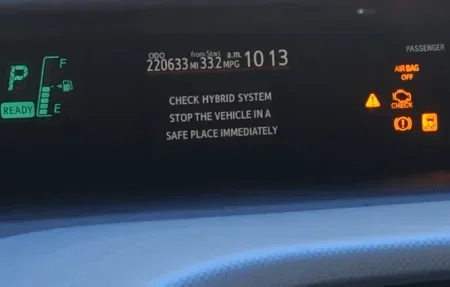
You are driving along, and suddenly a warning light pops up on your dashboard. It says something about a hybrid system malfunction. Your heart drops. Can you still drive? Is it safe? What do you do now?
The good news is that most hybrid system warnings are not the end of the road. In many cases, a simple reset clears the message and gets you back on your way. This guide will show you exactly how to reset a hybrid system malfunction quickly and safely. We will cover Toyota Prius models, general hybrid troubleshooting, and when it is time to see a mechanic.
Whether you own a Toyota, Lexus, or another hybrid vehicle, the steps below apply to most makes and models. Let us dive in and get your car back to normal.
Key Takeaways
- Resetting a hybrid system malfunction often starts with a simple key cycle or battery disconnect.
- Warning lights like “Check Hybrid System” usually indicate a recoverable issue, not a total breakdown.
- You can often drive your hybrid safely after a reset, but only if the root cause is minor.
- Jump-starting a hybrid battery is a valid reset method in many cases.
- Ignoring hybrid warning lights can lead to costly repairs down the road.
- Regular hybrid battery maintenance reduces the chance of unexpected malfunctions.
📑 Table of Contents
- What Causes a Hybrid System Malfunction?
- How to Reset a Hybrid System Malfunction: Step-by-Step
- Can You Still Drive With a Hybrid System Warning Light?
- Preventing Future Hybrid System Malfunctions
- When to See a Professional
- Common Mistakes People Make When Resetting a Hybrid System
- Expert Insights on Hybrid System Resets
- Key Takeaways
What Causes a Hybrid System Malfunction?
Before you reset anything, it helps to understand what triggered the warning in the first place. A hybrid system malfunction light can come on for many reasons. Some are simple fixes. Others need professional attention.
Low Hybrid Battery Voltage
The most common cause is low voltage in your hybrid battery pack. Hybrid cars use two battery systems. One starts the engine and powers accessories. The other propels the car using electric power. When either battery drops below a safe level, your car throws a warning.
This often happens after a long period of sitting idle. If your hybrid has been parked for weeks, the 12-volt auxiliary battery may drain. This triggers the check hybrid system message on your dashboard.
Faulty Sensors or Wiring
Hybrid cars have dozens of sensors monitoring voltage, temperature, and current flow. A loose connection or a bad sensor can send false signals to the car’s computer. This causes the malfunction light to appear even when nothing is actually wrong.
Inverter or Power Control Unit Issues
The inverter converts DC power from the battery into AC power for the electric motor. If the inverter fails or overheats, your car will flag a hybrid system error. These issues are more serious and may need a dealer or trained technician.
Extreme Temperatures
Both very hot and very cold weather can stress your hybrid battery. In freezing temperatures, battery performance drops. In extreme heat, the cooling system works harder. Either condition can temporarily trigger a malfunction warning.
How to Reset a Hybrid System Malfunction: Step-by-Step
Now that you know the common causes, let us walk through the reset methods. Always start with the simplest approach and work your way up.
Method 1: The Key Cycle Reset
This is the easiest and most common way to reset a hybrid warning light. It works for most Toyota and Lexus hybrid models.
- Turn the ignition off and remove the key or press the start button to shut the car down completely.
- Wait at least 30 seconds. This lets the car’s computer fully power down.
- Turn the ignition back on without starting the engine. Wait for all the dashboard lights to come on.
- Wait another 30 seconds, then start the engine normally.
- Check if the warning light has cleared.
If the light stays on, move to the next method. This key cycle reset is often enough for minor glitches.
Method 2: Disconnect the 12-Volt Battery
Sometimes the car’s computer needs a full power reset. Disconnecting the 12-volt auxiliary battery does this. Here is how:
- Park the car on a flat surface and turn off the ignition.
- Open the hood and locate the 12-volt battery. In most Toyota hybrids, it is under the hood near the fuse box.
- Use a wrench to loosen the negative (black) terminal clamp.
- Pull the cable off the terminal and tuck it away so it cannot touch the battery.
- Wait at least 5 minutes. This drains any residual power from the car’s computer.
- Reconnect the negative terminal and tighten it firmly.
- Start the car and check if the warning light is gone.
Important: This method will reset your radio presets, clock, and some other settings. You may also need to reset your oil change light after doing this.
Method 3: Jump-Start the Hybrid Battery
If the malfunction was caused by a drained or weak battery, jump-starting can reset the system. You can jump start a Toyota hybrid battery using the emergency jump-start terminals under the hood. These are usually labeled with a red cover or a jump-start symbol.
Use another vehicle or a portable jump starter. Connect the cables to the designated terminals and let the car charge for a few minutes before attempting to start it. Once the car starts, the hybrid battery reset often clears the warning light automatically.
Many drivers worry about driving a Prius with a dead hybrid battery. The truth is that if the 12-volt system is healthy and the main battery has some charge left, the car can often operate in a limited mode. However, you should get the battery inspected as soon as possible.
Method 4: Use an OBD-II Scanner
If the light keeps coming back, there may be a stored error code. An OBD-II scanner can read these codes and help you pinpoint the problem.
Plug the scanner into the diagnostic port, which is usually located under the dashboard on the driver’s side. Turn the ignition on and follow the scanner’s instructions. The device will display any stored codes related to the hybrid system malfunction.
Common codes you might see include:
- P0A0F – Hybrid Battery Module Voltage Difference
- P0A80 – Replace Hybrid Battery Pack
- P0AA6 – Hybrid Battery Voltage Isolation Fault
- P0E0A – Hybrid Battery Current Sensor Circuit Range
Once you clear these codes with the scanner, the warning light should turn off. But if the underlying problem persists, the light will likely come back.
Can You Still Drive With a Hybrid System Warning Light?
This is one of the most common questions hybrid owners ask. The short answer is: it depends on the severity of the issue.
In many cases, a check hybrid system light means the car has detected a minor issue and is protecting itself. You can often still drive to a nearby shop or home safely. However, you should keep your speed moderate and avoid heavy acceleration.
Here are some general guidelines:
- If the light is steady and the car drives normally: You can likely drive carefully to a service center.
- If the light flashes or the car goes into limp mode: Pull over safely and call for roadside assistance.
- If you see multiple warning lights at once: Stop driving immediately and have the car towed.
Many people ask, can I drive my Prius if it says check hybrid system? The answer is usually yes, at least for a short distance. But do not ignore the warning. Driving with a malfunctioning hybrid system can cause further damage to the battery or power control unit.
Similarly, if you are dealing with a situation where you wonder can you drive a Toyota hybrid with a bad battery, the answer depends on how bad the battery is. A partially degraded battery may still allow limited electric driving. A completely dead battery will force the car to rely solely on the petrol engine, if it can start at all.
Preventing Future Hybrid System Malfunctions
Resetting the warning light is only half the battle. The real goal is to prevent the problem from coming back. Here are some practical tips to keep your hybrid system healthy.
Keep Your Hybrid Battery Charged
Do not let your hybrid sit idle for weeks at a time. The 12-volt auxiliary battery will slowly drain. If you plan to park your car for an extended period, use a battery tender or trickle charger. This keeps the battery at full charge and prevents the hybrid system malfunction warning from appearing.
Check Battery Health Regularly
Have a technician check your hybrid battery health at least once a year. They can test individual cell voltages and spot weak cells before they cause problems. Catching a weak battery early can save you from a costly full battery replacement.
Watch Your Driving Habits
How you drive affects your hybrid battery. Aggressive acceleration and hard braking put extra strain on the battery and the regenerative braking system. Smooth, steady driving extends battery life and reduces the chance of error codes.
Keep Software Up to Date
Toyota and other manufacturers occasionally release software updates for the hybrid control module. These updates can fix bugs that cause false warning lights. Ask your dealer if a software update is available for your model.
Address Warning Lights Promptly
The worst thing you can do is ignore a warning light and hope it goes away. Even if the reset hybrid battery procedure clears the light temporarily, an underlying issue will return. Address problems early to avoid expensive repairs.
When to See a Professional
Not every hybrid malfunction can be fixed with a simple reset. Here are signs that you need professional help:
- The warning light returns immediately after you reset it.
- You hear unusual sounds from the powertrain area.
- The car loses power or goes into limp mode frequently.
- Your fuel economy drops significantly.
- The battery management system shows a fault code that you cannot clear.
In these situations, take your car to a Toyota dealership or a certified hybrid specialist. They have the tools and training to diagnose complex hybrid issues. You can take a Toyota to any Toyota dealership for warranty-covered repairs, which is a great benefit if your car is still under warranty.
Keep in mind that hybrid battery replacement can be expensive. The cost varies depending on the model and whether you opt for a new or refurbished battery. Regular maintenance and prompt attention to warning signs can help you avoid the worst-case scenario.
Common Mistakes People Make When Resetting a Hybrid System
Avoid these common mistakes to save time and money:
- Resetting the light without fixing the root cause: This just masks the problem. The light will return, and the underlying issue may worsen.
- Disconnecting the wrong battery: Always disconnect the 12-volt auxiliary battery, not the high-voltage hybrid battery pack. The high-voltage battery requires specialized handling.
- Ignoring error codes: Even if the light goes away, check for stored codes with a scanner. They can reveal hidden problems.
- Trying to open the hybrid battery pack: The high-voltage battery carries lethal voltage. Never attempt to open or modify it yourself.
- Delaying repairs: The longer you ignore a hybrid malfunction, the more damage it can cause to other components.
One mistake people often make is assuming that because you can drive a hybrid with a bad battery, the battery is fine. A partially failing battery may still allow short drives but will fail completely over time. Get it tested before it leaves you stranded.
Expert Insights on Hybrid System Resets
Experienced hybrid technicians agree that most hybrid system malfunction warnings are temporary and resettable. The key is identifying whether the trigger was a one-time event or an ongoing problem.
Technicians recommend keeping a simple log of when warning lights appear. Note the weather, driving conditions, and recent charging habits. This information can help a mechanic diagnose the issue faster. Many hybrid malfunctions are temperature-related or caused by a short trip that did not allow the battery to fully recharge.
Another expert tip is to always keep your owner’s manual handy. The manual contains model-specific reset procedures and warning light explanations. It is a valuable resource that many owners overlook.
Key Takeaways
- A hybrid system malfunction warning is often caused by a low 12-volt battery or a minor sensor glitch.
- You can usually reset the system using a simple key cycle, battery disconnect, or jump-start procedure.
- Always check for stored error codes with an OBD-II scanner before assuming the problem is solved.
- You can often drive your hybrid safely after a reset, but use caution and monitor the car closely.
- Regular battery maintenance and prompt attention to warning lights prevent costly repairs.
- Some hybrid issues require professional diagnosis, especially if the warning light keeps returning.
Frequently Asked Questions
Can I drive my Prius if it says check hybrid system?
In most cases, yes. If the car drives normally and the light is steady, you can drive carefully to a service center. However, if the light flashes or the car loses power, stop driving and seek help immediately. The check hybrid system message can indicate anything from a minor sensor issue to a serious battery problem.
How do I reset the hybrid battery on a Toyota Prius?
The simplest method is the key cycle reset. Turn the car off, wait 30 seconds, turn the key to the ON position without starting the engine, wait another 30 seconds, then start the car. If this does not work, try disconnecting the 12-volt auxiliary battery for five minutes to fully reset the hybrid computer.
What does the hybrid system malfunction light mean?
The light means your car’s computer has detected a problem in the hybrid powertrain system. This could be anything from a low battery voltage to a faulty inverter or sensor. The light is a warning that the system needs attention. You should check for error codes and address the issue promptly.
Can you jump-start a Toyota hybrid battery to reset a malfunction?
Yes, jump-starting the hybrid battery using the emergency terminals under the hood can reset the system. This method works especially well when the malfunction was caused by a drained or weak battery. After jump-starting, let the car run for a few minutes before attempting to drive.
Is it safe to drive with a hybrid warning light on?
It depends on the severity. A steady warning light often means a minor issue that does not prevent driving. A flashing light or limp mode means the car has detected a serious problem and you should stop driving. Always err on the side of caution and get the car inspected if you are unsure.
How much does it cost to fix a hybrid system malfunction?
The cost varies widely. A simple sensor reset or battery recharge may cost nothing. A faulty inverter replacement can range from $1,000 to $3,000. A full hybrid battery replacement can cost anywhere from $2,000 to $8,000 depending on the model and whether you choose a new or refurbished unit.
=== CONCLUSION ===
Dealing with a hybrid system malfunction can feel overwhelming, but it does not have to be. Most of the time, a simple reset clears the warning and gets you back on the road. Whether you use the key cycle method, disconnect the 12-volt battery, or jump-start the hybrid pack, the steps are straightforward and safe to try at home.
Remember that resetting the light is not a permanent fix if an underlying issue exists. Always check for error codes, monitor your car’s behavior, and address problems early. Regular maintenance and smart driving habits go a long way in keeping your hybrid system healthy and reliable.
Now that you know how to reset a hybrid system malfunction quickly, you can handle the situation with confidence the next time that warning light appears. Stay calm, follow the steps in this guide, and do not hesitate to call a professional when needed.