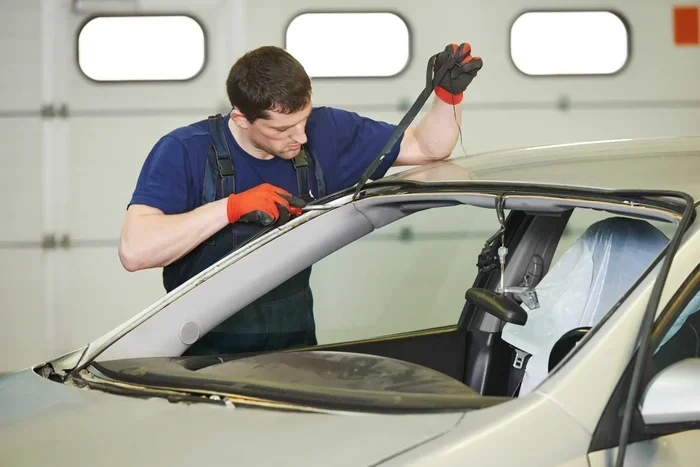
Does Your Car Insurance Cover Windshield Replacement
Does your car insurance cover windshield replacement? The answer is yes, when you have comprehensive coverage. Learn how deductibles, glass endorsements, and claims work so you can make a smart decision without surprises.
Ever had a tiny rock chip turn into a long windshield crack overnight? It happens to the best of us. A sudden bump on the highway, a pebble kicked up by a truck, or a stray branch can leave your view blocked. At that moment, the big question hits: does your car insurance cover windshield replacement? The short answer is yes, in most cases. But the details matter. Your policy type, deductible, and even the repair shop you choose all play a role. This article breaks it all down. You will learn exactly how your car insurance cover windshield replacement, when to file a claim, and how to avoid premium hikes.
Understanding your auto insurance policy does not need to be hard. I will walk you through every step in plain language. We will look at comprehensive coverage, collision coverage, and glass endorsements. You will also see how the claims process works and what to expect. By the end, you will feel confident making the right call for your wallet and your safety.
Key Takeaways
- Your car insurance cover windshield replacement under comprehensive coverage. Glass damage from rocks, debris, and weather is typically included.
- A deductible usually applies. You pay the deductible amount before the insurance payout starts.
- Filing a claim may raise your premiums. Some insurers offer accident forgiveness or glass-only policies to avoid this.
- You can choose your repair shop. Use a certified shop that offers OEM or high-quality aftermarket glass.
- Small chips are often repairable. A rock chip can be fixed quickly, saving you the cost of a full replacement.
- Check for glass coverage endorsements. These add-ons can remove your deductible for glass repairs.
- Prevention reduces risk. Safe driving and maintaining distance lower the chance of windshield cracks.
📑 Table of Contents
Car Insurance Cover Windshield Replacement: What You Need to Know
Most standard auto insurance policies do not automatically cover glass damage. The key is your coverage type. Liability insurance pays for damage you cause to others. It does not fix your own windshield. To get your windshield replaced, you need comprehensive coverage. This optional add-on covers non-collision events. Think of it as protection against the unexpected. It covers hail, theft, vandalism, and flying debris. If a rock hits your windshield, comprehensive coverage steps in. However, you will usually pay a deductible first. The deductible is the amount you pay out of pocket before the insurance payout begins. Many drivers choose a low deductible, like $100 or $250, for glass claims. Some policies even offer zero-deductible glass coverage as an endorsement. This means you pay nothing for a windshield replacement. Always check your declarations page to confirm your deductible amount.
So, when does car insurance cover windshield replacement? It depends on the cause of damage. If a storm breaks a tree branch that hits your car, comprehensive coverage applies. If you swerve to avoid a deer and crack the windshield, collision coverage may apply. The cause determines which part of your policy pays. I will explain the two main paths below.
Comprehensive vs. Collision Coverage for Glass Damage
Comprehensive coverage handles damage from events you cannot control. These include rock chips, hail storms, and vandalism. It is the most common reason people file a windshield claim. Collision coverage kicks in when your car hits something or you roll over. If you hit a guardrail and crack the windshield, collision coverage applies. Both types require you to pay your deductible. The good news is that a glass-only claim often does not count as an at-fault accident. Some insurers treat it separately, which helps protect your no-claim bonus.
Glass Coverage Endorsements
Many insurers offer a glass coverage endorsement. This is an add-on you can attach to your policy. It often removes the deductible for glass repairs. Some endorsements cover only windshield replacement. Others extend to side windows and rear glass. A glass-only policy is another option. It provides standalone glass protection without a full comprehensive package. This can be a great choice if you drive in a high-risk area with lots of rocks and debris.
Key Takeaways
- Comprehensive coverage is your primary protection for windshield damage.
- Collision coverage applies only if the damage comes from a crash.
- Glass endorsements can eliminate your deductible entirely.
- Always review your declarations page to know your exact coverage.
When Does Your Policy Cover Windshield Replacement?
Not every windshield problem leads to a full replacement. Your policy might pay for a simple glass repair instead. A small rock chip, often under three inches, can usually be fixed. The technician injects a clear resin into the chip. It bonds the glass and stops the spread. This repair is fast, cheap, and often free if you have a glass endorsement. But when does the damage become a full replacement? I will explain the triggers below.
When Repair Is Enough
A repair is enough if the chip is small and not in the driver’s direct sight line. You can still drive safely. Most insurance companies will cover a repair with no deductible. The cost to you is zero. This is a huge win. Quick action is key. The longer you wait, a small chip can turn into a long crack. Moisture enters the break, and the structure weakens. A repair that would have cost $50 can turn into a $300 replacement if you delay.
When Replacement Becomes Necessary
A full replacement is necessary when the crack spreads across the windshield. If the damage blocks your view, you must replace it. A long crack, a star break, or a combination of chips and cracks usually requires replacement. The windshield replacement cost varies. It depends on your vehicle make and model. Luxury cars with sensors or rain cameras cost more to replace. A standard sedan might cost $200 to $400. A high-end SUV could exceed $1,000. Your insurance payout will cover the cost minus your deductible. You will pay the rest.
Common Mistakes: Ignoring Small Chips
The biggest mistake drivers make is ignoring a tiny rock chip. They think it is harmless. But temperature changes, bumps, and vibrations cause chips to spread. A small chip can become a long crack in just a few days. Once it spreads, you lose the option of a simple repair. You will need a full replacement, and your deductible applies. So, fix chips early. It saves you money and keeps your safety intact.
Key Takeaways
- Small rock chips are often repairable at no cost to you.
- Delaying repairs can turn a small chip into a full crack.
- Replacement is needed when the crack blocks your view or spreads.
- Windshield replacement cost depends on your vehicle and glass type.
How the Claims Process Works for Windshield Damage
Filing a claim for a cracked windshield is usually straightforward. You do not need to hire a lawyer or jump through hoops. I will walk you through the exact steps so you know what to expect. The process is designed to be quick and easy, especially for glass claims.
Filing a Claim
Start by calling your insurance company or using their mobile app. Report the date, time, and cause of the damage. Take clear photos of the crack or chip. The claims adjuster will review your comprehensive coverage or collision coverage. They will confirm if your policy pays for the repair. You will need your policy number and driver’s license. The process usually takes just a few minutes. Most insurers offer 24/7 claims support, so you can call anytime.
Required Documentation
You will need to provide a few documents. Photos of the damage are essential. If the damage happened while driving, note the location and any witnesses. For vandalism or weather damage, a police report can help. The insurance company may ask for a repair estimate. Many approved shops will provide this for free. You do not need to get multiple quotes unless your policy requires it. The adjuster will guide you on what is needed.
Repair vs. Replace: What the Adjuster Decides
The claims adjuster will determine if your windshield can be repaired or must be replaced. They base this on the size, location, and depth of the damage. A small chip gets a repair. A long crack or a damage in the driver’s line of sight gets a replacement. The adjuster will approve the cost and schedule the work. You can often choose between a mobile service or a shop visit. The insurance company will pay the approved amount directly to the repair shop, minus your deductible.
Expert Insight: Call Before You Repair
Always call your insurer before any repair work begins. If you pay out of pocket first, you may not get reimbursed. The insurance company needs to authorize the repair. They will connect you with an approved network of glass shops. This ensures the work meets their standards and the insurance payout is smooth.
Key Takeaways
- The claims process for windshield damage is simple and fast.
- Photos and basic details are all you need to start.
- The adjuster decides repair vs. replace based on damage size and location.
- Never pay for repairs before getting authorization from your insurer.
Will Filing a Windshield Claim Raise Your Premiums?
This is the question most drivers ask. Nobody wants a higher bill next month. The answer is not a simple yes or no. It depends on your insurer, your state, and your claim history. I will break down the factors so you can decide if filing is worth it.
Understanding Premium Increases
Most insurance companies treat glass claims differently from accident claims. A windshield crack from a rock is often considered a no-fault event. Your comprehensive coverage pays for it, and it does not count as an at-fault accident. Many insurers will not raise your premium for a single glass claim. However, multiple claims in a short period can trigger a review. If you file three claims in two years, your rates might go up. The key is frequency. One claim is rarely a problem. Frequent claims signal risk to the insurance company.
Protecting Your No-Claim Bonus
In some countries and states, you build a no-claim bonus over time. This discount rewards safe driving. A glass claim usually does not affect this bonus. Insurers know that windshields are vulnerable and not a sign of risky driving. Still, it is wise to confirm with your agent. Ask directly: “Will this claim affect my no-claim bonus?” They can give you a clear answer. If you have a high no-claim bonus, you might choose to pay out of pocket for a small repair to keep it intact.
Quick Tips to Avoid Premium Hikes
- File only for significant damage. Small repairs are often free and do not need a claim.
- Ask about accident forgiveness. Some policies forgive one claim per year.
- Consider a glass-only policy. It separates glass claims from your main policy.
- Review your policy annually. Know exactly what is covered and what is not.
Common Mistake: Assuming Every Claim Raises Rates
Many drivers avoid filing a glass claim because they fear a rate hike. This fear can cost you money. If your deductible is $250 and the replacement costs $400, you pay $250 anyway. Filing a claim means the insurer pays the remaining $150. You lose nothing and gain peace of mind. Check your policy language on glass claims before deciding.
Key Takeaways
- A single glass claim often does not raise your premium.
- Glass claims are usually treated separately from at-fault accidents.
- Multiple claims in a short time can trigger a rate increase.
- Always ask your agent about accident forgiveness and no-claim bonus rules.
Choosing the Right Glass Repair Shop
Once you decide to file a claim, you need a quality shop. Not all glass repair services are the same. The type of glass they use and their installation method matter a lot. I will show you how to pick the right shop and avoid costly mistakes.
OEM Glass vs. Aftermarket Glass
When replacing a windshield, you have two main options: OEM glass and aftermarket glass. OEM glass stands for Original Equipment Manufacturer. It is made by the same company that supplied the glass for your new car. It matches the original specs exactly. Aftermarket glass is made by a different manufacturer. It meets safety standards but may not fit perfectly. Both are safe, but OEM glass usually offers a better fit and clearer optics. The windshield replacement cost is higher for OEM glass, but your insurance payout often covers the difference if you have a full-replacement guarantee.
| Feature | OEM Glass | Aftermarket Glass |
|---|---|---|
| Fit and Finish | Perfect match | Very good, may have slight differences |
| Optical Clarity | Excellent | Good |
| Cost | Higher | Lower |
| Safety Standards | Meets factory specs | Meets industry standards |
| Warranty | Usually lifetime | Varies by shop |
Certified Technicians and Installation
Where the glass is installed matters just as much as the glass itself. A poor installation can lead to leaks, wind noise, or even a windshield popping out in a crash. Always choose a shop with certified technicians. Look for certifications like Auto Glass Safety Council (AGSC) or similar. These shops use the right adhesives and curing times. They also calibrate advanced driver-assistance systems (ADAS) if your car has a camera or sensor on the windshield. This calibration is crucial. A misaligned camera can cause false alerts or fail to detect obstacles.
Quick Tips for Choosing a Shop
- Ask if the shop is approved by your insurance company. Approved shops often handle billing directly.
- Request OEM glass if your budget allows. It offers the best longevity and clarity.
- Check online reviews and ratings. Look for feedback on installation quality and customer service.
- Verify the warranty. A good shop offers a lifetime warranty on workmanship and materials.
- Ask about mobile service. Many shops come to your home or office, saving you time.
Common Mistake: Choosing the Cheapest Option
Price matters, but it should not be the only factor. A very low price often means aftermarket glass or a rushed installation. A poor installation can cause leaks and wind noise. Worse, it can compromise safety in a crash. Investing in quality glass and certified technicians protects you in the long run. Your car insurance cover windshield replacement should give you peace of mind, not just a quick fix.
Key Takeaways
- OEM glass offers the best fit and optical clarity.
- Aftermarket glass is safe but may have slight differences.
- Certified installation prevents leaks and ensures ADAS calibration.
- Always verify the shop’s warranty and insurance approval status.
Preventing Windshield Damage
The best way to deal with a cracked windshield is to avoid getting one in the first place. While you cannot prevent every rock chip, you can greatly reduce the risk. Simple habits and smart choices keep your windshield intact and your wallet happy.
Defensive Driving and Safe Distance
Keep a safe following distance from trucks and vehicles carrying loose cargo. Rocks and debris fly up from their tires, especially on highways. A safe distance gives you time to react. Avoid driving directly behind construction vehicles. They often drop gravel and dirt. In storms, pull over if hail is heavy. Hail can cause dozens of tiny chips or a single large crack. Parking under trees is convenient, but falling branches can shatter a windshield. Choose a clear, open spot whenever possible.
Quick Maintenance Habits
- Fix small chips immediately. A quick repair stops a crack from spreading.
- Keep your windshield clean. Dirt and grime can weaken the glass over time.
- Avoid slamming doors. The vibration can stress a weakened windshield.
- Use a sunshade in hot weather. Extreme heat expands the glass and can widen existing cracks.
- Check your wipers regularly. Worn wipers can scratch and weaken the glass surface.
Expert Insight: The Power of a Windshield Repair Kit
Many drivers keep a small windshield repair kit in their trunk. These kits cost under $20 and can fix a rock chip in minutes. They work best on chips smaller than a quarter. The resin fills the break and hardens. It stops the crack from spreading. While a repair kit is not a permanent fix, it can buy you time to get to a professional shop. It is a great tool for long road trips where help is far away.
Key Takeaways
- Safe driving and distance reduce windshield damage risk.
- Fixing small chips early prevents costly full replacements.
- Simple habits like using a sunshade and checking wipers help.
- A repair kit is a handy temporary solution for small chips.
Conclusion
So, does your car insurance cover windshield replacement? Yes, it often does, when you have the right coverage. Car insurance cover windshield replacement through comprehensive coverage, collision coverage, or a glass endorsement. You will usually pay a deductible, but a glass-only claim often keeps your premiums stable. The claims process is simple, and you have the freedom to choose your repair shop. Remember to fix small chips early, ask about OEM glass, and always check your policy details. A little knowledge goes a long way in protecting your wallet and your safety. Take a moment today to review your auto insurance policy. Make sure you have comprehensive coverage and understand your deductible. That small step can save you a lot of stress the next time a rock finds your windshield.
Frequently Asked Questions
Does car insurance cover windshield replacement?
Yes, most auto insurance policies cover windshield replacement when you have comprehensive coverage or collision coverage. The insurance company pays for the repair minus your deductible. A glass endorsement can even remove the deductible entirely.
What is the deductible for a windshield claim?
Your deductible is the amount you pay out of pocket before insurance kicks in. It can range from $0 to $1,000 depending on your policy. Many drivers choose a low deductible, like $100 or $250, for glass claims. Some policies offer zero-deductible glass coverage.
Will filing a windshield claim raise my insurance rates?
Usually, no. Glass claims are often treated as no-fault events and do not count as at-fault accidents. A single claim rarely causes a premium increase. However, multiple claims in a short period might trigger a rate review. Check with your insurer to be sure.
Can I choose any repair shop for my windshield?
Yes, you can choose any shop you like. However, using an approved or certified shop ensures quality installation and direct billing. Your insurance company will pay the shop directly for the covered amount. Always confirm the shop’s warranty and glass options before starting the work.
How long does a windshield claim take to process?
Most windshield claims are processed quickly, often within a few days. The claims adjuster reviews your photos and policy details. Once approved, the repair shop schedules the work. A simple repair might take 30 minutes, while a full replacement usually takes one to two hours.
What is the difference between a windshield repair and a replacement?
A repair fixes a small chip or crack by injecting resin into the damaged area. It is fast and often free if you have a glass endorsement. A replacement removes the entire windshield and installs a new one. It is needed when the crack is long, blocks your view, or spreads across the glass.