How Much Does It Cost to Reset Timing on Your Vehicle
The cost to reset timing on your vehicle typically ranges from $200 to $1,500 or more. The exact price depends on whether you need a timing belt or chain replacement, the type of car you drive, and labor rates in your area. This guide breaks down every cost factor so you know what to expect before visiting a mechanic.
Your engine runs on precise timing. Every valve opens and closes at exactly the right moment. When that timing gets off, your car can run rough, lose power, or even suffer serious engine damage. So when your mechanic says it is time to reset timing, what does that actually mean? And more importantly, how much does it cost?
The answer is not a single number. Costs depend on many factors. Your vehicle type, the kind of timing system it uses, and where you live all play a role. In this guide, we will walk you through everything you need to know about timing reset costs. We will cover the parts, the labor, and what you can do to keep costs under control.
Whether you have a simple timing belt job or a complex variable valve timing issue, this article has you covered. Let us dive in.
Key Takeaways
- Timing reset costs vary widely: Expect to pay anywhere from $200 for a simple adjustment to over $1,500 for a full belt or chain replacement.
- Timing belts are cheaper to replace than chains: Belts typically cost $300-$1,000, while chains run $400-$1,500 depending on your vehicle.
- Labor makes up the biggest chunk: Most of the cost comes from mechanic labor, not parts. Some jobs take several hours to complete.
- Ignoring timing issues is risky: A skipped timing job can lead to serious engine damage and much higher repair bills.
- You can save money: Getting multiple quotes and understanding the work involved helps you avoid overpaying.
📑 Table of Contents
- What Does It Mean to Reset Timing?
- How Much Does It Cost to Reset Timing? The Full Breakdown
- What Factors Influence Timing Reset Costs?
- Signs Your Timing Needs to Be Reset
- How to Save Money on Timing Reset Costs
- What Happens If You Ignore Timing Issues?
- Can You Reset Timing Yourself?
- Timing Reset Cost Comparison by Vehicle Type
- How Long Does a Timing Reset Take?
- Expert Insight: When to Replace vs When to Adjust
- Final Thoughts
What Does It Mean to Reset Timing?
Before we talk about costs, let us understand what a timing reset actually involves. Your engine has a timing system that keeps the crankshaft and camshafts in sync. This system ensures that your valves open and close at the exact right time during each engine cycle.
When the timing is off, even slightly, your engine will not run properly. You might notice rough idling, poor fuel economy, or a check engine light. In worst cases, a badly timed engine can bend valves or damage pistons.
Timing Belts vs. Timing Chains
Not all engines use the same timing system. Here is a quick look at the two main types:
- Timing Belts: These are rubber belts with teeth. They are quieter and cheaper to replace. Most cars use timing belts. They typically need replacement every 60,000 to 100,000 miles.
- Timing Chains: These are metal chains that last longer. They are found in many modern engines and some trucks. Chains can stretch over time and may need adjustment or replacement.
The type of system your car has will heavily influence the cost of a timing reset. Belts are generally less expensive to work on. Chains often require more labor and sometimes special tools.
What Happens During a Timing Reset?
A timing reset can mean different things depending on your situation:
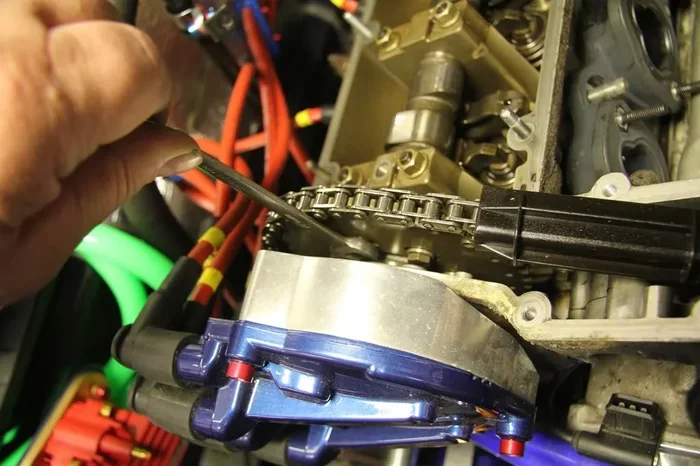
- Simple timing adjustment: The mechanic adjusts the timing marks using a timing light. This is a quick procedure for older vehicles with distributors.
- Timing belt or chain replacement: The old belt or chain is removed and a new one is installed. This often includes replacing tensioners and idler pulleys.
- Variable valve timing (VVT) reset: Modern engines use VVT systems that adjust valve timing on the fly. Resetting these involves diagnostics and sometimes electronic recalibration.
Each of these procedures has a different price tag. That is why the cost range is so broad.
How Much Does It Cost to Reset Timing? The Full Breakdown
The big question everyone wants answered. Let us break down the costs by type of job so you know what to expect.
Timing Belt Replacement Cost
A timing belt replacement is one of the most common timing jobs. The total cost usually falls between $300 and $1,000. Here is where that money goes:
- Parts: $50 to $200 for the belt, tensioner, and idler pulleys.
- Labor: $250 to $800 depending on how accessible the belt is in your engine.
Some vehicles have timing belts that are easy to reach. Others are buried deep in the engine bay and require removing many components. The more work involved, the higher the labor cost.
Timing Chain Replacement Cost
Timing chain replacements cost more because of the parts and labor involved. You can expect to pay between $400 and $1,500 for a full chain replacement. Here is the breakdown:
- Parts: $100 to $400 for the chain, guides, and tensioner.
- Labor: $300 to $1,100 since chains are harder to access in many engines.
Some engines have timing chains at the front of the engine, making them relatively straightforward. Others have chains located deep inside the engine block. The latter requires significantly more labor time.
Simple Timing Adjustment Cost
If your vehicle just needs a timing adjustment using a timing light, the cost is much lower. You can expect to pay between $50 and $150 for this type of service. This is common for older vehicles with distributor-based ignition systems.
Variable Valve Timing (VVT) Reset Cost
Modern vehicles with VVT systems need specialized diagnostics. Resetting the VVT system can cost between $100 and $400. This involves using diagnostic tools to recalibrate the system. Sometimes a VVT solenoid or actuator needs replacement, which adds to the cost.
What Factors Influence Timing Reset Costs?
Not all timing jobs cost the same. Several factors can push the price up or down. Understanding these factors helps you make smart decisions.
Your Vehicle Make and Model
The type of car you drive has a big impact on cost. A simple four-cylinder engine is much easier to work on than a complex V6 or V8. Luxury and performance vehicles often have engines that are harder to access. This means more labor hours and higher costs.
For example, a timing belt job on a Honda Civic might cost $400. The same job on a BMW 3 Series could easily cost $900 or more. The parts may be similar in price, but the labor is very different.
Labor Rates in Your Area
Mechanic labor rates vary by location. Urban areas and dealerships typically charge more than independent shops. A dealership might bill $150 per hour for labor. An independent mechanic might charge $90 per hour. That difference adds up quickly on a job that takes several hours.
Additional Parts Needed
Timing jobs often require replacing more than just the belt or chain. Common additional parts include:
- Timing tensioner
- Idler pulleys
- Water pump (if driven by the timing belt)
- Gaskets and seals
Some mechanics recommend replacing the water pump at the same time if it is driven by the timing belt. This saves you money on labor since the belt is already off. It is a smart move that prevents future breakdowns.
DIY vs Professional Repair
Some experienced DIYers tackle timing jobs at home. This can save you a lot of money on labor. However, timing work is precision work. A mistake can cause serious engine damage. If you are not confident in your skills, it is worth paying a professional.
If you do decide to DIY, make sure you have the right tools and a service manual for your specific vehicle. Understanding how many man hours go into engine work can help you appreciate the complexity involved.
Signs Your Timing Needs to Be Reset
How do you know if your timing is off? Watch for these warning signs:
- Engine misfires or runs rough: If your engine feels jerky or uneven at idle, timing could be the cause.
- Reduced fuel economy: Poor timing means your engine burns more fuel than it should.
- Check engine light: A lit check engine light can indicate timing issues. You may want to check if you can reset the check engine light without disconnecting the battery as a first step.
- Engine won’t start: A severely off timing belt or chain can prevent the engine from turning over.
- Strange noises from the engine: Rattling or ticking sounds can signal a loose or stretched timing chain.
- Metal shavings in oil: This can indicate a failing timing chain guide.
If you notice any of these symptoms, get your vehicle checked right away. Ignoring timing problems can lead to catastrophic engine failure.
How to Save Money on Timing Reset Costs
Timing repairs are not cheap. But there are smart ways to manage the costs without sacrificing quality.
Get Multiple Quotes
Always get at least three quotes from different mechanics. Independent shops often charge less than dealerships. Online platforms like RepairPal or YourMechanic can give you upfront pricing.
Ask About bundled services
If your timing belt also drives the water pump, ask if the mechanic can replace both at the same time. Doing two jobs in one labor session saves you money on the second job’s labor cost.
Do Not Delay the Repair
It might seem counterintuitive, but fixing timing issues early saves money. A small timing adjustment today prevents a blown engine tomorrow. Engine damage from a failed timing belt can cost $3,000 to $5,000 or more to repair.
Consider Aftermarket Parts
OEM parts are reliable, but quality aftermarket parts can save you 20 to 40 percent on cost. Just make sure the aftermarket parts come from a reputable brand. Ask your mechanic for recommendations.
Keep Up with Routine Maintenance
Regular maintenance helps prevent timing issues before they start. Staying on top of oil changes, using the right oil, and following your service schedule all contribute to a healthy timing system. After certain maintenance services, you may need to reset warning lights, which is a quick and easy step.
What Happens If You Ignore Timing Issues?
This is the part nobody wants to hear. Ignoring timing problems can destroy your engine. Here is why:
If a timing belt breaks while you are driving, the pistons and valves can collide. In an interference engine, this causes bent valves, damaged pistons, and sometimes a cracked cylinder head. The repair cost for this type of damage can easily exceed $3,000.
A stretched timing chain is also dangerous. A chain that has stretched too far can skip teeth, causing the engine to lose sync. This leads to poor performance, misfires, and potential engine damage over time.
The bottom line is simple. Address timing issues promptly. The cost of a timing reset is small compared to the cost of a rebuilt or replaced engine.
Can You Reset Timing Yourself?
Some car enthusiasts with mechanical experience can reset timing at home. This works best for older vehicles with distributors and simple ignition systems. You will need a timing light, basic hand tools, and a service manual for your vehicle.
However, modern engines are complex. Variable valve timing systems, electronic controls, and tightly packed engine bays make DIY timing jobs challenging. If you are not experienced with engine work, it is best to leave this to a professional.
One thing you can do yourself is monitor your engine’s warning signs. If you notice a wrench light or other alerts, you can research what they mean. Sometimes a bad battery can trigger warning lights that mimic timing issues. Ruling out simple causes first can save you unnecessary trips to the shop.
Timing Reset Cost Comparison by Vehicle Type
Here is a general comparison of timing reset costs across different vehicle types:
- Compact cars (Honda Civic, Toyota Corolla): $300 to $700 for belt replacement
- Mid-size sedans (Toyota Camry, Honda Accord): $400 to $900
- Trucks and SUVs (Toyota Tacoma, Ford F-150): $500 to $1,200
- Luxury vehicles (BMW, Mercedes): $800 to $1,500+
- Performance cars (Mustang, Camaro): $600 to $1,400
These are general estimates. Your actual cost may vary based on the factors we discussed earlier. Always get a specific quote for your vehicle before authorizing any work.
How Long Does a Timing Reset Take?
The time required depends on the complexity of the job:
- Simple timing adjustment: 30 minutes to 1 hour
- Timing belt replacement: 2 to 4 hours
- Timing chain replacement: 4 to 8 hours
- VVT system reset: 1 to 2 hours
Keep in mind that some vehicles are harder to work on than others. Engines with tight spaces or components that need to be removed first take longer. The more time a job takes, the higher the labor cost will be.
Expert Insight: When to Replace vs When to Adjust
Not every timing issue requires a full replacement. Sometimes a simple adjustment is all that is needed. Here is a quick guide:
- Replace the timing belt or chain if: It shows signs of wear, has stretched beyond specification, or has reached the manufacturer’s recommended mileage interval.
- Adjust the timing if: The timing marks are slightly off, the engine runs fine otherwise, and no physical damage is visible to the belt or chain.
- Reset the VVT system if: The check engine light shows a VVT-related code, and diagnostic testing confirms an electronic recalibration is needed.
A good mechanic will tell you which option you need. Do not let anyone pressure you into a full replacement if a simple adjustment will do the job.
Final Thoughts
How much does it cost to reset timing on your vehicle? The answer ranges from $50 for a simple adjustment to $1,500 or more for a full timing chain replacement. The key is to act quickly when you notice warning signs. Delaying a timing repair can turn a $500 fix into a $5,000 engine replacement.
Stay on top of your vehicle’s maintenance schedule. Know the signs of timing problems. And always get multiple quotes before committing to a repair. With the right approach, you can keep your engine running smoothly without breaking the bank.
Your car’s timing system is the heartbeat of the engine. Treat it with care, and it will serve you well for miles to come.
Frequently Asked Questions
Can I drive my car if the timing is off?
You should avoid driving if you suspect your timing is off. Even a slight timing issue can cause engine misfires and reduced performance. In interference engines, driving with bad timing can cause catastrophic damage. Get your vehicle inspected as soon as possible.
How often does timing need to be reset?
Timing belts typically need replacement every 60,000 to 100,000 miles. Timing chains can last 100,000 to 150,000 miles or more. Simple timing adjustments may be needed if you notice performance issues. Check your vehicle’s service manual for the manufacturer’s recommended schedule.
Is a timing reset the same as a timing belt replacement?
Not necessarily. A timing reset can be a simple adjustment using a timing light. A timing belt replacement involves removing the old belt and installing a new one. The cost and complexity are very different. Ask your mechanic to clarify which service your vehicle needs.
Can low oil cause timing issues?
Yes, low or dirty oil can affect your timing chain and VVT system. Oil keeps the chain links lubricated and helps VVT solenoids work properly. Regular oil changes are essential for maintaining a healthy timing system. Don’t forget to reset your oil change light after an oil change to keep your maintenance schedule on track.
How can I tell if my timing belt is about to fail?
Look for these warning signs: a ticking noise from the engine, rough idling, difficulty starting, or the check engine light coming on. Some vehicles also show visible cracks or fraying on the belt if you can inspect it. If you notice any of these symptoms, have your vehicle checked immediately.
Does insurance cover timing belt or chain replacement?
Timing belt and chain replacement is considered routine maintenance. Most insurance policies do not cover maintenance items. However, if a timing failure causes collateral engine damage in an accident, your collision coverage might apply. Check with your insurance provider for specific details about your policy.