How to Know If Coolant Is Low and Spot the Warning Signs
Knowing how to spot low coolant early can save you from expensive engine repairs and keep your car running safely. Watch for warning signs like a rising temperature gauge, a sweet smell under the hood, or visible puddles under your car. In this guide, we walk you through every symptom, the simple steps to check your coolant level, and what to do if your levels are dropping.
Your car’s coolant level plays a huge role in keeping the engine running smoothly. Without enough radiator fluid, your engine can overheat fast and suffer serious damage. Yet many drivers ignore the early signs until something goes wrong under the hood.
In this guide, we will show you exactly how to know if coolant is low before it becomes a big problem. You will learn the warning signs to watch for, how to check your fluid yourself, and what to do if your levels drop. Whether you are a new driver or someone who just wants to stay ahead on car maintenance, this guide has you covered.
Key Takeaways
- Warning signs matter: A rising temperature gauge, steam from the hood, and a sweet smell are clear signals that your coolant may be low.
- Checking is easy: You can check your coolant level at home by locating the reservoir and reading the min/max marks.
- Low coolant causes damage: Running your engine without enough coolant can lead to overheating, warping, and costly repairs.
- Leaks are the main culprit: Most low coolant issues come from small leaks in hoses, the radiator, or the water pump.
- Prevention is simple: Regular checks and timely fluid top-ups keep your engine cooling system healthy and strong.
📑 Table of Contents
What Does Coolant Do and Why It Matters
Coolant, also called antifreeze, is the fluid that keeps your engine at a safe engine temperature. It flows through the engine cooling system and pulls heat away from the engine block. Without it, your car would overheat within minutes of driving.
Think of coolant as the lifeblood of your engine’s thermal management. It does more than just cool. It also prevents the water in your system from freezing in winter and boiling in summer. That is why keeping the right fluid levels matters all year round.
Most cars use a mix of water and ethylene glycol-based antifreeze. This mixture offers better heat transfer and protection than water alone. Over time, however, coolant can drop due to leaks, evaporation, or simple neglect. That is when problems start to appear.
How to Know If Coolant Is Low — Warning Signs
Spotting the early signs of low coolant can save you a lot of trouble. Here are the most common coolant warning signs every driver should know.
Dashboard Warning Lights
The first clue often appears on your dashboard. Most modern cars have a coolant warning light that looks like a temperature gauge or a wavy line. If this light turns on, it means your engine temperature is too high or your fluid level has dropped below a safe point.
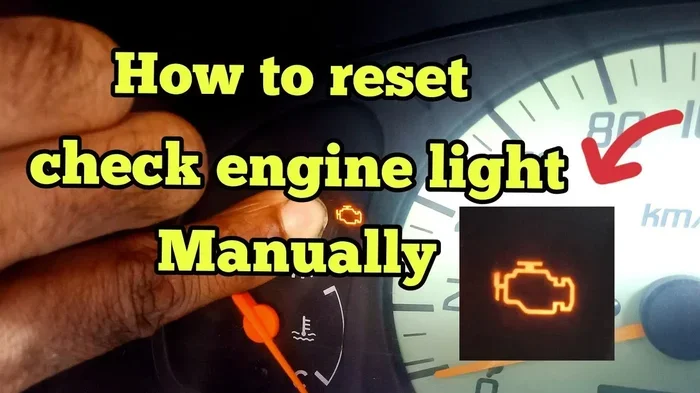
Another light to watch for is the check engine light. While it can mean many things, a drop in coolant can trigger it. If you see this light paired with a rising temperature needle, pull over safely and check your fluid.
Some cars also show a red or yellow temperature warning on the dashboard display. Do not ignore this. It is your car telling you something is wrong with the cooling system.
Physical Symptoms You Can See and Feel
Beyond dashboard lights, your car gives off physical clues when coolant is running low. Here are the signs to look out for.
- Steam or smoke from the hood: This is one of the most obvious signs. If you see white steam coming from under the hood, your engine may be overheating due to low coolant.
- A sweet smell near the front of the car: Coolant has a distinct sweet odor. If you smell something sweet while driving or parked, check for leaks or low levels.
- Puddles under your car: Coolant often leaks out as a colored puddle. It can be green, orange, pink, or blue depending on the type you use.
- Rising temperature gauge: If your temperature needle climbs into the red zone, stop driving and let the engine cool down.
- Heater not working well: Your car’s heater uses leftover heat from the coolant. If it blows cold air, your fluid level may be too low.
If you notice any of these signs, do not keep driving. Pull over safely, turn off the engine, and let it cool before you open the hood. Driving with low coolant can cause severe overheating engine damage.
How to Check Your Coolant Level
Checking your coolant level is one of the easiest things you can do at home. It only takes a few minutes and a basic understanding of where to look.
Locating the Coolant Reservoir
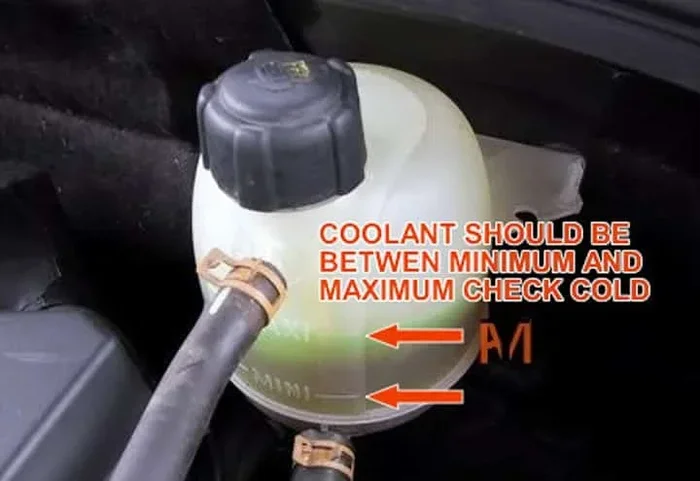
Open your hood and look for a translucent plastic tank near the radiator. This is your coolant reservoir. It usually has a cap labeled “coolant” or with a warning symbol. The tank will have clear minimum and maximum marks on the side.
If you are not sure where yours is, check your car’s owner manual. Every vehicle is a little different, but the reservoir is almost always easy to find.
When to Check Coolant
Always check coolant when the engine is cold. Opening the reservoir or radiator cap on a hot engine can cause burns from pressurized steam or fluid. The best time to check is in the morning before you start the car for the day.
Here is a simple step-by-step process:
- Make sure the engine is completely cool.
- Open the hood and locate the coolant reservoir.
- Look at the side of the tank and find the fluid level.
- If the level is between the min and max marks, you are good.
- If it is below the min line, you need to add more coolant.
Also, take a moment to look at the coolant color. Fresh coolant is usually bright green, orange, or pink. If it looks rusty, brown, or dirty, it may be time for a coolant flush and replacement.
What to Look for Around the Reservoir
While you have the hood open, look around the reservoir and hoses for any visible leaks. Check for wet spots, cracks in hoses, or a loose radiator cap. A loose or damaged cap can cause fluid to escape and pressure to drop, leading to low levels over time.
Common Causes of Low Coolant
Coolant does not just disappear on its own. Something is causing it to drop. Here are the most common reasons.
Leaks in the Cooling System
The most common cause of low coolant is a leak. Small cracks or worn hoses can let fluid seep out slowly. Over time, this adds up and your levels drop noticeably.
Common leak points include:
- Hoses connecting the radiator to the engine
- The radiator itself
- The water pump seal
- The heater core
- The intake manifold gasket
If you suspect a leak, look for wet spots or dried fluid trails under your car. Sometimes the leak is so small you cannot see it easily. In those cases, a can a coolant leak cause overheating? Yes, absolutely. Even a tiny leak reduces the fluid in the system, which leads to poor cooling and eventual overheating.
Evaporation and Aging
Over months and years, coolant can slowly evaporate through the system. This is normal to a small degree, but it should not happen fast. If you find yourself topping off every few weeks, something is wrong.
Old coolant also loses its effectiveness. It becomes less efficient at transferring heat and protecting the engine. Most manufacturers recommend a coolant flush every 30,000 to 50,000 miles, depending on the vehicle and the type of coolant used.
Head Gasket Issues
A more serious cause of low coolant is a blown head gasket. When the head gasket fails, coolant can leak into the combustion chamber or oil passages. This often causes white smoke from the exhaust, a milky look under the oil cap, and bubbles in the coolant reservoir.
If you notice these signs along with low coolant, get your car checked by a mechanic right away. A head gasket repair is more involved, but catching it early can save you from a much bigger bill.
What Happens When Coolant Runs Too Low
Driving with low coolant is risky. The cooling system cannot do its job properly, and the engine starts to overheat. But what exactly goes wrong?
When there is not enough fluid to absorb and carry away heat, the engine temperature climbs. Metal parts expand under heat, and tight tolerances get squeezed. This can lead to warped cylinder heads, blown head gaskets, and even a cracked engine block.
In extreme cases, the engine seizes up completely. That kind of damage often means the engine needs to be replaced, not just repaired. The cost goes from a simple fluid top-up to thousands of dollars in repairs.
If you ever wonder, can no coolant make a car overheat? The answer is yes. Without any coolant at all, an engine can overheat in just a few minutes of driving. Even a partial drop in levels causes the same problem over a longer drive.
It is also worth noting that having too much coolant can cause problems. If you overfill the reservoir, excess fluid can escape through the overflow hose and create a mess. So always keep the level between the min and max marks.
And if you are dealing with an overfilled system or a cooling issue, you might ask, can too much coolant cause overheating? Yes, it can. Too much pressure from overfilling can cause the system to push fluid out, which then leads to low levels and overheating.
How to Add Coolant Safely
If you have confirmed that your coolant is low, here is how to add it safely.
- Let the engine cool completely. Never open the cap on a hot engine.
- Find the coolant reservoir and remove the cap. Use a cloth to protect your hand from any residual heat.
- Check the type of coolant your car needs. Look in your owner manual. Using the wrong type can damage the system.
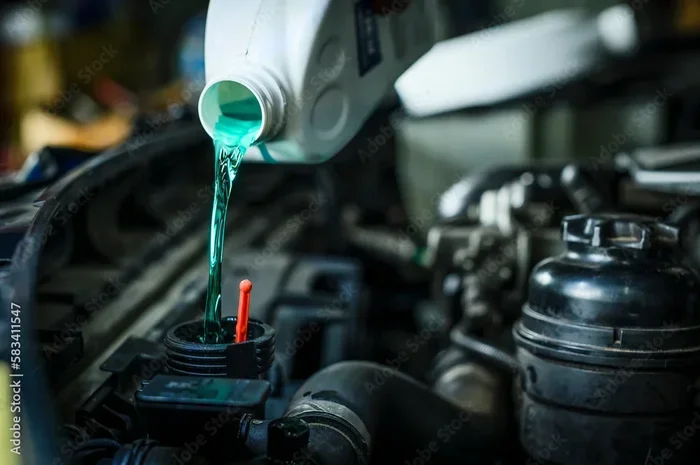
- Pour the coolant slowly until it reaches the max mark. Do not overfill.
- Replace the cap and start the engine. Let it run for a few minutes and recheck the level once it is warm.
If you are unsure about the type of coolant, most auto parts stores can help you find the right one for your vehicle. You can also ask a service advisor at your local dealership.
Prevention Tips to Keep Coolant Levels Healthy
Staying on top of your coolant level is simple with a few good habits. Here are some tips to keep your cooling system in great shape.
- Check coolant monthly: Make it part of your regular routine. A quick glance at the reservoir takes only a few seconds.
- Watch for small puddles: If you see any fluid under your car, check the color. Coolant leaks are easy to spot and should be addressed quickly.
- Do a coolant flush on schedule: Follow your manufacturer’s recommended interval. Fresh coolant protects better and lasts longer.
- Inspect hoses and connections: Look for cracks, swelling, or wet spots during your checks. Catching a small leak early saves a lot of trouble later.
- Never ignore warning lights: If your coolant warning light comes on, take it seriously. Pull over and investigate.
- Keep a spare bottle of coolant in your trunk: This is a smart move for long trips or emergencies.
Regular attention to your cooling system is one of the best ways to avoid major engine repairs. A few minutes of checking each month can add years to your engine’s life.
When to See a Mechanic
While checking and topping off coolant is easy, some situations need professional help. If you keep finding low coolant even after refilling, there is likely a hidden leak. A mechanic can pressure-test the system and find the exact source.
Also, if your temperature gauge keeps climbing even with full coolant, the problem may be deeper. It could be a failing water pump, a stuck thermostat, or a clogged radiator. These issues need proper diagnosis and repair.
Do not wait until the damage is done. If your car shows any of the serious signs we discussed, take it to a trusted mechanic as soon as possible.
Final Thoughts
How to know if coolant is low comes down to paying attention to the signs your car gives you. A rising temperature gauge, a sweet smell, steam from the hood, or a puddle under your car are all clues that something is wrong. The good news is that checking your coolant level is simple and takes only a few minutes.
By staying on top of your coolant level and addressing small issues early, you protect your engine from overheating and expensive repairs. Make it a habit to check your fluid levels regularly, and never ignore the warning signs. Your car will thank you with years of reliable service.
Remember, a little prevention goes a long way. Keep your cooling system healthy, and your engine will stay cool no matter where the road takes you.
Frequently Asked Questions
Can I drive my car if the coolant is low?
You should not drive with low coolant. It can cause the engine to overheat and lead to serious damage. If you must drive a short distance, keep an eye on the temperature gauge and pull over immediately if it starts climbing.
How often should I check my coolant level?
Checking your coolant once a month is a good habit. You should also check it before any long road trips. It only takes a few minutes and can save you from costly repairs.
What color is coolant, and does the color matter?
Coolant is usually green, orange, pink, or blue depending on the type. The color helps you spot leaks easily. Always use the type recommended in your owner manual, as mixing different types can cause problems.
Can a bad battery cause the coolant warning light to come on?
Not directly, but electrical issues can sometimes trigger warning lights. If your battery is weak or has a connection problem, it may affect sensors that monitor the cooling system. If you notice a warning light, it is best to check both the battery and the coolant level.
Is it okay to just add water instead of coolant?
Water works in an emergency, but it is not a long-term solution. Water does not protect against freezing or boiling as well as coolant does. It also lacks the anti-corrosion additives that protect your cooling system. Use proper coolant whenever possible.
What should I do if my car overheats and the coolant is low?
Turn off the engine immediately and let it cool for at least 15 minutes. Do not open the radiator cap while the engine is hot. Once it has cooled, check the coolant level and add more if needed. If the problem keeps happening, visit a mechanic to find the source of the leak.
=== CONCLUSION ===
Keeping an eye on your coolant level is one of the simplest and most important things you can do for your car. The warning signs are there if you know what to look for. From a rising temperature gauge to a sweet smell under the hood, your car tells you when something is wrong. By checking your fluid regularly, understanding the coolant warning signs, and acting quickly when levels drop, you keep your engine safe and your wallet happy.
Take a few minutes today to check your coolant reservoir. It is a small step that makes a big difference. Stay proactive, stay safe, and keep your car running strong for miles to come.