Can Coolant Last 10 Years Or Should You Replace It
Can coolant last 10 years? The short answer is no, not without consequences. Most coolants degrade over time and lose their protective properties, leading to potential engine damage. Understanding your coolant’s true lifespan can save you from costly repairs and overheating disasters.
You open the hood of your car and notice the coolant reservoir. It has been sitting there for years. Maybe you bought a used vehicle. Maybe you simply forgot. Now a question nags at you: can coolant last 10 years without causing problems?
This is a question many car owners ask, especially when their vehicle has been sitting in the garage for a long time or when they inherited a car with an unknown maintenance history. The answer might surprise you. Coolant is not like wine that improves with age. In fact, it does the opposite. Over time, coolant breaks down, loses its protective chemicals, and can actually harm your engine instead of protecting it.
In this article, we will explore everything you need to know about coolant lifespan. We will look at why coolant degrades, what happens when it gets old, and how to tell if your coolant needs replacing. By the end, you will have a clear answer to the question of whether your coolant can truly last a decade.
Let us get into it, because your engine depends on this knowledge.
Key Takeaways
- Coolant does not last forever: Most types degrade within 2 to 5 years, even if the vehicle sits unused.
- Old coolant causes real damage: It loses its ability to prevent corrosion, overheating, and freezing.
- Color and condition matter: Dark, rusty, or sludgy coolant is a clear sign it needs replacing.
- Different coolant types have different lifespans: IAT, OAT, and HOAT coolants each have unique durability rates.
- Testing your coolant is easy: A simple pH test or refractometer check can reveal its condition.
- Regular coolant flush keeps your engine healthy: Following the manufacturer’s schedule prevents long-term problems.
- Ignoring coolant changes leads to expensive repairs: A blown head gasket or cracked radiator costs far more than a flush.
📑 Table of Contents
What Is Coolant and Why Does It Matter?
Before we answer whether coolant can last 10 years, it helps to understand what coolant actually does. Coolant, also called antifreeze, is a liquid mixture that flows through your engine’s cooling system. Its main job is to regulate engine temperature. It prevents overheating in summer and freezing in winter.
But coolant does more than just manage temperature. It also protects the metal parts inside your engine from rust and corrosion. It lubricates the water pump and keeps the entire cooling system running smoothly.
Most coolant is made from a mix of ethylene glycol or propylene glycol and distilled water. Additives in the coolant give it its protective properties. These additives are what break down over time, which is exactly why coolant has a limited lifespan.
Think of coolant like sunscreen for your engine. It works great when it is fresh. But after a while, it loses its strength and can no longer protect you from the damage.
The Cooling System Basics
Your cooling system includes several key parts. The radiator holds the coolant. The water pump circulates it through the engine block. Hoses carry it back and forth. The thermostat opens and closes to regulate flow based on temperature.
When all these parts work together with fresh coolant, your engine stays at the perfect operating temperature. When the coolant degrades, the whole system suffers. Corrosion builds up. Blockages form. Heat does not get dissipated properly.
This is why understanding coolant lifespan matters so much. It is not just about the liquid itself. It is about protecting every component in the cooling system.
Can Coolant Actually Last 10 Years?
The honest answer to “can coolant last 10 years” is a firm no. While coolant might physically remain in your system for that long, it certainly does not remain effective.
Most manufacturers recommend replacing coolant every 30,000 to 60,000 miles, or every 3 to 5 years. Some long-life coolants extend this to 100,000 miles or 5 years. But even the best long-life coolants do not last a full decade.
Here is why coolant cannot last 10 years:
- Additive depletion: The protective additives that prevent corrosion and cavitation wear down over time.
- Chemical breakdown: Ethylene glycol and propylene glycol break down into acidic compounds that damage metal surfaces.
- pH level drops: Fresh coolant has a balanced pH. Old coolant becomes acidic, which accelerates corrosion.
- Contamination: Dust, debris, and micro-particles enter the system over time, polluting the coolant.
- Water evaporation: In open reservoirs, water evaporates, concentrating the glycol and changing the mixture ratio.
What Happens If You Leave Coolant Too Long?
If you leave coolant in your system for 10 years, several things go wrong. First, the protective additives are completely gone. This means the metal inside your engine block, radiator, and water pump starts corroding. Rust forms from the inside out.
Second, the coolant becomes acidic. Acid eats away at metal components. It can damage the radiator fins, corrode hose connections, and even harm the cylinder head gasket.
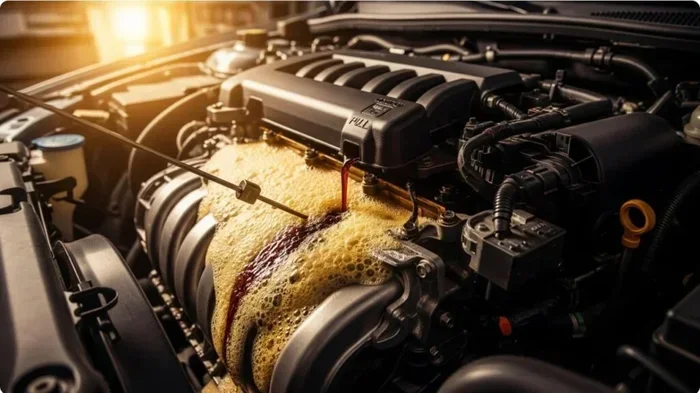
Third, old coolant can turn into a thick, sludgy substance. This sludge clogs narrow passages in the engine block and radiator. When coolant cannot flow properly, your engine overheats.
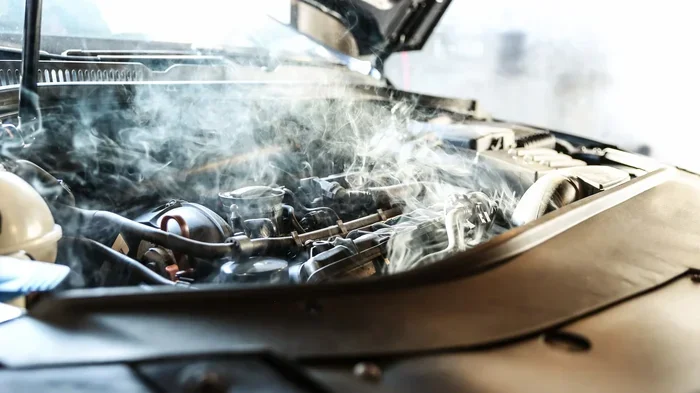
Overheating leads to warped cylinder heads, blown head gaskets, and cracked engine blocks. These are not cheap repairs. A full engine replacement can cost thousands of dollars. All because someone asked, “can coolant last 10 years” and believed the answer was yes.
Does Coolant Degrade Even If the Car Sits Unused?
Yes, it does. Many people assume that if a car sits in the garage and rarely gets driven, the coolant stays fresh. This is a dangerous misconception.
Coolant degrades chemically over time, regardless of whether the engine is running. The additives break down through a process called hydrolysis. Moisture in the system also promotes internal corrosion, even without driving.
If you have a classic car or a seasonal vehicle, you still need to change the coolant. Sitting for years does not preserve it. In fact, vehicles that sit unused for long periods can suffer even more coolant-related damage because the acidic compounds have more time to attack metal surfaces without being flushed out.
Signs Your Coolant Needs Replacement
How do you know if your coolant has gone bad? There are several clear warning signs. You do not need to be a mechanic to spot them.
Visual Inspection
The easiest way to check your coolant is to look at it. Open the coolant reservoir when the engine is cool. Fresh coolant is usually bright green, orange, pink, or blue depending on the type. It should look clean and transparent.
If you see any of these signs, your coolant needs replacing:
- Dark brown or rust-colored liquid: This indicates rust and corrosion inside the system.
- Sludgy or thick consistency: Fresh coolant is thin and watery. Thick coolant has degraded.
- Particles or floating debris: Contamination has entered the system.
- Oily or greasy film on top: This could indicate a head gasket leak mixing oil with coolant.
Smell Test
Fresh coolant has a slightly sweet smell. Old or degraded coolant can smell sour or acidic. If you open the reservoir and notice a harsh chemical odor, that is a strong sign the coolant has broken down.
Temperature Gauge Readings
If your temperature gauge runs hotter than normal, old coolant could be the cause. Degraded coolant cannot transfer heat efficiently. Your engine may run warm even on mild days.
Do not ignore this. An overheating engine can cause severe internal damage quickly. If you notice the gauge climbing, pull over safely and let the engine cool down.
Coolant Leaks
Old coolant becomes corrosive, which can damage seals and gaskets. This leads to leaks. You might notice a puddle under your car or a drop in coolant level in the reservoir. Leaks often start at hose connections, the radiator cap, or the water pump.
Types of Coolant and Their Lifespans
Not all coolants are the same. Different types have different chemical compositions and different lifespans. Understanding which type you have helps you answer the question, “can coolant last 10 years,” more accurately.
Inorganic Acid Technology (IAT) Coolant
IAT coolant is the traditional green-colored coolant found in older vehicles. It uses silicate and phosphate additives to protect metal surfaces. IAT coolant typically lasts 2 to 3 years or 30,000 to 36,000 miles.
This is the shortest lifespan of any coolant type. If you drive a car from the 1990s or earlier, you likely use IAT coolant. It needs frequent replacement to keep your engine protected.
Organic Acid Technology (OAT) Coolant
OAT coolant uses organic acids as corrosion inhibitors. It is often orange, red, or purple. OAT coolant lasts longer than IAT, typically 5 years or 150,000 to 200,000 miles. Some manufacturers claim up to 5 years or 100,000 miles.
OAT coolant does not last 10 years. After 5 years, the organic acids deplete and the protective effect fades. It still needs replacement on a regular schedule.
Hybrid Organic Acid Technology (HOAT) Coolant
HOAT coolant combines elements of IAT and OAT. It uses both organic acids and small amounts of silicates. You will find HOAT in yellow, turquoise, or pink colors. It is common in newer vehicles from brands like Ford, Chrysler, and European manufacturers.
HOAT coolant typically lasts 5 years or 150,000 miles. Again, this falls far short of 10 years. The silicate component provides extra protection for aluminum parts but still depletes over time.
Comparison Table: Coolant Types and Lifespans
| Coolant Type | Typical Color | Lifespan | Common Vehicles |
|---|---|---|---|
| IAT | Green | 2-3 years / 30k-36k miles | Older cars (pre-2000) |
| OAT | Orange, Red, Purple | 5 years / 150k-200k miles | GM, Audi, VW, Honda |
| HOAT | Yellow, Turquoise, Pink | 5 years / 150k miles | Ford, Chrysler, European brands |
| Si-OAT | Turquoise, Blue | 5 years / 150k miles | Many modern vehicles |
No matter which type your vehicle uses, none of them can last 10 years. The chemical composition simply does not support it.
Can You Mix Different Coolant Types?
Mixing different coolant types is generally a bad idea. The chemicals can react with each other and form gel-like substances that clog the cooling system. If you need to top off your coolant, use the same type your vehicle requires. If you are unsure, check your owner’s manual or consult a trusted mechanic.
How to Test Your Coolant at Home
You do not need to be a professional to check your coolant condition. A few simple tools can tell you a lot about whether your coolant is still effective.
Using a Coolant Test Strip
Coolant test strips are inexpensive and available at any auto parts store. You dip the strip into the coolant and compare the color change to the chart on the package. The strip measures pH level and reserve alkalinity.
Fresh coolant has a pH between 8.5 and 10.5. If the pH drops below 7.0, the coolant has become acidic and needs immediate replacement. Low reserve alkalinity means the protective additives are depleted.
Using a Refractometer
A refractometer measures the specific gravity of the coolant, which tells you the concentration of ethylene glycol or propylene glycol. This helps you determine if the freeze protection is still adequate.
To use a refractometer, place a drop of coolant on the glass lens, hold it up to light, and read the scale. The tool is simple to use and gives accurate results in seconds.
Visual and Smell Checks
Do not underestimate the power of your own eyes and nose. If the coolant looks dark, rusty, or sludgy, replace it. If it smells sour or harsh, replace it. When in doubt, flush it out and put in fresh coolant.
Quick Tips for Coolant Testing
- Always test when the engine is cool: Hot coolant under pressure can cause burns.
- Check the coolant reservoir, not the radiator directly: The reservoir is safer and easier to access.
- Test at least twice a year: Once in spring and once in fall before extreme weather hits.
- Keep test strips on hand: They are cheap and give you peace of mind.
What Happens When Old Coolant Fails?
Understanding what goes wrong when old coolant fails helps motivate you to stay on top of replacement schedules. The consequences are serious and expensive.
Corrosion and Rust
Without protective additives, the metal inside your cooling system corrodes. The radiator, water pump, thermostat housing, and engine passages all develop rust. Rust particles circulate through the system and clog narrow passages. This restricts coolant flow and reduces cooling efficiency.
Over time, corrosion can eat through thin metal components. A corroded radiator develops pinhole leaks. A corroded water pump seal starts to drip. Both lead to coolant loss and potential overheating.
Overheating and Engine Damage
Old coolant cannot transfer heat effectively. The engine runs hotter than designed. Overheating causes warped cylinder heads, blown head gaskets, and in severe cases, a cracked engine block.
A blown head gasket repair can cost anywhere from $1,000 to $2,000. A cracked engine block repair can exceed $3,000 or require a full engine replacement. All of this from neglected coolant.
Freezing and Boiling Problems
Coolant also protects against extreme temperatures. Old coolant loses its ability to prevent freezing in winter. Frozen coolant expands and can crack the engine block, radiator, and hoses.
In summer, degraded coolant boils at a lower temperature. Boiling coolant creates steam pockets that cause hot spots in the engine. These hot spots lead to localized damage and accelerated wear.
Coolant Reservoir and Hose Damage
The coolant reservoir and rubber hoses are not immune to old coolant damage. Acidic coolant degrades rubber from the inside out. Hoses become brittle, crack, and eventually fail. The reservoir can develop leaks at the plastic seams.
Replacing a radiator hose costs very little. Replacing an engine because of a failed hose is a completely different story.
Head Gasket Failure
One of the most severe consequences of old coolant is head gasket failure. Acidic coolant corrodes the gasket surface, compromising the seal between the cylinder head and engine block. When the head gasket fails, combustion gases leak into the cooling system, and coolant can enter the cylinders.
Signs of a failing head gasket include white smoke from the exhaust, coolant loss without visible leaks, and overheating that comes on suddenly. This is a serious repair that requires significant labor and parts cost.
How Often Should You Replace Your Coolant?
The best way to avoid the problems discussed above is to follow a regular coolant replacement schedule. Check your vehicle’s owner manual for the manufacturer’s recommendation.
As a general guideline:
- Older vehicles with IAT coolant: Replace every 2 to 3 years or 30,000 miles.
- Vehicles with OAT coolant: Replace every 5 years or 150,000 miles.
- Vehicles with HOAT coolant: Replace every 5 years or 100,000 miles.
- Severe driving conditions: Short trips, extreme heat, towing, or stop-and-go traffic may require more frequent replacement.
If you are ever unsure about when to change your coolant, a coolant flush service at a trusted shop can clarify the condition of your current fluid. The cost of a coolant flush is a fraction of what you would pay for engine damage caused by old coolant.
Common Mistakes People Make With Coolant
Many car owners make mistakes that shorten coolant life and cause unnecessary damage. Here are a few to avoid:
- Adding plain water instead of coolant: Water lacks protective additives and promotes corrosion. Use a proper coolant-water mix.
- Topping off with the wrong coolant type: Mixing incompatible coolants can cause chemical reactions and gel formation.
- Ignoring coolant warning lights: If your dashboard shows a coolant temperature warning, stop driving immediately and check the system.
- Skipping the coolant flush: Draining and refilling is not the same as a full flush. Old residue remains in the system and contaminates the new coolant.
- Assuming the reservoir level is enough: Low coolant level means you need to find the leak and fix it, not just top off the reservoir.
Expert Insight on Coolant Maintenance
Most experienced mechanics agree on one thing: coolant maintenance is one of the cheapest and easiest ways to protect your engine. A simple coolant flush every 3 to 5 years costs between $50 and $150 depending on your vehicle. Compare that to the thousands of dollars in engine repairs caused by neglected coolant.
Professional mechanics also recommend keeping a log of coolant changes. This helps you track when the next replacement is due and prevents the “I do not know when it was last changed” problem that affects so many used car buyers.
Key Takeaways
- Coolant cannot last 10 years: All coolant types degrade well before the 10-year mark.
- Old coolant causes corrosion, overheating, and freezing problems: These lead to expensive engine repairs.
- Visual, smell, and pH testing help you identify bad coolant: You do not need a mechanic for basic checks.
- Different coolant types have different lifespans: IAT lasts 2-3 years, OAT and HOAT last up to 5 years.
- Follow your manufacturer’s replacement schedule: The owner manual has the definitive answer for your specific vehicle.
- Never mix incompatible coolant types: Stick with the type recommended for your vehicle.
- Regular coolant flush is cheap insurance: It prevents catastrophic engine damage down the road.
The bottom line is simple. If someone asks you, “can coolant last 10 years,” the answer is a clear and definitive no. Coolant is a consumable fluid that needs regular replacement. Treat it with the same importance as oil changes and tire rotations. Your engine will thank you with years of reliable service.
Do not wait for warning signs to appear. Check your coolant regularly, follow the replacement schedule, and invest in fresh coolant when the time comes. A small effort today saves you from a major headache tomorrow.
Your car works hard for you every day. The least you can do is give it the coolant protection it deserves. Stay proactive, stay informed, and keep your engine running cool for miles to come.
Frequently Asked Questions
Can coolant last 10 years if the car is rarely driven?
No, coolant cannot last 10 years even in a rarely driven vehicle. Chemical degradation happens over time regardless of driving frequency. The additives in coolant break down through hydrolysis, and the pH level drops, making the coolant acidic and corrosive. Even if your car sits in the garage, old coolant will lose its protective properties and can damage your engine.
What color is bad coolant?
Bad coolant often appears dark brown, rust-colored, or murky. Fresh coolant should be bright and clear, typically green, orange, pink, or blue depending on the type. If you notice particles, sludge, or an oily film on the surface, the coolant has degraded and needs immediate replacement.
How much does a coolant flush cost?
A coolant flush typically costs between $50 and $150 for most vehicles. The price varies based on the type of coolant used, the vehicle model, and labor rates in your area. Some shops offer combined coolant flush and fluid replacement services that may cost slightly more but ensure complete system cleanliness.
Can old coolant cause overheating?
Yes, old coolant is a leading cause of engine overheating. Degraded coolant loses its ability to transfer heat efficiently and cannot protect against corrosion. This leads to clogged passages, reduced flow, and hot spots in the engine. If your temperature gauge reads higher than normal, check your coolant condition immediately.
Is it safe to mix old coolant with new coolant?
It is generally not recommended to mix old coolant with new coolant. Old coolant contains depleted additives and contaminants that can reduce the effectiveness of the fresh coolant. A complete flush before refilling ensures the new coolant can provide full protection. If you must top off temporarily, use distilled water and schedule a full flush soon.
What happens if you never change your coolant?
If you never change your coolant, the additives deplete completely and the fluid becomes acidic. This causes severe corrosion inside the cooling system, clogged passages, and potential overheating. Over time, you risk a blown head gasket, cracked engine block, or complete radiator failure. The cost of these repairs far exceeds the price of regular coolant replacement.
=== CONCLUSION ===
The question “can coolant last 10 years” has been answered clearly throughout this article. The answer is no. No type of coolant, regardless of its formulation or brand, can effectively protect your engine for a full decade. All coolants degrade over time, losing their corrosion inhibitors, pH balance, and heat transfer capabilities.
Ignoring coolant replacement leads to a cascade of problems. Corrosion builds up inside the engine block. Clogged passages restrict flow. Overheating damages critical components like the head gasket and cylinder walls. The repair costs from neglected coolant can reach thousands of dollars.
On the other hand, staying on top of your coolant replacement schedule is one of the simplest and most affordable maintenance tasks you can do. A coolant flush every 3 to 5 years keeps your cooling system clean, efficient, and protected. It gives your engine the best chance of running smoothly for many years to come.
Take action today. Check your coolant condition. Review your owner’s manual for the manufacturer’s replacement recommendation. If your coolant has not been changed in a long time, schedule a flush and refill. Your engine will perform better, run cooler, and last longer because of this simple but essential step.
Do not let the question of “can coolant last 10 years” become a costly mistake. Be proactive. Be informed. And keep your cooling system in top shape.