How to Open a Fuel Door Manually When Nothing Works
Knowing how to open a fuel door manually can save you from a frustrating roadside moment. Whether your fuel door button is broken, the latch is stuck, or the release cable snapped, there are simple methods you can try right now. This guide walks you through every manual workaround, the reasons fuel doors get stuck, and how to prevent the problem from coming back.
You pull up to the gas station. You reach for the fuel door button. Nothing happens. You press it again. Still nothing. Your heart sinks a little because you know you need fuel and the door just will not budge.
This is more common than you think. A stuck fuel door can happen to any car owner at any time. The good news is that you do not need to call a tow truck every single time. Learning how to open a fuel door manually is a simple skill that can get you back on the road in minutes.
In this guide, we will walk you through every method you can try when the normal release fails. We will cover the reasons fuel doors get stuck, the tools you might need, and the steps for different car models. By the end, you will feel confident handling this problem on your own.
Key Takeaways
- Emergency release tools and tricks can get your fuel door open even when the button fails completely.
- Common causes include a dead key fob battery, a broken release cable, a stuck latch, or a faulty solenoid.
- Manual override methods vary by car model but are usually simple and require no special tools.
- Preventive maintenance like lubricating the latch and checking the release cable can stop future problems.
- Knowing when to call a mechanic saves time and prevents costly DIY mistakes.
- Driving without access to fuel can leave you stranded, so fixing the issue quickly matters.
📑 Table of Contents
- Why Your Fuel Door Won’t Open
- How to Open a Fuel Door Manually Using Emergency Methods
- Common Reasons Your Fuel Door Gets Stuck
- Step-by-Step: Manual Fuel Door Release for Popular Car Models
- When to Call a Professional for Fuel Door Repair
- Preventing Future Fuel Door Problems
- Key Takeaways
- Frequently Asked Questions
Why Your Fuel Door Won’t Open
Before you try anything, it helps to understand what is going on. The fuel door is held shut by a latch mechanism. This latch can be released by a button inside your car, a pull handle outside, or a combination of both. When one part of this system fails, the door stays locked.
Here are the most common reasons your fuel door won’t open:
- Dead key fob battery — If your car uses a push-button start, a weak key fob battery can prevent the fuel door from receiving the signal to unlock.
- Broken release cable — The cable connects the interior button to the latch. Over time, it can stretch, fray, or snap entirely.
- Stuck or corroded latch — Dirt, road salt, and moisture can build up around the latch and cause it to freeze in place.
- Faulty fuel door solenoid — Some cars use a small solenoid to release the latch. If it fails, the door stays locked even when you press the button.
- Child lock or override engaged — Some vehicles have a manual override switch that can accidentally get activated.
- Frozen mechanism in cold weather — Ice and frost can lock the latch shut during winter months.
Each of these problems has a manual workaround. Let us get into them.
How to Open a Fuel Door Manually Using Emergency Methods
When the button and the handle both fail, you need a backup plan. Here are the most reliable manual fuel door release methods that work across many car brands and models.
Method 1: Use the Manual Override Inside the Car
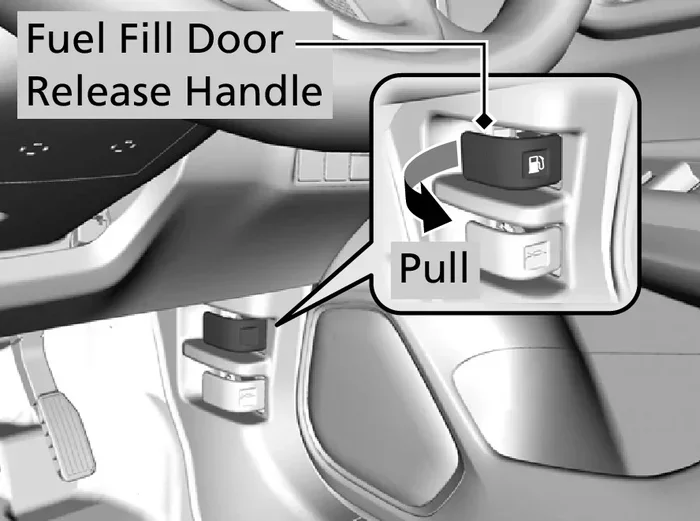
Many cars have a hidden manual override for the fuel door. This is often a small lever or switch located under the steering column, near the driver’s door panel, or inside the glove box. Check your owner’s manual for the exact location.
To use it:
- Turn the ignition to the “on” position (do not start the engine).
- Look for a small lever or switch labeled “fuel door release” or “trunk/fuel.”
- Pull or flip it in the direction indicated by the arrow on the switch.
- The fuel door latch should click open.
This method works because it bypasses the electronic system entirely and uses a mechanical connection to the latch.
Method 2: Pull the Release Cable Directly
Most fuel doors have a release cable running from the interior button to the latch under the car. If the button is broken but the cable is still intact, you can access the cable from underneath the vehicle.
Here is how:
- Park your car on a flat surface and engage the parking brake.
- Get underneath the car on the driver’s side.
- Locate the fuel door release cable. It is usually a thin metal cable with a plastic sheath.
- Follow the cable to the latch mechanism on the fuel door.
- Grab the cable tip with pliers and pull it toward the front of the car. This should release the latch.
Tip: If you cannot get underneath the car, you may be able to access the cable from the wheel well area. Shine a flashlight and look for the cable end near the latch.
Method 3: Use a Flathead Screwdriver or Trim Tool
Some fuel doors can be pried open gently with a flathead screwdriver or a plastic trim removal tool. This method works best on older vehicles where the fuel door is not heavily latched.
Be very careful with this approach:
- Slide the screwdriver or trim tool between the fuel door and the body of the car.
- Gently wiggle it to create a small gap.
- Once you have a gap, you can reach in and manually push the latch release.
- Never use excessive force. You can damage the paint or the door itself.
This is a last-resort method, but it has saved many drivers from a long walk to the nearest gas station.
Method 4: Release the Fuel Door From the Outside
On some vehicles, there is a small slot or hole on the outside of the fuel door. You can insert a key, a small screwdriver, or a dedicated release tool into this slot to manually trigger the latch.
Check the edge of your fuel door carefully. If you see a small hole or slot, try inserting a thin, flat object. You should feel the latch release with a soft click.
Method 5: Use a Remote Release Tool or Wire
If you have experience with car mechanisms, you can use a long-reach tool or a piece of stiff wire to reach the latch from a distance. This method is more advanced and should only be attempted if you are comfortable working around car components.
Straighten a piece of stiff wire and create a small hook at one end. Insert it through any gap near the fuel door and try to hook the latch release. This takes patience but can work well in an emergency.
Common Reasons Your Fuel Door Gets Stuck
Understanding the root cause helps you choose the right fix. Here are the most frequent culprits behind a stuck fuel door:
Electrical Failures
Modern fuel doors are often electronically controlled. The signal from your button goes through a module, then to a solenoid or motor, which releases the latch. If any part of this chain fails, the door stays shut.
A dead key fob battery is one of the top reasons this happens. If you recently noticed your key fob acting strange, the battery might be dying. This can also affect your ability to drive your car without a key fob in some models, which is worth knowing about before you get stranded.
Mechanical Wear and Tear
The release cable is a simple piece of metal wrapped in a protective sheath. Over thousands of miles, it can stretch out, fray, or snap. When this happens, pressing the button inside the car does nothing because the signal never reaches the latch.
Corrosion is another big factor. If you live in an area where roads are salted in winter, the metal parts around the fuel door can rust. This creates friction that keeps the latch from moving freely.
Weather and Environmental Factors
Cold weather is the enemy of car mechanisms. Ice can form around the fuel door latch and freeze it in place. In extreme cases, the entire door can become sealed shut by a layer of ice.
Hot weather can cause problems too. Plastic components around the latch can warp slightly over time, making the door fit too tightly.
Step-by-Step: Manual Fuel Door Release for Popular Car Models
Every car is a little different. Here are quick instructions for some of the most common models.
Toyota and Lexus Models
On most Toyota and Lexus vehicles, the fuel door release is located inside the driver’s footwell on the left side. Look for a small lever or pull cord below the steering column. Pull it, and the fuel door pops open. If this lever is not working, you can also try the override by turning the ignition to “on” and pressing the fuel door button again.
If both methods fail, the release cable under the car is your best bet. Toyota fuel door latches are generally simple and respond well to a direct cable pull.
Ford and Lincoln Models
Ford vehicles often have a fuel door release button on the driver’s side door panel. If this fails, look for a manual release cable in the trunk area. The cable is usually accessible by removing a trim panel on the driver’s side of the trunk.
Some Ford models also have a backup release lever near the fuel filler neck on the outside of the car. Check the side of the fuel door for a small slot where you can insert a key.
Chevrolet and GMC Models
Chevrolet and GMC trucks and SUVs typically have the fuel door release on the driver’s side dashboard. If the electronic release fails, you can access the cable from under the vehicle on the driver’s side. The latch on GM vehicles is usually easy to reach and manipulate.
For trucks like the Silverado, the fuel door is often on the passenger side. Make sure you check the correct side before you start looking underneath the car.
Honda and Acura Models
Honda vehicles usually have a fuel door release lever inside the driver’s seat area, near the floor. If the lever does not work, the release cable can be accessed from under the car. Honda fuel door latches are known for being reliable, but they can still seize up from corrosion or lack of lubrication.
If you own an Acura, the process is very similar. Check your owner’s manual for the specific location of the manual release on your model year.
General Tips for All Models
- Always check the owner’s manual first. It will tell you exactly where the manual release is located for your specific model.
- Try the key fob backup. Many key fobs have a separate button for the fuel door. Make sure the fob battery is not dead before assuming the mechanism is broken.
- Do not force the door open. Applying too much pressure can damage the latch, the hinges, or the paint around the fuel door.
- Keep a trim tool or flathead screwdriver in your car. These small tools can be a lifesaver for manual fuel door releases and other minor emergencies.
When to Call a Professional for Fuel Door Repair
There is no shame in calling a mechanic. Some fuel door problems are beyond a simple manual workaround, and trying to fix them yourself can make things worse. Here is when you should seek professional help:
- The release cable is completely broken and you cannot access or reconnect it safely.
- The fuel door latch is severely corroded and does not move at all, even with direct manipulation.
- The solenoid is faulty and needs to be replaced with specialized tools.
- The fuel door is damaged from an accident or impact and the entire assembly needs replacement.
- You have tried all methods and the door still will not open. A professional has the tools and expertise to diagnose hidden electrical issues.
A mechanic can also check for any underlying electrical problems that caused the fuel door to fail in the first place. This is especially important if your car battery is weak, since a low battery can sometimes affect the fuel door release module along with other electronic systems.
Preventing Future Fuel Door Problems
The best way to deal with a stuck fuel door is to never have one in the first place. Here are simple steps you can take to keep your fuel door working smoothly for years to come.
Lubricate the Latch Regularly
Every few months, spray a small amount of silicone-based lubricant or white lithium grease onto the fuel door latch and surrounding mechanism. This prevents rust and keeps the latch moving freely. A can of lubricant costs just a few dollars and can save you from a big headache.
Check the Release Cable
During routine maintenance, ask your mechanic to inspect the fuel door release cable. If it shows signs of fraying or stiffness, replace it before it breaks completely. A cable replacement is a cheap and easy fix when caught early.
Keep the Key Fob Battery Fresh
A dying key fob battery can cause all sorts of minor electronic issues, including fuel door problems. Replace your key fob battery at least once a year, or as soon as you notice the range getting shorter. If you have recently replaced the battery, make sure you follow the proper steps after replacing a key fob battery to reset the system.
Wash Your Car Regularly
Road salt, dirt, and grime build up around the fuel door and can cause corrosion over time. Regular car washes, especially in winter, help protect the latch and surrounding components from damage.
Avoid Slamming the Fuel Door
It might seem harmless, but slamming the fuel door can damage the latch alignment over time. Always close the fuel door gently until you feel it click securely into place.
Key Takeaways
- A stuck fuel door does not have to ruin your day. There are multiple manual methods you can try right away.
- The most common causes include a dead key fob battery, a broken release cable, a corroded latch, or a faulty solenoid.
- Start with the simplest method — the manual override inside the car — before moving on to more involved techniques.
- Never force the door open. Gentle, steady pressure is always better than aggressive prying.
- Regular maintenance like lubrication and cable inspection can prevent most fuel door problems before they start.
- Call a mechanic when needed. Some issues require professional tools and expertise, and that is perfectly fine.
- Keep basic tools in your car like a trim tool, pliers, and a flashlight so you are always prepared.
Frequently Asked Questions
Can I drive my car if the fuel door is stuck closed?
You can still drive the car, but you will not be able to refuel until the fuel door is fixed. If you are low on fuel, try the manual release methods described above. If none of them work, you may need to call roadside assistance or a mobile mechanic to help you get fuel.
How much does it cost to fix a stuck fuel door?
The cost depends on the problem. A simple cable replacement typically costs between $100 and $250. A solenoid repair might run $150 to $300. If the entire fuel door assembly needs replacement, costs can range from $300 to $600 including parts and labor. Always get a quote from a trusted mechanic before committing to repairs.
Can a dead battery cause the fuel door not to open?
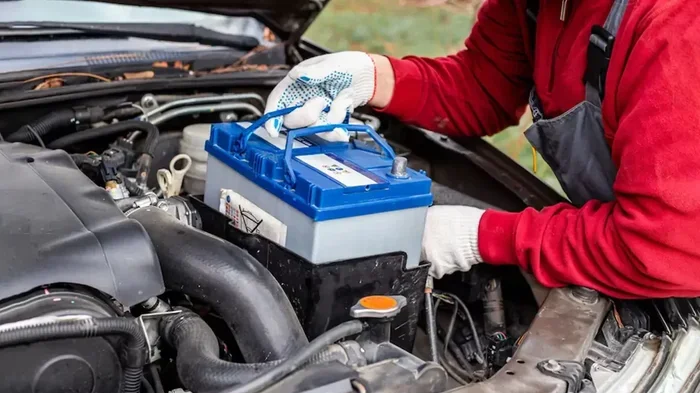
Yes, absolutely. A weak or dead car battery can prevent the electronic fuel door release from working. This is one of the most common reasons a fuel door suddenly stops responding. If your battery is old or has been acting up, replacing it might solve the fuel door problem at the same time.
Is it safe to pry open a fuel door with a screwdriver?
It can be safe if you are very gentle and use the right tools. A plastic trim removal tool is safer than a metal screwdriver because it is less likely to scratch or damage the paint. Always work slowly and avoid applying too much force. If the door does not budge with gentle pressure, stop and try a different method or call a professional.
How do I find the manual fuel door release on my specific car model?
The best place to start is your owner’s manual. It will have a diagram showing the exact location of the manual release for your car. You can also search online for your specific make, model, and year along with “manual fuel door release location.” Many car forums and YouTube videos demonstrate the process for popular models.
What should I do if the fuel door opens but the fuel cap is stuck?
A stuck fuel cap is a different problem but just as frustrating. Try turning the cap counterclockwise slowly. If it will not move, a small amount of penetrating oil spray around the cap edges can help break it free. Never use excessive force on a fuel cap, as it can damage the fuel system. If the cap is stripped or broken, it will need to be replaced entirely.