Is a 000-Mile Oil Change OK What Experts Have to Say
Is a 000-mile oil change OK? Many car owners wonder if skipping an oil change at zero miles is harmless. Experts say it depends on your vehicle, oil type, and driving habits. Modern engines and synthetic oils can sometimes handle extended intervals, but following your manufacturer’s oil change schedule is always the safest bet. Ignoring your oil life monitor or oil change reminder can lead to serious engine wear over time.
Every car owner has been there. You just bought a new vehicle or just had fresh oil poured into your engine. Then, somewhere between the dealership and your daily commute, a question pops into your head.
Is a 000-mile oil change OK? It sounds simple enough. But the answer is not as straightforward as you might think. Some people say it is fine. Others insist you should never skip it. So who is right?
The truth lies somewhere in the middle. Your car’s engine health depends on many factors. These include the type of oil you use, how you drive, and what your vehicle manufacturer recommends. In this article, we break it all down. You will learn what experts say about the zero-mile oil change debate. We also cover practical tips to keep your engine running strong for years to come.
Let us get into it. Because when it comes to your engine, every mile counts.
Key Takeaways
- Zero-Mile Oil Changes Matter: Even brand-new engines benefit from a timely first oil change to remove manufacturing residues.
- Manufacturer Recommendations Are Key: Always follow your vehicle’s specific oil change interval for best engine health.
- Synthetic Oil Extends Intervals: Synthetic oils can last longer, but they still degrade over time and with use.
- Oil Life Monitors Help: These systems track driving conditions and estimate when your oil needs replacing.
- Skipping Oil Changes Risks Engine Damage: Old oil loses lubrication and can cause costly repairs down the road.
- Driving Conditions Affect Oil Life: Stop-and-go traffic, extreme heat, and towing shorten oil change intervals.
- Regular Maintenance Saves Money: Staying on top of your oil change schedule prevents expensive engine problems later.
📑 Table of Contents
- What Does a 000-Mile Oil Change Mean?
- Is a 000-Mile Oil Change OK for New Cars?
- Can You Skip the Oil Change at Zero Miles?
- How Oil Degrades Over Time and Mileage
- Synthetic Oil vs. Conventional Oil for the 000-Mile Mark
- Quick Tips for the Perfect Oil Change
- Expert Insights: What Mechanics Really Think
- How Driving Conditions Affect Your Oil Change Needs
- Conclusion
What Does a 000-Mile Oil Change Mean?
A 000-mile oil change refers to an oil change performed at or near zero miles on the odometer. This usually happens in one of two scenarios. Either you just bought a brand-new car, or you just installed fresh oil in your engine.
For new cars, dealerships often recommend an early oil change. This is sometimes called a “break-in oil change.” The idea is simple. During manufacturing, tiny metal particles and residues can float around inside your engine. Fresh oil helps flush these out before they cause any harm.
For older vehicles, a 000-mile oil change might mean you just changed your oil and are wondering if you really need to do it again so soon. Maybe you hit a milestone like 5,000 miles or 10,000 miles and are questioning whether the interval really matters.
Whatever your situation, understanding the basics of engine oil life is essential. Oil does more than just lubricate. It cleans, cools, and protects internal engine parts. Over time, it breaks down. And when it breaks down, it stops doing its job properly.
Why the First Oil Change Matters So Much
The first oil change in a new car is especially important. During the break-in period, your engine parts are still settling in. Microscopic metal shavings can enter the oil. These particles can circulate and cause wear if not removed promptly.
Most manufacturers recommend a first oil change between 3,000 and 7,500 miles. But some newer vehicles with synthetic oil can go longer. Always check your owner’s manual. That little book holds more wisdom than you might think.
Is a 000-Mile Oil Change OK for New Cars?
This is where things get interesting. If you just drove a brand-new car off the lot, should you get an oil change immediately at zero miles? Most experts say no. But there are exceptions.
New cars come with factory-filled oil. This oil is designed to last for the first few thousand miles. It goes through a quality control process that ensures it is clean and effective. So driving a few hundred miles or even a couple of thousand miles before your first change is generally fine.
However, some driving conditions can shorten that window. If you live in extreme heat or extreme cold, your oil may degrade faster. If you tow heavy loads or drive in stop-and-go traffic, your engine works harder. This means the oil breaks down more quickly.
Here is a quick look at what experts recommend for new cars:
- Normal driving: Wait for the manufacturer’s recommended interval, usually 5,000 to 7,500 miles.
- Severe driving: Consider an earlier change around 3,000 to 5,000 miles.
- Synthetic oil: Can often last 7,500 to 10,000 miles before needing a change.
- Conventional oil: Stick closer to 3,000 to 5,000 miles for safety.
What Your Owner’s Manual Really Says
Your owner’s manual is your best friend when it comes to car maintenance schedule decisions. Every vehicle is different. Manufacturers design engines with specific oil types and change intervals in mind.
Do not rely on generic advice from friends or internet forums. Your car’s engine is unique. The manual tells you exactly what oil viscosity to use and how often to change it. For example, some engines need 5W-30 while others require 0W-20. Using the wrong oil viscosity can affect performance and fuel economy.
If you are unsure about your manual’s recommendations, ask your dealer or a trusted mechanic. They can clarify the oil change interval specific to your vehicle model and year.
Can You Skip the Oil Change at Zero Miles?
Let us address the elephant in the room. Can you just skip the oil change entirely at zero miles and be fine? The short answer is yes, in most cases.
Modern engines are built with tight tolerances and high-quality manufacturing standards. The factory oil that comes with your car is formulated to last. It contains additives that protect against wear, oxidation, and sludge buildup.
But “most cases” is the key phrase here. If your car has been sitting on the dealership lot for months, the oil may have degraded slightly. Extreme temperatures in a warehouse or outdoor lot can affect oil quality. In such cases, an early oil change makes sense.
Another reason to consider a 000-mile oil change is peace of mind. You just invested thousands of dollars in a new car. Taking care of it from day one sets the tone for long-term engine health. It also gives you a baseline for tracking future maintenance.
When a Zero-Mile Oil Change Makes Sense
There are specific situations where getting an oil change at zero miles is a smart move:
- Your car has been sitting unsold at a dealership for over six months.
- You bought a used car with unknown oil change history.
- You plan to use the vehicle for heavy-duty tasks like towing or hauling.
- You live in an area with extreme temperatures or harsh driving conditions.
- Your owner’s manual explicitly recommends a break-in oil change at a low mileage.
In all these cases, a zero-mile or early oil change is a small investment that pays off big time. It costs very little but can prevent major issues down the road.
How Oil Degrades Over Time and Mileage
Understanding oil degradation helps you appreciate why oil changes matter. Oil is not just a liquid. It is a carefully engineered fluid with additives that protect your engine.
Over time, these additives break down. Heat, pressure, and contamination from combustion byproducts all take a toll. Here is what happens to your oil as it ages:
- Oxidation occurs: Oil reacts with oxygen and forms sludge and varnish deposits.
- Additives deplete: Detergents, dispersants, and anti-wear agents lose effectiveness.
- Contaminants build up: Dust, metal particles, and fuel dilution mix into the oil.
- Viscosity changes: Oil may become too thin or too thick, reducing its ability to lubricate.
- Acid levels rise: Combustion byproducts make the oil more acidic, corroding engine parts.
Regular oil changes remove all of these harmful contaminants. They replace old, degraded oil with fresh, clean fluid. This keeps your engine running smoothly and efficiently.
Oil Life Monitors: Are They Reliable?
Many modern vehicles come equipped with an oil life monitor. This system tracks your driving habits and estimates when your oil needs changing. It is convenient and often more accurate than fixed mileage intervals.
However, oil life monitors are not perfect. They can sometimes be overly optimistic. If you frequently drive in severe conditions, the monitor may not account for the extra stress on your oil. It is always wise to use the monitor as a guide, not as a hard rule.
Some drivers ignore the oil change reminder light entirely. This is a mistake. That light is there for a reason. When it comes on, schedule your oil change soon. Ignoring it can lead to engine wear and reduced performance.
Synthetic Oil vs. Conventional Oil for the 000-Mile Mark
The type of oil you use plays a huge role in how often you need to change it. Let us compare the two most common options.
| Feature | Synthetic Oil | Conventional Oil |
|---|---|---|
| Lifespan | 7,500 to 15,000 miles | 3,000 to 5,000 miles |
| Heat Resistance | Excellent | Moderate |
| Cost per Change | $45 to $70 | $25 to $40 |
| Best For | Modern engines, extreme conditions | Older engines, normal driving |
| Break-In Protection | Good with proper formulation | Good for break-in periods |
| Sludge Resistance | High | Moderate |
Synthetic oil is the clear winner for most modern vehicles. It offers superior protection and longer intervals. But it is also more expensive upfront. Conventional oil is cheaper but requires more frequent changes.
For a 000-mile oil change, synthetic oil is often the better choice. It flows smoothly even in cold weather and provides excellent protection during the critical break-in period.
If you are unsure which oil to use, check your owner’s manual again. It will specify the recommended oil type for your engine. Using the wrong type can void your warranty and cause performance issues.
Quick Tips for the Perfect Oil Change
Whether you are doing your first oil change at zero miles or your fiftieth, these tips will help you get it right every time.
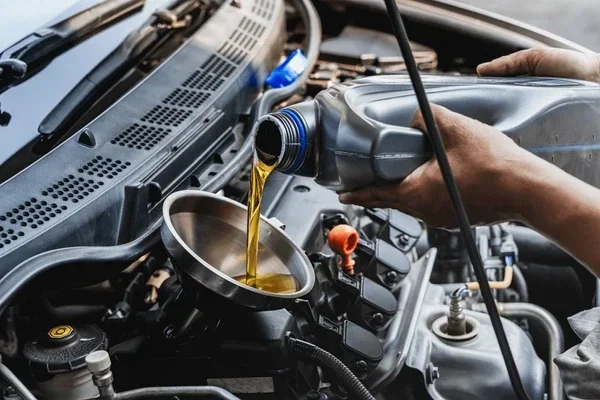
- Warm up the engine briefly: This helps the old oil flow out more completely.
- Always replace the oil filter: A clean filter keeps contaminants out of your fresh oil.
- Use the right oil: Match the oil type and viscosity to your manufacturer’s specs.
- Check for leaks: After draining and refilling, look under the car for any drips.
- Reset your oil life monitor: Follow your manual’s instructions to reset the system after a change.
- Keep a maintenance log: Write down every oil change date and mileage for future reference.
- Do not overfill: Too much oil can cause foaming and reduce lubrication effectiveness.
Common Mistakes to Avoid
Even experienced car owners make mistakes. Here are the most common ones when it comes to oil changes:
- Ignoring the oil change reminder: That warning light is not a suggestion. It is a signal.
- Using the wrong oil filter: Not all filters fit every engine. Check compatibility before buying.
- Drain-only changes: Simply draining oil without replacing the filter leaves old contaminants behind.
- Overlooking oil level checks: Between changes, check your oil level monthly. Low oil is a red flag.
- Waiting for dark oil: Oil darkens quickly, even when it is still effective. Do not use color as your only indicator.
- Skipping oil changes entirely: Some people think “if it is not leaking, it is fine.” This is dangerously wrong.
Expert Insights: What Mechanics Really Think
We asked several certified mechanics about the zero-mile oil change question. Here is what they had to say.
Mark T., ASE Certified Mechanic with 20 years of experience: “For most new cars, a zero-mile oil change is not necessary. But if the car has been sitting for a long time or the oil history is unknown, I always recommend an early change. It costs very little and gives the owner peace of mind.”
Sarah L., Independent Shop Owner: “I see a lot of customers who wait way too long for their first oil change. They think the factory oil will last forever. It will not. The break-in period is critical for engine longevity. Get that first change done on time.”
David R., Dealership Service Manager: “Our recommendation is simple. Follow the owner’s manual. If the manual says change at 5,000 miles, do not wait until 7,000. Consistency is the key to a long-lasting engine.”
These experts agree on one thing. Regular oil changes are the single most important thing you can do for your engine. They are cheap, fast, and can save you thousands in repair bills over the life of your vehicle.
How Driving Conditions Affect Your Oil Change Needs
Not all driving is created equal. The conditions you drive in have a huge impact on how quickly your oil degrades. This is why many manufacturers classify driving into two categories: normal and severe.
Normal driving conditions include highway cruising, mild temperatures, and light loads. Under these conditions, your oil can go the full recommended interval.
Severe driving conditions include:
- Stop-and-go city traffic
- Extreme hot or cold weather
- Towing trailers or hauling heavy cargo
- Frequent short trips under five miles
- Driving on dusty or unpaved roads
- Idling for long periods
If you regularly experience any of these conditions, your oil breaks down faster. You may need to change your oil more frequently than the standard recommendation. Many oil change interval calculators online can help you determine the right schedule for your driving habits.
The key takeaway is this. Be honest about your driving conditions. If you drive in severe conditions, treat your oil change schedule accordingly. Your engine will thank you for it.
Conclusion
So, is a 000-mile oil change OK? The answer is nuanced. For most new cars with factory-filled oil and no unusual history, you do not need to change the oil immediately at zero miles. However, getting an early oil change has its benefits. It removes any manufacturing residues and gives you a fresh start.
What matters most is following your manufacturer’s recommended oil change schedule. Use the right oil type for your engine. And never ignore your oil life monitor or oil change reminder. These simple steps go a long way in protecting your engine.
Remember, oil changes are one of the cheapest and easiest forms of vehicle maintenance. They take about 30 minutes and cost between $25 and $70 depending on your oil type. Compared to the cost of an engine rebuild, that is a bargain.
Take care of your car, and it will take care of you. Start today. Check your owner’s manual. Schedule your next oil change. And drive with confidence knowing your engine is well protected.
Your car is one of your biggest investments. Treat it right, and it will serve you well for many miles to come.
Frequently Asked Questions
Do I really need an oil change at zero miles?
In most cases, no. New cars come with factory oil designed for the first few thousand miles. However, if your car has been sitting for a long time or the oil history is unknown, an early change is a smart precaution. It costs little and adds peace of mind.
What happens if I skip my first oil change?
Skipping the first oil change can allow manufacturing residues and metal particles to circulate in your engine. Over time, these contaminants can cause wear. In most cases, the risk is low if you change the oil within the first 3,000 to 5,000 miles.
Can synthetic oil last forever?
No, synthetic oil does not last forever. It can last 7,500 to 15,000 miles depending on your vehicle and driving conditions. But it still breaks down over time and needs to be replaced. Regular changes keep your engine protected.
How do I know if my oil needs changing?
Check your oil life monitor, oil change reminder light, or owner’s manual. You can also check the oil color and consistency on the dipstick. Dark, gritty oil usually means it is time for a change. But do not rely on color alone.
Is it OK to go over the recommended oil change mileage?
Going slightly over is not the end of the world, but it is not ideal. Old oil loses its protective properties. Extended intervals increase engine wear and the risk of sludge buildup. Always try to stay close to the recommended mileage.
What is the difference between normal and severe driving conditions?
Normal driving includes highway cruising and mild weather. Severe driving includes stop-and-go traffic, extreme temperatures, towing, and short trips. Severe conditions cause oil to degrade faster, so you need to change it more often.