How to Refill Car Wiper Fluid in Just a Few Minutes
Refilling your car wiper fluid is one of the easiest and most important maintenance tasks you can do. It takes just a few minutes and costs very little. This guide walks you through everything from finding the reservoir to choosing the right fluid for your needs.
There are few things in car maintenance as simple and satisfying as refilling your car wiper fluid. It is one of those small tasks that often gets overlooked until you are sitting in your car, smearing dirt across your windshield with a squeaky wiper blade. The good news is that it takes just a few minutes, costs very little, and can make a huge difference in how safely you drive.
Whether you are a complete beginner who has never opened the hood or a seasoned driver looking for a quick refresher, this guide covers everything you need to know. We will walk you through each step in plain language, share tips to avoid common mistakes, and explain how to choose the right fluid for every season. By the end, you will feel confident tackling this task on your own.
Keeping your windshield washer fluid topped up is part of basic car maintenance. It is not glamorous, but it is essential. A clean windshield means clear visibility, and clear visibility means safer driving. Let us get into it.
Key Takeaways
- Quick and Easy: Refilling wiper fluid takes only 5 to 10 minutes and requires no special tools.
- Saves Money: Doing it yourself costs a fraction of what a mechanic would charge.
- Safety First: Clean wipers mean clear visibility, which keeps you safe on the road.
- Right Fluid Matters: Different seasons need different types of washer fluid for best results.
- No Special Skills Needed: Anyone can do it, even if you have never opened the hood before.
- Check Regularly: Make it a habit to check your fluid level every time you fill up gas.
- Prevent Damage: Running low on fluid can cause wear on your wiper system over time.
📑 Table of Contents
- Why Wiper Fluid Matters More Than You Think
- What You Need Before You Start
- Step-by-Step Guide to Refilling Wiper Fluid
- Common Mistakes to Avoid When Refilling Wiper Fluid
- How Often Should You Refill Wiper Fluid?
- Can You Refill Wiper Fluid Yourself or Should You Visit a Mechanic?
- Quick Tips for Keeping Your Wiper System in Top Shape
- Final Thoughts
Why Wiper Fluid Matters More Than You Think
Many people treat wiper fluid as an afterthought. They only think about it when the windshield is already covered in bugs, mud, or road grime. But wiper fluid does more than just clean your windshield. It plays a role in keeping your entire wiper system working smoothly.
When you use washer fluid, it sprays onto the glass at high pressure. This helps loosen dirt and debris before the wipers sweep it away. Without enough fluid, the wipers end up dragging dry across the glass. Over time, this can cause streaking, scratching, and even damage to the wiper blades themselves.
Here are a few reasons why keeping your fluid reservoir full should be a priority:
- Clear Visibility: A dirty windshield is one of the leading causes of poor visibility while driving.
- Wiper Blade Longevity: Running wipers dry wears them out faster, and replacing blades costs more than fluid.
- Bug and Grime Removal: Summer driving often means dealing with bugs and tar that stick to the windshield.
- Winter Safety: Winter washer fluid helps melt ice and snow, keeping your view clear in cold weather.
- Road Salt and Dirt: In winter and spring, roads are covered in salt, mud, and debris that constantly dirty your windshield.
Think of wiper fluid as a small investment in your safety. A few dollars’ worth of fluid can prevent costly repairs and keep you driving confidently in all conditions.
What You Need Before You Start
Before you pop the hood, gather a few items. The good news is that you do not need any special tools or mechanical skills. Here is a simple checklist of everything you will need to refill your car wiper fluid:
- Windshield washer fluid: You can buy this at any auto parts store, gas station, or big box retailer. Choose the type that matches the season (more on this below).
- A funnel: This makes pouring much easier and prevents spills. A small, flexible funnel works best.
- A clean cloth or paper towel: For wiping up any spills around the reservoir.
- Gloves (optional): Washer fluid can be messy, so gloves keep your hands clean.
That is it. You do not need ramps, jack stands, or any fancy equipment. Everything you need fits in a single trip to the store or even the checkout aisle at your local gas station.
Choosing the Right Wiper Fluid
Not all wiper fluids are the same, and picking the right one matters more than most people realize. The fluid you choose should match the current season and your driving conditions.
Here is a quick breakdown of the main types:
- All-Season Washer Fluid: This is the most common type. It works well in moderate temperatures and handles light rain, dust, and everyday grime.
- Winter Formula: This fluid contains methanol or ethylene glycol, which lowers the freezing point. It is essential for cold climates where temperatures drop below freezing.
- Summer Formula: Designed to handle bugs, tree sap, and heavy road grime. It often has a stronger cleaning solution.
- Water-Repellent Formula: This type includes a rain-repellent additive that helps water bead up and roll off the windshield.
Avoid filling the reservoir with plain water. Water does not clean as effectively and can freeze in cold weather, cracking the reservoir or hoses. It can also promote mold and bacteria growth inside the system.
Step-by-Step Guide to Refilling Wiper Fluid
Now for the part you have been waiting for. Follow these simple steps, and you will have your wiper fluid topped up in no time. The entire process takes about five to ten minutes.
Step 1: Park on a Level Surface and Turn Off the Engine
Find a flat, level surface to park your car. Turn off the engine and let the car cool down if you have been driving. This ensures safety and prevents any accidental burns from hot engine parts. Engage the parking brake so the car does not move while you are working.
Make sure you are in a well-lit area if you are doing this in the evening or early morning. Good lighting helps you see the engine bay clearly and avoid any mistakes.
Step 2: Open the Hood
Go to the driver’s side and locate the hood release lever. It is usually found under the dashboard on the left side of the steering column. Pull it, then go to the front of the car and lift the hood. Use the hood prop rod to secure it in place.
Take a moment to familiarize yourself with the engine bay. You do not need to touch anything except the washer fluid reservoir. If you are unsure about anything, refer to your car’s owner manual.
Step 3: Locate the Wiper Fluid Reservoir
The washer fluid reservoir is usually a white or translucent plastic tank with a blue or black cap. The cap often has a windshield wiper symbol on it, making it easy to identify. On most cars, the reservoir is located near the front of the engine bay, close to the base of the windshield.
Sometimes the reservoir can be tricky to find, especially in newer cars with tight engine compartments. If you cannot locate it, check your owner’s manual. It will have a clear diagram showing the exact position of the wiper fluid reservoir in your specific vehicle.
Step 4: Check the Current Fluid Level
Before you add any fluid, check how much is already in the tank. Many reservoirs have minimum and maximum level markers on the side. If the fluid is below the minimum line, it is time to refill. If it is between the minimum and maximum, you can top it off or wait until it gets lower.
It is a good habit to check the fluid level every time you fill up your gas tank. This way, you will never let it run too low. Also, keep in mind that how many gallons is my car tank for washer fluid is usually quite small, so even a partial refill can go a long way.
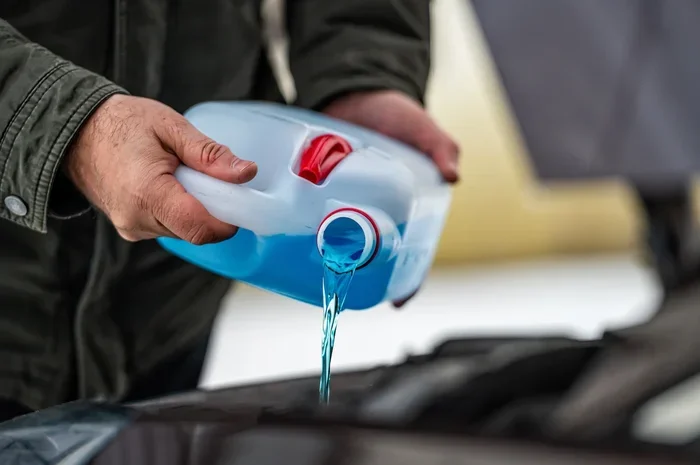
Step 5: Pour in the Washer Fluid
Place your funnel into the opening of the reservoir. This prevents spills and ensures the fluid goes directly into the tank. Slowly pour the washer fluid until it reaches the maximum fill line. Do not overfill, as the fluid can expand in warm weather and cause leaks.
If you do not have a funnel, pour carefully and slowly. Use a cloth to wipe up any spills right away. Washer fluid can leave residue on your car’s paint if left too long, so clean it up quickly.
Step 6: Replace the Cap and Test the System
Remove the funnel and securely replace the cap on the reservoir. Make sure it clicks or twists into place. Then, go back into the car and start the engine. Turn on the windshield wipers and spray the washer fluid to make sure everything is working properly.
You should hear the fluid spraying onto the windshield and see it clean away. If the spray is weak or there is no fluid coming out, check that the reservoir cap is fully seated and the fluid level is above the pump intake. Sometimes air gets into the lines, and a few more pumps will clear it out.
Common Mistakes to Avoid When Refilling Wiper Fluid
Refilling wiper fluid is simple, but there are a few mistakes that people make. Avoiding these will save you time, money, and potential headaches.
- Using Plain Water: As mentioned earlier, water freezes in cold weather and does not clean as well as proper washer fluid. Always use dedicated windshield washer fluid.
- Overfilling the Reservoir: Fluid expands when it gets warm. Overfilling can cause it to leak out, creating a mess under your hood and potentially staining your paint.
- Using the Wrong Fluid for the Season: Using summer fluid in winter can lead to freezing, which cracks the reservoir and blocks the hoses. Always match your fluid to the current season.
- Ignoring Leaks: If you notice the fluid level dropping quickly, you might have a leak. Check the hoses and connections around the reservoir for cracks or loose fittings.
- Forgetting to Check the Wipers Themselves: Refilling fluid is a great time to inspect your wiper blades. If they are cracked, worn, or leaving streaks, it is time to replace them.
These small mistakes are easy to avoid with a little attention. Taking a few extra seconds to do things right will keep your wiper system in great shape for years to come.
How Often Should You Refill Wiper Fluid?
There is no set schedule for refilling wiper fluid. It depends on how often you drive, the weather conditions, and how dirty the roads are. However, here are some general guidelines to help you stay on track:
- After Long Drives: If you have just completed a long road trip, check the fluid level. Highway driving kicks up a lot of road grime and bugs.
- Seasonal Changes: Switch to winter formula when temperatures drop. Winter driving uses up fluid faster because of snow, ice, and road salt.
- After Dirty Conditions: If you have been driving on muddy or dusty roads, the fluid level may have dropped significantly.
- During Regular Maintenance: Make it a habit to check the fluid every time you fill up the gas tank or perform other routine maintenance like checking your how many gallons is my car tank for fuel.
Some drivers find that they need to refill every two to four weeks during heavy-use seasons like winter and summer. Others may only need to refill once a month. The key is to stay aware and top up whenever the level drops below the minimum marker.
Can You Refill Wiper Fluid Yourself or Should You Visit a Mechanic?
The short answer is yes, you can absolutely do it yourself. In fact, it is one of the easiest car maintenance tasks you can handle at home. You do not need to visit a mechanic or pay for a service appointment just to top up your washer fluid.
That said, there are situations where a mechanic might be helpful. If you notice a leak in the reservoir or hoses, a professional can inspect and repair it. If the washer fluid pump stops working, that requires diagnostic work that goes beyond a simple refill. But for routine refilling, you are better off doing it yourself. It saves time and money, and it gives you a better understanding of your vehicle.
Think of it this way. When you know how to handle basic tasks like how long does a factory take to build a car or how to change your own oil, you become a more informed and confident car owner. The same applies to refilling wiper fluid. Every small task you handle yourself builds your knowledge and reduces your dependence on costly service visits.
Quick Tips for Keeping Your Wiper System in Top Shape
Refilling the fluid is just one part of wiper system maintenance. Here are a few extra tips to keep everything working at its best:
- Clean the Windshield Regularly: A clean windshield reduces the strain on your wiper blades and keeps the fluid system working efficiently.
- Replace Wiper Blades Every 6 to 12 Months: Worn blades do not clean well, even with fresh fluid. Replace them on a regular schedule.
- Run the Wipers Before Each Use: This clears any loose debris and prevents the blades from scraping dry glass.
- Keep the Reservoir Cap Tight: A loose cap can let dirt and debris enter the system, clogging the lines and pump.
- Use Fluid, Not Home Remedies: Avoid mixing your own solutions with water or soap. Dedicated washer fluid is formulated to clean effectively and protect the system.
These simple habits will extend the life of your wiper system and keep your windshield crystal clear in all driving conditions.
Final Thoughts
Refilling car wiper fluid is one of the simplest and most impactful maintenance tasks you can do. It takes just a few minutes, costs very little, and directly contributes to your safety on the road. Whether you are dealing with summer bugs, winter snow, or everyday dust, keeping your washer fluid full ensures your windshield stays clean and your view stays clear.
Make it a habit. Check your fluid level regularly, use the right type of fluid for the season, and never let the reservoir run too low. Your future self, driving safely through a rainstorm or a dusty highway, will thank you. With the steps outlined in this guide, you have everything you need to handle this task confidently and independently. So go ahead, grab a bottle of washer fluid, and give your car the quick care it deserves.
Frequently Asked Questions
Can I use water instead of windshield washer fluid?
You can, but it is not recommended. Water does not clean as well, freezes in cold weather, and can promote mold growth in the system. Dedicated washer fluid is formulated to handle dirt, grime, and temperature changes safely.
How do I know if my wiper fluid reservoir is empty?
Most reservoirs have minimum and maximum markers on the side. You can also check by opening the hood and looking at the fluid level through the translucent plastic tank. If the level is below the minimum line, it is time to refill.
What happens if I run out of wiper fluid?
Running out will not damage your car immediately, but it does reduce your visibility. Without fluid, the wipers drag dry across the glass, which can cause streaking and premature wear on the wiper blades.
Can I mix different types of wiper fluid?
It is best to avoid mixing different formulas. Summer and winter fluids have different chemical compositions. Mixing them can reduce the effectiveness of both. Drain the old fluid completely before switching to a different type.
Is it safe to refill wiper fluid on a hot day?
Yes, it is safe. Just make sure the engine is off and has cooled down slightly. Washer fluid can be warm to the touch on hot days, but it is not dangerous. Pour slowly and use a funnel to avoid spills.
How much does wiper fluid cost?
A gallon of windshield washer fluid typically costs between $1 and $5, depending on the brand and type. A single bottle from a gas station or auto parts store is usually enough for several refills, making it one of the cheapest car maintenance items you can buy.