Does the Ignition Switch Lock Your Steering Wheel
Yes, the ignition switch locks the steering wheel as part of your car’s anti-theft system. When you turn the key to the OFF position and remove it, the steering column lock engages automatically. This steering wheel lock mechanism prevents thieves from driving your vehicle away. Understanding how this system works helps you troubleshoot problems and avoid common mistakes that can leave you stranded.
Have you ever turned off your car, pulled out the key, and found that your steering wheel suddenly won’t move? It can be a scary moment, especially if you’ve never experienced it before. The good news is that this is completely normal. The ignition switch locks the steering wheel as a built-in security feature designed to protect your vehicle from theft.
But how exactly does this work? Is it always a good thing? And what should you do if the steering lock gets stuck? In this guide, we will walk you through everything you need to know about the relationship between your ignition switch and your steering wheel lock. We will cover how the system works, common problems, how to fix them, and tips to prevent issues down the road.
Whether you are a new car owner or have been driving for years, understanding your vehicle’s steering lock mechanism is essential. It keeps your car safe and saves you from unnecessary trips to the mechanic. Let us dive right in.
Key Takeaways
- The ignition switch activates the steering wheel lock: Removing the key from the ignition triggers the lock mechanism in the steering column.
- The steering column lock is an anti-theft feature: It physically prevents the steering wheel from turning, making the car undrivable without the key.
- A faulty ignition switch can cause steering lock problems: Issues like a stuck key or jammed lock cylinder may indicate a failing switch.
- You can unlock a locked steering wheel easily: Gently wiggle the wheel while turning the key to release the lock.
- Ignition switch failure signs include vibration and stiffness: Watch for warning signals that your ignition switch repair may be needed.
- Regular maintenance prevents lock issues: Keeping your ignition clean and using the correct key reduces wear and tear.
📑 Table of Contents
- What Is an Ignition Switch and How Does It Work?
- How the Steering Wheel Lock Engages
- Common Problems with the Ignition Switch and Steering Lock
- Can a Faulty Ignition Switch Cause Steering Lock Issues?
- How to Unlock a Steering Wheel Locked by the Ignition
- Preventing Ignition Switch and Steering Lock Problems
- Expert Insights on Ignition Switches and Steering Locks
- Key Takeaways
- Frequently Asked Questions
- Conclusion
What Is an Ignition Switch and How Does It Work?
The ignition switch is one of the most important components in your vehicle. It controls the electrical systems that start your engine and power your accessories. When you insert your key and turn it, the ignition switch sends signals to different parts of your car. These signals activate everything from the starter motor to the fuel pump.
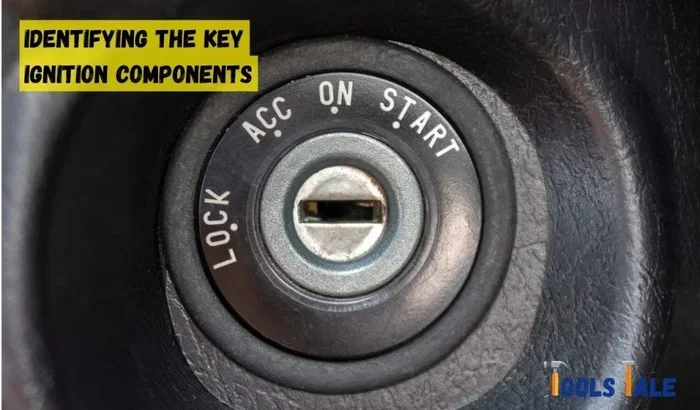
Most modern cars have an ignition switch with several positions:
- LOCK: The key can be removed. The steering wheel locks in place.
- ACC (Accessory): Powers accessories like the radio and lights without starting the engine.
- ON: All electrical systems are active. The key stays in the switch.
- START: Engages the starter motor to crank the engine.
Each position serves a specific purpose. The LOCK position is where the steering wheel lock engages. When the key is out of the ignition, the lock cylinder in the steering column prevents the wheel from rotating. This is your car’s first line of defense against theft.
Some vehicles use a push-button start instead of a traditional key. In these cars, the ignition switch works electronically. However, the steering wheel lock still functions the same way. The system detects when the engine is off and the driver’s door is opened, and it automatically engages the lock.
How the Ignition Switch Connects to the Steering Column
The ignition switch is mounted on the steering column, right behind the lock cylinder. When you remove the key, a small pin or lever inside the steering column drops into place. This pin physically blocks the steering wheel from turning. It is a simple but effective mechanical design that has been used in cars for decades.
The connection between the ignition switch and the steering lock is direct. If the ignition switch malfunctions, it can affect how the steering lock operates. For example, a worn-out switch may not fully engage the lock, leaving your vehicle vulnerable. On the other hand, a switch that sticks in the LOCK position can make it impossible to remove the key or unlock the steering wheel.
How the Steering Wheel Lock Engages
The steering wheel lock is a simple but clever device. It is designed to immobilize your vehicle when the ignition is off. Here is how the process works step by step:
- You turn the key to the LOCK position.
- You remove the key from the ignition.
- The lock pin inside the steering column drops into the steering rack.
- The steering wheel becomes rigid and cannot turn.
- The vehicle cannot be driven without the key.
This entire process happens in seconds. Most drivers never even notice it occurring. But if you try to turn the steering wheel after removing the key, you will feel immediate resistance. That resistance is the lock pin blocking the steering column.
The steering wheel lock serves two main purposes. First, it deters thieves from hot-wiring your car. Second, it acts as a parking brake for the steering system. When your car is parked, the lock prevents the wheels from turning due to gravity or accidental bumps.
Why Does the Steering Wheel Lock When You Turn Off the Engine?
The steering wheel lock engages automatically every time you turn off the engine and remove the key. This is not a malfunction. It is a safety feature. Car manufacturers have included this mechanism since the 1970s as a standard anti-theft measure.
Without the steering lock, a thief could simply get into your parked car and steer it away. The lock makes it physically impossible to steer the vehicle without the key. Even if someone manages to start the engine by bypassing the ignition, they still cannot control the direction of the wheels.
Some drivers worry that the steering lock damages their vehicle. Rest assured, it does not. The lock is designed to handle repeated engagement and disengagement thousands of times over the life of the car. However, forcing the steering wheel while the lock is engaged can cause damage. We will cover this in more detail later.
Common Problems with the Ignition Switch and Steering Lock
While the ignition switch and steering lock system is reliable, it is not immune to problems. Over time, wear and tear can cause a variety of issues. Understanding these problems helps you address them before they become serious.
Stuck Key in the Ignition
One of the most common issues is a key that gets stuck in the ignition switch. This usually happens when the steering lock is engaged and the key is trapped. The lock pin holds the key in place until you properly unlock the steering wheel.
If your key is stuck, do not force it. Pulling too hard can break the key inside the lock cylinder. Instead, gently wiggle the steering wheel left and right while turning the key. This releases the lock pin and allows the key to come out smoothly.
Steering Wheel Won’t Unlock
Sometimes the steering wheel stays locked even after you insert the key and turn it. This can happen if the lock pin is stuck or if the ignition switch is not aligned properly. In most cases, wiggling the steering wheel while turning the key solves the problem.
If the wheel still won’t budge, the lock cylinder may be damaged. Dirt, debris, or corrosion can build up inside the cylinder over time. This prevents the pin from moving freely. A quick cleaning with electrical contact cleaner can often fix this issue.
Ignition Switch Sticking Between Positions
A worn ignition switch may stick between positions. You might notice that the switch feels loose or does not click firmly into each position. This can cause intermittent problems with your electrical systems and the steering lock.
If your ignition switch repair is needed, a mechanic can replace the switch relatively quickly. The cost is usually reasonable, especially compared to the hassle of dealing with a faulty switch every day.
Steering Lock Engages While Driving
Although rare, the steering lock can sometimes engage while the vehicle is still moving. This is a serious safety concern. If this happens, hold the steering wheel firmly and pull over safely. Do not try to force the wheel against the lock.
This problem is usually caused by a complete ignition switch failure. The switch may lose power while driving, which triggers the lock mechanism. If you experience this, have your vehicle inspected immediately. You can also check if does disconnecting battery reset codes is something you should try, as electrical glitches can sometimes be resolved by resetting the car’s computer system.
Vibration and Stiffness in the Steering Column
If you feel unusual vibration or stiffness when turning the key, the ignition switch or lock cylinder may be wearing out. These sensations are early warning signs that should not be ignored. Addressing them early can prevent a complete failure.
Some drivers also notice that the steering lock feels different after a bad battery replacement. A weak or improperly connected battery can affect the electrical signals that control the lock mechanism. If you notice changes after a battery swap, check your connections and consider whether can a bad battery cause the wrench light to come on or other electrical warning signs.
Can a Faulty Ignition Switch Cause Steering Lock Issues?
The short answer is yes. A faulty ignition switch can cause a range of steering lock problems. The ignition switch controls the electrical signals that tell the steering lock when to engage and disengage. If the switch fails, these signals can be interrupted or sent at the wrong time.
Here are some specific ways a bad ignition switch affects the steering lock:
- Delayed engagement: The steering lock takes longer than usual to engage after removing the key.
- Partial engagement: The lock does not fully activate, leaving the steering wheel slightly movable.
- False engagement: The lock engages even when the key is still in the ignition.
- Failure to disengage: The lock stays engaged even after you insert the key and turn it to the ON position.
Each of these problems creates a different type of frustration. A lock that engages too early can jam your steering wheel while you are trying to park. A lock that fails to disengage can leave you unable to drive.
If you suspect your ignition switch is faulty, it is important to get it checked as soon as possible. Driving with a malfunctioning switch can be dangerous. The steering lock could engage unexpectedly, causing you to lose control of the vehicle.
How to Diagnose an Ignition Switch Problem
Diagnosing an ignition switch problem is relatively straightforward. Start by checking the basic symptoms. Does the key turn smoothly? Does the steering lock engage and disengage properly? Are your electrical accessories working correctly?
You can also check for warning signs like flickering dashboard lights or a key that is hard to remove. These symptoms often point to a failing ignition switch. If you are unsure, a professional mechanic can test the switch with specialized equipment.
Some drivers try to troubleshoot electrical issues by does disconnecting battery reset codes, which can sometimes clear temporary glitches. However, this approach does not fix a physically worn ignition switch. For persistent problems, always seek professional help.
How to Unlock a Steering Wheel Locked by the Ignition
Unlocking a steering wheel locked by the ignition is simple once you know the technique. Most drivers encounter this situation at least once, and it is easy to resolve with the right approach.
Follow these steps to unlock your steering wheel:
- Insert the key into the ignition switch.
- Gently wiggle the steering wheel left and right. You should feel some give.
- While wiggling the wheel, turn the key to the ACC or ON position.
- The lock pin will release, and the steering wheel will move freely.
- Start the engine as normal.
The key is to apply gentle pressure to the steering wheel while turning the key. Do not use excessive force. If the wheel is really stuck, try alternating between left and right while turning the key. The lock pin will pop free once the wheel is in the right position.
For vehicles with a push-button start, the process is slightly different. Simply press the brake pedal and push the start button while gently moving the steering wheel. The electronic lock will disengage automatically.
Tips to Prevent Steering Lock Problems
Prevention is always better than cure. Here are some simple tips to keep your steering lock and ignition switch working smoothly:
- Always remove the key gently. Do not force it.
- Avoid turning the steering wheel aggressively while the key is out of the ignition.
- Keep the ignition lock cylinder clean. Use compressed air to blow out dust and debris.
- Use the correct key for your vehicle. Duplicate keys that are worn can cause lock problems.
- Have your ignition switch inspected during regular maintenance visits.
- Apply a small amount of graphite lubricant to the lock cylinder once a year.
These habits may seem small, but they add up over time. They can extend the life of your ignition switch and steering lock by many years.
Preventing Ignition Switch and Steering Lock Problems
Taking care of your ignition switch and steering lock is part of regular vehicle maintenance. A little prevention goes a long way toward avoiding costly repairs and inconvenient breakdowns.
Start by being mindful of how you use your key. Never force the key into the ignition. If it does not go in smoothly, check for debris or damage to the key itself. A damaged key can wear down the lock cylinder over time.
Another important tip is to avoid turning the steering wheel to its full extent when the key is removed. This puts unnecessary pressure on the lock pin and can cause it to jam. Always turn the wheel slightly before removing the key.
If you live in a cold climate, be extra careful. Cold temperatures can cause condensation inside the lock cylinder, which leads to freezing and sticking. Keeping your vehicle in a garage during winter months can help prevent this issue.
Finally, pay attention to warning signs. If you notice any changes in how your ignition switch feels or operates, address the issue immediately. Ignoring small problems can lead to bigger, more expensive repairs later on.
When to Seek Professional Help
While many steering lock issues can be resolved at home, some problems require professional attention. If you are unable to remove the key, if the steering lock engages while driving, or if the ignition switch feels completely unresponsive, it is time to see a mechanic.
A professional can diagnose the root cause of the problem and recommend the right fix. In some cases, a simple cleaning is all that is needed. In others, the ignition switch or lock cylinder may need to be replaced entirely.
Regular check-ups are also important. During your routine maintenance visits, ask your mechanic to inspect the ignition switch and steering lock mechanism. Catching problems early saves time, money, and stress.
Expert Insights on Ignition Switches and Steering Locks
Automotive experts agree that the steering wheel lock is one of the most important anti-theft features in modern vehicles. According to industry professionals, the lock mechanism has evolved significantly over the years. Early versions were purely mechanical, while modern systems incorporate electronic components for added security.
Experts also emphasize the importance of using the correct key. Aftermarket keys that are not properly cut can wear down the lock cylinder faster than factory keys. If you need a replacement key, always go through your dealer or a certified locksmith.
Another expert tip is to avoid attaching heavy keychains to your ignition key. The extra weight puts stress on the lock cylinder and can cause premature wear. Keep your keychain light and your ignition switch will last longer.
Some drivers also ask about can you turn off steering assist in a Toyota or similar vehicles. While steering assist is a different system from the steering lock, both are part of the overall steering column assembly. Understanding how these systems interact gives you a better picture of your vehicle’s design.
The Future of Steering Lock Technology
As cars become more advanced, steering lock technology is evolving too. Many new vehicles now use electronic steering locks that are integrated into the car’s computer system. These smart locks offer enhanced security and can be controlled remotely through smartphone apps.
Some manufacturers are even exploring biometric locks that recognize the driver’s fingerprint or voice. While these technologies are still in their early stages, they represent the future of vehicle security. The basic principle remains the same, though: prevent unauthorized access and keep your car safe.
Key Takeaways
- The ignition switch locks the steering wheel: This is a standard anti-theft feature built into every modern vehicle.
- The steering column lock engages automatically: When you remove the key from the ignition, the lock pin drops into place.
- Common problems include stuck keys and jammed lock cylinders: These are usually easy to fix with gentle wiggling and proper maintenance.
- A faulty ignition switch can cause steering lock issues: Watch for signs like stiffness, vibration, or delayed engagement.
- Prevention is simple: Use the correct key, avoid forcing the lock, and keep the cylinder clean.
- Seek professional help for serious issues: If the lock engages while driving or the switch is completely unresponsive, see a mechanic.
Frequently Asked Questions
Does the ignition switch lock the steering wheel on all cars?
Yes, virtually all modern cars have a steering wheel lock that engages when the ignition is turned off and the key is removed. This is a standard anti-theft feature required by law in most countries. Whether your car uses a traditional key or a push-button start, the steering lock will activate automatically when the engine is off.
Can a locked steering wheel damage my car?
No, the steering wheel lock is designed to engage and disengage thousands of times without causing damage. However, forcing the steering wheel while the lock is engaged can damage the lock pin or the steering column. Always wiggle the wheel gently while turning the key to unlock it smoothly.
Why does my steering wheel lock when I turn off the engine?
The steering wheel lock engages as a security measure to prevent theft. When you remove the key from the ignition, a pin drops into the steering column and physically blocks the wheel from turning. This makes it impossible for someone to drive your car without the key.
How do I know if my ignition switch is failing?
Signs of a failing ignition switch include a key that is hard to turn, a steering lock that engages or disengages unpredictably, flickering dashboard lights, and electrical accessories that stop working. If you notice any of these symptoms, have your ignition switch inspected by a professional as soon as possible.
Can I drive with the steering wheel locked?
No, you cannot drive with the steering wheel locked. The lock physically prevents the steering wheel from turning, which makes the car undrivable. Attempting to drive with the lock engaged can cause serious damage to the steering system and create a dangerous driving situation. Always unlock the steering wheel before starting the engine.
What should I do if my key breaks off in the ignition?
If your key breaks off in the ignition, do not panic. Try using needle-nose pliers to gently pull out the broken piece. If you cannot reach it, do not force anything. Take your car to a locksmith or mechanic who can safely remove the broken key and replace the lock cylinder if needed. Avoid attempting to drive the vehicle until the issue is resolved.
Conclusion
The ignition switch locks your steering wheel as a vital safety and security feature. Every time you turn off your engine and remove the key, the steering column lock engages automatically to protect your vehicle from theft. Understanding how this system works empowers you to handle common problems with confidence and keep your car running smoothly.
From stuck keys to faulty switches, the issues we covered today are all manageable with the right knowledge. Simple maintenance habits like using the correct key, keeping the lock cylinder clean, and avoiding forceful movements can prevent most problems before they start.
If you ever find yourself dealing with a locked steering wheel or a malfunctioning ignition switch, remember the steps we outlined. Wiggle the wheel gently, turn the key smoothly, and seek professional help when needed. Your steering lock is there to protect you and your vehicle. Treat it well, and it will serve you reliably for years to come.
Stay proactive about your car’s maintenance. Check your ignition switch and steering lock during regular service appointments. A little attention today can save you from big headaches tomorrow. Drive safely and keep your vehicle secure.