How Do You Reset the TPMS Light on a 2015 Toyota RAV4
Resetting the TPMS light on a 2015 Toyota RAV4 is easier than most drivers think. This guide walks you through the exact steps to turn off that annoying dashboard warning. You will learn why the light comes on, how to fix it yourself, and when to seek professional help.
Have you ever glanced at your dashboard and seen that little horseshoe-shaped light with an exclamation point staring back at you? If you own a 2015 Toyota RAV4, there is a good chance you have seen the TPMS light at least once. That light is your car telling you something about your tires. Sometimes it is a simple fix. Other times, it means you need to pay attention.
The good news is that resetting the tire pressure monitoring system on a 2015 RAV4 is something you can do at home. No expensive shop visits required. No complicated tools needed. In this guide, we will walk you through every single step. We will also cover why the light comes on in the first place, what to do if it keeps coming back, and how to prevent future headaches.
Whether you are a new RAV4 owner or have been driving one for years, understanding your TPMS reset process saves time, money, and stress. Let us dive right in.
Key Takeaways
- Quick Reset: The TPMS light on a 2015 RAV4 can often be reset in just a few minutes using the reset button under the steering column.
- Check Tire Pressure First: Always verify your tire pressure before resetting. Driving on underinflated tires is dangerous and will trigger the light again.
- Common Culprits: Temperature changes, slow leaks, and faulty sensors are the most common reasons the TPMS light stays on.
- Preventive Maintenance: Regular tire pressure checks and seasonal adjustments help keep the TPMS system working properly.
- Know When to Get Help: If the light persists after a reset, a mechanic can diagnose sensor issues or deeper problems.
- Related Toyota Systems: Many Toyota reset procedures share similar steps, like the oil life reset process.
📑 Table of Contents
- What Is the TPMS Light and Why Does It Matter?
- Step-by-Step Guide: How to Reset the TPMS Light on a 2015 Toyota RAV4
- Common Reasons the TPMS Light Won’t Turn Off
- TPMS Reset Button Location and What It Does
- Tips for Maintaining Healthy Tire Pressure on Your RAV4
- When to Visit a Mechanic for TPMS Problems
- Final Thoughts on Resetting Your 2015 Toyota RAV4 TPMS Light
What Is the TPMS Light and Why Does It Matter?
The tire pressure monitoring system is a safety feature built into your 2015 Toyota RAV4. It uses sensors inside each tire to measure the air pressure. When the pressure drops below the recommended level, the system triggers a warning light on your dashboard.
That little yellow symbol looks like a cross-section of a tire with an exclamation mark in the center. It might also say “TPMS” in some cases. Either way, it means one thing: check your tires.
Driving with incorrect tire pressure is more dangerous than most people realize. Underinflated tires reduce fuel efficiency. They wear out faster on the outer edges of the tread. And in worst-case scenarios, they can overheat and blow out at highway speeds. The TPMS light exists to protect you and your passengers.
How the TPMS Sensors Work
Each wheel on your RAV4 has a small sensor attached to the valve stem. These sensors send real-time pressure data to your car’s computer. If any tire falls below about 25 percent of the recommended pressure, the system flags it. The dashboard light then illuminates.
On the 2015 model year, Toyota used direct TPMS sensors. This means each wheel has its own individual sensor. Some older cars use indirect systems that rely on wheel speed sensors instead. The direct system is more accurate and gives you a specific warning when pressure is low.
Step-by-Step Guide: How to Reset the TPMS Light on a 2015 Toyota RAV4
Now for the part you have been waiting for. Here is the exact process to reset the TPMS light on your 2015 RAV4. Follow these steps carefully and you should have that annoying light off in no time.
Step 1: Check Your Tire Pressure
Before you do anything else, grab a tire pressure gauge. Check all four tires, including the spare if your RAV4 has one. The recommended pressure for a 2015 Toyota RAV4 is usually listed on a sticker inside the driver’s door frame. It is typically around 32 to 35 PSI.
If any tire is low, inflate it to the proper level. Do not skip this step. Resetting the light without fixing the actual pressure problem will just cause the light to come back on within a few miles.
Step 2: Start the Engine
Turn the ignition key to the “ON” position. You do not need to start the engine fully, but having the electrical system active is important. The dashboard lights will illuminate briefly, and that is normal.
Step 3: Locate the TPMS Reset Button
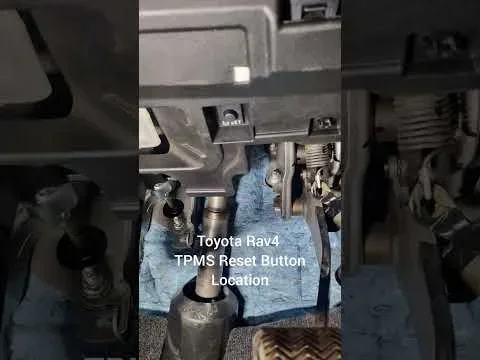
On the 2015 RAV4, the TPMS reset button is located beneath the steering column. It is a small black button near the lower left side of the dashboard. You might need to feel around for it. Some owners describe it as being close to the fuse box cover.
Press and hold the reset button. You should see the TPMS light on the dashboard start to blink. This tells you the system is in reset mode.
Step 4: Hold the Button Until the Light Blinks Three Times
Keep holding the button. The TPMS light will blink, blink, blink, and then turn off. Once it blinks three times and goes dark, release the button. This means the system has been successfully reset.
Step 5: Drive for a Few Miles
Start driving your RAV4 at normal speeds. The system needs a few miles to recalibrate. After driving about 10 to 20 minutes, the TPMS light should remain off. If it does, congratulations. Your reset was successful.
Step 6: Verify the Reset Worked
After driving a short distance, check the dashboard again. The TPMS light should be completely off. If it stays on or comes back shortly after, there may be an underlying issue we need to address.
Quick Tip: If you are also dealing with other warning lights, the process for turning traction control back on follows a similar logic on Toyota vehicles. Always address the root cause first.
Common Reasons the TPMS Light Won’t Turn Off
Sometimes the reset process works perfectly, but the light comes back a day or two later. This is frustrating, but it is also your car trying to tell you something. Here are the most common reasons the TPMS light stays on on a 2015 RAV4.
Temperature Changes
Cold weather is one of the biggest triggers for TPMS warnings. When the air temperature drops, the air inside your tires contracts. This naturally lowers the pressure. A drop of just 10 degrees Fahrenheit can reduce tire pressure by about 1 PSI.
If you live in a climate with big seasonal temperature swings, you might notice the TPMS light popping up in winter and going away in summer. This is normal and usually not a cause for concern. Simply check your pressure and add air as needed.
Slow Tire Leaks
A slow leak is more problematic. Even a tiny puncture can let air out gradually over days or weeks. The TPMS system will detect the drop and trigger the warning. Common causes of slow leaks include:
- Corroded valve stems: The rubber parts around the valve stem can degrade over time.
- Punctures from nails or screws: Small objects can embed in the tread without causing an immediate flat.
- Bead leaks: The seal between the tire and the wheel rim can slowly lose air.
- Damaged wheel rims: Potholes and curbs can cause hairline cracks in alloy wheels.
Faulty TPMS Sensors
The sensors themselves can fail. Like any electronic component, TPMS sensors have a lifespan. On most Toyotas, the sensors last about 5 to 10 years before the battery inside dies. A dead sensor cannot send accurate readings, which triggers the warning light.
If your RAV4 is a 2015 model, the original sensors are now about 9 to 10 years old. It is entirely possible that one or more sensors need replacement. This is a common issue for RAV4 owners in this model year range.
After a Tire Rotation or Tire Change
If you recently had your tires rotated or replaced, the TPMS light might come on temporarily. This happens because the sensors may need to be relearned after the tires are moved to different positions. A proper TPMS sensor reset after any tire work is always a good idea.
TPMS Reset Button Location and What It Does
The TPMS reset button on the 2015 RAV4 is a simple but important component. Let us take a closer look at what it does and how it fits into the overall system.
Where Exactly Is the Button?
Open the driver’s door and look at the lower-left area of the dashboard. Just below the steering column, near the fuse box cover, you will find a small black button. It is not labeled with “TPMS” on most models, so it can be easy to miss.
Some owners describe it as feeling like a small pinhole button. You need to press it firmly with your finger or a pen tip. It is not a toggle switch. It is a momentary button that must be held down.
What Happens When You Press It?
When you press and hold the TPMS reset button, you are telling the car’s computer to relearn the current tire pressure readings. The system clears any stored fault codes and starts fresh. The blinking TPMS light confirms that the system is in learning mode.
Once you release the button after three blinks, the system begins monitoring the tire pressure again. If all tires are at the correct pressure, the light should stay off.
Quick Tip: Some RAV4 owners also wonder whether they can drive a RAV4 without a key fob. While that is a separate system entirely, it is worth knowing that the TPMS reset process does not require the key fob to be present. The reset button works independently of the keyless entry system.
Tips for Maintaining Healthy Tire Pressure on Your RAV4
Prevention is always better than cure. Keeping your tire pressure in good shape reduces the frequency of TPMS warnings and keeps your RAV4 running safely and efficiently.
Check Your Tires Monthly
Make it a habit to check your tire pressure at least once a month. A simple digital or analog gauge costs about $10 and takes less than five minutes. Check the pressure when the tires are cold, meaning the car has been parked for at least three hours or driven less than a mile.
Keep a Tire Pressure Log
Write down the pressure readings each time you check them. Over time, you will notice patterns. Maybe one tire consistently loses a little air. That could indicate a slow leak that needs attention before it becomes a bigger problem.
Invest in a Portable Air Compressor
Having a small 12-volt air compressor in your RAV4 trunk is a game changer. You can top off tires at home, at the gas station, or anywhere you park. It takes the guesswork out of maintaining proper pressure.
Rotate Your Tires Regularly
Tire rotations every 5,000 to 7,500 miles help ensure even wear. Uneven wear can sometimes affect how the TPMS sensors read pressure. After a rotation, it is a good practice to do a quick TPMS sensor reset so the system recalibrates properly.
Replace TPMS Sensors When Needed
If your RAV4 is getting older and the TPMS light keeps coming on despite properly inflated tires, the sensors may need replacing. A single TPMS sensor typically costs between $50 and $100 for parts. Labor at a shop might add another $30 to $50 per sensor. Some owners choose to replace all four sensors at once to avoid future issues.
Expert Insight: Similar to how you would read ABS codes without a scanner for braking issues, understanding your TPMS behavior helps you diagnose problems faster. The TPMS light is essentially your tire health dashboard.
When to Visit a Mechanic for TPMS Problems
Most TPMS issues can be resolved at home. But there are situations where professional help is the right call. Here are the signs that it is time to see a mechanic.
- The TPMS light stays on after a full reset: If you have checked your pressure, inflated all tires properly, and the reset procedure did not work, a mechanic can run diagnostics.
- The light flashes instead of staying solid: A flashing TPMS light often indicates a sensor malfunction rather than low pressure. This needs professional diagnosis.
- One tire reads significantly different from the others: If your tire pressure gauge shows one tire is much lower than the rest even after adding air, there could be a leak or a bad sensor.
- You need new TPMS sensors: Replacing TPMS sensors requires specialized tools to program and pair them with your RAV4’s computer. Most DIYers do not have this equipment.
- You are unsure about the cause: If you are not comfortable diagnosing the problem yourself, it is always better to let a professional take a look. A mechanic can also check whether your 2015 Toyota RAV4 has any open recalls related to the TPMS system.
What to Expect at the Shop
A mechanic will typically hook up a diagnostic scanner to read the TPMS system. This tool shows which sensor, if any, is failing. They will also check for tire leaks using a soap solution or electronic leak detector. Most TPMS-related repairs take less than an hour.
Quick Tip: Before visiting a mechanic, you can save time and money by doing your own basic checks first. Verify tire pressure, inspect for visible damage, and try the reset procedure. This way, you come prepared with useful information about what you have already tried.
Final Thoughts on Resetting Your 2015 Toyota RAV4 TPMS Light
Resetting the TPMS light on a 2015 Toyota RAV4 is a straightforward process that most drivers can handle in under 15 minutes. The key is to address the root cause first. Check your tire pressure, inflate to the proper level, and then follow the reset steps we outlined above.
If the light comes back, do not ignore it. Use the diagnostic tips in this article to narrow down the cause. Whether it is a temperature change, a slow leak, or a failing sensor, catching the problem early keeps you safe and saves you money.
Regular tire maintenance is one of the simplest ways to keep your RAV4 running strong. A few minutes of attention each month goes a long way. Your tires are the only part of your car that actually touches the road. Treat them well, and they will treat you well in return.
For more Toyota maintenance tips, check out our guide on how to reset your oil life indicator for similar step-by-step procedures on your 2015 RAV4.
Stay proactive, stay safe, and keep that TPMS light where it belongs. Off.
Frequently Asked Questions
Can I drive my 2015 RAV4 with the TPMS light on?
You can drive short distances with the TPMS light on, but it is not recommended. The light means your tire pressure is too low or a sensor is malfunctioning. Driving on underinflated tires increases the risk of a blowout and reduces fuel efficiency. Check your tire pressure as soon as possible and address the issue before driving long distances.
How much does it cost to replace a TPMS sensor on a 2015 Toyota RAV4?
Replacing a single TPMS sensor typically costs between $50 and $100 for the part, plus $30 to $50 for labor if you go to a shop. Some tire stores offer free installation if you purchase the sensors from them. If you are handy with tools, you can replace the sensors yourself and save on labor costs entirely.
Why does my TPMS light come on in cold weather?
Cold weather causes the air inside your tires to contract, which lowers the pressure. A drop of just 10 degrees Fahrenheit can reduce tire pressure by about 1 PSI. This is normal and usually not a cause for concern. Simply check your pressure when the weather changes and add air if needed. The light should go away after you inflate the tires to the proper level.
How long does a TPMS reset take on a 2015 RAV4?
The actual reset process takes less than 5 minutes. You press and hold the TPMS reset button, wait for the light to blink three times, release it, and then drive for 10 to 20 minutes while the system recalibrates. If the light stays off after driving, the reset was successful. The entire process from start to finish takes about 15 minutes.
What should I do if the TPMS reset button does not work?
If the reset button does not work, first make sure all four tires are inflated to the recommended pressure. Then try the reset procedure again. If the light still does not turn off, there may be a faulty sensor or a deeper electrical issue. In this case, it is best to visit a mechanic who can run a diagnostic scan and identify the specific problem with your TPMS system.
Is the TPMS light the same as the check engine light?
No, the TPMS light and the check engine light are different. The TPMS light specifically relates to tire pressure monitoring. The check engine light covers a broader range of engine and emissions issues. However, in some cases, a severe TPMS malfunction can trigger the check engine light as well. If both lights are on, have a mechanic run a full diagnostic to check both systems.