How to Tell If Your Key Fob Battery Is Dying for Real
A dying key fob battery shows clear warning signs like reduced range, intermittent signal, and difficulty unlocking your car. Recognizing these symptoms early helps you avoid getting locked out or stranded. Replacing the battery is usually quick, cheap, and something you can do yourself at home.
Your key fob is one of those small things you barely think about until it stops working. One moment you’re cruising to the grocery store, and the next you’re standing outside your car pressing a button that just won’t respond. It’s frustrating, and it always seems to happen at the worst possible time.
The good news? A dying key fob battery is one of the easiest car problems to fix. You don’t need a mechanic, you don’t need special tools, and you definitely don’t need to wait days for a dealership appointment. In most cases, a fresh battery solves the problem in under five minutes.
In this guide, we’ll walk through every sign that your key fob battery is on its way out. We’ll also cover what kind of battery to use, how to swap it out, and what to do if replacing the battery doesn’t fix the issue. Whether you drive a Toyota, Honda, Ford, or anything else, this guide applies to virtually every vehicle with a keyless entry system.
Key Takeaways
- Reduced range: You need to be closer to your car than usual for the key fob to work.
- Intermittent signal: The fob works sometimes but not others, which is a classic dying battery sign.
- Multiple button failures: When several buttons stop working at once, the battery is likely the culprit.
- Warning lights on the dashboard: Some vehicles display a key fob or battery warning when the signal is weak.
- Quick fix: Swapping in a new battery takes minutes and costs just a few dollars.
- No need for a dealer: You can replace the battery yourself with basic tools and a little guidance.
📑 Table of Contents
- What Does a Key Fob Battery Do?
- Signs Your Key Fob Battery Is Dying
- What Causes a Key Fob Battery to Die?
- How to Replace Your Key Fob Battery
- Can a Dead Key Fob Drain Your Car Battery?
- What If Replacing the Battery Doesn’t Fix the Problem?
- How to Make Your Key Fob Battery Last Longer
- When Should You See a Professional?
- Final Thoughts
What Does a Key Fob Battery Do?
Before we dive into the warning signs, let’s quickly cover what your key fob actually does. Your electronic key fob sends a low-frequency signal to your car. This signal tells the vehicle to unlock the doors, start the engine, or trigger the panic alarm. The fob uses a small coin-cell battery to power its transmitter.
Most modern cars use push button start systems that rely entirely on the key fob. Without a working battery, you can’t unlock the car or start it. Some vehicles still have a traditional key hidden inside the fob as a backup, but even those backup keys often require the fob to be nearby to start the engine.
The battery in your key fob isn’t rechargeable. It’s a small, disposable cell, usually a CR2032 or CR2025. These batteries are cheap and widely available. A fresh one typically lasts between two and four years, depending on how often you use the fob and what kind of signal strength your vehicle requires.
Signs Your Key Fob Battery Is Dying
Your key fob doesn’t just stop working one day with no warning. It gives you plenty of clues that the battery is running low. Here are the most common signs to watch for.
Reduced Working Distance
This is the number one early warning sign. When your key fob signal starts to weaken, you’ll notice you need to be much closer to your car for it to respond. Maybe you used to unlock your car from 30 feet away while walking across the parking lot. Now you need to be standing right next to the door.
Pay attention to this change. It’s easy to dismiss as “maybe I’m just further away,” but it’s usually the first real sign that the battery is losing power. If you find yourself standing right at the door to hit the unlock button, it’s time to grab a replacement battery.
Inconsistent Button Response
Sometimes the fob works perfectly, and sometimes it doesn’t. You might press the unlock button three times before it actually responds. Or the lock button works fine, but the trunk button doesn’t. This intermittent signal is a classic symptom of a low battery.
Here’s why this happens. As the battery voltage drops, the fob’s transmitter doesn’t have enough power to send a strong, consistent signal. It might reach the car some of the time, but not reliably. This inconsistency is different from a completely dead battery, where nothing works at all.
Multiple Buttons Stop Working
When just one button on your fob stops working, it could be a button issue or a wiring problem inside the fob. But when multiple buttons fail at the same time, that almost always points to a dying battery. The battery powers all the circuits in the fob, so when it weakens, everything suffers.
Take note if your lock, unlock, trunk, and panic buttons all start acting up together. This cluster of failures is a strong indicator that the battery needs replacing.
Dashboard Warning Lights
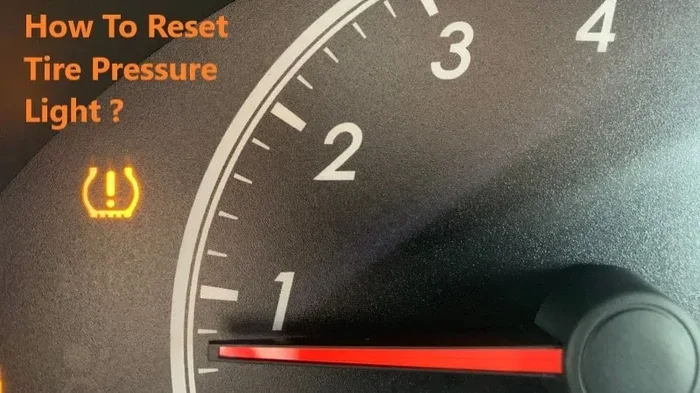
Many newer vehicles have a key fob warning light on the dashboard. This light might look like a small key icon or a battery symbol. When the car detects a weak fob signal, it will light up to alert you.
If you see this warning, don’t ignore it. Check your battery right away. Some cars also display a message on the instrument cluster that says something like “Key Fob Battery Low.” Take that message seriously, and don’t wait until the fob completely dies.
You Need to Press Buttons Harder or Multiple Times
Have you noticed you’re pressing the buttons on your fob with more force than usual? Or you’re pressing them multiple times in a row? This is another subtle sign that the battery is losing strength. The fob needs more power to send a signal that reaches the car, so you end up compensating by pressing harder or longer.
This behavior is especially common in the morning when it’s cold outside. Cold temperatures already reduce battery performance, so a fob with a weak battery will struggle even more in chilly weather.
You Can’t Start the Car with Push Button Start
If your vehicle uses push button start and the engine won’t turn on even though the fob is nearby, the battery might be to blame. The car can’t read the fob’s signal, so it won’t allow the engine to start. This is one of the most inconvenient signs, especially when you’re in a hurry.
Some cars have a backup start procedure. You might be able to place the fob directly against the start button, and the car will read the chip inside even with a dead battery. Check your owner’s manual to see if your vehicle has this feature.
What Causes a Key Fob Battery to Die?
Understanding what drains your key fob battery can help you make it last longer. Here are the most common causes.
Age and Normal Wear
The most common reason is simply that the battery has reached the end of its life. Most coin-cell batteries last two to four years. If you’ve had the same fob for a while and started noticing symptoms, age is probably the cause.
Cold Weather
Cold temperatures reduce battery efficiency significantly. If you live in a climate with harsh winters, your key fob battery might die faster than expected. The cold makes it harder for the battery to maintain voltage, which is why you might notice problems more in winter.
Frequent Use
If you use your key fob dozens of times a day, the battery will naturally drain faster. People who live in apartments or condos and unlock their cars multiple times a day may go through batteries more quickly than those who park in a garage and use a remote less often.
Water Damage or Physical Wear
Dropping your fob, exposing it to moisture, or general wear and tear can damage the internal circuitry. Even with a fresh battery, a damaged fob might not work properly. If you’ve dropped your fob in water or it took a hard fall, the battery might drain faster or the fob might stop working entirely.
How to Replace Your Key Fob Battery
Replacing your key fob battery is one of the simplest car maintenance tasks you can do. You don’t need any special tools or technical knowledge. Here’s how to do it step by step.
Step 1: Get the Right Battery
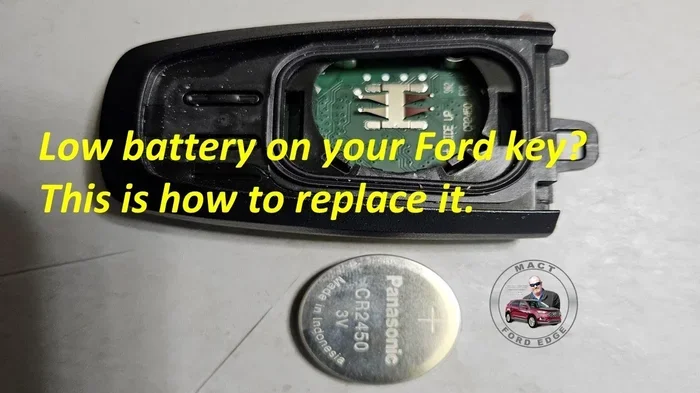
Most key fobs use either a CR2032 or CR2025 battery. Check your owner’s manual or look at the old battery to confirm the type. These batteries cost about $1 to $3 at any grocery store, pharmacy, or auto parts shop. You can also buy them online in bulk if you want to keep spares on hand.
Step 2: Open the Fob
Most key fobs have a small seam or screw that lets you pop them open. Some fobs use a coin-sized release button on the back. Others have a tiny screw that requires a small Phillips head screwdriver. If you’re not sure how your fob opens, search online for your specific model, or check Can You Replace A Car Key Fob Battery Yourself for a detailed walkthrough.
Step 3: Swap the Battery
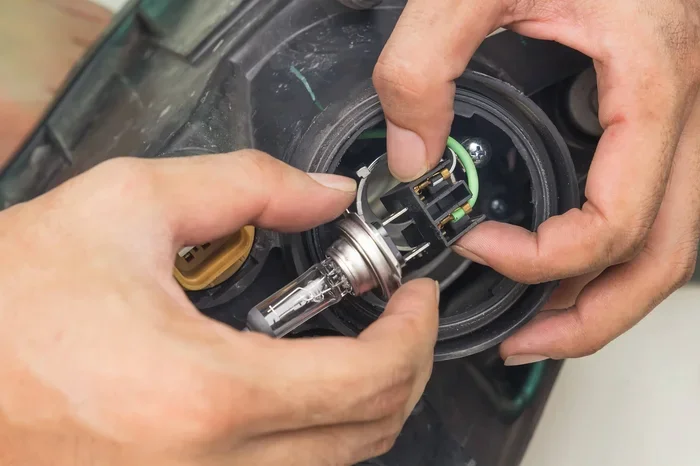
Once the fob is open, carefully remove the old battery. Note which side faces up. Insert the new battery with the same orientation. Press the two halves of the fob back together until they click. It really is that simple.
Step 4: Test the Fob
After replacing the battery, stand near your car and test all the buttons. Make sure the lock, unlock, trunk, and any other buttons work properly. If everything responds as it should, you’re all set.
After you replace the battery, you might wonder if there’s anything else you need to do. In most cases, the answer is no. But if you want to be thorough, you can check Do You Have To Do Anything After Replacing A Key Fob Battery for a complete guide on post-replacement steps.
Can a Dead Key Fob Drain Your Car Battery?
Here’s a question that catches a lot of people off guard. If your key fob battery dies, can it actually drain your car battery? The short answer is yes, it can.
When your car can’t detect the key fob, it may keep the security system in an active searching mode. This puts extra strain on your car’s battery. Over time, especially if the fob sits near the car with a dead battery for days or weeks, it can contribute to a dead car battery.
If you’ve been dealing with a dead key fob and your car won’t start, the car battery might be affected too. Check out Can A Bad Key Fob Drain Your Car Battery for a deeper look at how this happens and what you can do about it.
If you find yourself in a situation where your car won’t start because of a dead fob or dead car battery, you have options. You can use a spare fob, place the dead fob against the start button (many cars allow this), or even jump-start the car battery if needed. Knowing these backup options can save you a lot of stress.
What If Replacing the Battery Doesn’t Fix the Problem?
Sometimes you swap in a brand-new battery and the fob still doesn’t work. Don’t panic. Here are a few things that might be going on.
The Battery Is Installed Backwards
This sounds obvious, but it happens more often than you’d think. Make sure the positive side of the battery faces the right direction. Check the inside of the fob for a “+” or “-” marking.
The Fob Is Water Damaged
If the fob got wet at some point, moisture might have corroded the circuit board. A new battery won’t fix this. You may need to replace the entire fob or have it repaired by a professional.
The Fob Needs to Be Reprogrammed
In rare cases, replacing the battery causes the fob to lose its programming. This is more common in certain vehicle models. You might need to reprogram the fob, which can sometimes be done at home and other times requires a dealer or locksmith.
The Car’s Receiver Has a Problem
It’s not always the fob’s fault. Sometimes the car’s internal receiver has an issue. If you’ve tried a new battery and the fob still doesn’t work, the problem might be in the car, not the fob.
If you’re still having trouble, you might want to explore whether your key fob not working issue could be related to broader electrical problems in your vehicle. A quick diagnostic at a trusted shop can often pinpoint the real cause.
How to Make Your Key Fob Battery Last Longer
You can’t make a key fob battery last forever, but you can take steps to extend its life.
- Keep the fob away from other electronics. Placing your fob near your phone, laptop, or other devices can cause signal interference that drains the battery faster.
- Store it in a cool, dry place. Heat and moisture are battery killers. Don’t leave your fob in direct sunlight or in a hot car.
- Don’t press buttons unnecessarily. Every press uses a small amount of power. Try to be intentional with your fob usage.
- Replace the battery at the first sign of weakness. Don’t wait until the fob completely dies. Swapping the battery early prevents strain on the fob’s circuitry.
Taking care of your key fob battery is one of those small habits that pays off big time. A little attention now saves you from a frustrating situation later.
When Should You See a Professional?
Most key fob battery issues are simple to fix on your own. But there are times when you should call in the experts.
If you’ve replaced the battery twice and the fob still isn’t working, something else is going on. If your fob got submerged in water or experienced a hard impact, internal damage might need professional repair. And if your car’s receiver system is the problem, a dealership or qualified locksmith can diagnose and fix it.
You can also visit a dealership if you need a replacement fob entirely. They can program a new fob to your vehicle and make sure everything is set up correctly. For more information on dealership services, check out Can You Take A Toyota To Any Toyota Dealership if you own a Toyota, or visit your local dealer for other makes.
Final Thoughts
A dying key fob battery is one of those minor car issues that can cause major inconvenience if you’re not prepared. The good news is that it’s easy to spot the warning signs, even easier to fix, and costs just a couple of dollars. You don’t need to be a car expert to handle this yourself.
Pay attention to the signs. If your fob’s range is shrinking, if buttons are acting up, or if your dashboard is showing a warning light, don’t wait. Grab a replacement battery and do the swap. It takes less time than it took to read this article.
Keep a spare battery in your glove box. You never know when you’ll need it, and having one on hand means you’ll never be caught off guard. A little preparation goes a long way when it comes to your key fob battery and keeping your daily drive smooth and stress-free.
Remember, a weak fob today can mean a dead car battery tomorrow. Take care of the small stuff now so the bigger problems stay away. Your future self will thank you the next time you’re walking to your car with groceries in both hands and the fob works perfectly on the first try.
Frequently Asked Questions
How do I know if my key fob battery is dying?
Look for signs like reduced range, intermittent button response, multiple buttons failing at once, and dashboard warning lights. If you find yourself standing closer to your car than usual for the fob to work, the battery is likely weakening and needs replacement soon.
What kind of battery does a key fob use?
Most key fobs use a CR2032 or CR2025 coin-cell battery. Check your owner’s manual or look at the old battery to confirm the correct type. These batteries are inexpensive and available at any pharmacy, grocery store, or auto parts shop.
Can I drive my car if the key fob battery dies?
It depends on your vehicle. Many cars with push button start allow you to place the fob directly against the start button to start the engine. However, if the battery is completely dead and the fob can’t be read, you may not be able to start the car at all. Check Can I Drive My Car With A Low Key Battery for more details on driving with a weak fob.
How long does a key fob battery last?
A key fob battery typically lasts between two and four years. The exact lifespan depends on how frequently you use the fob, the signal strength required by your vehicle, and environmental factors like temperature and moisture exposure.
Can I replace the key fob battery myself?
Absolutely. Replacing a key fob battery is one of the easiest car maintenance tasks. You just need the right battery, a small screwdriver if needed, and about five minutes of time. No special tools or technical skills are required.
Will a new key fob battery need to be programmed?
In most cases, no. Simply replacing the battery doesn’t require reprogramming. However, some vehicle models may lose fob programming when the battery is changed. If your fob doesn’t work after a battery swap, check your owner’s manual for reprogramming instructions or consult a dealer.