How Many Quarts of Oil Does a 20T Turbo Engine Take
A 2.0T turbo engine typically holds between 4.5 and 6.5 quarts of oil, depending on the make and model. Using the right oil type and staying on top of oil change intervals is essential for turbo longevity and engine performance. This guide breaks down everything you need to know about 2.0T oil capacity, oil specifications, and turbo engine maintenance.
Let’s talk about something every car owner should know: how many quarts of oil does a 2.0T take. Whether you are a DIY mechanic or you just want to understand your service invoice better, this guide has you covered.
A 2.0T turbo engine is a powerhouse. It packs a lot of performance into a compact package. But with that power comes specific maintenance needs. One of the most important is getting the right amount of oil. Too little oil and your engine suffers. Too much and you risk serious damage. Let’s dive into the details.
Key Takeaways
- Oil Capacity: Most 2.0T engines require 4.5 to 6.5 quarts of oil, including the filter.
- Oil Type Matters: Synthetic oil is strongly recommended for turbo engines to handle higher temperatures.
- Change Intervals: Stick to the manufacturer’s recommended oil change schedule, typically every 5,000 to 7,500 miles.
- Check Regularly: Turbo engines can consume more oil, so frequent level checks are a smart habit.
- Use the Right Filter: Always pair your oil change with a quality oil filter replacement.
- Follow OEM Specs: Your owner’s manual is the best source for the exact oil weight and capacity for your specific vehicle.
📑 Table of Contents
- Understanding the 2.0T Turbo Engine
- How Many Quarts Does a 2.0T Engine Hold
- Choosing the Right Oil for Your 2.0T Engine
- Oil Change Intervals for 2.0T Engines
- Common Mistakes When Adding Oil to a 2.0T Engine
- Tips for Maintaining Your 2.0T Turbo Engine
- How to Check and Add Oil to a 2.0T Engine
- Final Thoughts
Understanding the 2.0T Turbo Engine
The 2.0T designation refers to a 2.0-liter turbocharged engine. These engines are popular in many modern vehicles from brands like Volkswagen, Audi, BMW, and others. The turbocharger forces more air into the combustion chamber. This creates more power without increasing engine size. It is an engineering marvel that delivers both performance and efficiency.
But here is the catch. Turbo engines run hotter than naturally aspirated engines. The turbocharger spins at incredibly high speeds. It generates a lot of heat. That is why the oil type and oil capacity matter so much. The oil needs to lubricate, cool, and protect components under intense conditions.
Why Oil Capacity Varies by Vehicle
Not all 2.0T engines are created equal. The oil capacity can differ based on several factors:
- Engine design: Some manufacturers use a smaller crankcase, which reduces oil capacity.
- Oil filter type: A larger filter may require slightly more oil to fill the system.
- Engine layout: Inline-4 configurations in a 2.0T may hold different amounts than a V6 or V8 turbo.
- Additional components: Some engines have oil coolers or secondary circuits that hold extra oil.
This is why you should always check your owner’s manual before adding oil. Guessing can lead to problems down the road.
How Many Quarts Does a 2.0T Engine Hold
The short answer is that most 2.0T engines take between 4.5 and 6.5 quarts of oil. But let us break this down further with some common examples.
For many Volkswagen and Audi vehicles with a 2.0T engine, the capacity is around 5 to 6 quarts. BMW 2.0T engines often fall in the 5 to 6.5 quart range. Some smaller or more compact 2.0T designs may need closer to 4.5 quarts.
Here is a quick reference for common 2.0T oil capacities:
- Volkswagen 2.0T (EA888): Approximately 5 to 5.5 quarts
- Audi 2.0T (EA888): Approximately 5.5 to 6 quarts
- BMW B48 2.0T: Approximately 5.5 to 6.5 quarts
- Ford EcoBoost 2.0T: Approximately 4.5 to 5 quarts
- GM 2.0T Turbo: Approximately 5 to 5.5 quarts
These numbers include the oil filter. Always double-check your specific vehicle’s manual for the exact figure. When in doubt, consult a trusted mechanic or your dealership.
Choosing the Right Oil for Your 2.0T Engine
Picking the right oil is just as important as knowing the capacity. A 2.0T turbo engine demands high-quality oil that can withstand extreme heat and pressure. The wrong oil can lead to premature wear, reduced performance, and even engine failure.
Synthetic vs. Conventional Oil
For turbo engines, synthetic oil is the clear winner. Synthetic oil offers several advantages:
- Better heat resistance: It stays stable at the high temperatures turbo engines generate.
- Improved lubrication: It coats engine components more effectively, reducing friction.
- Longer change intervals: Synthetic oil degrades more slowly than conventional oil.
- Better cold-weather performance: It flows more easily at low temperatures, protecting your engine on startup.
Conventional oil can work in a pinch. But for a turbo engine, it is not ideal. The added protection of synthetic oil is worth the extra cost. If you are unsure, check with your dealer. For example, if you own a Toyota, you might want to verify compatibility before switching oils, similar to checking if you can use 5W-30 oil in a Toyota Corolla.
Oil Viscosity: What Do the Numbers Mean
You have probably seen oil labels like 5W-30 or 0W-20. These numbers tell you the oil’s viscosity, or thickness, at different temperatures.
- The first number (5W, 0W): This is the cold-temperature rating. Lower numbers mean the oil flows better in cold weather.
- The second number (30, 20): This is the hot-temperature rating. It tells you how thick the oil is when the engine is warm.
Most 2.0T engines use 5W-30 or 0W-20 oil. Again, your owner’s manual is the best resource. Using the wrong viscosity can affect oil pressure and engine protection.
Oil Specifications to Look For
Beyond viscosity, look for oil that meets the right industry specifications. Common certifications include:
- API SP: The latest standard from the American Petroleum Institute.
- ACEA C3: A European standard often required by German turbo engines.
- Manufacturer-specific approvals: Some brands require oils approved by VW, BMW, or Audi. Look for these on the back of the oil bottle.
Using oil that meets the right specs ensures your turbo engine gets the protection it needs. Cutting corners on oil quality is a false economy.
Oil Change Intervals for 2.0T Engines
How often should you change the oil in your 2.0T engine? This is one of the most common questions car owners ask. The answer depends on several factors, including your driving habits and the type of oil you use.
Manufacturer Recommendations
Most manufacturers recommend an oil change every 5,000 to 7,500 miles for vehicles using synthetic oil. Some newer vehicles with turbo engines can go up to 10,000 miles between changes. However, these are general guidelines. Your driving conditions matter a lot.
If you frequently drive in stop-and-go traffic, tow heavy loads, or operate in extreme temperatures, you should change your oil more often. Harsh driving conditions break down oil faster. This means less protection for your engine.
Signs It Is Time for an Oil Change
Do not just rely on the mileage counter. Watch for these warning signs:
- Dark or dirty oil: Fresh oil is amber in color. As it ages, it turns dark brown or black.
- Oil level dropping: Turbo engines can burn small amounts of oil. A significant drop signals a problem.
- Unusual engine noise: Low oil can cause knocking or ticking sounds.
- Oil pressure warning light: If this comes on, check your oil immediately.
- Burnt oil smell: This could indicate an oil leak or excessive oil consumption.
If you notice any of these signs, do not wait. Get your oil checked right away. Neglecting oil changes is one of the fastest ways to damage a turbo engine.
Common Mistakes When Adding Oil to a 2.0T Engine
Even experienced car owners make mistakes. Here are some common errors to avoid when dealing with your 2.0T engine oil.
Overfilling the Oil
Adding too much oil might seem harmless. But it can cause serious problems. Excess oil gets whipped up by the crankshaft. This creates foam, which reduces the oil’s ability to lubricate. Overfilling can also damage the catalytic converter and cause oil leaks. Always stick to the recommended capacity.
Underfilling the Oil
Running low on oil is even worse. Turbo engines rely on a constant supply of oil for cooling and lubrication. The turbocharger spins at speeds exceeding 100,000 RPM. Without adequate oil, it can seize. An underfilled engine risks catastrophic damage very quickly.
Mixing Oil Types
Some people think mixing different oils is fine. In a pinch, it will not destroy your engine. But consistently mixing oils with different viscosities or specifications can reduce performance. Stick to one type of oil and change it regularly.
Skipping the Oil Filter
Always replace the oil filter during an oil change. A clogged filter restricts oil flow. This starves your engine of lubrication. If you are having the work done at a shop, you can also check if Autozone offers oil change services as a budget-friendly option.
Tips for Maintaining Your 2.0T Turbo Engine
Owning a vehicle with a 2.0T engine comes with some extra responsibilities. But the payoff is a powerful, efficient engine that can last for hundreds of thousands of miles. Here are some practical tips to keep your turbo engine in top shape.
Check Your Oil Level Regularly
Get into the habit of checking your oil level at least once a month. Turbo engines can consume more oil than standard engines. A quick check takes only a few minutes and can prevent big problems. Make sure the car is parked on level ground and the engine is cool before checking.
Warm Up Your Engine Before Hard Driving
Turbo engines need a moment to build oil pressure. After starting your car, let it idle for 30 seconds to a minute before driving. This allows the oil to circulate and reach all the critical components. Avoid flooring the accelerator right after startup.
Let the Engine Cool Before Shutting Off
After spirited driving, give your engine a minute to cool down before turning it off. This lets the oil continue circulating and cooling the turbo. Shutting off a hot turbo immediately can cause oil coking, which damages the turbocharger bearings.
Keep Up With Regular Maintenance
Oil changes are just one part of the equation. Regular maintenance also includes:
- Replacing the cabin air filter when it gets dirty, similar to how you might clean or replace a cabin air filter on schedule.
- Checking the coolant level and condition.
- Inspecting the turbo hoses for leaks or cracks.
- Monitoring the oil pressure gauge or warning system.
Use Quality Parts
When it comes to oil and filters, do not cut corners. Use quality synthetic oil and OEM or high-quality aftermarket filters. Cheap oil may save you a few dollars now but cost you thousands in repairs later.
How to Check and Add Oil to a 2.0T Engine
If you need to check or add oil to your 2.0T engine, here is a simple step-by-step guide.
- Park on level ground and turn off the engine. Wait a few minutes for the oil to settle.
- Open the hood and locate the oil dipstick. It usually has a brightly colored handle.
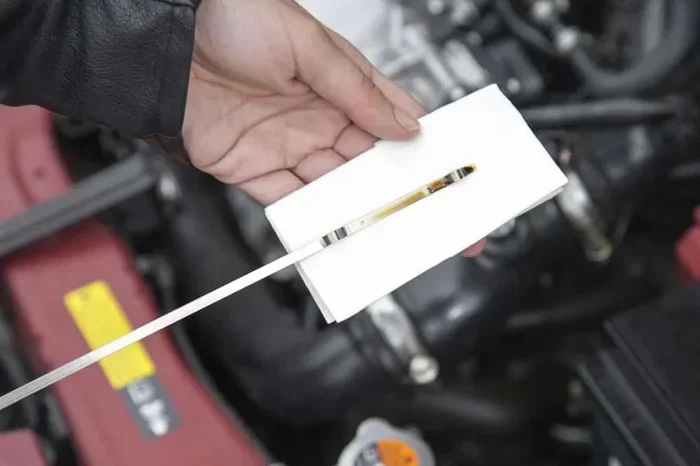
- Pull out the dipstick and wipe it clean with a rag or paper towel.
- Reinsert the dipstick fully, then pull it out again.
- Check the oil level. It should fall between the minimum and maximum marks on the dipstick.
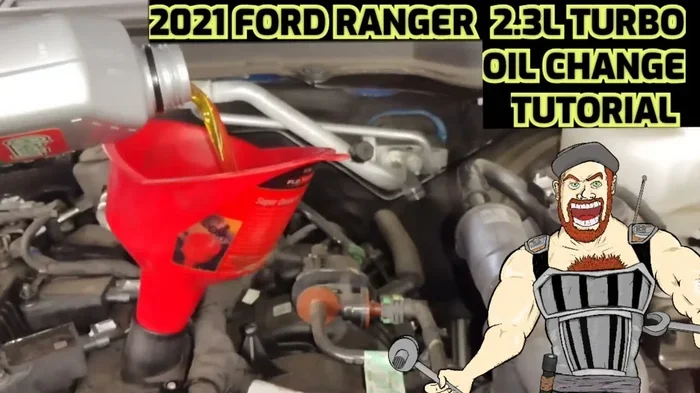
- Add oil if needed. Use a funnel to avoid spills. Add small amounts and recheck the level.
- Dispose of old oil properly. Take it to a recycling center or auto parts store.
Always use the oil type and weight recommended in your owner’s manual. If you are unsure, a quick online search or a call to your dealer can set you straight.
Final Thoughts
Knowing how many quarts of oil a 2.0T engine takes is fundamental knowledge for any car owner. Most 2.0T turbo engines require between 4.5 and 6.5 quarts of oil, including the filter. Using the right oil type, staying on top of change intervals, and checking your levels regularly will keep your engine running strong for years to come.
A 2.0T turbo engine is a fantastic piece of engineering. It delivers impressive power and efficiency. But it demands proper care and attention. Treat your engine well, and it will reward you with reliable performance mile after mile. Do not overlook the simple things like oil level and oil quality. These small habits make a huge difference in the long run.
Whether you are a hands-on DIYer or you prefer leaving maintenance to the professionals, understanding your engine’s oil needs puts you in control. Stay informed, stay proactive, and enjoy the drive.
Frequently Asked Questions
Can I use conventional oil in a 2.0T turbo engine?
It is not recommended. Turbo engines run at higher temperatures and pressures. Synthetic oil provides better protection, heat resistance, and longevity. Most manufacturers require or strongly recommend synthetic oil for 2.0T engines.
How often should I change the oil in my 2.0T engine?
Most manufacturers recommend an oil change every 5,000 to 7,500 miles with synthetic oil. If you drive in harsh conditions like extreme heat, cold, or heavy traffic, consider changing it more frequently, around every 5,000 miles.
What happens if I overfill the oil in my 2.0T engine?
Overfilling causes the oil to foam, which reduces its lubricating ability. It can also lead to increased oil pressure, leaks, and potential damage to the catalytic converter. Always stick to the recommended oil capacity listed in your owner’s manual.
Can a 2.0T turbo engine burn oil?
Yes, turbo engines can burn small amounts of oil through the turbocharger seals. This is normal to a degree. However, if you notice a significant drop in oil level between changes, have your vehicle inspected by a mechanic to rule out leaks or worn components.
Do I need to use a specific brand of oil for my 2.0T engine?
You do not need a specific brand, but the oil must meet the specifications outlined in your owner’s manual. Look for the correct viscosity and certifications like API SP or ACEA C3. Checking if a product meets OEM approvals is a good practice.
How can I tell if my 2.0T engine has enough oil?
The easiest way is to check the dipstick with the engine off and cool. The oil level should sit between the minimum and maximum marks. If it is close to or below the minimum mark, add oil gradually and recheck until it reaches the proper level.