How Often Do Spark Plugs Need to Be Changed and Why
Spark plugs typically need replacement every 30,000 to 100,000 miles depending on the type and your vehicle. Copper plugs wear out fastest, while iridium and platinum plugs can last much longer. Ignoring worn plugs leads to poor fuel economy, engine misfires, and costly repairs down the road.
Your spark plugs may be small, but they play a huge role in how your engine runs. These tiny components create the electrical spark that ignites the air and fuel mixture inside your combustion chamber. Without working spark plugs, your engine simply cannot function properly. So how often do spark plugs need to be changed? The answer depends on several factors, including the type of plugs you use, your driving habits, and your vehicle make and model.
Many car owners overlook spark plug maintenance until something goes wrong. A rough idle or a hesitation during acceleration often means it is already too late. Staying ahead of the problem saves you money, improves fuel economy, and keeps your engine performance at its peak. In this guide, we walk you through everything you need to know about spark plug replacement, from understanding the different types to recognizing the warning signs that your plugs are worn out.
Key Takeaways
- Replacement intervals vary: Copper plugs last 30,000 to 50,000 miles, while iridium and platinum plugs can go 60,000 to 100,000 miles or more.
- Watch for warning signs: Rough idling, difficulty starting, poor fuel economy, and engine misfires all point to worn spark plugs.
- Plug type matters: The material your spark plugs are made from directly affects how long they last and how well they perform.
- DIY replacement is doable: With basic tools and a little patience, most car owners can change their own spark plugs at home.
- Neglecting replacement hurts your engine: Worn plugs reduce efficiency, increase emissions, and can cause serious damage if left unchecked.
- Check your owner manual: Always follow the manufacturer recommended maintenance schedule for the best results.
📑 Table of Contents
How Often Should You Replace Your Spark Plugs
The general rule of thumb is that spark plugs should be replaced every 30,000 to 100,000 miles. But that is a wide range, and the exact interval depends on what kind of spark plugs your vehicle uses. Not all spark plugs are created equal, and the material they are made from plays a big role in their durability.
Most vehicle maintenance schedules outline the recommended replacement interval in the owner manual. If you cannot find yours, a quick search online for your specific make and model will give you the answer. Following the factory recommended schedule is the best way to avoid unexpected breakdowns and keep your car running smoothly for years to come.
Manufacturer Recommendations by Vehicle Type
Different vehicles have different needs. A daily commuter sedan may have different spark plug requirements than a high performance truck. Here is a general breakdown of what to expect based on common vehicle categories:
- Economy cars and sedans: Typically require replacement every 30,000 to 60,000 miles.
- Trucks and SUVs: Often fall in the 60,000 to 100,000 mile range, especially with modern platinum or iridium plugs.
- Performance vehicles: May need more frequent changes, sometimes every 20,000 to 30,000 miles, depending on the engine tuning and driving conditions.
- Hybrid vehicles: Generally follow the standard intervals but may experience different wear patterns due to their dual power systems.
Keep in mind that these are general guidelines. Your actual driving conditions and habits can shorten or extend the life of your spark plugs. If you frequently drive in extreme temperatures, tow heavy loads, or spend a lot of time in stop and go traffic, your plugs may wear out faster than the standard interval suggests.
Types of Spark Plugs and Their Lifespan
Not all spark plugs are the same. The type you have in your vehicle determines how long they will last and how well they perform. Understanding the different options helps you make informed decisions about spark plug replacement and maintenance.
Copper Spark Plugs
Copper spark plugs are the most basic and affordable option. They use a solid copper core for conductivity and are known for delivering a strong spark. However, copper is a softer metal, which means these plugs wear out faster than other types. Most copper plugs need to be replaced every 30,000 to 50,000 miles. They are common in older vehicles and some high performance engines that require a hotter spark.
Platinum Spark Plugs
Platinum plugs use a platinum tip on the electrode, which makes them much more durable than copper. Platinum resists corrosion and can handle higher temperatures without breaking down. These plugs typically last between 60,000 and 100,000 miles. Many modern vehicles come standard with platinum plugs, and they are a popular choice for drivers who want less frequent maintenance.
Iridium Spark Plugs
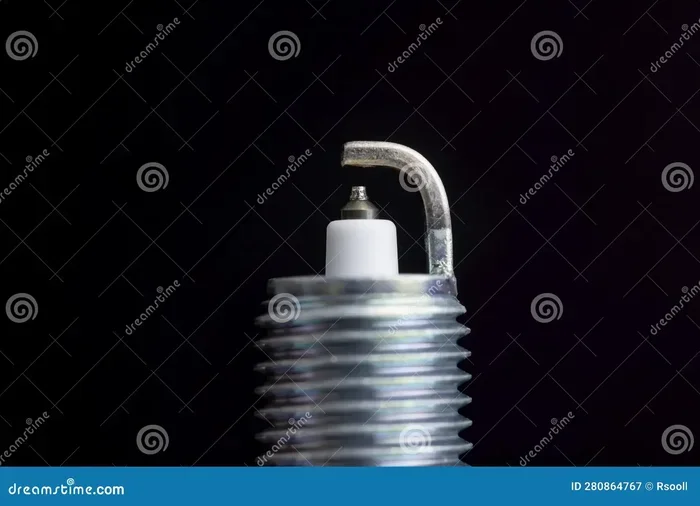
Iridium is the hardest material used in spark plug construction. Iridium plugs offer the longest lifespan of any standard option, often lasting 100,000 miles or more. They also provide excellent engine performance and fuel efficiency thanks to their fine wire design. While they cost more upfront, their longevity makes them a smart investment for many drivers. If you are wondering whether your current plugs are iridium, check the markings on the plug or consult your owner manual.
Double Platinum and Double Iridium
Some vehicles use double platinum or double iridium plugs, which have platinum or iridium on both the center and side electrodes. These are designed for waste spark ignition systems and offer even longer life and better performance. They are common in newer vehicles and premium models.
Signs Your Spark Plugs Need Replacement
One of the best things about spark plugs is that they give you warning signs before they fail completely. Paying attention to these signals can save you from bigger problems and expensive repairs. Here are the most common symptoms of worn spark plugs.
Rough or Uneven Idling
When your engine idles roughly or vibrates more than usual, worn spark plugs are often the culprit. A healthy engine should run smooth and quiet at idle. If you notice shaking or hear unusual noises while sitting at a red light, it is time to inspect your plugs. This happens because worn electrodes cannot create a consistent spark, leading to uneven combustion in the cylinders.
Difficulty Starting the Engine
Struggling to start your car, especially in cold weather, can be a sign of failing spark plugs. The spark needs to be strong and consistent to ignite the fuel mixture reliably. When the electrodes are worn, the spark weakens, and your engine may crank longer before starting or fail to start altogether.
Poor Fuel Economy
Have you noticed you are filling up more often than usual? Worn spark plugs can significantly reduce your fuel economy. When the spark is weak or inconsistent, the fuel and air mixture does not burn completely. This means more fuel goes to waste, and you end up spending more money at the pump. Replacing old plugs often restores lost efficiency and can save you hundreds of dollars over the life of the plugs.
Engine Misfires
An engine misfire is one of the most obvious signs of spark plug problems. You may feel a jerking sensation during acceleration or notice the engine stumbling at steady speeds. Misfires happen when one or more cylinders fail to ignite the fuel properly. Left unchecked, misfires can damage your catalytic converter and other expensive components. If you experience a misfire, get your plugs checked right away.
Sluggish Acceleration
Worn spark plugs can make your feel slow to respond when you press the gas pedal. The engine lacks the consistent spark needed for quick, powerful combustion. This is especially noticeable when merging onto highways or climbing hills. Fresh plugs restore the responsive feel you expect from your vehicle.
Check Engine Light
A glowing check engine light can indicate many problems, and worn spark plugs are one of them. The ignition system relies on healthy plugs to run smoothly, and when they fail, the onboard computer often flags the issue. If your check engine light comes on, do not ignore it. Have a mechanic read the diagnostic codes to determine if spark plugs are the cause. Interestingly, many people wonder if a bad battery can trigger warning lights too. While a bad battery can cause the wrench light to come on, spark plug issues tend to trigger the check engine light specifically.
What Happens If You Do Not Change Your Spark Plugs
Ignoring spark plug maintenance might seem harmless at first, but the consequences add up over time. Understanding what can go wrong gives you a strong reason to stay on top of your replacement schedule.
Reduced Engine Performance
Worn plugs cannot create a strong, consistent spark. This means incomplete combustion, which robs your engine of power and efficiency. Over time, you may notice your vehicle feels sluggish, lacks responsiveness, and does not run as smoothly as it used to. Regular engine tuning includes checking and replacing spark plugs to keep everything running at peak levels.
Increased Emissions
Incomplete fuel combustion produces more harmful emissions. Worn spark plugs cause unburned fuel to exit through the exhaust system, increasing your vehicle’s environmental impact. If your state requires emissions testing, bad plugs can cause you to fail. Keeping your plugs in good condition helps your car run cleaner and pass inspections with ease.
Catalytic Converter Damage
This is one of the most expensive consequences of neglected spark plugs. When plugs misfire, unburned fuel enters the catalytic converter and can cause it to overheat and fail. Replacing a catalytic converter can cost anywhere from $500 to $2,000 or more. Changing your spark plugs on schedule is a fraction of that cost and prevents this serious damage.
Starter and Battery Strain
When spark plugs struggle to ignite the fuel, your starter motor and battery work harder during startup. This extra strain can shorten the life of both components. Many drivers wonder if a weak battery causes electrical warning lights, and the answer is yes, it can. But consistently worn spark plugs put additional load on your electrical system as well.
How to Change Spark Plugs Yourself
Changing spark plugs is one of the most manageable DIY maintenance tasks. If you have basic mechanical skills and the right tools, you can do it at home and save on labor costs. Here is a step by step guide to help you through the process.
Tools You Will Need
- New spark plugs (matched to your vehicle specifications)
- Spark plug socket and ratchet
- Spark plug gap tool
- Torque wrench
- Anti seize compound
- Compressed air or a small brush
- Socket extensions
Step by Step Process
- Make sure the engine is cool. Never work on spark plugs when the engine is hot. Wait at least an hour after driving to avoid burns.
- Locate the spark plugs. Open the hood and follow the ignition coil or spark plug wires to find each plug. They are typically located on top of the engine.
- Remove the ignition coil or wire. Carefully disconnect each component to access the spark plugs. Take note of which coil or wire belongs to which cylinder.
- Clean the area around each plug. Use compressed air or a brush to remove debris from around the spark plug wells. This prevents dirt from falling into the engine.
- Remove the old spark plugs. Attach the spark plug socket to your ratchet and carefully unscrew each plug by turning counterclockwise.
- Check the spark plug gap. Use a gap tool to measure the gap on your new plugs. Compare it to the specifications in your owner manual and adjust if needed.
- Install the new plugs. Thread each new plug in by hand first to avoid cross threading. Then use the torque wrench to tighten to the manufacturer recommended specification.
- Apply anti seize compound. A small amount on the threads helps prevent the plugs from seizing in the future, making future replacements easier.
- Reconnect the ignition coils or wires. Make sure each connection is secure and properly seated.
- Start the engine and test. Run the engine and listen for smooth operation. Take your vehicle for a short test drive to confirm everything feels right.
After completing the replacement, some vehicles may need a reset the oil change light procedure if the maintenance light is also triggered. However, spark plug replacement does not typically require resetting any warning lights unless your vehicle uses a maintenance reminder system that tracks all service intervals.
Common Mistakes to Avoid
- Over tightening: This can strip the threads in the cylinder head or crack the porcelain insulator. Always use a torque wrench.
- Cross threading: Always start the plug by hand to ensure it threads in straight before using tools.
- Using the wrong plug type: Always match the plug to your vehicle specifications. Using the wrong plug can cause poor performance and damage.
- Skipping the gap check: Even new plugs may need gap adjustment. Never assume the gap is correct out of the box.
When to See a Professional
While spark plug replacement is a straightforward DIY job for many vehicles, some situations call for professional help. If your vehicle has plugs that are difficult to access, such as those buried deep in the engine bay, a mechanic has the tools and experience to handle the job safely. Additionally, if you notice persistent problems after replacing your plugs, there may be an underlying issue with your ignition system or engine that needs professional diagnosis.
Many drivers also rely on their local AutoZone or similar auto parts store for guidance and parts. Some locations even offer basic services and can help you find the right plugs for your vehicle. If you are unsure about any step of the process, do not hesitate to consult a professional. A quick inspection by a qualified mechanic can catch problems early and save you from costly repairs later.
For those who service their vehicles at a dealership, it is worth noting that most dealerships include spark plug inspection as part of routine maintenance visits. Whether you take your Toyota to any Toyota dealership or visit a different service center, regular maintenance appointments help keep your spark plugs and entire engine in top shape. Similarly, if you own a Lexus or another premium brand, understanding whether Lexus dealers negotiate price on maintenance services can help you save money while keeping up with your maintenance schedule.
It is also worth mentioning that proper maintenance extends beyond spark plugs. For example, knowing how long a factory takes to build a car gives you perspective on the precision and quality that goes into modern vehicles. Taking care of routine maintenance like spark plug replacement ensures that your vehicle continues to perform as intended for many years.
Final Thoughts
Staying on top of your spark plug replacement schedule is one of the simplest and most effective ways to care for your vehicle. Whether you drive a daily commuter or a weekend cruiser, fresh spark plugs make a noticeable difference in how your engine feels and performs. From improved fuel economy to smoother acceleration and fewer breakdowns, the benefits of timely replacement are hard to ignore.
Remember to check your owner manual for the specific interval recommended for your vehicle, and do not ignore the warning signs of worn plugs. Catching the problem early saves you time, money, and stress. With the right knowledge and a little effort, you can keep your spark plugs in great shape and your engine running strong for miles to come.
Frequently Asked Questions
How do I know if my spark plugs need to be changed?
Common signs include rough idling, difficulty starting the engine, poor fuel economy, engine misfires, and sluggish acceleration. If you notice any of these symptoms, it is a good idea to inspect your spark plugs or have a mechanic check them for you.
Can I use any spark plugs for my vehicle?
No, you should always use spark plugs that match your vehicle specifications. Different engines require different plug types, heat ranges, and gap settings. Check your owner manual or consult a parts specialist to find the right plugs for your car.
Is it okay to drive with worn spark plugs?
You can drive short distances with worn plugs, but it is not recommended for extended periods. Worn plugs reduce engine performance, waste fuel, and can cause damage to other components like the catalytic converter if left unchecked for too long.
How much does it cost to replace spark plugs?
The cost depends on the type of plugs and your vehicle. Copper plugs are the most affordable, while iridium and platinum plugs cost more upfront but last longer. Labor costs vary, but DIY replacement can save you a significant amount. For comparison, many drivers also wonder about the cost of other routine services, such as whether AutoZone does oil changes, which can be a more budget friendly alternative to dealership service for other maintenance needs.
Do spark plugs affect gas mileage?
Yes, worn spark plugs can significantly reduce fuel economy. When the spark is weak or inconsistent, the fuel and air mixture does not burn completely, causing you to use more fuel than necessary. Replacing old plugs often restores lost efficiency.
How long do iridium spark plugs last?
Iridium spark plugs are the longest lasting option and can last 100,000 miles or more under normal driving conditions. Their durability comes from the extremely hard iridium metal used in the electrode, which resists wear much better than copper or even platinum.
=== CONCLUSION ===
How often do spark plugs need to be changed is a question every car owner should know the answer to. The right replacement interval keeps your engine running smoothly, improves fuel economy, and prevents costly repairs. Whether you drive a compact car, a full size truck, or a hybrid vehicle, staying on top of your spark plug maintenance is one of the easiest ways to protect your investment. Use this guide to understand your options, recognize the warning signs, and take action before small problems become big ones. Your engine will thank you for it.