Is 40 PSI Too High for Tires And What to Do About It
40 PSI is not automatically too high for tires, but whether it is safe depends on your specific vehicle, tire type, and recommended pressure levels. Checking your tire sidewall and owner manual is the best way to know if 40 PSI works for your car. This guide covers everything you need to know about tire pressure safety and what to do if your tires are overinflated.
Every driver has been there. You pull up to the gas station, glance at the tire pressure gauge, and see 40 PSI staring back at you. Your mind immediately starts racing. Is 40 PSI too high for tires? Should you let some air out? Is your car going to handle strangely? Will your tires blow out on the highway?
The short answer is: it depends on your vehicle. For some cars, 40 PSI is spot on. For others, it is way too much. The good news is that figuring this out is simple, and this guide will walk you through every step. You will learn exactly what tire pressure means, how to find your vehicle’s recommended PSI, and what to do if your tires are overinflated.
Tire pressure is one of the most overlooked aspects of car maintenance, yet it affects everything from fuel economy to safety. Whether you drive a compact sedan or a full-size truck, understanding your tire pressure can save you money, prevent accidents, and extend the life of your tires. Let us dive in and break it all down.
Key Takeaways
- 40 PSI may be perfectly fine for many passenger vehicles, but always check your specific recommendations first.
- Overinflated tires cause uneven wear, reduced traction, and a harsher ride quality.
- The correct PSI is listed on your tire sidewall and inside the driver’s door jamb, not on the tire itself.
- Cold weather can lower tire pressure, so adjustments may be needed seasonally.
- TPMS warning lights are your first alert if tire pressure goes out of range.
- Always use a reliable tire pressure gauge to check PSI at least once a month.
- If 40 PSI is too high for your vehicle, simply let out a small amount of air to reach the recommended level.
📑 Table of Contents
What Does PSI Mean for Tires?
PSI stands for pounds per square inch. It measures the amount of air pressure inside your tire. Every tire has a recommended PSI range that the manufacturer specifies. This number is not random. It is carefully calculated based on the vehicle’s weight, handling needs, and safety standards.
When you inflate a tire, you are filling it with compressed air. Too little air and the tire flattens out. Too much air and the tire becomes rigid. Both situations cause problems. Proper tire inflation keeps your ride smooth, safe, and fuel-efficient.
Most passenger cars recommend tire pressure somewhere between 30 and 35 PSI. However, some vehicles, especially trucks and SUVs, may call for higher pressures. This is where the question of 40 PSI comes into play.
How Tire Pressure Affects Your Drive
Tire pressure directly impacts how your car feels on the road. Here is what happens when pressure changes:
- Underinflated tires create more rolling resistance. Your engine works harder, which means worse fuel economy. The tire sidewall flexes more, leading to overheating and premature wear on the outer edges of the tread.
- Overinflated tires have a smaller contact patch with the road. This means less grip, especially on wet surfaces. The ride becomes harsher because there is less air to absorb road bumps. The center of the tread wears out faster.
- Properly inflated tires give you the best balance of comfort, grip, fuel economy, and tread life.
Finding the right balance is the key to safe driving. A tire pressure monitoring system, commonly known as TPMS, helps alert you when pressure drops or rises beyond safe limits.
Is 40 PSI Too High for Tires?
This is the million-dollar question. The answer is not a simple yes or no. Whether 40 PSI is too high depends entirely on what your vehicle recommends. Let us look at the different scenarios.
When 40 PSI Is Perfectly Fine
Many modern vehicles, especially larger SUVs, light trucks, and certain sedans, recommend tire pressures in the 35 to 42 PSI range. If your vehicle’s recommended pressure is 40 PSI, then you are right on target. In fact, some manufacturers set the recommended pressure at exactly 40 PSI for optimal performance.
Here are some situations where 40 PSI works great:
- Light trucks and SUVs that carry heavier loads
- Vehicles with high load ratings that need stiffer sidewalls for stability
- Performance tires designed for higher pressure to maintain shape at speed
- Spare tires, which often require higher PSI for temporary use
If you find 40 PSI on your tire sidewall as the maximum pressure, that is the upper limit the tire can safely handle. It does not mean you should always run it at 40 PSI. The recommended pressure is usually lower than the maximum.
When 40 PSI Is Too High
For many standard passenger cars, 40 PSI exceeds the recommended range. If your owner manual says to run 32 or 35 PSI, then 40 PSI is too much. Here is what happens when you overinflate:
- Reduced traction, especially on wet or icy roads. The tire rides on a smaller patch, making hydroplaning more likely.
- Harsher ride quality. You feel every bump and pothole because there is less air cushioning the suspension.
- Uneven tire wear. The center of the tread wears down much faster than the edges. This means you need new tires sooner.
- Increased risk of blowouts. Overinflated tires are more vulnerable to damage from potholes, debris, and curbs.
Running 40 PSI when your car needs 32 PSI is a common mistake. Some drivers confuse the number on the tire sidewall with the recommended pressure. The sidewall number is the maximum, not the target.
How to Find Your Correct Tire Pressure
Figuring out your correct tire pressure is easier than you think. You do not need to be a mechanic. Just follow these simple steps.
Check the Driver’s Door Jamb
The most reliable source for your recommended tire pressure is the sticker inside the driver’s door frame. Open your door and look for a small placard. It will list the tire pressure for both front and rear tires. This number is set by the vehicle manufacturer after extensive testing.
Read Your Owner’s Manual
Your vehicle’s owner manual also lists the recommended tire pressure for all four tires. If you no longer have the physical book, you can usually find a digital copy on the manufacturer’s website. Search for your make, model, and year, and the manual should be available as a free PDF.
Look at the Tire Sidewall
The tire sidewall shows the maximum pressure the tire can handle, not the recommended pressure for your vehicle. A common mistake is reading the big number on the sidewall and assuming that is what you should inflate to. Always use the door jamb or manual recommendation as your guide, not the sidewall number.
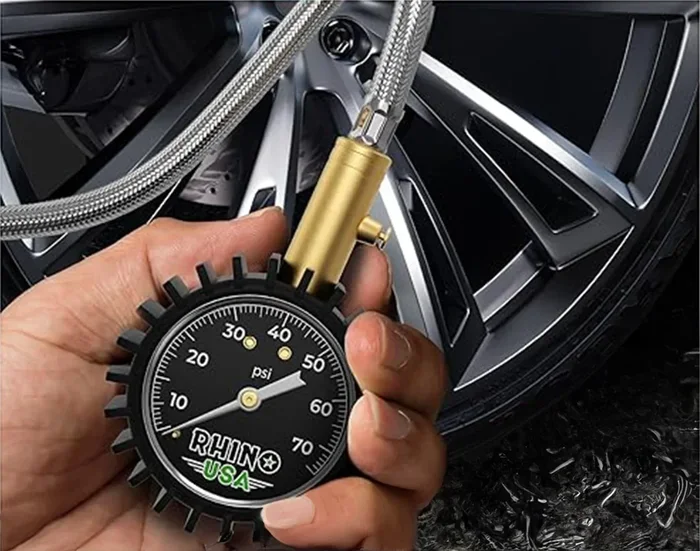
Use a Quality Tire Pressure Gauge
Gas station air pumps often have inaccurate gauges. Invest in a simple digital or dial tire pressure gauge for home use. Check your pressure when the tires are cold, meaning the car has been parked for at least three hours. Checking tire pressure in the morning gives the most accurate reading.
If you notice your tire pressure fluctuates with the seasons, you are not alone. Cold weather causes tire pressure to drop because the air inside contracts. In winter, you may need to add air more frequently. Some drivers also wonder if low tire pressure causes a car not to start, but that is usually a battery issue. If your car won’t start in cold weather but the battery is good, tire pressure is likely not the culprit.
What to Do If Your Tires Are Overinflated
So you checked your pressure and found it at 40 PSI, but your vehicle recommends 35 PSI. What now? Do not panic. This is an easy fix.
Let Out a Small Amount of Air
Most gas stations have a air pump with a pressure release valve. Simply press the small pin on the valve stem to let out a little air. Check the pressure with your gauge after each release. Go slowly. You can always add more air, but you cannot easily take it back out once it is gone.
Check for Leaks If Pressure Keeps Rising
If your tires keep reading high pressure even after you let air out, there might be an issue. Heat from driving causes the air inside to expand, which raises PSI. This is normal. However, if your pressure spikes dramatically after a short drive, check for leaks or a faulty TPMS sensor.
Some drivers wonder if overinflation is similar to other car problems, like driving with too much oil. Just as too much oil can cause engine issues, too much air in tires causes handling and wear problems. Both situations stem from exceeding recommended limits.
When to See a Professional
If you are unsure about your tire pressure or notice visible damage like bulges or cracks, visit a tire shop. A professional can inspect your tires and make sure everything is safe. Regular tire inspections are part of good vehicle maintenance and help catch problems early before they become expensive repairs.
Benefits of Proper Tire Pressure
Keeping your tires at the correct PSI offers many advantages. Here is what you gain when you get it right:
- Better fuel economy. Properly inflated tires reduce rolling resistance, which means your engine does less work and you use less gas.
- Longer tire life. Even tread wear means you get more miles out of every set of tires.
- Improved safety. Correct pressure gives you optimal grip, shorter braking distances, and better handling in emergencies.
- Smoother ride. The right amount of air absorbs road imperfections and keeps your cabin comfortable.
- Lower environmental impact. Better fuel economy means fewer emissions.
Proper tire inflation is one of the simplest and cheapest things you can do for your car. A tire pressure gauge costs under fifteen dollars, and checking your pressure takes just a few minutes each month.
Quick Tips for Maintaining Correct Tire Pressure
- Check your tire pressure at least once a month. Tires lose about one PSI per month naturally.
- Always check when tires are cold. Driving heats up the air inside, which raises the reading.
- Do not forget the spare tire. A flat spare is useless when you need it most.
- Replace your valve stems every few years to prevent slow leaks.
- Invest in a TPMS reset tool if your warning light stays on after you fix the pressure.
Some drivers ask whether issues like too much coolant causing overheating are related to tire pressure. While both involve fluid and pressure systems in a car, they are separate concerns. Tire pressure and coolant levels serve different purposes, but both need regular attention.
Similarly, if you ever need to work under your car and are concerned about jacking it up, remember that vehicle maintenance tasks like checking tire pressure do not require lifting the car. A simple floor jack and jack stands handle most undercar work safely.
Common Tire Pressure Mistakes to Avoid
Even careful drivers make mistakes with tire pressure. Here are the most common ones:
- Relying on the tire sidewall number. That is the maximum pressure, not the recommended pressure.
- Only checking tires when they look low. Tires can lose pressure gradually without visible signs. A monthly check prevents this.
- Ignoring the TPMS light. If your warning light comes on, check your pressure immediately. Ignoring it can lead to unsafe driving conditions.
- Overinflating for better fuel economy. While overinflated tires do reduce rolling resistance slightly, the safety trade-offs are not worth it.
- Using the same pressure for all seasons. Cold weather drops pressure. You may need to add air during winter months.
Avoiding these simple mistakes keeps your tires in great shape and your car safe on the road.
Final Thoughts
So is 40 PSI too high for tires? The answer comes down to your specific vehicle. For some cars, 40 PSI is exactly right. For others, it is too much and can cause real problems. The key is knowing your recommended pressure and sticking to it.
Make it a habit to check your tire pressure regularly. Grab a reliable gauge, find your recommended PSI on the door jamb or owner manual, and adjust as needed. Your tires, your fuel tank, and your safety will all thank you. Proper tire pressure is one of the easiest ways to take care of your car and avoid costly repairs down the road.
If you ever feel unsure about any aspect of tire care or vehicle maintenance, do not hesitate to consult a trusted mechanic or tire professional. Staying informed and proactive is the best way to keep your car running smoothly for years to come.
Frequently Asked Questions
Can I drive with 40 PSI if my recommended pressure is 35 PSI?
Driving with 40 PSI when your car recommends 35 PSI is not ideal. It will make your ride harsher, reduce traction, and cause uneven tire wear. You should let out a small amount of air to reach the recommended 35 PSI for the best performance and safety.
What happens if tire pressure is too high?
Overinflated tires have a smaller contact area with the road, which reduces grip and makes handling less predictable. The ride becomes stiffer and more uncomfortable. Over time, the center of the tire tread wears down faster, shortening the life of your tires.
Is 40 PSI normal for a passenger car tire?
For most passenger cars, 40 PSI is slightly above the typical recommended range of 30 to 35 PSI. However, some vehicles, particularly larger SUVs and light trucks, do recommend pressures around 40 PSI. Always check your vehicle’s specific recommendation on the door jamb sticker or owner manual.
How often should I check my tire pressure?
You should check your tire pressure at least once a month. Tires naturally lose about one PSI per month. Additionally, check your pressure before long road trips and during seasonal temperature changes, as cold weather can significantly lower PSI levels.
Can cold weather cause my tire pressure to drop below safe levels?
Yes, cold weather causes the air inside your tires to contract, which lowers the PSI. For every 10-degree drop in temperature, tire pressure can decrease by about one PSI. This is why many drivers need to add air to their tires during the winter months to stay within the safe range.
Where is the recommended tire pressure for my vehicle?
The recommended tire pressure is listed on a sticker inside the driver’s door frame. You can also find it in your vehicle’s owner manual. Never use the number printed on the tire sidewall, as that represents the maximum pressure, not the recommended pressure for your specific vehicle.
=== CONCLUSION ===
Is 40 PSI too high for tires? The answer depends on your vehicle, but now you have all the information you need to make the right call. Always check your recommended PSI on the door jamb or owner manual before inflating. If 40 PSI is too high for your car, simply release a little air until you reach the correct level. Proper tire pressure is one of the simplest yet most impactful things you can do for your vehicle. Make it part of your regular maintenance routine, and your tires will last longer, your car will handle better, and your fuel economy will improve. Stay safe and keep those tires properly inflated.