How to Fix a Check Engine Light with a Down Arrow Now
A check engine light with a down arrow is a warning that your vehicle has detected an emissions or powertrain issue. This guide shows you how to read diagnostic codes, identify the root cause, and apply the right check engine light fix without visiting a mechanic. You will learn simple DIY resets, common triggers, and when to seek professional help.
You are driving along, minding your own business, when you glance at the dashboard and see a strange symbol. A check engine light with a down arrow has appeared, and suddenly your peace of mind is gone. What does it mean? Should you pull over right now? Can you keep driving?
Here is the good news. Most of the time, a check engine light with a down arrow is not an emergency. It is your vehicle telling you that something needs attention, but it is not necessarily a breakdown waiting to happen. This guide will walk you through everything you need to know to diagnose, fix, and prevent this annoying dashboard warning light.
We will cover the most common causes, the tools you need, and simple check engine light repair steps you can do right in your driveway. Whether you are a complete beginner or a weekend warrior who likes to tinker, you will find practical advice here. Let us get started.
Key Takeaways
- Know Your Warning Light: The down arrow icon on your dashboard signals a specific check engine light issue related to emissions or engine performance.
- Grab an OBD-II Scanner: This tool reads diagnostic trouble codes and helps you pinpoint the exact problem fast.
- Common Causes Are Often Simple: A loose gas cap, faulty oxygen sensor, or worn spark plug can trigger the down arrow warning light.
- DIY Fixes Save Money: Many check engine light repairs can be done at home with basic tools and a few minutes.
- Reset Carefully: You can reset the check engine light without disconnecting the battery using an OBD-II scanner or by fixing the root cause.
- Know When to Call a Pro: Flashing lights, severe performance issues, or persistent codes need a qualified mechanic.
- Prevent Future Alerts: Regular maintenance keeps your dashboard warning lights off and your vehicle running smoothly.
📑 Table of Contents
- What Does a Check Engine Light with a Down Arrow Mean?
- Common Causes of the Check Engine Light with a Down Arrow
- How to Diagnose the Problem
- Step-by-Step Fixes for the Check Engine Light with a Down Arrow
- When Should You See a Mechanic?
- How to Prevent the Check Engine Light from Returning
- Can You Still Drive Safely with the Check Engine Light On?
- Key Takeaways
What Does a Check Engine Light with a Down Arrow Mean?
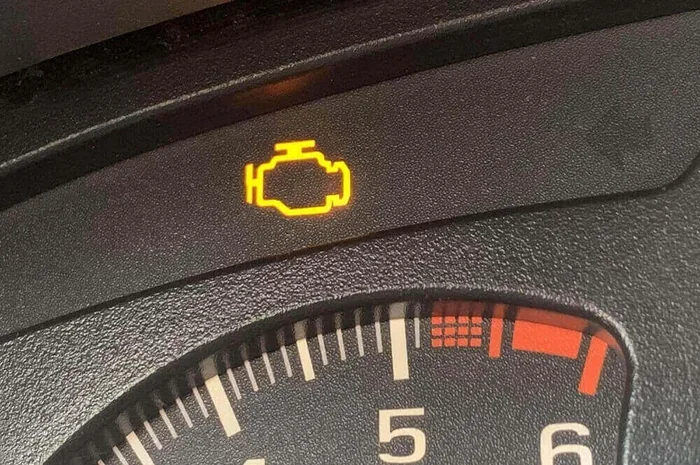
The check engine light with a down arrow is a specific variant of the malfunction indicator lamp, or MIL. On many vehicles, the standard check engine light looks like an engine block. But on some makes and models, the symbol includes a downward-pointing arrow next to the engine icon.
This down arrow tells you the vehicle’s powertrain control module has stored a diagnostic trouble code. The code points to a problem in the emissions system, fuel delivery, ignition, or other engine-related components. The arrow itself does not indicate a different type of problem. It is simply a design choice by the automaker to differentiate this light from other warnings on the dashboard warning lights panel.
Many drivers confuse the check engine light with a down arrow with the maintenance required light or the oil change light. These are completely different symbols. The maintenance light usually looks like a wrench, while the check engine light with the arrow specifically relates to engine performance and emissions. Understanding this difference helps you respond correctly and avoid unnecessary panic.
How Is It Different from Other Warning Lights?
Your dashboard has many symbols, and it is easy to mix them up. Here is a quick comparison to help you tell them apart:
- Check Engine Light with Down Arrow: Signals an emissions or engine performance issue. The engine fault code is stored in the vehicle’s computer.
- Wrench or Maintenance Light: Reminds you that scheduled maintenance is due. It does not always mean something is broken.
- Oil Pressure Light: A genie lamp symbol that means your oil pressure is dangerously low. Stop driving immediately.
- Battery Light: Indicates a charging system problem. Your alternator may not be working properly.
- Brake Warning Light: Shows the parking brake is engaged or there is a brake system issue.
Knowing these differences is important because each light demands a different response. The check engine light with a down arrow gives you time to diagnose and plan. Other lights, like the oil pressure light, require immediate action.
Common Causes of the Check Engine Light with a Down Arrow
When the down arrow warning light shows up, it is almost always triggered by one of several common issues. Here are the most frequent culprits that cause this engine fault code to appear.
Loose or Faulty Gas Cap
Surprisingly, a loose gas cap is one of the top reasons the check engine light comes on. The fuel system relies on proper pressure to work efficiently. When the cap is not tight, fuel vapors escape, and the emissions system detects a leak. This triggers a trouble code and lights up your dashboard.
Before you do anything else, check your gas cap. Turn it clockwise until you hear it click. If the cap is cracked or worn, replace it. This simple fix costs just a few dollars and often clears the check engine light on its own within a few drive cycles.
Faulty Oxygen Sensor
The oxygen sensor measures how much oxygen is in your exhaust gases. It helps the engine control unit adjust the fuel mixture for optimal performance. When this sensor fails, your engine runs rich or lean, which hurts fuel economy and increases harmful emissions.
A bad oxygen sensor is one of the most common reasons for the check engine light with a down arrow. Replacing it is straightforward and typically costs between $100 and $300, depending on your vehicle. The good news is that a vehicle diagnostic with an OBD-II scanner will confirm whether this is your issue.
Catalytic Converter Problems
The catalytic converter reduces harmful emissions by converting toxic gases into less harmful ones. Over time, it can become clogged or damaged, especially if you have been ignoring other engine problems for a while.
A failing catalytic converter triggers a specific engine fault code and lights up the check engine light. This repair can be expensive, sometimes costing $1,000 or more. That is why it is important to address smaller issues early, before they snowball into bigger and pricier problems.
Ignition System Issues
Worn spark plugs, faulty ignition coils, or damaged spark plug wires can all cause engine misfires. A misfire means the fuel in the cylinder is not burning properly. This unburned fuel enters the exhaust system and damages the catalytic converter over time.
If your check engine light with a down arrow is flashing, it often indicates a severe misfire. A flashing light means you should stop driving and have the vehicle towed to a repair shop. Continuing to drive with a flashing check engine light can cause catastrophic engine damage.
Mass Airflow Sensor Failure
The mass airflow sensor tells the engine control unit how much air is entering the engine. This information is critical for calculating the right fuel-to-air ratio. When the sensor gets dirty or fails, the engine runs poorly, and the check engine light comes on.
Cleaning the mass airflow sensor with a proper cleaner can sometimes fix the problem. If the sensor is damaged beyond cleaning, replacement costs typically range from $200 to $400. Regular air filter changes help prevent this issue from developing in the first place.
How to Diagnose the Problem
You cannot fix what you do not understand. The first step in any check engine light repair is proper diagnosis. Here is exactly how to do it.
Step 1: Get an OBD-II Scanner
An OBD-II scanner is the single most important tool for diagnosing a check engine light with a down arrow. This device plugs into your vehicle’s diagnostic port, which is usually located under the dashboard on the driver’s side.
Once plugged in, the scanner reads the diagnostic trouble codes stored in your vehicle’s computer. These codes tell you exactly what system or component is causing the problem. You can buy a basic OBD-II scanner for under $30, or invest in a more advanced model with live data streaming for about $100.
Some auto parts stores will read your codes for free. However, having your own scanner means you can check the codes anytime, anywhere, without driving to a store. This is especially helpful if the light comes on at an inconvenient time.
Step 2: Look Up the Trouble Code
Once you have the code, look it up. Each code starts with a letter followed by four numbers. For example, P0420 means there is a catalytic converter efficiency problem. P0301 indicates a misfire in cylinder one.
Write down the code and look it up in a reliable database. Many OBD-II scanners come with a built-in code library. You can also search the code online or refer to your vehicle’s service manual. Understanding the code gives you a clear direction for your next steps.
Step 3: Perform a Visual Inspection
Before replacing any parts, do a visual inspection. Look for obvious signs of damage or wear. Check the spark plug wires for cracks. Inspect the air filter for excessive dirt. Look under the vehicle for any loose or damaged hoses.
A visual inspection often reveals the problem without any tools at all. A cracked vacuum hose, a disconnected electrical connector, or a corroded ground wire can all trigger the down arrow warning light. Fixing these simple issues costs nothing more than a few minutes of your time.
Step-by-Step Fixes for the Check Engine Light with a Down Arrow
Now that you know what is causing the problem, it is time to fix it. Here are the most common check engine light fixes you can do yourself.
Fix 1: Tighten or Replace the Gas Cap
If your diagnostic code points to a fuel system leak, start with the gas cap. Remove the cap and inspect it for cracks or damage. Clean the sealing surface with a dry cloth. Then reinstall the cap and tighten it until it clicks.
After driving for a few days, the check engine light should turn off on its own. If it does not, you may need to use an OBD-II scanner to manually clear the code. You can also reset the check engine light without disconnecting the battery using the scanner, which is a quick and easy process.
Fix 2: Replace Spark Plugs
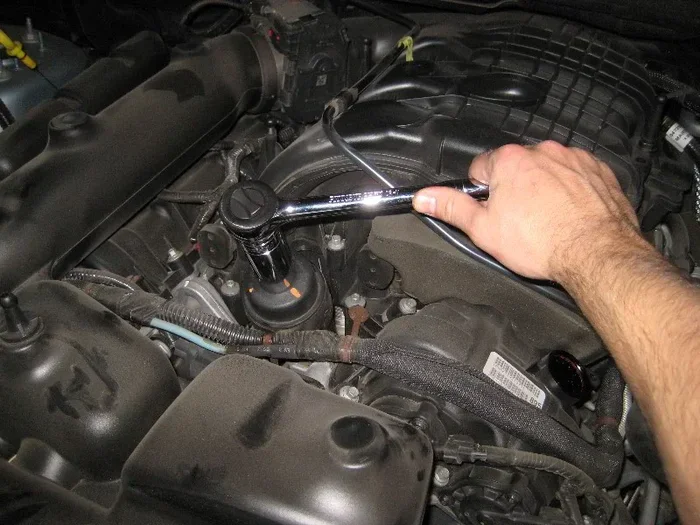
Worn spark plugs cause rough idling, poor fuel economy, and engine misfires. Check your vehicle’s service manual for the correct spark plug type and gap specification. Remove the old plugs carefully and install the new ones. Do not overtighten them, or you risk damaging the threads.
Replacing spark plugs is one of the easiest check engine light repairs you can do at home. A set of spark plugs typically costs between $15 and $50, and the job takes less than an hour for most vehicles.
Fix 3: Clean or Replace the Oxygen Sensor
If the OBD-II scanner shows an oxygen sensor code, you have two options. First, try cleaning the sensor with a specialized cleaner. Sometimes carbon buildup is the only problem, and a good cleaning restores proper function.
If cleaning does not work, you will need to replace the sensor. The part itself is relatively affordable, usually between $50 and $200. The replacement process involves removing the old sensor and threading in the new one. If you are not comfortable doing this yourself, a mechanic can handle it quickly.
Fix 4: Replace the Air Filter
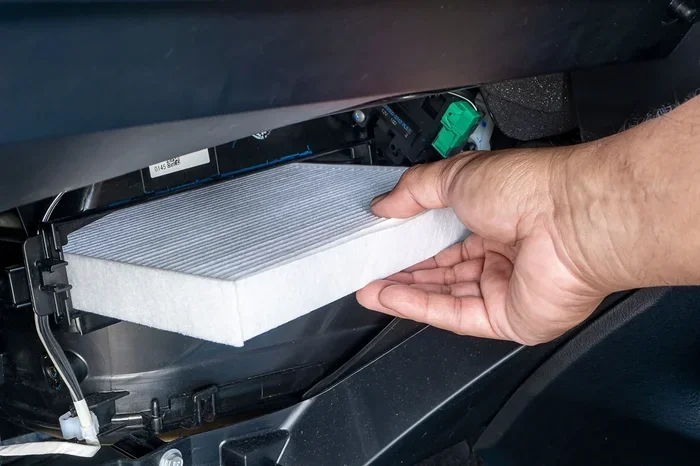
A dirty air filter restricts airflow to the engine, which can trigger the check engine light with a down arrow. Replacing the air filter is one of the simplest maintenance tasks you can do. Open the air box, remove the old filter, and insert a new one. This takes about five minutes and costs under $25.
Make it a habit to check your air filter every oil change. A clean air filter improves engine performance, fuel economy, and reduces emissions. It is a small investment that pays big dividends.
Fix 5: Reset the Light After Repair
Once you have fixed the problem, you need to clear the diagnostic trouble code from the vehicle’s computer. You can do this with an OBD-II scanner by plugging it in and selecting the “clear codes” option.
Alternatively, some people prefer to reset the light after an oil change or other maintenance using the vehicle’s onboard menu system. Check your owner’s manual for the specific steps for your model. Once the code is cleared, drive the vehicle for a few days. If the problem is truly fixed, the check engine light will stay off.
One important note: if you reset the check engine light without disconnecting the battery, the code will return if the underlying problem is not fully resolved. Always make sure the root cause is fixed before clearing any codes.
Quick Tips for Common Check Engine Light Fixes
- Keep spare gas caps in your trunk. They are cheap and easy to lose.
- Write down your OBD-II codes in a notebook or phone app for future reference.
- Do not ignore a flashing check engine light. It indicates a serious problem that can damage your engine.
- Use OEM or quality aftermarket parts when replacing sensors and other components.
- Check for recalls on your vehicle. Some manufacturers issue recalls for specific emissions system issues.
- Keep your OBD-II scanner updated with the latest code definitions for accurate readings.
When Should You See a Mechanic?
Not every check engine light problem is a DIY fix. Some issues require professional tools and expertise. Here are the situations where you should visit a mechanic.
If the check engine light is flashing, do not hesitate. A flashing light means there is a severe misfire that can damage the catalytic converter. Pull over safely and call for a tow. Continuing to drive with a flashing check engine light with a down arrow can turn a simple repair into a very expensive one.
Also, see a mechanic if you experience any of these symptoms along with the warning light:
- Loss of power or acceleration
- Unusual noises from the engine or exhaust
- Smoke or strange odors coming from the vehicle
- Fluid leaks under the car
- Overheating or temperature gauge in the red zone
Some repairs, like catalytic converter replacement or transmission problems, require specialized equipment and training. A professional mechanic has access to advanced diagnostic tools and manufacturer-specific software that can pinpoint problems faster than a basic OBD-II scanner.
If you are not sure whether the issue is serious, it is always better to get a professional opinion. Many repair shops offer free or low-cost diagnostics. You will know exactly what needs to be fixed before you spend a single dollar.
How to Prevent the Check Engine Light from Returning
The best way to deal with a check engine light with a down arrow is to prevent it from coming back in the first place. Regular maintenance is your best defense against dashboard warning lights and engine problems.
Follow Your Vehicle’s Maintenance Schedule
Your vehicle’s owner manual contains a detailed maintenance schedule. Follow it closely. Change your oil on time, replace spark plugs at the recommended intervals, and keep up with scheduled inspections. Skipping maintenance is the number one cause of recurring check engine light issues.
Also, remember that the difference between a check engine light and maintenance required light is important. The maintenance light reminds you of scheduled service, while the check engine light signals a specific problem. Understanding this distinction helps you prioritize your response.
Use Quality Fuel and Parts
Cheap fuel can contain contaminants that damage your emissions system and sensors over time. Whenever possible, fill up at reputable stations. Similarly, use quality parts when performing repairs. Cheap aftermarket parts may save money upfront but can fail quickly and trigger the check engine light again.
Address Small Problems Immediately
The biggest mistake drivers make is ignoring small warning signs. A slight rough idle, a tiny fluid leak, or a faint smell should not be dismissed. These small issues often grow into bigger problems that trigger the down arrow warning light. Fixing them early saves you time, money, and stress.
Keep your vehicle clean, both inside and out. A clean engine bay makes it easier to spot leaks and damaged components. Regular washing also prevents corrosion that can damage electrical connectors and sensors.
Can You Still Drive Safely with the Check Engine Light On?
This is one of the most common questions drivers ask when the check engine light with a down arrow appears. The answer depends on what is causing the light to come on.
If the light is steady and your vehicle is running normally, you can usually drive a short distance. However, you should get the vehicle diagnosed as soon as possible. Many people wonder, Can I drive 50 miles with the check engine light on? The answer is maybe, but it depends entirely on what triggered the light. If the issue is minor, like a loose gas cap, you can drive safely. If it is a serious engine problem, driving that distance could cause more damage.
The safest approach is to have the vehicle inspected promptly. If you notice any change in how the vehicle drives, sounds, or feels, pull over and seek assistance. Trust your instincts. You know your vehicle better than anyone, and something just does not feel right, do not ignore it.
Regular driving with a lit check engine light also means your vehicle will likely fail an emissions test. If your state requires annual inspections, a lit check engine light will result in an automatic fail. Fixing the problem before your inspection saves you from the hassle of a failed test and the cost of a re-inspection.
Key Takeaways
- Understand the Symbol: The check engine light with a down arrow indicates an emissions or engine performance issue stored as a diagnostic trouble code.
- Diagnose First: Use an OBD-II scanner to read the exact code before replacing any parts. This saves time and money.
- Common Causes Are Often Simple: A loose gas cap, bad oxygen sensor, or worn spark plug can all trigger the down arrow warning light.
- Try DIY Fixes First: Many check engine light repairs like tightening the gas cap or replacing spark plugs are easy and affordable to do at home.
- Reset the Light Properly: Clear the code with an OBD-II scanner after fixing the problem, and drive for a few days to confirm the fix worked.
- Know When to Call a Pro: Flashing lights, severe performance issues, or persistent codes need professional diagnosis and repair.
- Prevent Future Issues: Regular maintenance, quality fuel, and prompt attention to small problems keep your dashboard warning lights off and your vehicle running well.
Frequently Asked Questions
What does a check engine light with a down arrow mean?
The down arrow next to the check engine light symbol indicates that your vehicle’s computer has detected a problem with the engine or emissions system. It stores a diagnostic trouble code that you can read with an OBD-II scanner. The arrow itself is just a design feature to distinguish this light from other dashboard warnings.
Can I drive my car if the check engine light with a down arrow is on?
If the light is steady and the vehicle runs normally, you can usually drive a short distance. However, you should get the problem diagnosed as soon as possible. If the light is flashing, stop driving immediately and have the vehicle towed to a repair shop. A flashing light often signals a severe misfire that can cause expensive damage.
How do I reset the check engine light with a down arrow?
The best way to reset the light is to fix the underlying problem first, then use an OBD-II scanner to clear the diagnostic trouble codes. You can also reset the check engine light without disconnecting the battery using the scanner. Simply clearing the code without fixing the root cause will cause the light to return.
How much does it cost to fix a check engine light with a down arrow?
The cost depends entirely on the cause. A loose gas cap costs a few dollars to replace. An oxygen sensor replacement typically runs $100 to $300. A catalytic converter repair can cost $1,000 or more. Getting a proper diagnosis first helps you understand exactly what you are dealing with and avoid unexpected expenses.
Will the check engine light turn off by itself?
Sometimes, yes. If the issue was minor, like a loose gas cap, the light may turn off after a few drive cycles once the system confirms the problem is resolved. However, if the root cause is not fixed, the light will come back. It is always best to diagnose and address the problem rather than waiting for it to go away on its own.
Can a bad battery cause the check engine light with a down arrow to come on?
Yes, a weak or failing battery can cause voltage irregularities that trigger the check engine light. The vehicle’s computer relies on a stable electrical supply to function properly. If your battery is old or not holding a charge, it could be contributing to your dashboard warning. Testing the battery and charging system is a good first step in diagnosis.
=== CONCLUSION ===
Dealing with a check engine light with a down arrow does not have to be stressful. With the right knowledge and a few basic tools, you can diagnose and fix most issues yourself. Start by getting an OBD-II scanner to read the diagnostic trouble codes. From there, you can tackle the problem step by step, whether it is a simple gas cap replacement or a sensor swap.
Remember that the check engine light is your vehicle’s way of communicating with you. It is not something to fear or ignore. By responding promptly and correctly, you protect your engine, save money on repairs, and keep your vehicle running reliably for years to come. Take action today, and you will be back on the road with confidence in no time.