Is It Okay to Drive With the Tire Pressure Light On
Is It Okay to Drive With the Tire Pressure Light On? The short answer is it depends on the severity of the pressure loss. A steady tire pressure light often means a slow leak, while a flashing light signals a more urgent problem. Knowing what to do can keep you safe and prevent costly tire damage.
Is It Okay to Drive With the Tire Pressure Light On? That is a question many drivers ask when they see a glowing symbol on the dashboard. The tire pressure monitoring system (TPMS) light can look alarming, but it does not always mean you need to pull over immediately. The right action depends on the type of light, your driving conditions, and how the vehicle feels.
The TPMS light is part of your vehicle’s safety system. It alerts you when air pressure in one or more tires is too low or too high. Ignoring it can lead to bigger problems like tire damage, poor fuel economy, or even a blowout. In this article, we will break down what the light means, when it is safe to keep driving, and how to fix the issue step by step.
We will also share quick tips, common mistakes, and expert insights. By the end, you will know exactly what to do when that little light comes on. Let us get into it.
Key Takeaways
- A steady tire pressure light usually means a slow leak and you can drive carefully to a service station.
- A flashing TPMS light indicates a rapid pressure drop or sensor fault and requires immediate attention.
- Driving on underinflated tires can cause uneven tread wear, reduced fuel economy, and blowout risks.
- Always use a tire pressure gauge to check actual pressure before deciding to drive.
- Resetting the light is simple after you fix the pressure, but the light may return if the problem persists.
- Regular tire maintenance prevents most pressure warnings and extends tire life.
📑 Table of Contents
What the Tire Pressure Light Actually Means
Your car has a tire pressure monitoring system. This system uses sensors in each wheel. The sensors measure air pressure in real time. When pressure drops below a safe level, the light turns on. Understanding the light helps you respond correctly.
How TPMS Works
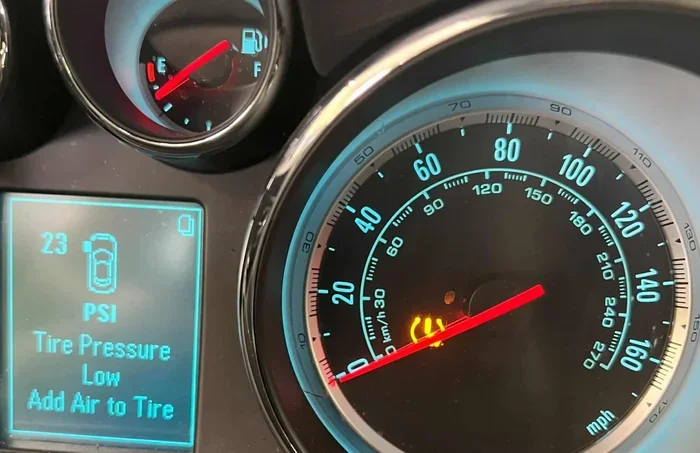
Each tire has a sensor. The sensor sends air pressure data to your car’s computer. If the pressure falls below about 25% of the recommended level, the light appears. Some systems show a yellow symbol that looks like a horseshoe with an exclamation point. Others show a top-down view of a tire with an exclamation mark in the center.
The system is designed to protect you. Proper air pressure keeps the tire handling correctly. It also helps the tire wear evenly. When the light comes on, your tire is telling you something needs attention.
Steady vs. Flashing Light
The behavior of the light matters a lot. A steady glow and a flashing light mean different things. Here is a simple comparison.
| Light Behavior | What It Means | Urgency Level |
|---|---|---|
| Steady glow | Pressure is low in one or more tires | Moderate – check soon |
| Flashing light | TPMS malfunction or rapid pressure loss | High – stop and check immediately |
A steady light usually points to a slow leak or a tire that has lost air over time. A flashing light often signals a problem with the TPMS sensor itself or a sudden, dangerous pressure drop. If the light flashes for more than a minute, treat it as an urgent warning.
Can You Safely Drive With the Tire Pressure Light On
The answer is not a simple yes or no. It depends on the situation. Let us look at when it is okay and when it is not.
When It Is Safe to Keep Driving
If the light is steady and you feel no handling problems, you might be okay to drive a short distance. For example, you can drive to the nearest gas station or tire shop. Just be gentle with the steering and avoid high speeds.
Think of it like asking Can I Still Drive With The Oil Change Light On. Both warning lights mean you should check your vehicle soon. They are not usually emergencies if the car drives normally. Still, you should not ignore them for days or weeks.
Here are signs that it might be safe to continue driving for a short while:
- The light is steady, not flashing.
- The car drives straight and handles normally.
- You do not hear any flapping or thumping sounds.
- You can see the tire looks normal (no obvious bulge or flat spot).
When You Must Stop Immediately
You should pull over safely if you notice any of these signs:
- The light is flashing.
- The car pulls hard to one side.
- You hear a loud flapping or thumping noise.
- The tire looks visibly deflated or damaged.
- The steering feels very heavy or unresponsive.
Driving on a severely flat tire can ruin the tire and damage the wheel rim. It can also cause a dangerous loss of control. If you are on a highway, move to the right lane or shoulder as soon as it is safe. Turn on your hazard lights.
What Happens If You Ignore the Tire Pressure Light
Some drivers see the light and decide to keep going. They hope it will turn off by itself. That is a risky choice. Ignoring the tire pressure light can lead to several serious problems.
Tire Damage and Wear
Driving on underinflated tires causes the outer edges of the tread to wear out quickly. The tire overheats, which weakens the sidewalls. Over time, this can lead to blowouts. A blowout at high speed is extremely dangerous. You could lose control of the vehicle.
Overinflated tires are not good either. They wear out the center of the tread faster. They also provide a harsher ride and less grip on wet roads. Both underinflation and overinflation shorten the life of your tires.
Fuel Efficiency and Safety Risks
Underinflated tires increase rolling resistance. This means your engine has to work harder to move the car. Fuel economy drops. You will fill up more often. The U.S. Department of Energy says properly inflated tires can improve gas mileage by about 3%. That adds up over time.
Safety is the biggest concern. Tires with low pressure take longer to stop. They handle poorly in turns and rain. This puts you and your passengers at risk. It also puts other drivers on the road at risk.
Common Mistakes Drivers Make
Here are mistakes to avoid when the tire pressure light comes on:
- Assuming the light will go away on its own. It rarely does without fixing the cause.
- Only checking one tire. The light might mean multiple tires are low.
- Using the wrong pressure number. Always check the sticker on the driver’s door, not the tire sidewall.
- Ignoring a flashing light. A flashing light needs immediate attention.
- Driving long distances on a flat. This can destroy the tire and rim.
How to Check and Adjust Tire Pressure
Checking your tire pressure is easy and takes just a few minutes. You will need a tire pressure gauge. These are cheap and available at any auto parts store or gas station.
Using a Tire Pressure Gauge
First, remove the valve cap from the tire. Press the gauge firmly onto the valve stem. Read the number on the gauge. Compare it to the recommended pressure listed in your owner’s manual or on the door sticker. If the pressure is low, you need to add air.
If you do not have an air compressor at home, you can use the air pump at a gas station. Many people wonder if they can use a bike pump in an emergency. The answer is yes. You can learn more about that in our article Can You Pump A Car Tire With A Bike Pump. It is a handy trick to know.
Where to Find the Correct Pressure
Do not guess the right pressure. Look for the sticker on the driver’s side door frame. It lists the recommended pressure for the front and rear tires. The number is usually between 30 and 35 PSI for most passenger cars. Check the pressure when the tires are cold, meaning the car has been parked for at least three hours.
Resetting the Tire Pressure Light
Once you fix the pressure, the light may stay on. You will need to reset the system. The process is simple and often takes just a few minutes.
Manual Reset Steps
Here is the general process for most vehicles:
- Turn the ignition to the “ON” position (do not start the engine).
- Locate the TPMS reset button. It is usually under the steering column or on the dashboard.
- Press and hold the button until the tire pressure light blinks three times.
- Start the engine and drive for a few miles.
- The light should turn off once the system recalibrates.
If you are not sure where the reset button is, check your owner’s manual. The process for resetting the light is similar to resetting other vehicle warning lights. For example, the steps to reset the oil change light are very similar. You can find our guide on Do You Reset The Oil Change Light for more reset tips and vehicle-specific instructions.
When to See a Mechanic
If the light keeps coming back after you reset it, there may be a deeper problem. The TPMS sensor itself could be faulty. A sensor battery might be dead. Or there could be a slow leak in the tire that you cannot find. A mechanic can run a diagnostic scan to read the sensor data. They can replace a bad sensor or find a hidden leak. Do not ignore a light that returns after resetting.
Expert Insight: “I see a lot of drivers who reset the light without fixing the cause. The light comes back within days because the real problem is still there. Always find and fix the leak or sensor issue first.” – Auto Technician, 15 years experience.
Preventing Future Tire Pressure Warnings
Prevention is the best way to avoid the hassle of a tire pressure light. A few simple habits can keep your tires healthy and your TPMS quiet.
Regular Maintenance Tips
- Check tire pressure monthly. Set a reminder on your phone. Air pressure naturally drops over time, especially in cold weather.
- Keep a tire pressure gauge in your glovebox. You can check anytime, anywhere.
- Inspect tires for nails, screws, or cuts. Small punctures cause slow leaks.
- Rotate your tires every 5,000 to 7,000 miles. This helps them wear evenly.
- Keep your tires properly aligned. Misalignment causes uneven wear and can trigger the TPMS light.
- Replace TPMS sensors when the battery dies. Most sensor batteries last 5 to 10 years.
Taking care of your tires means fewer surprises. It also means safer driving and better fuel economy. A small effort each month can save you from bigger headaches later.
Conclusion
So, is Is It Okay to Drive With the Tire Pressure Light On? The answer is: it depends. A steady light with normal handling means you can drive carefully to a service point. A flashing light or strange driving feelings mean you must stop and check right away. Never ignore the warning. Your tires are the only part of the car that touches the road. Keeping them at the right pressure is one of the easiest and most important things you can do for safety and vehicle health.
Now you know what the light means, how to check the pressure, and how to reset the system. Use this knowledge the next time that little light comes on. Stay safe, and keep your tires happy.
Frequently Asked Questions
Can I drive 50 miles with the tire pressure light on?
It depends on the light behavior and how the car handles. If the light is steady and the tire is only slightly low, you might be able to drive carefully to a service station. However, if the tire is severely flat, even a short drive can cause permanent damage to the tire and rim. Always check the pressure first if you can do so safely.
What does a flashing tire pressure light mean?
A flashing tire pressure light usually indicates a rapid pressure loss or a malfunction in the TPMS sensor. This is more urgent than a steady light. You should pull over safely and check the tire as soon as possible. If the tire is completely flat, you need to change it or call for roadside assistance.
How do I know if my tire pressure sensor is bad?
A bad sensor often triggers the TPMS light even when the tire pressure is correct. The light may also flash for an extended period. A mechanic can run a diagnostic scan to check each sensor’s battery and signal. If a sensor battery is dead or the sensor is damaged, it will need to be replaced.
Can cold weather cause the tire pressure light to come on?
Yes, cold weather can cause the light to come on. Air pressure inside tires drops as the temperature falls. A change of 10 degrees Fahrenheit can reduce pressure by about 1 PSI. If the pressure drops below the threshold, the light turns on. Adding a little air usually fixes the issue, but you should check for leaks if the light returns.
Is it safe to drive with the tire pressure light on if the tire looks normal?
Even if the tire looks normal, the light means the pressure is below the safe level. You should still check it with a gauge. A tire can lose pressure slowly without looking flat. Driving on underinflated tires, even slightly, can reduce handling and fuel economy. It is best to check and inflate as soon as possible.
How much does it cost to replace a TPMS sensor?
The cost varies by vehicle. A single TPMS sensor typically costs between $50 and $100 for the part. Labor for replacement is usually $20 to $50 per sensor. Some vehicles have sensors that are part of the valve stem assembly, which can be a bit more expensive. Many tire shops can replace the sensor quickly during a routine tire service.