How Long Do Brakes Last on a Toyota Hybrid You Need to Know
How long do brakes last on a Toyota hybrid? Most Toyota hybrid brake pads last between 100,000 and 150,000 miles, which is much longer than standard cars. This is thanks to regenerative braking, which reduces wear on the traditional brake system. However, driving habits, road conditions, and hybrid brake maintenance all play a big role in how long your brakes truly last.
Toyota hybrids are some of the most reliable vehicles on the road today. They save fuel, cut emissions, and feel great to drive. But one question many hybrid owners ask is about their brakes. How long do brakes last on a Toyota hybrid? The answer might surprise you. In most cases, Toyota hybrid brake pads last far longer than those on a regular gas-powered car. This is all thanks to a clever system called regenerative braking. But there is more to the story. Your driving habits, the roads you travel, and how well you maintain the vehicle all matter too. In this guide, we will walk through everything you need to know about Toyota hybrid brake life. We will cover how the system works, what shortens or extends brake life, and when it is time for a replacement.
If you own a Toyota hybrid or are thinking about buying one, this article is for you. We will break things down in simple terms. No jargon. No confusing mechanics talk. Just clear, practical information that helps you take better care of your car. So let us get into it and find out why hybrid brakes last so long and what you can do to make them last even longer.
Key Takeaways
- Toyota hybrid brakes last longer: Regenerative braking reduces wear, helping pads last 100,000 to 150,000 miles.
- Driving style matters a lot: Aggressive driving and heavy stop-and-go traffic can shorten brake life significantly.
- Watch for warning signs: Squealing, grinding, vibration, or a soft brake pedal mean it is time for a checkup.
- Regular maintenance helps: Following a maintenance schedule keeps your brakes in top shape.
- Brake fluid needs attention too: Flushing brake fluid every two years prevents moisture buildup and system damage.
- Hybrid battery health connects to brakes: A weak hybrid battery can put more strain on the traditional braking system.
📑 Table of Contents
- How Long Do Brakes Last on a Toyota Hybrid
- How Hybrid Braking Systems Work Differently
- What Affects Brake Life on a Toyota Hybrid
- Signs Your Toyota Hybrid Brakes Need Attention
- How to Make Your Toyota Hybrid Brakes Last Longer
- When to Replace Toyota Hybrid Brakes
- Expert Tips for Toyota Hybrid Brake Care
- Common Mistakes That Shorten Toyota Hybrid Brake Life
- Final Thoughts
How Long Do Brakes Last on a Toyota Hybrid
The short answer is that most Toyota hybrid brake pads last between 100,000 and 150,000 miles. Some owners even report getting up to 200,000 miles out of a set of pads. That is two to three times longer than what you would expect from a conventional car. A typical gas-powered car might need new brake pads every 30,000 to 70,000 miles. So why the huge difference? It all comes down to how Toyota hybrid systems handle slowing down.
In a regular car, when you press the brake pedal, friction brakes do all the work. These are the pads and rotors that clamp together to stop the wheels. All that friction creates heat and wears down the brake material. Over time, the pads thin out and need replacement. But in a Toyota hybrid, things work differently. The electric motor helps slow the car down. This is called regenerative braking. It captures energy that would normally be lost as heat and sends it back to the hybrid battery. Because the electric motor handles a large part of the deceleration, the traditional friction brakes get used much less often. Less use means less wear. And less wear means your brakes last a very long time.
The Role of Regenerative Braking
Regenerative braking is the secret sauce behind long-lasting Toyota hybrid brakes. When you lift your foot off the accelerator or press the brake pedal lightly, the electric motor reverses its function. Instead of using electricity to spin the wheels, it acts as a generator. It uses the momentum of the moving car to generate electricity. That electricity then charges the hybrid battery. At the same time, the car slows down. This process reduces the need for the friction brakes. As a result, your brake pads stay thicker for much longer. Many Toyota hybrid drivers find that they barely touch the brake pedal during normal city driving. The regenerative system handles most of the slowing down.
However, regenerative braking does not handle everything. When you need to stop quickly from a high speed, the friction brakes still kick in. And in cold weather, the regenerative system may not work as effectively. So the traditional brakes still do their part. But overall, the balance heavily favors the electric motor. This is why Toyota hybrid brake pads can go so many miles before needing replacement.
How Hybrid Braking Systems Work Differently
To really understand how long do brakes last on a Toyota hybrid, you need to understand the full braking system. Toyota hybrids use a combination of two braking systems. The first is regenerative braking, powered by the electric motor. The second is the traditional friction braking system, which uses brake pads, rotors, and calipers. Both systems work together to bring the car to a stop safely and smoothly.
The Electric Motor as a Brake
When you take your foot off the accelerator in a Toyota hybrid, the electric motor begins to slow the car. This feels slightly different from a traditional car. You might notice the car starts to coast and slow down even without pressing the brake pedal. This is normal. The car is using regenerative braking. The harder you press the brake pedal, the more the friction brakes join in. At low speeds or during full stops, the friction brakes handle the final slowdown. But during most everyday driving, the electric motor does the heavy lifting.
The Friction Brake Backup
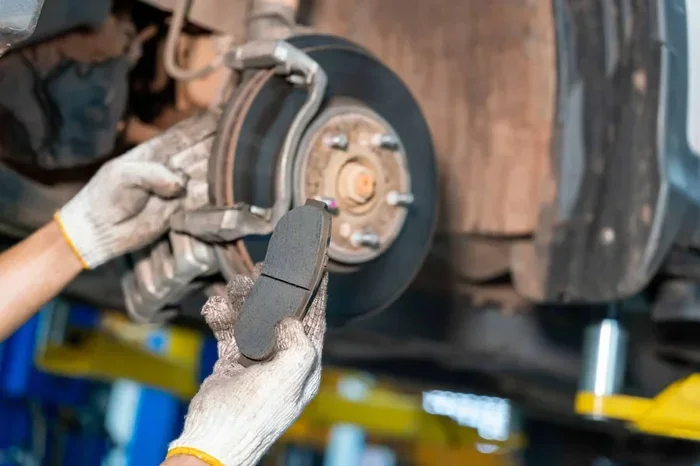
Even though regenerative braking does most of the work, the friction brakes are still essential. They are your backup system. When you need to stop fast, the friction brakes provide the full stopping power. They also engage when the car is completely stopped, keeping it from rolling. Over time, these friction components do wear out. But because they are used less frequently in a hybrid, they last much longer. The brake rotors on a Toyota hybrid also tend to last longer. They resist warping and thinning better because they are not under constant use.
It is also worth noting that if you drive a Toyota hybrid with a bad battery, the regenerative braking system may not work properly. This can put extra strain on the friction brakes, causing them to wear faster. So keeping your hybrid battery healthy is an important part of protecting your brakes.
What Affects Brake Life on a Toyota Hybrid
Even though Toyota hybrid brakes are designed to last a long time, several factors can change how long they actually last. Some of these factors are within your control. Others depend on your driving environment. Let us look at the main things that affect Toyota hybrid brake lifespan.
Driving Habits
How you drive has a big impact on brake wear. If you are a gentle driver who coasts to stops and uses regenerative braking whenever possible, your brakes will last a very long time. But if you ride the brake pedal or brake hard frequently, you wear down the friction brakes faster. Aggressive driving is the enemy of long brake life. Smooth, predictable driving is your best friend. Try to anticipate stops ahead of time. Lift your foot off the accelerator early and let the regenerative system do its job.
Driving Environment
Where you drive matters too. City driving with lots of stop-and-go traffic is actually good for Toyota hybrid brakes. The regenerative braking system shines in these conditions. It handles most of the deceleration, saving the friction brakes. Highway driving, on the other hand, uses the friction brakes more often. You need them to slow down from higher speeds and to maintain safe following distances. If you do mostly highway driving, you might wear your brakes a bit faster than a city driver would. But even then, the pads will last much longer than in a regular car.
Hybrid Battery Health
The health of your hybrid battery plays a role in brake longevity. A fully functioning hybrid battery means the regenerative braking system works at full capacity. But if your battery is old or damaged, the system cannot capture as much energy. This means the friction brakes pick up more of the slack. If you notice your Toyota hybrid battery is not holding a charge as well as it used to, have it checked. A weak battery can lead to faster brake wear. You can also read about how long a hybrid can sit without being driven here to understand more about hybrid battery health.
Brake Fluid and System Maintenance
Brake fluid is often overlooked, but it is critical to the health of your entire braking system. Over time, brake fluid absorbs moisture from the air. This moisture can cause corrosion inside the brake lines, calipers, and master cylinder. It can also lower the boiling point of the fluid, which affects braking performance. Flushing and replacing your brake fluid every two years is a smart move. This simple step keeps the whole system working properly and can prevent costly repairs down the road.
Signs Your Toyota Hybrid Brakes Need Attention
Even though Toyota hybrid brakes last a long time, they still need regular attention. Knowing the warning signs early can help you avoid expensive repairs and keep you safe on the road. Here are the most common signs that your Toyota hybrid brakes need a checkup.
Squealing or Squeaking Noises
A high-pitched squeal when you press the brake pedal is one of the first signs of worn brake pads. Toyota hybrid brake pads often have built-in wear indicators. These small metal tabs touch the rotor when the pad material gets thin. The result is a loud squealing sound. Do not ignore this noise. It means your pads are getting low and need inspection soon.
Grinding Sounds
A grinding or growling noise is more serious than squealing. It usually means the brake pad material is completely worn down. The metal backing of the pad is now grinding against the metal rotor. This can damage the rotor and lead to a much more expensive repair. If you hear grinding, get your brakes checked right away.
Vibration or Pulsation
If you feel a vibration or pulsing through the brake pedal when you stop, your brake rotors might be warped. Warped rotors happen from heat buildup or uneven wear. They can make braking feel uneven and reduce stopping power. Resurfacing or replacing the rotors usually fixes this problem. A new bumper fitting is unrelated, but a trusted mechanic can handle rotor work quickly.
Soft or Spongy Brake Pedal
A brake pedal that feels soft, spongy, or sinks to the floor is a red flag. This often means there is air in the brake lines or a leak in the system. Low brake fluid can also cause this feeling. A soft pedal reduces your braking power, which is a serious safety concern. Have the system inspected immediately if you notice this symptom.
Longer Stopping Distances
If your Toyota hybrid takes longer to stop than it used to, do not ignore it. Longer stopping distances can be caused by worn pads, low brake fluid, or a problem with the braking system. This is a safety issue that needs prompt attention. Have a professional check your brakes as soon as possible.
How to Make Your Toyota Hybrid Brakes Last Longer
Want to get the most miles out of your Toyota hybrid brakes? There are several things you can do to extend their life. These tips are simple but effective. Following them can help you go well beyond the average brake pad lifespan.
Use Regenerative Braking Whenever Possible
The best way to save your friction brakes is to rely on regenerative braking. Lift your foot off the accelerator early when you see a red light or stop sign. Let the electric motor slow the car down. Only press the brake pedal when you need to stop quickly or when the regenerative system is not enough. This habit alone can add tens of thousands of miles to your brake pads.
Avoid Riding the Brake Pedal
Resting your foot on the brake pedal while driving is a bad habit. It causes constant light contact between the pads and rotors. This creates unnecessary wear and heat. Keep your foot off the brake pedal unless you are actively slowing down or stopping. This simple change can make a big difference.
Keep Your Hybrid Battery Healthy
As we mentioned earlier, a healthy hybrid battery means a working regenerative braking system. Keep your battery in good condition by following the manufacturer’s recommended maintenance. If you notice any issues with battery performance, have them checked right away. A well-functioning battery takes the load off your friction brakes.
Follow a Regular Maintenance Schedule
Sticking to a regular maintenance schedule is one of the best things you can do for your Toyota hybrid brakes. During routine service visits, a mechanic can inspect your brake pads, rotors, calipers, and brake fluid. They can spot early signs of wear and address problems before they become expensive repairs. Regular brake inspections are especially important for hybrid vehicles because the warning signs can be subtle.
Check Brake Fluid Regularly
Brake fluid does not get checked as often as oil or coolant, but it deserves attention. Low or contaminated brake fluid can affect braking performance and damage system components. Have your brake fluid level and condition checked at every service visit. Replace it every two years or as recommended by Toyota. Fresh brake fluid keeps the system working smoothly and prevents corrosion.
Drive Smoothly and Predictably
Smooth driving is kind to your brakes. Avoid hard braking whenever possible. Anticipate traffic flow and adjust your speed gradually. Coasting to stops instead of braking hard at the last second reduces wear on both the pads and rotors. Plus, smooth driving improves fuel efficiency, which is a nice bonus for any hybrid driver.
When to Replace Toyota Hybrid Brakes
Knowing when to replace your Toyota hybrid brakes is important for safety and performance. While the average lifespan is 100,000 to 150,000 miles, your actual replacement interval depends on the factors we discussed above. Here is what to expect and when to take action.
Typical Brake Pad Replacement Interval
Most Toyota hybrid owners replace their brake pads somewhere between 100,000 and 150,000 miles. Some go longer, and some go shorter. The key is to let the condition of the pads guide you, not just the mileage. Have your mechanic check the pad thickness during every oil change or service visit. When the pads get down to about 3 to 4 millimeters of material, it is time to start planning for replacement.
Brake Rotor Replacement
Brake rotors on a Toyota hybrid typically last longer than the pads. Many owners replace rotors every 150,000 to 200,000 miles. However, warped or scored rotors may need attention sooner. If you notice vibration or uneven braking, have the rotors inspected. Resurfacing is sometimes an option, but replacement is often the safest choice for severely worn rotors.
Brake Caliper Maintenance
Brake calipers are the components that clamp the pads against the rotors. They can stick or seize over time, especially if they are not regularly maintained. Stuck calipers cause uneven pad wear and can damage the rotors. Have your calipers checked during brake inspections. Cleaning and lubricating them as part of regular maintenance can prevent problems before they start.
Cost Considerations
Replacing brakes on a Toyota hybrid is generally less expensive than on a regular car. The pads last so much longer that you pay for replacements less often. A full brake pad and rotor replacement on a Toyota hybrid might cost between $300 and $600 per axle, depending on the model and location. Brake fluid flushes typically cost between $80 and $120. These costs are reasonable, especially when you consider how long the brakes last. Keeping up with maintenance helps you avoid the much higher costs of major brake repairs caused by neglect.
Expert Tips for Toyota Hybrid Brake Care
We talked to several Toyota hybrid specialists to get their top tips for brake care. Here is what the experts recommend.
- Do not skip brake inspections. Even if your brakes feel fine, regular inspections catch problems early.
- Watch your dashboard warnings. Some Toyota hybrids have brake system warning lights. Do not ignore them.
- Keep records. Track your brake pad thickness and replacement dates. This helps you spot trends and plan ahead.
- Use OEM or quality aftermarket parts. Cheap brake pads may save money upfront but wear out faster and can damage rotors.
- Address small problems quickly. A minor squeal today can become a major repair tomorrow if left unchecked.
Also, if you are curious about how your Toyota hybrid behaves at different speeds, check out this article on when Toyota hybrid cars switch to petrol. Understanding the hybrid system helps you get the most out of both the electric motor and the braking system.
Another tip from the experts is to be mindful of how your hybrid sits when not in use. If you are planning an extended trip or your car will be parked for a while, proper storage matters. You can learn more about this in our guide on how long a hybrid can sit without being driven. Keeping the hybrid battery and braking system in good shape during periods of inactivity helps extend the life of both.
Common Mistakes That Shorten Toyota Hybrid Brake Life
Even with the best regenerative braking system, certain mistakes can shorten the life of your Toyota hybrid brakes. Here are the most common ones to avoid.
- Riding the brake pedal: Keeping your foot on the pedal creates constant friction and heat.
- Ignoring warning signs: Squealing, grinding, or vibration should never be ignored.
- Skipping brake fluid changes: Old brake fluid causes corrosion and reduces braking performance.
- Overloading the vehicle: Extra weight puts more stress on the braking system.
- Neglecting hybrid battery health: A weak battery means the regenerative system works less effectively.
- Hard braking habits: Frequently slamming the brakes wears pads and rotors much faster.
Avoiding these mistakes is simple. It just requires awareness and a little extra attention to how you drive and maintain your vehicle. Over time, these good habits pay off with longer-lasting brakes and lower repair costs.
Final Thoughts
How long do brakes last on a Toyota hybrid? The answer is clear. With proper care and driving habits, your Toyota hybrid brakes can last 100,000 to 150,000 miles or more. The regenerative braking system is a game-changer. It reduces friction brake wear and helps you save money on repairs. But the system is not magic. You still need to pay attention to warning signs, follow a regular maintenance schedule, and drive smoothly. These simple steps keep your brakes in great shape for the long haul.
Toyota hybrids are built to last, and that includes the braking system. By understanding how the system works and taking care of it, you can enjoy years of safe, reliable driving. Your brakes are one of the most important safety features on your car. Treat them well, and they will treat you well in return. Stay on top of inspections, keep your hybrid battery healthy, and enjoy the confidence that comes with a well-maintained Toyota hybrid.
Frequently Asked Questions
How often should I replace brake pads on a Toyota hybrid?
Most Toyota hybrid brake pads last between 100,000 and 150,000 miles. However, the exact interval depends on your driving habits and conditions. Have your pads inspected regularly to determine when replacement is needed.
Is regenerative braking enough to stop a Toyota hybrid?
Regenerative braking handles most everyday slowing down. But for full stops and emergency braking, the traditional friction brakes are still essential. Both systems work together to provide complete stopping power.
Can a bad hybrid battery affect my brakes?
Yes, a weak or failing hybrid battery can reduce the effectiveness of regenerative braking. This puts more strain on the friction brakes, causing them to wear faster. Keep your hybrid battery in good health to protect your brakes.
How do I know when my Toyota hybrid brake pads are worn?
Common signs include squealing noises, grinding sounds, vibration when braking, and a soft brake pedal. Some Toyota hybrids also have dashboard warning lights. Have your brakes inspected if you notice any of these symptoms.
Are Toyota hybrid brakes cheaper to maintain than regular brakes?
Yes, generally speaking. Because regenerative braking reduces friction brake wear, Toyota hybrid owners replace brake pads and rotors less often. This leads to lower maintenance costs over the life of the vehicle.
How long do Toyota hybrid brake rotors last?
Toyota hybrid brake rotors typically last between 150,000 and 200,000 miles. However, warped or damaged rotors may need replacement sooner. Regular inspections help catch rotor issues early before they cause further damage.