How Do You Release a Steering Lock Without a Battery Guide
Releasing a steering lock without a battery is simpler than most drivers think. You can use the ignition key, the steering wheel wiggle method, or a manual override to unlock the column. This guide walks you through every safe method step by step.
Have you ever walked out to your car, stuck the key in the ignition, and found that the steering wheel is completely locked? It happens to everyone at least once. And if your car battery is dead or dying, the situation can feel even more stressful.
The good news is that releasing a steering lock without a battery is something you can do yourself. You do not need a mechanic, you do not need expensive tools, and you do not need to panic. This guide will show you exactly how to handle it. We will cover every method that works across different vehicle types. By the end, you will feel confident tackling this problem on your own.
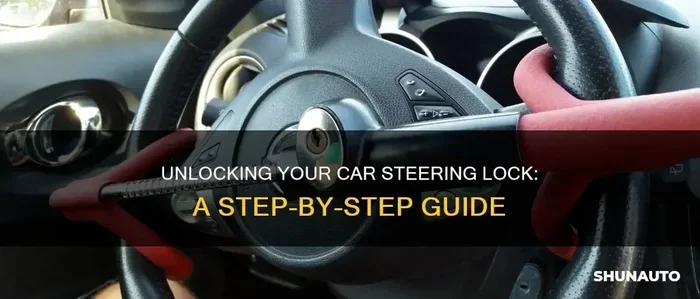
A steering lock is a built-in security feature. It prevents your steering wheel from turning when the ignition is off. This makes it much harder for thieves to drive away with your car. But when the battery dies or the system glitches, that same lock can leave you stranded. Understanding how it works is the first step to fixing it.
Key Takeaways
- Steering locks engage automatically when you remove the key from the ignition, and they can also activate when the battery dies.
- The wiggle-and-turn method is the most common and easiest way to release a steering lock without a battery.
- You can use the physical key even in push-start vehicles if the battery is completely dead.
- Avoid forcing the wheel aggressively, as this can damage the steering column or lock mechanism.
- Regular maintenance of your key fob battery and ignition system helps prevent unexpected lockouts.
- Knowing your vehicle-specific override can save time and money at the repair shop.
📑 Table of Contents
- Why Does a Steering Lock Engage Without a Battery?
- How to Release a Steering Lock Without a Battery: Step-by-Step
- Common Reasons Your Steering Lock Gets Stuck
- Preventing Steering Lock Problems in the Future
- When to Call a Professional
- Comparison: Steering Lock Release Methods
- Expert Tips for Toyota and Hybrid Vehicles
- Key Takeaways
- Conclusion
Why Does a Steering Lock Engage Without a Battery?
Most modern vehicles have an automatic steering column lock. When you turn off the engine and remove the key, a pin drops into the steering column. This locks the wheel in place. It is a simple mechanical process that does not rely on electricity.
However, when the battery dies, things can get tricky. The electronic ignition system may not respond to the key or push-button start. The power steering assist might also fail, making the wheel feel extra stiff. These combined factors can make it seem like the lock is stuck permanently.
Some vehicles, especially Toyota models and hybrids, have electronic steering locks that depend on power. When the battery is dead, these systems may not release normally. This is different from older mechanical locks. Knowing which type your car has helps you choose the right fix.
The Role of the Key Fob Battery
If you drive a push-start vehicle, the key fob battery plays a big role. A weak or dead fob battery can sometimes cause the steering lock to behave oddly. The car might not recognize the key, and the steering column stays locked. Replacing the fob battery is often the first thing to try before moving to more advanced methods.
You might also want to check: Can You Replace A Car Key Fob Battery Yourself for a quick walkthrough on swapping that small battery.
How to Release a Steering Lock Without a Battery: Step-by-Step
There are several reliable methods to unlock a steering column when the battery is dead. Each method works for different situations. Let us walk through them one by one.
Method 1: The Wiggle and Turn Technique
This is the most popular and simplest method. It works on most vehicles with a traditional ignition key. Here is how to do it:
- Step 1: Insert the physical key into the ignition cylinder.
- Step 2: While gently wiggling the steering wheel left and right, turn the key.
- Step 3: Apply steady pressure. Do not force it. The wheel should release with a soft click.
- Step 4: Once the wheel moves freely, start the engine as normal.
The key idea is to apply gentle pressure in both directions while turning the key. The lock pin needs to align with the groove in the column. Wiggling helps it find that alignment. This method works even when the battery is completely dead because it relies on pure mechanical action.
If this method does not work, do not keep forcing it. Move on to the next method. Forcing the wheel can cause real damage to the steering column.
Method 2: Using the Steering Wheel Override
Some vehicles have a manual override for the steering lock. This is usually a small slot or button near the steering column. You can access it with a flathead screwdriver or a key.
Look for a tiny hole on the steering column housing. Insert a thin tool and press gently. You should feel the lock release. This method bypasses the electronic system entirely. It works directly on the mechanical lock mechanism.
Not all cars have this feature. Check your vehicle owner manual to see if yours does. If you do not have the manual, a quick search online for your specific model and year will tell you.
Method 3: Jump-Starting the Vehicle
Sometimes the steering lock is not the real problem. The real issue is a dead battery that prevents the entire ignition system from working. In that case, jump-starting the car can solve both problems at once.
Once the battery has enough power, the electronic steering lock should release normally. You can then drive to a mechanic to check why the battery died in the first place.
You might also want to read: Can You Jump Start A Toyota Hybrid Battery if you own a hybrid vehicle. Hybrid batteries require a slightly different approach.
For regular cars, you can also check: Can A Car Run Without A Battery to understand the relationship between your battery and electrical systems.
Method 4: Using a Spare Key or Physical Override
Many drivers forget they have a spare key. If your main key fob battery is dead, the spare key might still work. Insert the physical key into the ignition and try the wiggle method.
Some vehicles also have a hidden physical override for the push-button start. Look for a small cover on the steering column or near the center console. Under that cover, you will find a slot where you can insert a mechanical key. This bypasses the electronic system and allows you to start the car with a dead fob battery.
Common Reasons Your Steering Lock Gets Stuck
Understanding why the lock gets stuck helps you prevent it from happening again. Here are the most common causes:
- Dead car battery: The most common cause. Without power, electronic locks cannot release.
- Worn ignition cylinder: Over time, the key and cylinder wear down. This makes it harder to turn.
- Debris in the lock: Dirt and dust can build up inside the ignition cylinder. This blocks the lock mechanism.
- Faulty steering lock motor: In electronic systems, the motor that releases the lock can fail.
- Key fob issues: A weak fob battery can cause intermittent lock problems.
If your steering lock gets stuck frequently, it is worth investigating the root cause. A simple battery test with a multimeter can reveal a lot about your electrical health.
Preventing Steering Lock Problems in the Future
Prevention is always better than repair. Here are some simple habits that keep your steering lock working smoothly:
- Replace your key fob battery every 1 to 2 years. This prevents unexpected power loss.
- Turn the steering wheel slightly before removing the key. This reduces stress on the lock mechanism.
- Keep the ignition cylinder clean. Use a small amount of electrical contact cleaner once a year.
- Do not force the key. If it does not turn easily, stop and try a different approach.
- Get regular maintenance checks. A mechanic can spot early signs of steering lock wear.
These small steps add up. They can save you from a frustrating lockout situation on a cold morning or a busy day.
When to Call a Professional
Most steering lock releases are DIY-friendly. But there are times when you should call a professional. If none of the methods above work, the problem might be deeper than a simple lock engagement.
Here are signs you need expert help:
- The steering wheel feels physically stuck and will not move at all.
- You hear grinding or clicking sounds when trying to turn the key.
- The ignition cylinder is damaged or the key breaks inside it.
- Your vehicle has an electronic steering lock that requires specialized tools to reset.
A professional mechanic has the right tools and knowledge to handle these situations safely. Trying to force a mechanical problem can lead to expensive repairs. Sometimes a quick call to a trusted shop saves you hundreds of dollars.
Comparison: Steering Lock Release Methods
Here is a quick comparison of the methods we covered:
| Method | Difficulty | Tools Needed | Works Without Battery |
|---|---|---|---|
| Wiggle and Turn | Easy | Physical key | Yes |
| Steering Override | Medium | Flathead screwdriver | Yes |
| Jump Start | Medium | Jumper cables or portable jump starter | No (needs some power) |
| Spare Key Override | Easy | Spare key or mechanical key | Yes |
As you can see, the wiggle-and-turn method is the most reliable when you have no battery power at all. It requires no tools and works on almost every vehicle with a traditional ignition.
Expert Tips for Toyota and Hybrid Vehicles
Toyota vehicles and hybrids have some unique steering lock behaviors. Many Toyota models use an electronic steering lock that engages automatically when you remove the key. When the hybrid battery or regular battery dies, this electronic lock can sometimes get stuck.
If you own a Toyota, you might want to check: Can You Turn Off Steering Assist In A Toyota for more details on how the steering system works in Toyota vehicles.
For Toyota hybrid owners, the hybrid battery and the 12-volt auxiliary battery are separate systems. The steering lock is usually controlled by the 12-volt battery. If that battery dies, the steering lock may engage even if the hybrid battery is fine. This is an important distinction that many drivers do not know about.
You can also check: Can You Drive A Toyota Hybrid With A Bad Battery to understand how a weak battery affects your Toyota hybrid’s overall performance.
Key Takeaways
- Steering locks engage automatically when you remove the key from the ignition, and they can also activate when the battery dies.
- The wiggle-and-turn method is the most common and easiest way to release a steering lock without a battery.
- You can use the physical key even in push-start vehicles if the battery is completely dead.
- Avoid forcing the wheel aggressively, as this can damage the steering column or lock mechanism.
- Regular maintenance of your key fob battery and ignition system helps prevent unexpected lockouts.
- Knowing your vehicle-specific override can save time and money at the repair shop.
Conclusion
Releasing a steering lock without a battery is a skill every driver should have. It is not complicated, and it does not require special training. The wiggle-and-turn method alone solves most cases. The other methods give you backup options when the first one does not work.
Remember to stay calm. Do not force anything. Work through each method gently and patiently. Your steering column is an expensive and important part of your vehicle. Treat it with care.
Prevention goes a long way. Keep your key fob battery fresh, maintain your ignition system, and handle your steering wheel gently when starting and stopping the engine. These small habits keep everything running smoothly.
Next time you face a locked steering wheel with a dead battery, you will know exactly what to do. You have the knowledge, the methods, and the confidence to handle it yourself. That is what good car ownership is all about.
Frequently Asked Questions
Can a steering lock damage my car if I try to release it myself?
If you use gentle force and the correct methods, you will not damage your steering lock. However, forcing the wheel aggressively can bend or break components inside the steering column. Always wiggle gently and apply steady, moderate pressure. If something feels stuck or wrong, stop and consult a professional.
Does a dead battery always cause the steering lock to engage?
No, a dead battery does not always cause the steering lock to engage. Mechanical steering locks activate when you remove the key from the ignition. However, a dead battery can prevent electronic locks from releasing properly. It can also make the steering wheel feel stiffer because the power steering assist is not working.
How do I know if my steering lock is electronic or mechanical?
Most older vehicles use mechanical steering locks that work purely with a pin and groove system. Newer vehicles, especially Toyotas and hybrids, often use electronic steering locks that depend on power to release. Check your vehicle owner manual or look for a small override slot near the steering column. If your car has a push-button start, it likely uses an electronic lock system.
What should I do if the key breaks off in the ignition?
If your key breaks in the ignition, do not try to pull it out with pliers or your fingers. Use needle-nose tweezers if the broken piece is visible. Otherwise, call a locksmith or mechanic. A broken key in the ignition can make the steering lock even harder to release. Keeping a spare key in a safe place helps prevent this situation entirely.
Can I prevent my steering lock from engaging when I park?
You cannot completely prevent the steering lock from engaging, as it is a security feature. However, you can reduce stress on the mechanism by turning the steering wheel slightly before removing the key. This gives the lock pin room to engage without putting pressure on the column. It is a small habit that makes a big difference over time.
How long does it take to release a steering lock without a battery?
Most steering locks release within 30 seconds to 2 minutes using the wiggle-and-turn method. If the lock is stuck due to debris or a mechanical issue, it might take longer. If you have tried all methods and the lock still will not release, it is best to contact a professional rather than keep trying. Spending more than 10 minutes on a stuck lock increases the risk of damage.