Is It Really True You Shouldnt Change Transmission Fluid
Many drivers wonder if skipping transmission fluid changes is safe. The truth is that neglecting transmission fluid can lead to serious damage, but some modern fluids last much longer than older ones. This guide covers everything you need to know about transmission fluid maintenance, including when to change it, what happens if you don’t, and how to avoid costly repairs.
You have probably heard the saying that you should never change your transmission fluid. Some car owners swear by it. Others say it is one of the most important maintenance tasks you can do. So who is right?
The answer is not as simple as a yes or no. It depends on your vehicle, your driving habits, and the type of transmission fluid you use. What is true is that transmission fluid plays a huge role in how well your car shifts gears, stays cool, and runs smoothly.
In this article, we will look at the real risks of skipping transmission fluid changes. We will also cover the signs that your fluid needs attention, how often you should really change it, and what it costs compared to fixing a damaged transmission. By the end, you will know exactly what to do for your car.
Key Takeaways
- Skipping fluid changes can cause major transmission damage over time, leading to expensive repairs or even full replacement.
- Modern vehicles often have longer intervals between fluid changes, but that doesn’t mean you should skip them entirely.
- Dirty transmission fluid loses its lubricating properties, which increases friction and heat inside the transmission.
- Driving with bad transmission fluid can cause slipping, jerking, and eventually complete transmission failure.
- The cost of a fluid change is far less than the cost of repairing or replacing a damaged transmission.
- Always check your owner’s manual for the manufacturer’s recommended transmission service interval.
- Warning signs like slipping gears or burning smells mean you should check your fluid immediately.
📑 Table of Contents
- What Happens If You Never Change Your Transmission Fluid?
- The Truth About Transmission Fluid Lifespan
- Signs Your Transmission Fluid Needs Changing
- How Often Should You Really Change Transmission Fluid?
- The Cost of Changing vs. Not Changing Transmission Fluid
- Common Mistakes People Make With Transmission Fluid
- Expert Insights on Transmission Fluid Changes
- Conclusion
What Happens If You Never Change Your Transmission Fluid?
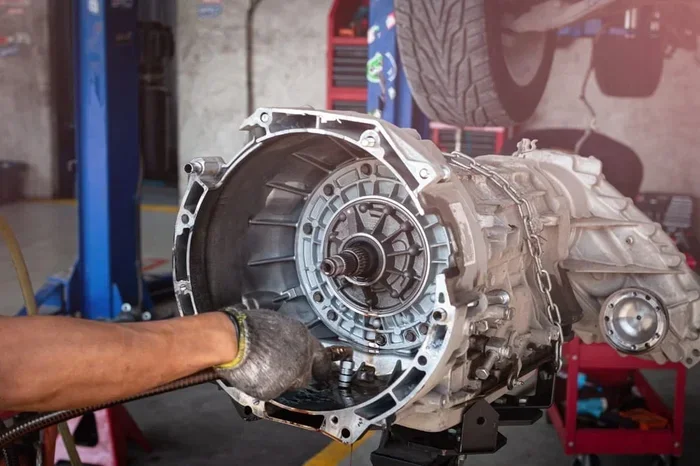
Transmission fluid is the lifeblood of your vehicle’s gearbox. It lubricates all the moving parts inside the transmission. It also helps cool the system and provides the hydraulic pressure needed for smooth gear shifts.
The Breakdown Over Time
Over time, transmission fluid breaks down. Heat and friction cause the additives in the fluid to wear out. Dirt, metal particles, and other debris mix into the fluid. This creates a gritty texture that no longer protects your transmission the way it should.
When fluid gets old and dirty, it starts to lose its ability to flow properly. Thick, dirty fluid cannot reach all the small passages inside the transmission. This means certain parts get less lubrication than they need.
Here is what can happen if you never change your transmission fluid:
- Increased friction between gears and internal components.
- Overheating of the transmission system.
- Slipping gears that cause poor acceleration.
- Rough or jerky shifts that make driving uncomfortable.
- Complete transmission failure requiring a full rebuild or replacement.
Some people wonder if they can just add transmission fluid if it is low instead of doing a full change. Topping off is a temporary fix, but it does not replace the old, contaminated fluid. You still need a proper change eventually.
Can You Drive With Bad Transmission Fluid?
Technically, you can drive a short distance with dirty fluid. But it is not a good idea. Driving with bad transmission fluid puts extra stress on every part of your gearbox. The longer you wait, the worse the damage gets.
If you are already experiencing symptoms of a bad transmission, continuing to drive could make things much worse. A small repair now could turn into a very expensive one later.
The Truth About Transmission Fluid Lifespan
One of the biggest myths out there is that transmission fluid lasts forever. That is simply not true. But the lifespan of your fluid depends on several factors.
Automatic vs. Manual Transmission Fluid
Automatic transmissions work harder than manual ones. They use more fluid and the fluid breaks down faster because of the heat generated by the torque converter and clutch packs. Automatic transmission fluid (ATF) typically needs to be changed more often than fluid for a manual gearbox.
Manual transmission fluid, on the other hand, is often just gear oil. It does not break down as quickly because manual transmissions generally run cooler. However, it still needs to be replaced at regular intervals.
How Long Does Transmission Fluid Actually Last?
Here is a general breakdown of transmission fluid lifespan by vehicle type:
| Vehicle Type | Fluid Type | Typical Change Interval |
|---|---|---|
| Older automatic (pre-2010) | Standard ATF | Every 30,000 to 60,000 miles |
| Newer automatic (2010+) | Synthetic ATF | Every 60,000 to 100,000 miles |
| Manual transmission | Gear oil | Every 30,000 to 60,000 miles |
| Heavy-duty / towing vehicles | High-performance ATF | Every 15,000 to 30,000 miles |
Always check your owner’s manual for the exact interval your manufacturer recommends. Some newer cars claim to have “lifetime” fluid, but even that fluid degrades over time, especially under hard driving conditions.
If you are unsure whether your current fluid is still good, you might be tempted to add fluid instead of changing it. While this can help temporarily, it does not remove the contaminants already in the system.
Signs Your Transmission Fluid Needs Changing
Your car will tell you when something is wrong with the transmission fluid. You just need to pay attention. Here are the most common warning signs.
1. Slipping Gears
If your transmission slips out of gear or feels like it is not holding gear properly, that is a red flag. Old fluid loses its hydraulic pressure, which can cause the gears to slip. This is dangerous, especially at highway speeds.
2. Rough or Delayed Shifts
Smooth shifts should feel almost seamless. If you notice a delay when shifting from park to drive, or if the shifts feel jerky and harsh, your fluid might be too dirty to do its job.
3. Burning Smell
A burning smell coming from under your hood is never a good sign. It usually means the transmission fluid is overheating and burning. This happens when the fluid is old and can no longer handle the heat properly.
4. Dark or Dirty Fluid
Fresh transmission fluid is usually bright red and clear. If you check your fluid and it looks brown, dark, or has a burnt smell, it is past time for a change. You can do a simple transmission fluid check at home with the engine warm and running.
5. Warning Lights on the Dashboard
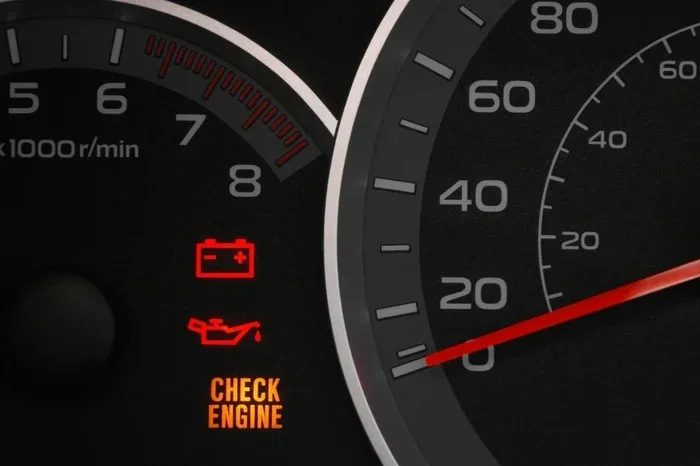
Some vehicles have a transmission warning light or a check engine light that comes on when the fluid is low or degraded. Do not ignore these warnings. They are your car’s way of telling you something needs attention.
How Often Should You Really Change Transmission Fluid?
The honest answer is that it depends on how you drive and what kind of car you have. Let us break it down.
Normal Driving Conditions
If you drive your car gently, mostly on highways, and in moderate climates, you can probably stick to the standard interval in your owner’s manual. For most vehicles, this means changing the fluid every 60,000 to 100,000 miles.
Severe Driving Conditions
However, if you fall into any of these categories, you should change your fluid more often:
- You tow a trailer or haul heavy loads.
- You drive in stop-and-go traffic frequently.
- You live in a hot climate where your engine runs hotter.
- You do a lot of mountain driving or steep hill climbs.
- You race or drive aggressively.
Under severe conditions, some experts recommend changing transmission fluid every 15,000 to 30,000 miles. This might sound frequent, but it is nothing compared to the cost of a transmission rebuild.
Quick Tips for Transmission Fluid Maintenance
- Check your fluid monthly to catch any issues early.
- Use the type of fluid recommended by your vehicle’s manufacturer.
- Do not ignore small leaks. Even a small leak can cause low fluid levels that lead to big problems.
- Get a professional inspection if you notice any unusual symptoms.
- Keep a maintenance log so you know when your last fluid change was done.
If you are ever unsure about your fluid level or condition, you can always check whether your transmission fluid is low and top it off as a temporary measure. But remember, adding fluid is not the same as changing it.
The Cost of Changing vs. Not Changing Transmission Fluid
Let us talk numbers. Because at the end of the day, cost is one of the biggest reasons people skip transmission fluid changes.
Cost of a Transmission Fluid Change
A standard transmission fluid change typically costs between $100 and $250 for most passenger vehicles. A fluid flush, which removes all the old fluid, might cost between $200 and $400. These prices vary based on your location, vehicle type, and whether you do it yourself or go to a shop.
Cost of Ignoring the Fluid
Now let us look at what happens if you ignore it. Here is a rough comparison:
| Scenario | Estimated Cost |
|---|---|
| Transmission fluid change | $100 – $400 |
| Transmission fluid flush | $200 – $400 |
| Transmission repair (moderate damage) | $1,500 – $3,000 |
| Transmission rebuild | $2,500 – $5,000 |
| Transmission replacement | $4,000 – $8,000+ |
The numbers speak for themselves. A simple fluid change costs a fraction of what a transmission repair or replacement will set you back. Skipping this maintenance is a false economy that can cost you thousands of dollars down the road.
If you are already dealing with transmission issues, you might be wondering if it is safe to keep driving. The answer depends on the severity of the problem. Sometimes it is better to get a professional opinion sooner rather than later.
Common Mistakes People Make With Transmission Fluid
Even well-meaning car owners make mistakes when it comes to transmission fluid maintenance. Here are the most common ones to avoid.
Mistake 1: Using the Wrong Fluid Type
Not all transmission fluids are the same. Using the wrong type can cause poor shifting, overheating, and internal damage. Always use the fluid specified in your owner’s manual. If you are unsure, ask a trusted mechanic.
Mistake 2: Only Topping Off Instead of Changing
Adding new fluid on top of old fluid does not clean the system. The contaminants remain in the transmission. You need a full change or flush to remove the old fluid completely.
Mistake 3: Ignoring Leaks
A small puddle of red fluid under your car is a sign of a leak. Many people ignore it because the car still drives fine. But low fluid levels mean less lubrication and more wear on internal parts.
Mistake 4: Waiting for Symptoms
By the time you notice slipping gears or rough shifts, the damage may already be done. Waiting for symptoms instead of following a regular maintenance schedule is one of the biggest mistakes you can make.
Mistake 5: Skipping the Filter
Many transmissions have a filter that catches debris and keeps the fluid clean. When you change the fluid, you should also replace the filter. Skipping this step means the new fluid can get contaminated quickly.
Expert Insights on Transmission Fluid Changes
We asked several certified mechanics about their thoughts on transmission fluid changes. Here is what they had to say.
Most mechanics agree: changing your transmission fluid on schedule is one of the best things you can do for the longevity of your vehicle. It is a small cost that pays off big time over the life of your car.
One mechanic shared this insight: “I see so many cars come in with transmission problems that could have been prevented with regular fluid changes. Once the internal parts start wearing out, there is no going back. Prevention is always cheaper than repair.”
Another expert pointed out that modern synthetic fluids do last longer than older conventional fluids. But even synthetic fluid degrades over time. It is not a set-it-and-forget-it situation. Regular checks and timely changes are still essential.
So the next time someone tells you that you should never change your transmission fluid, you can confidently share what you have learned here. The real truth is that proper maintenance keeps your transmission healthy and saves you from expensive surprises.
Conclusion
So is it really true that you should not change your transmission fluid? The answer is a clear no. Changing your transmission fluid on schedule is one of the simplest and most cost-effective ways to protect your vehicle’s transmission.
Old, dirty fluid causes friction, heat, and wear on internal components. Over time, this leads to slipping gears, rough shifts, and eventually complete transmission failure. The cost of a fluid change is tiny compared to the cost of a repair or replacement.
Pay attention to the warning signs. Follow your owner’s manual recommendations. And if you are ever unsure, consult a trusted mechanic. Your transmission works hard every day. Give it the care it deserves with regular transmission fluid maintenance.
Take action today. Check your fluid, schedule a change if needed, and keep your car running smoothly for miles to come. Your future self and your wallet will thank you.
Frequently Asked Questions
Can I just add transmission fluid instead of changing it?
Adding fluid is a temporary fix, but it does not remove the old, contaminated fluid from your system. You should still do a full change at the recommended interval. You can learn more about this in our guide on whether you can add transmission fluid instead of changing it.
How do I know if my transmission fluid is bad?
Signs of bad transmission fluid include dark color, a burning smell, slipping gears, rough shifts, and a burning odor under the hood. You can also check the fluid level and condition using the dipstick. If it looks brown or smells burnt, it is time for a change.
What happens if I drive with low transmission fluid?
Driving with low transmission fluid causes increased friction and heat inside the gearbox. This can lead to slipping gears, rough shifting, and eventually severe internal damage. If you notice your fluid is low, address it right away.
Is it safe to drive with transmission problems?
It is not recommended. Driving with transmission problems can make the damage worse and lead to costly repairs. If you are experiencing symptoms, it is best to have your vehicle inspected as soon as possible. You can read more about this in our article on whether you can drive a car with transmission problems.
How much does a transmission fluid change cost?
A standard transmission fluid change costs between $100 and $250 for most vehicles. A full flush may cost between $200 and $400. These costs are much lower than the price of a transmission repair, which can range from $1,500 to $8,000 or more depending on the severity of the damage.
Does synthetic transmission fluid last longer?
Yes, synthetic transmission fluid generally lasts longer than conventional fluid because it is more resistant to heat breakdown and oxidation. However, even synthetic fluid degrades over time and needs to be changed according to your manufacturer’s recommended schedule.