Is a Solid Check Engine Light Serious and What to Do
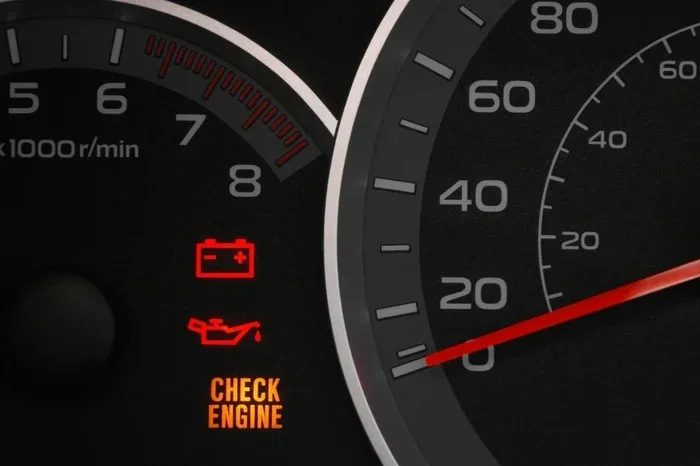
A solid check engine light is a steady warning on your dashboard that something needs attention. Unlike a flashing light, a solid glow usually indicates a less urgent issue, but it still shouldn’t be ignored. This guide explains what the light means, common causes, and the exact steps you should take to protect your vehicle. We’ll also cover when it’s safe to keep driving and how to reset the light properly.
A solid check engine light is a steady warning on your dashboard that something needs attention. Unlike a flashing light, a solid glow usually indicates a less urgent issue, but it still shouldn’t be ignored. This guide explains what the light means, common causes, and the exact steps you should take to protect your vehicle. We’ll also cover when it’s safe to keep driving and how to reset the light properly.
You’re driving along when you notice the check engine light glowing steadily on your dashboard. It’s not flashing, but it’s there, and it’s making you wonder if something is wrong. Many drivers ignore it, hoping it will go away, but that’s not always the best idea. Understanding what this light means can save you from costly repairs and keep you safe on the road.
The check engine light is part of your car’s onboard diagnostics system. It monitors engine performance, emissions, and other critical systems. When the system detects a problem, it stores a diagnostic trouble code and illuminates the light. A solid light means the issue is steady, not an immediate emergency. Still, it’s your car’s way of saying, “Hey, I need a check-up.”
Key Takeaways
- A solid check engine light is usually less urgent than a flashing light, but it still signals a problem that needs diagnosis.
- Common causes include a loose gas cap, faulty oxygen sensor, or catalytic converter issues.
- You can often drive short distances, but avoid long trips until the issue is resolved.
- Resetting the light without fixing the root cause will only bring it back.
- Use an OBD-II scanner to read the diagnostic trouble code and understand the exact problem.
- Regular car maintenance can prevent many issues that trigger the check engine light.
📑 Table of Contents
- What Does a Solid Check Engine Light Mean?
- Is a Solid Check Engine Light Serious?
- Common Causes of a Solid Check Engine Light
- What to Do When Your Check Engine Light Comes On
- Can You Still Drive With a Solid Check Engine Light?
- How to Reset the Check Engine Light
- Prevention Tips to Keep the Light Off
- Conclusion
What Does a Solid Check Engine Light Mean?
The check engine light is a universal dashboard warning. It’s designed to alert you to anything from a loose gas cap to a serious engine problem. A solid light means the issue is consistent, not intermittent. It’s different from a flashing light, which often signals a more urgent problem like a misfire that could damage the catalytic converter.
When the light stays solid, the problem is usually not an immediate breakdown risk. However, that doesn’t mean you should postpone action. Over time, a small issue can grow into a big repair bill. For example, a loose gas cap might cause a fuel vapor leak, which can trigger the light. If ignored, it could affect fuel economy and emissions.
It’s important to understand the difference between a check engine light and a maintenance required light, as they serve different purposes. The maintenance required light is a scheduled service reminder, while the check engine light is a diagnostic warning. Knowing which light you’re looking at helps you respond correctly.
How the OBD-II System Works
Your car uses an OBD-II system, which stands for On-Board Diagnostics II. This system has been standard in all cars sold in the U.S. since 1996. It constantly monitors sensors throughout the engine and exhaust system. When a sensor reading falls outside the expected range, the system stores a diagnostic trouble code.
The OBD-II port is usually under your steering column. A mechanic or you can plug in an OBD-II scanner to read these codes. The scanner will show a code like P0420 or P0301. Each code points to a specific issue. You can then look up the code to understand what’s wrong. This is the first step in diagnosing a solid check engine light.
Why Regular Diagnostics Matter
Even if your car feels fine, a solid warning light means the system has detected a deviation. Catching problems early often means cheaper fixes. A quick diagnostic scan can reveal whether it’s a simple sensor issue or something that needs immediate attention. Think of it as a health check for your vehicle. Skipping it could mean overlooking a small problem that turns into a major failure.
Is a Solid Check Engine Light Serious?
The answer is: it depends. A solid check engine light is not always a reason to panic, but it’s not something to brush off either. The seriousness depends entirely on what’s causing the light. Sometimes it’s a minor fix. Other times, it’s a sign of a deeper problem that needs attention.
Here’s a quick comparison between a solid and a flashing check engine light:
| Light Type | Urgency | Common Causes | Action Needed |
|---|---|---|---|
| Solid Check Engine Light | Low to Moderate | Loose gas cap, faulty oxygen sensor, minor misfire | Schedule a diagnostic check soon |
| Flashing Check Engine Light | High | Engine misfire, catalytic converter damage, severe ignition issue | Stop driving and seek immediate help |
A solid light often points to issues that won’t leave you stranded. A loose gas cap, a dirty oxygen sensor, or a small evaporative leak are common culprits. These are typically affordable repairs. However, if the light is solid and you notice other symptoms like rough idling, reduced power, or strange noises, you should take it seriously.
When the light is solid, you can usually drive to a repair shop safely. But if you notice any of the following, pull over and get a tow:
- Loss of power or stalling
- Unusual sounds from the engine
- Smoke or steam from the hood
- Temperature gauge in the red
Quick Tips for a Solid Warning Light
- Don’t ignore it. Even a steady light can point to an issue that worsens over time.
- Check the gas cap first. A loose cap is the simplest fix and often resolves the problem.
- Avoid heavy acceleration. Hard driving can stress an already compromised system.
- Get a scan done. An OBD-II reader gives you a clear starting point.
When a Solid Light Is a Minor Issue
Many people experience a solid check engine light and find it’s something simple. The most common minor cause is a loose or faulty gas cap. The fuel system relies on pressure to work efficiently. If the cap isn’t sealing properly, fuel vapors escape, and the system flags an error. It’s an easy fix. Tighten the cap until it clicks, or replace it if it’s damaged. After a few drive cycles, the light may turn off on its own.
Other minor causes include a dirty mass airflow sensor or a failing oxygen sensor. These parts are relatively inexpensive to replace. In many cases, the repair costs less than $200. The key is to get the code read so you know exactly what you’re dealing with. Ignoring a solid light can turn a $50 fix into a $1,000 repair.
When a Solid Light Signals a Real Problem
Sometimes a solid check engine light points to a more serious issue. A catalytic converter problem, for example, can trigger the light and lead to poor performance. The catalytic converter reduces harmful emissions. If it fails, your car may not pass an emissions test and could run poorly.
Engine misfires are another concern. Even if the light is solid, a misfire can damage the catalytic converter over time. Misfires happen when the air-fuel mixture doesn’t ignite properly. This can be caused by worn spark plugs, faulty ignition coils, or fuel injector problems. A solid light with a misfire code should be addressed promptly.
Expert Insight: “A solid check engine light is your car’s way of communicating a problem. It’s not always an emergency, but it’s always a signal. The smartest thing you can do is get a diagnostic scan as soon as possible.” – Certified Automotive Technician
Common Causes of a Solid Check Engine Light
Understanding the common causes helps you know what to expect. Here are the top reasons a solid check engine light appears:
Loose or Faulty Gas Cap
This is the simplest and most common cause. The gas cap seals the fuel system and maintains pressure. If it’s loose, cracked, or missing, the system detects a leak and turns on the light. It’s an easy fix. Tighten the cap until it clicks, or replace it if it’s damaged. After a few drive cycles, the light might go away on its own.
Oxygen Sensor Issues
The oxygen sensor measures unburned oxygen in the exhaust. It helps the engine control unit adjust the fuel mixture. A faulty sensor can lower fuel economy and increase emissions. Replacing an oxygen sensor is a common repair and usually costs between $100 and $300. A dirty sensor can sometimes be cleaned, but replacement is more reliable long-term.
Catalytic Converter Problems
The catalytic converter converts carbon monoxide into carbon dioxide. It’s a vital part of the exhaust system. A failing catalytic converter can trigger the check engine light. Symptoms include reduced performance, a rotten egg smell, and a check engine light that stays on. Catalytic converter repairs are more expensive, often ranging from $500 to $2,000. Regular maintenance helps prevent premature failure.
Misfires and Ignition Issues
An engine misfire means one or more cylinders aren’t firing correctly. This can be caused by worn spark plugs, bad ignition coils, or fuel injector problems. A misfire will often set a specific code like P0301 (cylinder 1 misfire). Even if the light is solid, a misfire can cause damage over time. It’s important to address it quickly to avoid catalytic converter damage.
Mass Airflow Sensor Failure
The mass airflow sensor tells the engine how much air is entering. This helps determine the correct fuel amount. A dirty or failing sensor can cause rough idling, stalling, and a solid check engine light. Cleaning the sensor with a special cleaner can help, but replacement is often needed. The part is relatively affordable and the job is straightforward for a technician.
Evaporative Emission Control System Leaks
The EVAP system prevents fuel vapors from escaping into the atmosphere. A leak in this system, often from a loose hose or a faulty purge valve, can trigger the light. This is a common cause that isn’t always obvious. Smoke machine tests at a repair shop can pinpoint the exact leak location.
What to Do When Your Check Engine Light Comes On
Seeing a solid check engine light can be stressful, but staying calm helps. Here’s a step-by-step approach to handle the situation safely.
Step 1: Check for Other Warning Lights
Look at your dashboard. Are there other lights on? If you see a red oil pressure light or a temperature warning, pull over immediately. A solid check engine light alone is usually not an emergency, but other lights change the situation.
Step 2: Check the Gas Cap
Before you do anything else, check your gas cap. Pull over safely and tighten it until it clicks. If it’s loose, the light might go away after a few drive cycles. If the cap is damaged, replace it. This is a free or low-cost fix that solves many cases.
Step 3: Read the Diagnostic Trouble Code
To know exactly what’s wrong, you need the code. You can use an OBD-II scanner. These tools are affordable and easy to use. Plug the scanner into the OBD-II port, turn the ignition on, and read the code. You can also visit an auto parts store like AutoZone or O’Reilly, where they’ll read the code for free.
Step 4: Assess Your Symptoms
Pay attention to how the car feels. Is it running smoothly? Any hesitation, stalling, or unusual noises? If the car drives normally and the light is solid, you can often drive it to a repair shop. If you notice performance issues, drive carefully and avoid heavy acceleration.
DIY Diagnosis vs. Professional Help
If you’re handy, an OBD-II scanner can give you a good starting point. You can look up the code online and decide if it’s a simple fix. But if you’re not sure, a professional diagnosis saves time and guesswork. Mechanics have specialized tools and experience that can spot issues a basic scan might miss. There’s no shame in asking for help—especially when it prevents a bigger bill later.
Quick Tips for Immediate Response
- Don’t panic. A solid light is rarely an immediate danger.
- Don’t ignore it. Even a small issue can worsen over time.
- Avoid heavy loads. Towing or carrying heavy cargo can stress the engine further.
- Keep your speed moderate. Avoid high RPMs until you know the problem.
- Schedule a diagnostic. A quick scan can reveal the exact cause and save you money.
If you’ve already addressed the issue, you might want to reset the check engine light without disconnecting the battery using an OBD-II scanner. This clears the code and turns off the light. But remember, if the problem isn’t fixed, the light will return.
When to See a Mechanic
You should see a mechanic if the light stays on for more than a few days. Even if the car seems fine, the underlying issue could be wasting fuel or increasing emissions. A professional diagnosis is the best way to ensure nothing is overlooked. Trust your instincts—if something feels off, get it checked. Also, if the light comes on and goes off intermittently, that’s still a problem that needs scanning.
Can You Still Drive With a Solid Check Engine Light?
The short answer is yes, in most cases. A solid check engine light usually doesn’t mean you need to stop driving. However, you should be cautious. The car is telling you something is wrong, and continuing to drive without knowing the cause can lead to bigger problems.
If you’re wondering whether you can drive 50 miles with the check engine light on, the answer depends on the underlying problem. If the car is running smoothly and there are no other symptoms, a short trip to the mechanic is generally safe. If the light is accompanied by performance issues, you should limit your driving and get a tow if necessary.
Expert Insight: “I tell my customers that a solid check engine light is like a fever. It’s a sign that something is off, but it doesn’t mean you’re in immediate danger. You should monitor it and get it checked, just like you would with a fever.” – Master Technician with 20 years of experience
Short-Distance Driving vs. Long Trips
For short distances, like driving to a nearby repair shop, a solid check engine light is usually fine. Keep the speed moderate and avoid hard acceleration. For long trips, it’s best to get the issue diagnosed first. Long drives put more stress on the engine and can turn a minor problem into a major one.
Here are some guidelines to follow:
- Safe to drive short distances: Light is solid, no other warning lights, car runs normally.
- Drive with caution: Light is solid, slight hesitation or rough idle, no smoke or leaks.
- Avoid driving: Light is solid with stalling, loss of power, or unusual noises.
Common Mistakes When Driving With the Light On
Many drivers make mistakes that worsen the situation. Ignoring the light is the biggest one. Another mistake is assuming the car will be fine because the light is solid. Some people also try to disconnect the battery to turn off the light, which erases the diagnostic code and makes it harder to diagnose later. Instead, get the code read and fix the root cause.
How to Reset the Check Engine Light
Once the problem is fixed, you’ll want to reset the check engine light. This clears the diagnostic trouble code and turns off the dashboard warning. There are several ways to do this, but the most important thing is to ensure the fix is permanent first.
Using an OBD-II Scanner
The best method is to use an OBD-II scanner. Plug it into the port, turn the ignition on, and select “Clear Codes.” The scanner will erase the stored codes and the light should go off. This method is clean and doesn’t require disconnecting the battery. It also allows you to verify that the code is gone after a few drive cycles.
Resetting Without Disconnecting the Battery
You can also reset the light by turning the ignition on and off three times in quick succession. This method varies by vehicle, so check your owner’s manual. Another option is to remove the negative battery cable for 15 minutes, but this also resets other settings like your radio and clock. I prefer using a scanner because it’s more precise and doesn’t erase other learned adaptations.
Common Mistakes When Resetting:
- Resetting without fixing the problem: The light will return, often within a few days.
- Disconnecting the battery as a first step: This erases the code and loses valuable diagnostic information.
- Ignoring the light after reset: If the light comes back, the problem isn’t solved.
After resetting, drive the car for a few days. If the light stays off, the fix worked. If it returns, you need to investigate further. The OBD-II scanner will show the same code or a new one, giving you a clear direction.
Key Takeaways
Here are the main points to remember about a solid check engine light:
- A solid check engine light is usually less urgent than a flashing light, but it still signals a problem that needs diagnosis.
- Common causes include a loose gas cap, faulty oxygen sensor, or catalytic converter issues.
- You can often drive short distances, but avoid long trips until the issue is resolved.
- Resetting the light without fixing the root cause will only bring it back.
- Use an OBD-II scanner to read the diagnostic trouble code and understand the exact problem.
- Regular car maintenance can prevent many issues that trigger the check engine light.
Prevention Tips to Keep the Light Off
Preventing a solid check engine light starts with simple, regular habits. A little attention can save you from unexpected repairs and keep your car running smoothly.
- Check your gas cap regularly. Make sure it’s tight and in good condition. Replace it if it’s cracked or worn.
- Follow the maintenance schedule. Regular oil changes, spark plug replacements, and air filter checks keep the engine healthy.
- Use the right fuel. Always use the octane level recommended by your manufacturer. Low-quality fuel can cause knock and trigger the light.
- Address small issues early. A minor sensor problem today can become a costly repair tomorrow. Don’t wait for the light to come on.
- Keep your OBD-II scanner handy. A basic scanner at home lets you check codes before they become big problems.
Conclusion
A solid check engine light is a signal, not a catastrophe. It tells you that your car needs attention, but it doesn’t mean you’re in immediate danger. By understanding what the light means and taking the right steps, you can protect your vehicle and avoid expensive repairs. Start by checking the gas cap, then get a diagnostic scan to identify the exact cause. Whether it’s a simple fix or a more involved repair, addressing the issue promptly keeps your car running smoothly and safely.
Don’t ignore the light. A small problem today can become a big repair tomorrow. Use the tips in this guide to respond confidently and keep your car in top shape. A solid check engine light is your car’s way of looking out for you—return the favor by giving it the attention it deserves.
Frequently Asked Questions
Can I drive my car with a solid check engine light on?
In most cases, yes. A solid check engine light usually indicates a non-emergency issue. If your car is running smoothly and there are no other warning lights, you can drive it to a repair shop. However, if you notice performance problems, it’s safer to get a tow.
What is the difference between a solid and flashing check engine light?
A solid light means the issue is steady and not immediately critical. A flashing light often signals a severe problem like an engine misfire that can damage the catalytic converter. A flashing light requires immediate attention and you should stop driving.
How much does it cost to fix a solid check engine light?
The cost varies widely depending on the cause. A loose gas cap might cost nothing to fix. An oxygen sensor replacement could be $100 to $300. A catalytic converter repair can range from $500 to $2,000. Getting a diagnostic scan first helps you know the exact cost.
Will the check engine light turn off by itself?
Sometimes, yes. If the issue was temporary, like a loose gas cap, the light may turn off after a few drive cycles. However, if the problem persists, the light will stay on or return. It’s best to get it checked rather than waiting for it to go away.
Can a bad battery cause the check engine light to come on?
Yes, a weak or failing battery can cause voltage irregularities that trigger the check engine light. The battery powers the car’s electronics, and low voltage can confuse the engine control unit. If you suspect a battery issue, have it tested along with the diagnostic scan.
How long does it take to diagnose a solid check engine light?
A basic diagnostic scan takes about 5 to 10 minutes. A technician can plug in an OBD-II scanner and read the code quickly. The actual repair time depends on the problem. A simple fix like a gas cap might take minutes, while a sensor replacement could take an hour or two.