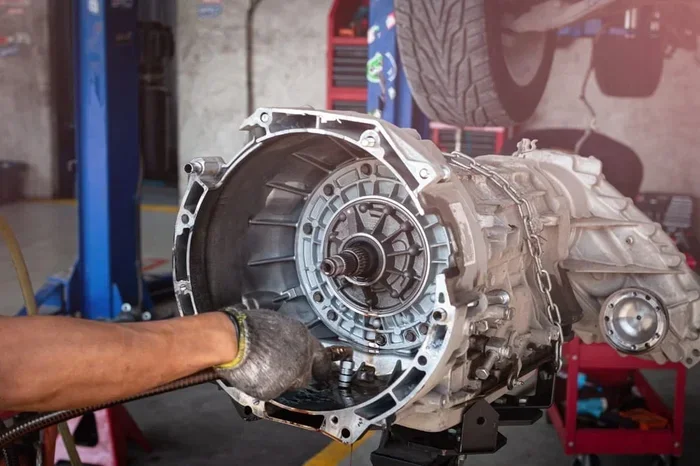
Is It Worth Replacing Your Automatic Transmission
Deciding whether to replace an automatic transmission is one of the biggest automotive decisions you will face. The transmission replacement cost can range from $1,800 to $3,500 or more, making it a major investment. This guide walks you through every factor that matters, from warning signs to long-term value, so you can make a confident choice.
Your automatic transmission is one of the most complex and expensive parts of your car. When it starts failing, the question looms large: is it worth replacing an automatic transmission? The answer is not a simple yes or no. It depends on your vehicle, your budget, and how much life you have left in your ride. This guide breaks down everything you need to know.
Many drivers face this dilemma every day. You hear a strange noise, notice slipping gears, or get a check engine light that points to transmission trouble. At that moment, panic sets in. You start Googling costs and wondering if your car is a goner. Transmission replacement cost can be shocking, but so can the cost of ignoring the problem. Let us walk through this together, step by step.
Key Takeaways
- High replacement costs: A new automatic transmission can cost $1,800 to $3,500 or more depending on your vehicle.
- Repair vs replace matters: Sometimes a rebuild or repair costs a fraction of a full replacement.
- Warning signs are clear: Slipping gears, strange noises, and fluid leaks are telltale symptoms you should never ignore.
- Vehicle value is key: If your car is worth less than the repair cost, replacement may not make sense.
- Used and remanufactured options exist: These can save you hundreds compared to a brand-new transmission.
- Regular maintenance helps: Changing transmission fluid on schedule can extend your drivetrain life significantly.
- Professional advice is essential: Always get multiple quotes and a trusted mechanic opinion before committing.
📑 Table of Contents
What Happens When Your Automatic Transmission Fails
Before you decide anything, it helps to understand what a failing transmission actually does to your vehicle. The automatic transmission is responsible for shifting gears smoothly as you drive. When it starts to go, your entire driving experience changes.
Common Symptoms of Transmission Failure
- Slipping gears: Your car unexpectedly shifts out of gear or feels like it is changing on its own.
- Delayed engagement: There is a long pause when you shift from park to drive or reverse.
- Burning smell: Overheated transmission fluid gives off a distinct burnt odor.
- Strange noises: Grinding, whining, or clunking sounds when you shift gears.
- Fluid leaks: Red or brown fluid pooling under your car is a red flag.
- Check engine light: Modern vehicles store transmission error codes that trigger the dashboard warning.
If you notice any of these symptoms, do not wait. Ignoring transmission problems can turn a $500 repair into a $3,000 replacement. And here is something important to know: you can drive a car with transmission problems in the short term, but doing so risks causing even more damage. The drivetrain is connected to many other systems, and prolonged neglect can cascade into costly repairs across your vehicle.
Why Transmissions Fail in the First Place
Transmission failure does not usually happen overnight. It is typically the result of wear and tear over time. Here are the most common causes:
- Low or dirty transmission fluid: Fluid lubricates and cools the internal components. When it breaks down, metal parts grind against each other.
- Overheating: Towing heavy loads or driving in stop-and-go traffic can push your transmission beyond its limits.
- Ignoring warning signs: Many drivers dismiss early symptoms like minor slipping or delayed shifts.
- Normal aging: Like any mechanical part, transmissions have a lifespan. Most last between 100,000 and 200,000 miles with proper care.
Regular transmission fluid change intervals can dramatically extend the life of your transmission. If you have been putting off that service, now is the time to act.
Transmission Repair vs Replacement: The Big Decision
This is the heart of the matter. When your transmission is failing, you generally have three options: repair it, rebuild it, or replace it entirely. Each option has pros and cons, and the right choice depends on the severity of the damage.
Option 1: Transmission Repair
A repair targets a specific problem. Maybe a transmission solenoid is stuck, or a torque converter is failing. Repairing a single component is usually the cheapest option, often costing between $300 and $1,500. This works well when the damage is isolated and the rest of the transmission is still healthy.
Option 2: Transmission Rebuild
A rebuild is more extensive. A mechanic disassembles the entire transmission, inspects every part, and replaces the worn components. Think of it as a middle ground between a repair and a full replacement. Transmission rebuild costs typically range from $1,800 to $3,000. A rebuild uses your existing transmission casing, which saves money compared to a full swap.
Option 3: Full Transmission Replacement
Full replacement means installing an entirely new or used transmission. This is the most expensive option but also the most thorough. You get a fresh start with a unit that has zero wear on it. Transmission replacement cost for a new unit can hit $3,500 to $5,000 or more at a dealership. A used or remanufactured unit brings that cost down significantly.
How to Choose the Right Option
Ask yourself these questions:
- How old is your vehicle?
- What is the current mileage?
- How much is the car worth?
- Can you afford the repair or replacement?
- Do you plan to keep the car long-term?
If the answers point to a high-value vehicle you plan to keep for years, a full replacement often makes the most sense. If your car is older and worth less than the repair cost, you may want to reconsider.
How Much Does It Cost to Replace an Automatic Transmission?
Cost is the elephant in the room for most drivers. Nobody wants to be surprised by a massive bill. Let us break down the numbers so you know what to expect.
| Option | Average Cost Range | Best For |
|---|---|---|
| Transmission Repair | $300 – $1,500 | Isolated component failure |
| Transmission Rebuild | $1,800 – $3,000 | Moderate to heavy wear |
| New Transmission | $3,500 – $5,000+ | High-value vehicles, long-term ownership |
| Used Transmission | $1,000 – $2,500 | Budget-conscious owners |
| Remanufactured Transmission | $1,500 – $2,800 | Reliable mid-range option |
Keep in mind that labor costs vary by region and shop. Dealerships typically charge more than independent mechanics, but they also offer transmission warranty coverage that can give you peace of mind. Always ask for a detailed quote before any work begins.
One thing people often overlook is the transmission fluid change cost. If your fluid has never been changed, some shops may recommend doing it before proceeding with any major work. Fresh fluid can sometimes reveal whether the internal damage is minor or severe.
Also, if you have been topping off fluid rather than doing a proper change, you might wonder: can I just add transmission fluid instead of changing it? The short answer is no. Adding fluid without a full change does not remove contaminants and sludge that have built up over time. A proper flush and refill is the way to go.
Signs You Need a Transmission Replacement
Knowing when to replace is just as important as knowing the cost. Here are the clearest signs that your transmission may need full replacement rather than a simple fix.
1. Constant Slipping Gears
If your transmission slips in and out of gear repeatedly, the internal clutch packs and bands are likely worn beyond repair. At that point, a rebuild or replacement is the only real solution.
2. Severe Fluid Contamination
When transmission fluid looks dark brown or black and smells burnt, the damage has reached deep into the system. Metal particles in the fluid indicate internal wear that affects the entire unit.
3. Multiple Component Failures
If you have already paid for several transmission repairs and the problems keep coming back, a full replacement is usually the smarter long-term investment.
4. Unusual Vibrations and Shudders
Intense vibrations during acceleration or at highway speeds often point to internal damage that cannot be fixed with a simple repair.
5. Transmission Won’t Engage
If your transmission refuses to shift into gear at all, the damage is likely extensive. In this situation, you should not keep driving the car. Continuing to drive with a non-functioning transmission can destroy other parts of the drivetrain.
And here is a quick tip: if you are ever unsure about the severity of a transmission issue, you can always check whether you can just add transmission fluid if it is low. Low fluid can mimic many serious transmission problems. Topping it off might even temporarily resolve symptoms, giving you more time to plan your next move.
Rebuilt vs New vs Remanufactured Transmission
When replacement is the chosen path, you have options. Understanding the differences can save you money and help you avoid a bad decision.
New Transmissions
A brand-new transmission comes straight from the manufacturer. It is the most reliable option but also the most expensive. New transmissions come with full warranty coverage, which is a huge advantage. If you have a newer vehicle or a high-value car, this is the best route.
Remanufactured Transmissions
A remanufactured unit is a used transmission that has been completely overhauled to factory specifications. Every worn part is replaced, and the unit is tested before installation. Remanufactured transmission options offer a great balance of quality and cost. Many come with warranties of 12 months or 12,000 miles.
Used Transmissions
Salvage yards and online suppliers sell used transmissions pulled from wrecked vehicles. These are the cheapest option, but they carry risk. You do not know the full history of a used unit, and it may have hidden issues. If you go this route, buy from a reputable seller and ask about any warranty they offer.
Which Option Wins?
For most drivers, a remanufactured transmission hits the sweet spot between affordability and reliability. It costs less than a new unit but comes with quality assurance that a used unit simply cannot match.
So, Is It Really Worth Replacing?
The final answer depends on your specific situation. Let us look at a few scenarios to make this clearer.
Scenario 1: Your car is worth $8,000 and the replacement costs $3,000. This is a yes. The transmission is a major component, and the repair cost is well below the vehicle value. You can get several more years of reliable driving out of your car.
Scenario 2: Your car is worth $3,000 and the replacement costs $4,000. This is a no. You would be spending more on the transmission than the car is worth. At this point, it makes more sense to sell the car for parts or replace the vehicle entirely.
Scenario 3: Your car is worth $12,000 and you need a $2,500 rebuild. This is a strong yes. The repair cost is reasonable, and the vehicle still has significant value and life left in it.
Another factor to consider is your emotional attachment to the vehicle. Maybe this is your daily driver, your only reliable car, or a vehicle with sentimental value. In those cases, a replacement might feel worth it even if the numbers are close.
One more thing to keep in mind: regular vehicle maintenance goes a long way toward preventing major transmission issues. Simple habits like checking your fluid level, getting a transmission flush every 30,000 to 60,000 miles, and addressing small problems early can save you thousands of dollars over the life of your car.
If you are currently dealing with transmission trouble, remember that you are not alone. Many drivers face this exact decision, and the right information makes all the difference. Take your time, get multiple quotes, and trust your mechanic. The goal is to make a decision that keeps you safe on the road and makes financial sense for your situation.
Also, if you are wondering about related maintenance questions, topics like how to care for your transmission fluid and understanding what happens when fluid levels drop are great places to start. Staying informed is the best way to avoid surprises.
Conclusion
So, is it worth replacing your automatic transmission? For many drivers, the answer is yes. A healthy transmission keeps your car running smoothly and safely. The key is to weigh the replacement cost against your vehicle’s value, consider all your options, and make an informed decision. Do not let fear or confusion push you into a choice you will regret. Take a deep breath, gather your quotes, and choose the path that makes the most sense for you and your wallet.
Your transmission is the heart of your car’s drivetrain. Treat it well, and it will carry you for many miles to come.
Frequently Asked Questions
How long does an automatic transmission last?
With proper maintenance, most automatic transmissions last between 100,000 and 200,000 miles. Regular fluid changes and timely repairs play a huge role in extending that lifespan. Neglecting maintenance can shorten it significantly.
Can I drive my car with a bad transmission?
You can drive a car with transmission problems in the short term, but it is risky. Continued driving can cause further damage to the drivetrain and other connected systems. It is best to get a professional diagnosis as soon as possible.
Is a transmission rebuild as good as a new one?
A quality rebuild can be nearly as good as a new transmission. The key is the skill of the mechanic and the quality of the replacement parts. Many rebuilds come with warranties that rival those of new units.
How often should I change my transmission fluid?
Most manufacturers recommend a transmission fluid change every 30,000 to 60,000 miles. If you tow frequently or drive in stop-and-go traffic, you may need to change it more often. Check your owner’s manual for the specific interval.
What is the cheapest way to fix a transmission?
A targeted repair is usually the cheapest option if the problem is isolated to a single component like a solenoid or sensor. However, if the damage is widespread, a rebuild or used transmission replacement may be more cost-effective in the long run.
Does car insurance cover transmission replacement?
Typically, no. Insurance covers damage from accidents or specific events, not wear and tear or mechanical failure. However, if you have an extended warranty or a maintenance plan, it may cover part or all of the cost. Always check with your provider to be sure.