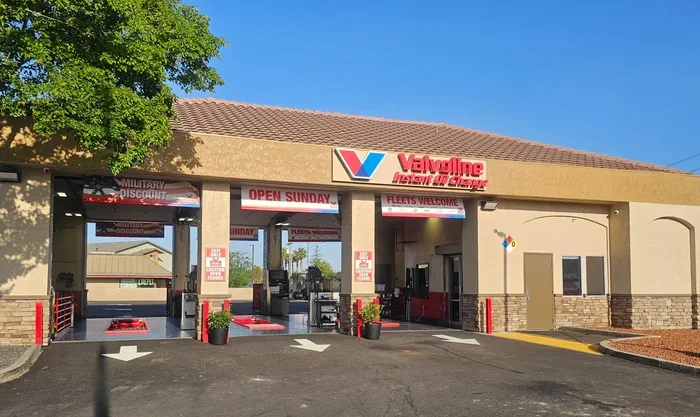
Is Valvoline Oil Any Good Here Is the Full Honest Review
Valvoline oil delivers solid engine protection at a budget friendly price point. It offers both conventional and full synthetic options that handle everyday driving well. Most drivers see reliable performance and decent oil life system readings. However, premium synthetic brands may offer slightly better protection under extreme conditions. Overall, Valvoline remains a trusted choice for routine maintenance.
So you are standing in the oil aisle at your local auto parts store. There are shelves full of motor oil brands. Every bottle promises the same thing. Better protection. Better performance. Better value. And then you see the familiar Valvoline label. You have probably used it before. Maybe your dad always bought it. Maybe your quick lube place recommended it. But the real question is simple: is Valvoline oil any good?
The short answer is yes. Valvoline oil is a solid choice for most drivers. It has been around for a very long time. It is one of the oldest oil brands in the world. And it continues to hold its own against newer competitors. But like any product, it has strengths and weaknesses. This honest review breaks down everything you need to know. We will look at the different formulas. We will test the performance claims. We will compare prices. And by the end, you will know exactly whether Valvoline oil belongs in your engine.
Whether you drive a daily commuter or a family SUV, the oil you choose matters. It lubricates every moving part inside your engine. It reduces friction. It prevents wear. And it keeps your engine running smoothly for years. Valvoline oil has earned a reputation for delivering dependable protection at a price that does not break the bank. Let us dig into the details.
Key Takeaways
- Affordable Quality: Valvoline oil costs less than most premium brands while still delivering reliable engine protection for daily driving.
- Multiple Formulas Available: From conventional to full synthetic, Valvoline has an oil for almost every vehicle and driving need.
- Good High Mileage Options: Valvoline offers high mileage formulas designed specifically for older engines with over 75,000 miles.
- Decent Oil Change Intervals: Most Valvoline synthetic oils can go 7,500 to 10,000 miles between changes depending on driving conditions.
- Widely Available: You can find Valvoline oil at auto parts stores, gas stations, and through their own quick lube service centers.
- Not the Best for Extreme Conditions: If you drive in very hot weather or tow heavy loads, a premium full synthetic may perform better.
📑 Table of Contents
- What Is Valvoline Oil and Why Does It Matter
- Valvoline Oil Product Lineup
- Valvoline Oil Performance and Protection
- Valvoline Oil vs Other Brands
- Valvoline Oil Change Service Experience
- Is Valvoline Oil Worth the Money
- Common Mistakes to Avoid When Using Valvoline Oil
- Expert Tips for Getting the Most From Valvoline Oil
- Final Verdict: Is Valvoline Oil Any Good
What Is Valvoline Oil and Why Does It Matter
Valvoline is an American oil company with roots going back to 1866. That is over 150 years of experience in the lubrication business. They started with steam engine oils and evolved into modern motor oils for cars and trucks. Today, Valvoline manufactures a wide range of engine oils for everyday drivers and serious enthusiasts alike.
Why does the brand matter when picking oil? Because not all motor oils are created equal. The oil inside your engine affects everything. It affects fuel economy. It affects engine life. It affects how smooth your ride feels. Cheap oil can cause long term damage. Quality oil keeps your engine healthy. Valvoline sits in the middle of the market. It is not the cheapest option. But it is not the most expensive either. It offers a sweet spot between cost and quality.
Understanding Oil Viscosity and Ratings
Every oil bottle has a rating on it. You have seen them before. Things like 5W-30 or 10W-40. These numbers tell you the oil viscosity at different temperatures. The first number (the W stands for winter) shows how thick the oil is when cold. The second number shows thickness at normal operating temperature. Valvoline offers many viscosity options. This means you can find the right match for your vehicle. Always check your owner manual before picking an oil. Using the wrong viscosity can hurt your engine over time.
Conventional vs Synthetic vs Synthetic Blend
Valvoline makes three main types of motor oil. Let us break them down:
- Conventional Oil: This is the basic option. It works well for older vehicles with simpler engines. It is the most affordable Valvoline choice.
- Synthetic Blend: This mixes conventional oil with synthetic compounds. It offers better protection than plain conventional oil. It also costs a bit more.
- Full Synthetic Oil: This is the top tier Valvoline product. It uses advanced synthetic base oils. It provides the best protection and performance. It also allows for longer oil change intervals.
Each type has its place. If you have an older car with low mileage, conventional oil may be all you need. If you drive a modern engine or face tough conditions, go synthetic.
Valvoline Oil Product Lineup
One reason Valvoline stays popular is the variety of products they offer. They do not just sell one oil. They have a full lineup designed for different needs. Let us look at the most popular Valvoline products on the market today.
Valvoline MaxLife High Mileage Oil
This is Valvoline flagship product for older vehicles. If your car has more than 75,000 miles on the odometer, MaxLife is worth considering. It contains special additives that help reduce oil consumption. It also works to minimize engine leaks and sludge buildup. Many drivers of high mileage Toyotas and other reliable brands swear by this formula. It keeps aging engines running smoother for longer.
Valvoline SynPower Full Synthetic Oil
SynPower is Valvoline premium synthetic oil. It uses advanced full synthetic base stocks. It provides excellent protection against engine wear. It also handles extreme temperatures well. Whether you are dealing with hot summer driving or cold winter starts, SynPower holds up. Many people use this oil and can go up to 10,000 miles between changes. It is one of the best performing oils in its price range.
Valvoline Daily Protection
Daily Protection is Valvoline everyday oil. It is designed for normal driving conditions. Commutes, grocery runs, and light duty use. It uses a blend of conventional and synthetic components. It offers solid protection at a very affordable price. This is the oil you reach for when you just need a reliable change without spending extra.
Valvoline VR1 Racing Oil
For the enthusiasts out there, Valvoline has a racing oil line. VR1 is a high performance conventional oil. It is designed for classic cars and racing applications. It is not for daily driving. But if you have a vintage muscle car or a weekend racer, VR1 delivers the protection those engines need under heavy stress.
Valvoline Oil Performance and Protection
Now let us talk about how Valvoline oil actually performs in real world conditions. This is what matters most to drivers. You can read all the marketing claims you want. But the real test is how the oil protects your engine over time.
Engine Wear Protection
Valvoline oils are formulated with anti-wear additives. These additives create a protective film on engine parts. This film reduces metal to metal contact. That is the number one cause of engine wear. In independent tests, Valvoline synthetic oils have shown strong wear protection. They perform well at both low and high temperatures. The engine protection is solid for normal and moderately demanding driving.
Heat Resistance and Thermal Stability
Oil gets hot inside your engine. Really hot. Under extreme conditions, oil can break down. This is called thermal breakdown. When oil breaks down, it loses its ability to protect your engine. Valvoline full synthetic oils resist heat very well. They maintain their viscosity even under heavy loads. This means your engine stays protected even on hot days or during long road trips.
Cold Weather Performance
Cold starts are tough on engines. The oil needs to flow quickly when you turn the key. Valvoline oils with lower winter ratings like 0W-20 or 5W-30 flow fast in cold weather. This means less wear during the critical first few seconds of startup. If you live in a cold climate, look for a low W rated Valvoline oil. It will make a real difference in engine longevity.
Oil Life System and Change Intervals
Most modern vehicles have an oil life system that tells you when to change your oil. Valvoline synthetic oils work well with these systems. You can typically go 7,500 to 10,000 miles between changes with their full synthetic products. Conventional oils still need changing around 3,000 to 5,000 miles. If you want to stretch your intervals, the full synthetic Valvoline oils are your best bet. Just remember that severe driving conditions may require more frequent changes.
Valvoline Oil vs Other Brands
How does Valvoline stack up against the competition? Let us compare it to some other popular oil brands that you see on store shelves.
| Brand | Type | Avg. Price (5qt) | Change Interval | Best For |
|---|---|---|---|---|
| Valvoline SynPower | Full Synthetic | $25-$30 | Up to 10,000 mi | Everyday performance and value |
| Mobil 1 | Full Synthetic | $30-$35 | Up to 15,000 mi | Extreme conditions and high performance |
| Castrol Edge | Full Synthetic | $28-$33 | Up to 10,000 mi | Turbocharged and high stress engines |
| Valvoline Daily Protection | Synthetic Blend | $18-$22 | Up to 7,500 mi | Budget friendly daily driving |
| Quaker State | Conventional/Synthetic | $15-$25 | Up to 7,500 mi | Basic reliable protection |
As you can see, Valvoline offers competitive pricing across its lineup. Mobil 1 and Castrol Edge may edge ahead in extreme performance tests. But for most drivers, Valvoline provides more than enough protection at a lower price point. If you are on a budget but still want synthetic level performance, Valvoline SynPower is hard to beat.
One thing worth noting is that many people wonder about quick oil change services. Places like Valvoline Instant Oil Change offer fast service for around $30 to $50 depending on the oil type. Compare that to dealership oil change costs and you will see Valvoline service centers are often more affordable. You can also buy Valvoline oil and do the change yourself. Just remember to reset the oil change light after you finish. Most vehicles have a simple reset process in the dashboard menu.
Valvoline Oil Change Service Experience
Valvoline operates hundreds of quick lube locations across the United States. Their oil change service is fast and convenient. Most changes take about 15 minutes. They offer both conventional and synthetic oil options. You can walk in without an appointment. The service includes a multi point inspection. They check your fluids, filters, and other key components.
What to Expect at a Valvoline Service Center
- Quick Service: Most oil changes take 15 to 20 minutes.
- Multiple Oil Options: You can choose conventional, synthetic blend, or full synthetic.
- Oil Filter Included: The service includes a new oil filter.
- Multi Point Check: They inspect lights, fluids, belts, and tires.
- Transparent Pricing: Prices are clearly posted before you service your vehicle.
The experience is generally positive. Staff are usually friendly and knowledgeable. The wait times are short compared to dealerships. However, some customers report upselling attempts. They may recommend additional services beyond the basic oil change. Always feel free to decline anything you do not need. A basic oil change should be all that is required at regular intervals.
Valvoline vs Dealership Oil Changes
Many car owners wonder whether they should go to a dealership or an independent service center like Valvoline. The truth is that you can take your vehicle to almost any qualified shop for an oil change. Valvoline uses quality oils and trained technicians. Their service is often faster and cheaper than a dealership. If you are concerned about warranty coverage, check your manual. Most modern warranties do not require dealership oil changes as long as you use approved oil and keep records.
Is Valvoline Oil Worth the Money
This is the question most drivers really want answered. Is Valvoline oil worth spending your hard earned money on? The answer depends on your driving habits and your vehicle.
For most everyday drivers, yes. Valvoline oil provides reliable protection at a fair price. The full synthetic options offer excellent performance for the cost. The high mileage formulas help extend the life of older engines. And the availability of Valvoline products makes it easy to find what you need.
If you drive in extreme conditions, you may want to consider a premium brand. Extreme heat, frequent towing, or stop and go city driving all put extra stress on your oil. In those cases, a top tier synthetic like Mobil 1 might be a better fit. But for the average driver with a normal commute, Valvoline handles the job very well.
One more thing to keep in mind. You do not always need the most expensive oil. Many drivers overpay for oil that their engine does not actually need. If your vehicle is older and has lower performance demands, a conventional or synthetic blend Valvoline oil may be perfect. Save the full synthetic for vehicles that truly benefit from it.
Also, remember that regular oil changes matter more than the brand. Even the best oil will not protect your engine if you wait too long between changes. Stick to a consistent schedule. Check your oil level regularly. And always use the viscosity grade recommended by your vehicle manufacturer. These simple habits will keep your engine running strong for hundreds of thousands of miles.
Common Mistakes to Avoid When Using Valvoline Oil
Even good oil can cause problems if you make mistakes. Here are a few common errors to watch out for:
- Overfilling the Oil: Too much oil can cause pressure problems and damage your engine. Always check the level after an oil change.
- Ignoring the Oil Change Light: Do not ignore your dashboard warning. Even the best oil breaks down over time. Change it when the system tells you to.
- Using the Wrong Viscosity: Always match the oil weight to your vehicle specifications. Using 10W-40 when your car needs 5W-30 can cause issues.
- Skipping the Oil Filter: Always replace the oil filter with every change. A dirty filter can contaminate your fresh oil.
- Waiting Too Long Between Changes: Even synthetic oil has limits. Do not push the interval too far. Stick to the recommended mileage or time frame.
Expert Tips for Getting the Most From Valvoline Oil
Here are some quick tips to help you get the best results from your Valvoline oil changes:
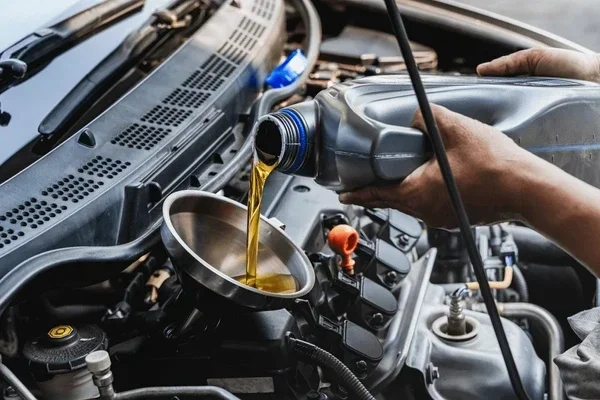
- Warm up your engine briefly before draining. This helps the oil flow out more completely and carries contaminants with it.
- Check for leaks after every oil change. Look under your car for any fresh oil spots. Catching leaks early prevents bigger problems.
- Keep a maintenance log. Write down every oil change date and mileage. This helps you track intervals and maintain your warranty.
- Store oil properly. Keep unopened bottles in a cool, dry place. Heat and moisture can degrade oil quality over time.
- Do not mix oil brands. Stick with one brand and type for consistency. Mixing different oils can reduce their effectiveness.
Following these simple steps will help your Valvoline oil perform at its best. Your engine will thank you with years of reliable service.
Final Verdict: Is Valvoline Oil Any Good
So let us answer the question that brought you here. Is Valvoline oil any good? The honest answer is yes. Valvoline oil is a solid, reliable choice for most drivers. It offers good protection, reasonable pricing, and a wide range of formulas to fit different vehicles and driving styles.
It is not the absolute best oil on the market. Premium brands like Mobil 1 and Castrol Edge may have a slight edge in extreme performance tests. But for the vast majority of daily driving situations, Valvoline delivers everything you need. It keeps your engine clean. It protects against wear. And it does not cost a fortune.
If you are looking for a trustworthy oil brand that balances quality and affordability, Valvoline is a great option. Whether you pick their conventional, synthetic blend, or full synthetic line, you are making a smart choice for your vehicle. Just remember to change your oil on schedule, use the right viscosity, and always replace your oil filter. Valvoline oil will do the rest.
Next time you are at the auto parts store or driving past a Valvoline service center, do not hesitate. Grab a bottle of Valvoline or book an oil change. Your engine will be better for it. And your wallet will thank you too.
Frequently Asked Questions
Can I use Valvoline oil in my Toyota?
Yes, Valvoline oil works well in Toyota vehicles. Just make sure you use the correct viscosity grade recommended in your Toyota owner manual. Many Toyota owners use Valvoline SynPower synthetic oil and report excellent results. For more details on Toyota oil compatibility, you can also check if Toyota Care covers oil changes at your dealership.
How often should I change Valvoline oil?
With Valvoline full synthetic oil, you can typically go 7,500 to 10,000 miles between changes. Conventional Valvoline oil should be changed every 3,000 to 5,000 miles. Your driving conditions matter too. If you drive in severe conditions like extreme heat or heavy traffic, you may need to change more often.
Is Valvoline oil good for high mileage cars?
Yes, Valvoline MaxLife High Mileage oil is specifically designed for vehicles with over 75,000 miles. It contains additives that help reduce oil consumption and minimize leaks. It also works to prevent sludge buildup in older engines. This makes it one of the best budget options for high mileage vehicles.
Can I go 10,000 miles on Valvoline synthetic oil?
Yes, Valvoline full synthetic oils are designed to last up to 10,000 miles between changes under normal driving conditions. However, if you drive in extreme heat, tow heavy loads, or do a lot of stop and go driving, you may want to change your oil sooner. Always monitor your oil life system for the best results.
Does Valvoline offer free oil changes?
Valvoline does not typically offer free oil changes. However, their quick lube service is competitively priced compared to dealerships. You can also check if your vehicle manufacturer or credit card offers oil change rebates or promotions. Many dealerships also run special oil change deals throughout the year.
Can I drive with the oil change light on after using Valvoline oil?
You should not drive for long periods with the oil change light on. The light is a reminder that it is time for your scheduled oil change. While you can drive a short distance to reach a service center, ignoring the light for too long can reduce engine protection. After your Valvoline oil change, make sure to reset the oil change light on your dashboard.
=== CONCLUSION ===
Valvoline oil is a dependable, affordable choice that delivers solid engine protection for most drivers. Whether you choose their conventional, synthetic blend, or full synthetic formula, you are getting a quality product backed by over 150 years of experience. It may not be the most expensive oil on the shelf, but it punches well above its price point. For everyday driving, high mileage vehicles, and routine maintenance, Valvoline gets the job done right. Next oil change, give Valvoline a try. Your engine will thank you.