My Key Wont Turn in the Ignition: Causes and Fixes
My key wont turn in the ignition is a frustrating problem that has several common causes, from a locked steering wheel to a worn key or faulty ignition cylinder. The good news is that most of these issues are easy to fix at home with simple steps. This guide walks you through every cause and the best fix for each one.
This is a comprehensive guide about My Key Won’t Turn in the Ignition: Causes and Fixes.
Key Takeaways
- A locked steering wheel is the most common reason my key wont turn in the ignition and can be fixed in seconds.
- Worn or damaged keys cause turning problems and often need replacement or duplication.
- A faulty ignition cylinder requires professional attention but is a common and solvable issue.
- Debris and dirt inside the ignition lock can be cleared with simple cleaning methods.
- Preventive maintenance like regular key inspection keeps ignition problems from returning.
[FEATURED_IMAGE_PLACEHOLDER]
Why My Key Wont Turn in the Ignition
You put the key in the ignition. You turn it. Nothing happens. This is one of the most stressful moments in any car owner’s day. The engine won’t start. You’re stuck. And you have no idea why.
The truth is that my key wont turn in the ignition happens for a handful of very common reasons. Most of them are easy to fix. Some require a quick trip to the mechanic. But knowing what’s going on helps you stay calm and take the right action.
Let’s break down every possible cause. We’ll look at what makes the key stick, what stops it from turning, and exactly how to fix each problem. By the end of this guide, you’ll know what to do the next time this happens to you.
Common Causes and How to Spot Them
Locked Steering Wheel
This is the number one reason my key wont turn in the ignition. When you turn off your car, the steering wheel can lock into place. This is a security feature. But it also locks the ignition cylinder at the same time.
The steering wheel will feel stiff and won’t move left or right. You might think something is broken under the hood. But it’s actually just the lock mechanism doing its job. This happens more often when you park and turn the wheel slightly while shutting off the engine.
The fix is simple. Wiggle the steering wheel back and forth while gently trying to turn the key. The wheel will unlock. Once it moves freely, the key should turn without any problem.
Worn or Damaged Key
Keys wear out over time. Every time you insert and remove your key, the teeth on the blade get a little thinner. After years of use, the key might not align properly inside the ignition cylinder.
You can spot a worn key by looking closely at the blade. Are the ridges uneven? Is one side flatter than the other? Does the key look bent or scratched? These are all signs that your key is wearing down.
Sometimes a key that looks fine on the outside still has micro-damage on the cuts. This can cause it to bind inside the cylinder. If you’ve had your key for several years, this could be the culprit behind my key wont turn in the ignition.
Try using a spare key if you have one. If the spare works, the original key is likely worn. Get a new key cut at a hardware store or dealership.
Debris and Dirt Inside the Ignition
Dust, lint, and small particles can build up inside the ignition lock over time. This debris gets between the key and the cylinder walls. It creates friction that stops the key from turning smoothly.
This problem is more common in trucks and SUVs where the ignition is exposed to more dirt and road grime. If you’ve been driving through dusty or muddy conditions, debris buildup could be the cause.
You can fix this at home. Spray a small amount of ignition lock cleaner into the keyhole. Let it sit for a few seconds. Then insert the key and gently work it back and forth. The cleaner will dissolve the grime and help the key move freely again.
Faulty Ignition Switch
The ignition switch is the electrical component behind the key cylinder. It sends power to the starter motor, the fuel system, and the dashboard electronics. When this switch fails, you might still be able to insert the key, but it won’t turn or the car won’t start.
Signs of a bad ignition switch include flickering dashboard lights, the car stalling while driving, or the engine not cranking even though the key turns. If you notice these symptoms along with my key wont turn in the ignition, the switch itself might be the issue.
Replacing an ignition switch usually requires a mechanic. It involves removing the steering column cover and accessing the switch. This is not a difficult repair, but it does need some technical know-how.
Key Fob Battery Issues
Many modern cars use push-button start systems with a key fob. If the fob battery is low, the car might not recognize the key. In some models, you can still start the car by placing the fob directly against the start button.
If your car uses a traditional key and key fob combo, a dead fob battery can sometimes cause confusion at the ignition. The car might not detect the key is present, and the ignition won’t engage.
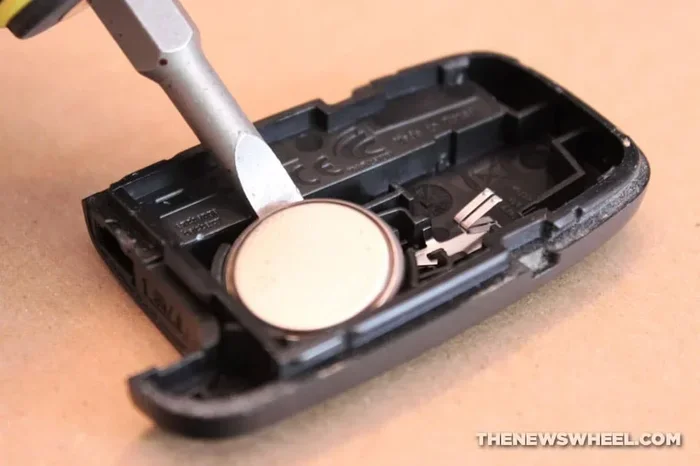
Replace the fob battery with a fresh CR2032 or CR2025 battery. This is a quick and inexpensive fix. Check can I drive my car with a low key battery for more tips on handling low battery situations.
Cold Weather and Frozen Ignition
Cold weather can cause moisture inside the ignition lock to freeze. This creates a thin layer of ice that blocks the key from turning. This is more common in older cars with less weatherproof ignition systems.
If you live in a cold climate and notice my key wont turn in the ignition during winter, try warming the key with your hands before inserting it. You can also use a small amount of lock de-icer spray. Never pour hot water on the ignition. This can cause more damage and refreeze the moisture.
Some drivers find that their car won’t start in cold weather but battery is good due to similar freezing or moisture-related issues in the ignition system.
Step-by-Step Fixes for a Stuck Ignition Key
Fix 1: Unlock the Steering Wheel
This should always be your first step. The steering wheel lock engages automatically when you remove the key and turn the wheel slightly.
- Do not force the key. You could break it inside the cylinder.
- Use one hand to wiggle the steering wheel left and right firmly.
- With your other hand, gently try to turn the key.
- Once the wheel unlocks, the key should turn freely.
This simple fix resolves the problem more than half the time. It takes just a few seconds and requires no tools.
Fix 2: Clean the Ignition Cylinder
If the steering wheel is not locked and the key still won’t turn, dirt and debris are likely the cause.
- Get a can of compressed air or ignition lock cleaner.
- Spray a short burst into the keyhole.
- Wait 30 seconds for the cleaner to work.
- Insert the key and gently wiggle it back and forth.
- Repeat if needed until the key turns smoothly.
Avoid using oil-based lubricants like WD-40 for long-term use. They can attract more dust and create a sticky buildup over time. Use a dedicated lock cleaner instead.
Fix 3: Try a Spare Key
If you have a spare key, try it now. This tells you whether the problem is with the key or the ignition cylinder itself.
- If the spare key works, your original key is worn or damaged.
- If neither key works, the problem is inside the ignition cylinder or switch.
Getting a new key cut is inexpensive and fast. Visit a locksmith or your car dealership. They can duplicate the key using your VIN number.
Fix 4: Lubricate the Ignition Lock
Dry locks can cause the key to stick. A graphite-based lubricant works best for ignition cylinders.
- Purchase a tube of powdered graphite lock lubricant.
- Insert the key partway into the lock.
- Spray or sprinkle graphite around the key blade.
- Work the key in and out several times to distribute the lubricant.
- Remove the key and wipe away any excess graphite.
Graphite is dry and won’t attract dirt like oil-based products. This is the best long-term solution for sticky ignition locks.
Fix 5: Replace the Ignition Cylinder
If none of the above fixes work, the ignition cylinder itself may be worn or damaged. This is more common in older vehicles with high mileage.
Replacing the cylinder involves removing the steering column cover, disconnecting the electrical connector, and unscrewing the cylinder retainer. A new cylinder is then installed and matched to your key.
Unless you’re comfortable working on your car’s steering column, this is best left to a professional. The steering column contains important safety components like the airbag system. Mishandling these parts can be dangerous.
When to Call a Professional Mechanic
Most ignition key problems have simple fixes you can do at home. But some situations require a trained mechanic. Knowing when to call for help saves you time and prevents costly mistakes.
Call a professional if:
- The key breaks off inside the ignition cylinder. You’ll need special tools to remove the broken piece.
- The steering column shows visible damage after an accident or impact.
- The ignition switch tests bad with a multimeter. This requires electrical diagnostic skills.
- You’ve tried all the DIY fixes and the key still won’t turn.
- The car starts but stalls immediately. This points to an electrical issue beyond the key.
A qualified mechanic can diagnose the exact problem quickly. They have the right tools and replacement parts on hand. Most ignition repairs take less than an hour and cost between $100 and $300 depending on your vehicle model.
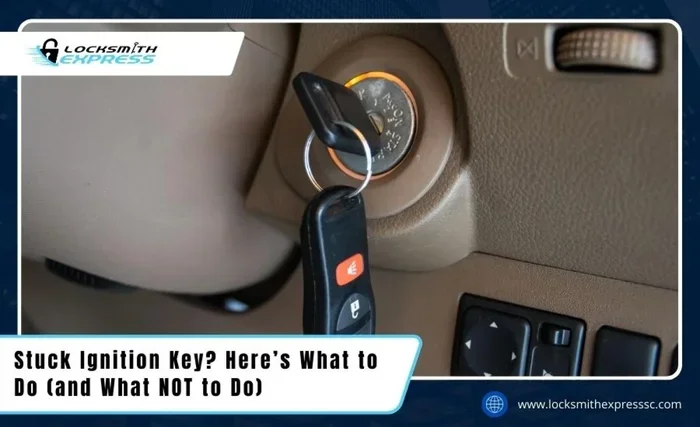
If you’re dealing with a car key stuck in ignition situation, avoid pulling hard on the key. This can snap it off inside the lock and create a much bigger problem.
Preventing Ignition Key Problems
The best way to deal with my key wont turn in the ignition is to prevent it from happening in the first place. A few simple habits can keep your ignition working smoothly for years.
Inspect Your Key Regularly
Every few months, take a close look at your key. Check for wear, bending, or damage. A key that looks rough on the edges needs to be replaced before it causes problems at the ignition.
Keep Your Ignition Clean
Dirt and debris are the enemies of a smooth-turning ignition. Periodically clean the keyhole with compressed air or lock cleaner. This prevents buildup that can cause sticking.
Use the Right Key
Always use the correct key for your vehicle. Using a duplicate or aftermarket key that isn’t cut precisely can damage the ignition cylinder over time. If you need a spare, get it cut by a professional or at the dealership.
Don’t Force the Key
If the key resists turning, don’t force it. Stop and assess the situation. Forcing a stuck key can bend it, break it, or damage the ignition cylinder. The small effort of troubleshooting first can save you from expensive repairs.
Protect Against Cold Weather
In winter, keep your car parked in a garage when possible. If that’s not an option, consider using a lock de-icer as a preventive measure. Keeping moisture out of the ignition lock prevents freezing issues.
Replace Old Keys Proactively
Keys have a lifespan. If yours is more than five years old and showing wear, consider replacing it before it causes an ignition problem. A new key costs very little compared to repairing a damaged ignition cylinder.
Quick Tips for Common Ignition Problems
- Key feels stiff but turns: Apply graphite lubricant and work the key gently back and forth.
- Key won’t go in all the way: Check for a bent key blade or debris in the cylinder.
- Key turns but engine doesn’t start: The ignition switch may be faulty. Try the spare key first.
- Key breaks in the lock: Do not attempt to remove it yourself. Call a locksmith.
- Intermittent turning problems: This often indicates early cylinder wear. Get it inspected soon.
Expert Insights on Ignition Troubleshooting
Experienced mechanics agree that most ignition key problems fall into three categories: mechanical lock issues, key wear, and electrical faults. The steering wheel lock accounts for the majority of cases where my key wont turn in the ignition.
Modern vehicles with push-button start systems have fewer traditional ignition problems. But the key fob and its battery become the weak point. Always keep a spare fob battery in your glove box. This prevents being stranded with a dead key fob.
Older vehicles with traditional key cylinders are more prone to mechanical wear. The ignition lock cylinder is a simple device with moving parts. Over time, those parts wear down and cause turning resistance. Regular maintenance and timely key replacement keep these systems working reliably.
One thing many drivers don’t realize is that starting an ignition without a key is possible in some situations with push-button start systems, but a stuck traditional key requires the fixes we’ve covered above.
Key Takeaways
- A locked steering wheel is the most common reason my key wont turn in the ignition and can be fixed in seconds by wiggling the wheel while turning the key.
- Worn or damaged keys cause turning problems and often need replacement or duplication at a locksmith or dealership.
- Debris and dirt inside the ignition lock can be cleared with compressed air or dedicated lock cleaner.
- Cold weather freezing can block the key from turning; use lock de-icer or warm the key before insertion.
- A faulty ignition switch requires professional diagnosis and replacement but is a common and solvable issue.
- Regular maintenance like cleaning the lock and inspecting the key prevents most ignition problems from recurring.
- Never force a stuck key as this can break it off inside the cylinder and cause more serious damage.
Conclusion
Dealing with my key wont turn in the ignition is stressful, but it’s almost always a solvable problem. The most common cause is a locked steering wheel, and that fix takes just a few seconds. Worn keys, debris buildup, and cold weather are other frequent culprits that you can address at home with simple tools and supplies.
Start with the simplest fix and work your way up. Unlock the steering wheel first. Then try cleaning the ignition. Use a spare key to test whether the problem is the key or the cylinder. Apply lubricant if the lock feels stiff. And if nothing works, don’t hesitate to call a professional mechanic.
Prevention is the best medicine. Keep your key in good condition, clean the ignition periodically, and replace worn keys before they cause problems. These small habits keep your ignition working smoothly and save you from unexpected roadside frustration.
The next time you’re standing by your car and my key wont turn in the ignition, you’ll know exactly what to do. Stay calm, follow the steps in this guide, and you’ll be on your way in no time.
Can a dead key fob battery cause the ignition not to turn?
Yes, in vehicles with push-button start systems, a dead key fob battery can prevent the car from recognizing the key. The ignition may not engage until you replace the fob battery or place the fob directly against the start button. Check your owner’s manual for the exact procedure for your vehicle model.
What should I do if my key breaks off in the ignition?
Do not attempt to pull out the broken piece yourself. You risk pushing it deeper or damaging the cylinder. Call a locksmith or mechanic who has the proper tools to extract the broken key safely. This is a common repair and usually takes less than 30 minutes.
How much does it cost to replace an ignition cylinder?
Ignition cylinder replacement typically costs between $100 and $300 for parts and labor. The exact price depends on your vehicle make and model. Luxury vehicles and newer models may cost more due to specialized parts and security features.
Can I use WD-40 to lubricate my ignition lock?
You can use WD-40 for temporary relief, but it’s not ideal for long-term use. WD-40 is an oil-based product that attracts dust and dirt over time. Powdered graphite lubricant is the better choice for ignition locks because it stays dry and doesn’t create buildup.
Why does my key stick in the ignition sometimes but not always?
Intermittent sticking usually indicates early wear on the ignition cylinder or minor debris buildup. Temperature changes and humidity can also affect how smoothly the key turns. If the problem becomes more frequent, have a mechanic inspect the ignition system before it worsens.
Is it safe to drive with a key that doesn’t turn smoothly in the ignition?
If the key eventually turns and the car starts normally, it’s generally safe to drive short distances. However, a key that sticks now may completely fail later, leaving you stranded. Address the issue promptly to avoid being stuck at an inconvenient time or location.
Frequently Asked Questions
What is My Key Won’t Turn in the Ignition: Causes and Fixes?
My Key Won’t Turn in the Ignition: Causes and Fixes is an important topic with many practical applications.