Can I Drive My Car With a Low Key Battery Right Now
Yes, you can often drive your car with a low key battery, but it depends on your vehicle type and how low the battery really is. A weak key fob battery can cause starting problems, warning lights, and unreliable remote functions. Knowing the signs and quick fixes helps you stay safe and avoid getting stranded. This guide covers everything you need to know about driving with a low key battery right now.
Have you ever turned the key or pressed the start button, only to hear nothing happen? That sinking feeling hits fast. You wonder, can I drive my car with a low key battery? The short answer is yes, in most cases. But the full answer depends on your car type, how dead the battery really is, and what warning signs you are seeing.
Your car key fob uses a small coin-cell battery to communicate with your vehicle. When that battery gets weak, your keyless entry and push-button systems start acting up. Some cars give you plenty of warning. Others leave you guessing. This article breaks down exactly what happens, what to do, and how to stay safe on the road.
Whether you drive a modern smart key vehicle or an older model with a remote fob, understanding your key battery health saves time, money, and stress. Let us walk through everything you need to know right now.
Key Takeaways
- You can usually drive with a low key battery: most vehicles allow limited operation even when the fob power drops.
- Push-to-start cars react differently: they may show warning messages or refuse to start entirely with a weak fob.
- Look for key battery symptoms early: reduced range, intermittent remote work, and dashboard alerts signal a dying battery.
- Quick fixes exist: placing the fob against the start button or using a hidden key blade can bypass low-power issues.
- Replacement is simple and cheap: a CR2032 or CR2025 battery costs under a few dollars and takes minutes to swap.
- Preventive care saves trouble: replacing your key battery every 1-2 years avoids unexpected failures.
- Safety matters: if your car won’t respond, pull over safely and seek roadside assistance instead of risking a breakdown.
📑 Table of Contents
What Happens When Your Key Battery Is Low?
A low key fob battery does not mean your car instantly shuts down. Most modern vehicles have built-in backup systems. These systems allow you to keep driving or at least start the car in an emergency. But ignoring the problem can lead to bigger headaches later.
Common Symptoms of a Dying Key Battery
Your car tells you when something is off. The trick is knowing what to look for. Here are the most common key battery symptoms to watch for:
- Reduced remote range: you have to stand right next to the car for the lock or unlock button to work.
- Intermittent remote function: the fob works sometimes but not others, especially in cold weather.
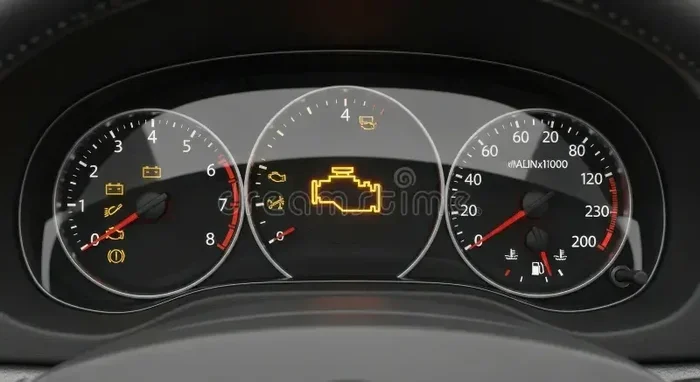
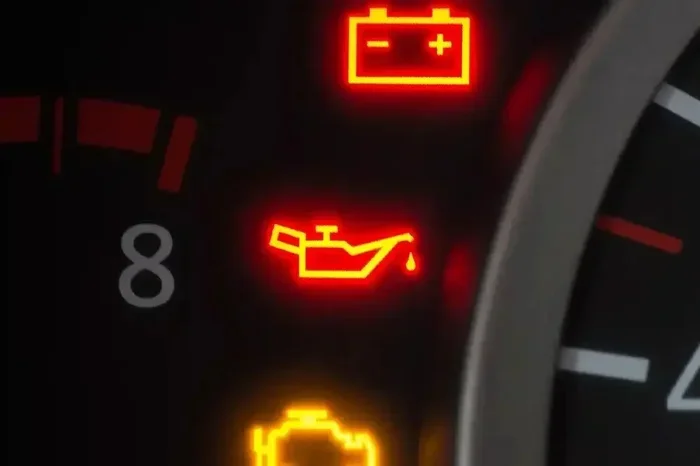
- Dashboard warning light: many cars display a key-shaped icon or a low battery warning on the instrument cluster.
- Delayed response: pressing the start button takes longer than usual for the car to recognize the fob.
- Multiple attempts to start: you may need to press the button several times before the engine turns over.
- No remote lock/unlock: the fob stops working from a distance but still functions up close.
How Low Is Too Low?
Not all low battery situations are the same. A weak key fob battery might still send a signal that your car picks up at close range. But a nearly dead battery may fail completely. Voltage matters here. Most car fob batteries sit at 3 volts when fresh. Once they drop below 2.5 volts, you will start noticing problems.
The immobilizer system in your car relies on the transponder chip inside your key. This chip communicates with the ignition. A low battery can weaken that signal. In some vehicles, the car simply will not start if the chip cannot be read properly. In others, it enters a backup mode that lets you drive short distances.
Can You Still Drive With a Weak Key Battery?
The answer depends mostly on how your car starts. Different vehicles handle low key battery power in different ways. Let us break it down by vehicle type so you know exactly what to expect.
Push-to-Start Vehicles
If your car uses a push button start system, a low fob battery can cause real trouble. These vehicles rely heavily on wireless communication between the fob and the car. When the battery drops, the system may not detect the fob at all.
Here is what typically happens with a push-to-start car and a low battery:
- The car shows a key not detected message on the dashboard.
- You may need to hold the fob directly against the start button for it to work.
- Some models have a backup reader located in the steering column or center console.
- The car might start but display persistent warnings until the battery is replaced.
Many drivers report that they can still drive their push-to-start vehicle with a low battery, as long as they place the fob in the right spot. Check your owner manual for the exact location. Every brand handles this differently.
Traditional Key Fobs
Cars with traditional key fobs and a separate metal key blade are more forgiving. Even with a dead remote key battery, you can usually still start the car using the physical key. The transponder chip inside the key head does most of the communication work, and it often draws very little power.
You might lose remote locking and unlocking. But the actual ignition process usually works fine. This is why older key fob designs tend to be less problematic when the battery runs low.
Smart Key Systems
Luxury and newer vehicles often use smart key systems. These allow you to keep the fob in your pocket and the car detects your presence. A low battery in these systems can be tricky. Some cars let you drive normally for a while. Others limit engine start capability until you replace the battery.
Brands like Toyota, Honda, Ford, and BMW each have their own smart key battery protocols. Your best move is to read the section in your owner manual about low fob battery procedures.
Steps to Take When Your Key Battery Is Low
So you noticed the signs. Your key fob not working consistently or your dashboard shows a warning. What do you do right now? Follow these steps to stay safe and get back on the road.
Quick Fixes to Get You Rolling
Before you rush to buy a new battery, try these simple tricks. They work in many situations where the car key battery is low but not completely dead:
- Place the fob against the start button: on most push-to-start cars, pressing the fob directly against the button bypasses the weak wireless signal.
- Hold the fob close to the steering column: some vehicles have a hidden antenna in the column that reads the fob even when the battery is very low.
- Use the hidden mechanical key: most fobs have a release button that pops out a metal key blade. Use it to manually unlock the door and start the car.
- Turn the fob on and off several times: sometimes cycling the fob power refreshes the connection with the car.
- Keep the fob close to your body: your body can act as a signal amplifier in some cases, helping the car detect the fob.
Quick Tips
- Always carry the hidden mechanical key as a backup. It costs nothing and works every time.
- If your car starts but shows a warning, drive directly to a parts store or dealership for a battery swap.
- Keep a spare CR2032 battery in your glove box. It takes 30 seconds to replace and can save you from a roadside emergency.
How to Replace Your Key Battery
Replacing your key battery is one of the easiest car maintenance tasks you can do. No mechanic needed. No special tools required. Here is how to do it:
- Find the seam on your key fob. Most fobs split into two halves along a visible line.
- Use a small flathead screwdriver or a coin to gently pry the halves apart.
- Remove the old battery. Note the positive side facing up.
- Insert a new battery of the same type. CR2032 and CR2025 are the most common sizes.
- Snap the two halves back together until you hear a click.
- Test the fob by locking and unlocking your car from a few feet away.
A fresh key fob battery costs between 50 cents and 3 dollars at any drugstore or auto parts shop. Keep a few spares on hand so you never get caught off guard.
Preventing Key Battery Problems
Prevention is always easier than repair. Taking a few simple steps keeps your car key battery healthy and your driving experience smooth.
When to Replace Your Key Battery Proactively
Do not wait for your fob to stop working completely. Most car key batteries last between one and two years. Set a reminder on your phone to swap the battery every 12 to 18 months. This simple habit prevents the surprise of a dead fob when you least expect it.
Watch for early signs too. If your remote range starts shrinking, that is your cue. Replace the battery before it fully dies. A proactive approach keeps you from standing outside your car in the rain, unable to get inside.
Best Batteries for Car Keys
Not all batteries are created equal. Here are the most common types used in car key fobs:
| Battery Type | Common Uses | Voltage | Lifespan |
|---|---|---|---|
| CR2032 | Most car fobs, garage remotes | 3V | 1-2 years |
| CR2025 | Some Toyota, Honda models | 3V | 1-2 years |
| CR1632 | Certain luxury vehicles | 3V | 1-2 years |
| SR44 | Older European car keys | 1.55V | 1 year |
Always check your owner manual or the old battery before buying a replacement. Using the wrong type can damage your fob or cause it to malfunction.
Common Mistakes People Make With Low Key Batteries
Even the most careful drivers make mistakes when dealing with a low key battery. Avoid these common errors to keep your car running smoothly.
Things That Drain Your Key Battery Faster
Some habits shorten your key fob battery life without you realizing it:
- Leaving the fob near electronics: TVs, routers, and other devices can interfere with the fob signal and drain the battery faster.
- Dropping the fob repeatedly: physical damage can crack the circuit board and cause power leaks.
- Exposing the fob to moisture: water damage kills batteries quickly and can ruin the fob entirely.
- Pressing buttons unnecessarily: every signal your fob sends uses a small amount of power. Stop mashing the lock button in frustration.
- Storing the fob near metal objects: coins, keys, and metal surfaces can short-circuit the fob or interfere with its signal.
Mistakes to Avoid When the Battery Is Low
When you notice your key battery is running low, avoid these pitfalls:
- Ignoring dashboard warnings: those alerts exist for a reason. They tell you exactly what is wrong.
- Trying to start the car repeatedly: each failed attempt drains what little power remains in the fob.
- Using the wrong battery type: even a slight difference in size or voltage can cause problems.
- Panic-buying expensive replacements: you do not need a dealer replacement. A generic battery from any store works just as well.
Expert Tips for Driving Safely With a Low Key Battery
Safety always comes first. If you find yourself driving with a low key fob battery, keep these expert tips in mind to stay safe and avoid complications.
When to Call a Professional
Sometimes a low battery is not the only problem. If you have replaced the battery and your car still does not recognize the fob, there may be a deeper issue. The transponder chip inside the key could be damaged. The car’s antenna ring around the ignition might be failing. Or the immobilizer system could need reprogramming.
Call a professional if you notice any of these signs:
- The car starts but immediately stalls or shuts off.
- You see multiple warning lights on the dashboard at once.
- The fob works perfectly at close range but never at a distance, even with a new battery.
- Your remote start feature stopped working and will not come back.
- The key battery keeps dying within weeks of replacement.
Long-Term Solutions for Reliable Key Performance
A low battery is usually a temporary problem. But if you find yourself replacing the battery more than twice a year, something bigger may be going on. Have your dealer or a trusted mechanic check the fob and the vehicle’s keyless entry system. A failing antenna or a software glitch can cause excessive battery drain.
Also consider upgrading to a high-quality key battery brand. Duracell, Energizer, and Panasonic make reliable options that last longer than generic store brands. The small extra cost is worth the peace of mind.
Finally, keep your key fob clean. Dirt and grime around the buttons can cause intermittent signals that mimic a low battery. A quick wipe with a damp cloth keeps everything working smoothly.
Key Takeaways
- You can usually drive with a low key battery: most vehicles allow limited operation even when the fob power drops.
- Push-to-start cars react differently: they may show warning messages or refuse to start entirely with a weak fob.
- Look for key battery symptoms early: reduced range, intermittent remote work, and dashboard alerts signal a dying battery.
- Quick fixes exist: placing the fob against the start button or using a hidden key blade can bypass low-power issues.
- Replacement is simple and cheap: a CR2032 or CR2025 battery costs under a few dollars and takes minutes to swap.
- Preventive care saves trouble: replacing your key battery every 1-2 years avoids unexpected failures.
- Safety matters: if your car won’t respond, pull over safely and seek roadside assistance instead of risking a breakdown.
Conclusion
So, can you drive your car with a low key battery? Yes, you can in most situations. But it comes with caveats. Your car may show warnings, your remote features may stop working, and you may need to use backup methods to start the engine. The key is to act quickly when you notice the signs.
A low key fob battery is not a roadside emergency in most cases. It is a minor maintenance issue that you can handle in minutes. Keep a spare battery in your glove box. Learn where your hidden mechanical key is stored. And pay attention to the early warning signs your car gives you.
Taking care of your car key battery before it fully dies keeps you safe and saves you from unnecessary stress. A few small habits, like replacing the battery every year or so, go a long way. Your car is one of your biggest investments. Treating its simple needs keeps everything running smoothly for years to come.
Now you know exactly what to do when your key battery runs low. Share this guide with a friend who might need it too. A little knowledge today prevents a big headache tomorrow.
Frequently Asked Questions
Can I drive my car if the key battery is completely dead?
In most vehicles, yes. You can use the hidden mechanical key blade to unlock the door and start the car. Many push-to-start models also let you place the dead fob against the start button to bypass the wireless signal. Check your owner manual for the exact procedure for your specific car model.
How do I know if my key battery is low?
Watch for reduced remote range, intermittent locking and unlocking, dashboard warning lights, and needing multiple attempts to start the car. These are the most common key battery symptoms. If you notice any of these signs, replace the battery soon to avoid getting stranded.
What type of battery does my car key use?
Most car keys use a CR2032 or CR2025 battery. Some older or luxury models may use different types like CR1632 or SR44. Check your owner manual or look at the old battery before purchasing a replacement to make sure you get the right size.
How long does a car key battery last?
A typical key fob battery lasts between one and two years. Factors like how often you use the remote, extreme temperatures, and signal interference can shorten that lifespan. Replacing the battery proactively every 12 to 18 months is a smart habit.
Can a low key battery damage my car?
No, a low key battery will not damage your car. It only affects the communication between the fob and the vehicle. However, ignoring a low battery for too long can leave you unable to start or unlock your car, which could lead to other problems like being stranded in an unsafe location.
Should I replace the key battery myself or go to a dealer?
Replacing the battery yourself is quick, easy, and costs just a few dollars. You do not need any special tools or technical knowledge. A dealer will charge you significantly more for the same simple task. Keep a spare battery on hand and swap it yourself whenever needed.