How Many Quarts of Oil Does a V8 Truck Typically Take
How Many Quarts of Oil Does a V8 Truck Typically Take? Most V8 truck engines need between 5 and 8 quarts of oil, depending on the engine size. Ford, Chevrolet, Ram, and Toyota V8 trucks each have specific capacities that you should check in the owner’s manual. Using the correct oil type and changing it on schedule keeps your engine running strong and prevents costly repairs.
Owning a V8 truck means you have a powerful engine under the hood that demands proper care. One of the simplest yet most important maintenance tasks is keeping the right amount of oil in the crankcase. If you have ever wondered how many quarts of oil does a V8 truck typically take, you are not alone. The answer depends on the engine size, model year, and manufacturer. In this guide, we will walk you through the oil capacities for the most popular V8 trucks on the road today. We will also cover oil types, change intervals, and common mistakes to avoid so your engine stays healthy for years to come.
Knowing your truck’s oil capacity helps you avoid overfilling or running low. Both situations can cause serious engine damage over time. Overfilling can cause foaming and reduced lubrication, while low oil leads to increased friction and overheating. Whether you drive a Ford F-150, Chevrolet Silverado, Ram 1500, or Toyota Tundra, this article will give you the exact quart requirements and practical tips. We will also answer frequently asked questions to make your next oil change quick and easy.
Key Takeaways
- Oil Capacity Varies by Engine: V8 truck engines typically hold 5 to 8 quarts, with most popular models falling in the 6 to 7 quart range.
- Check Your Owner’s Manual: Always confirm the exact oil capacity and recommended viscosity for your specific truck model.
- Synthetic Oil Offers Better Protection: Full synthetic oil provides superior lubrication and longer change intervals compared to conventional oil.
- Don’t Forget the Oil Filter: Replacing the oil filter with every change ensures clean oil circulates through the engine.
- Follow Change Intervals: Most V8 trucks need an oil change every 5,000 to 7,500 miles, or as specified by the manufacturer.
- DIY or Professional Service: You can change your oil at home or visit a quick-lube shop like Autozone for professional service.
📑 Table of Contents
Understanding V8 Truck Oil Capacity
The oil capacity of a V8 truck engine refers to the total volume of oil the crankcase and oil filter can hold. This number is not a one-size-fits-all figure. Engine designers balance factors like piston ring clearance, camshaft lubrication, and oil cooler size to determine the right amount. Most modern V8 truck engines fall into a range that makes sense for their displacement and cooling needs.
What Determines Oil Capacity?
Several factors influence how much oil your V8 truck needs. The engine displacement is the biggest factor. A 5.0-liter V8 will hold less oil than a 6.2-liter V8. The presence of an oil cooler or a deep oil pan also adds capacity. Turbocharged engines sometimes require extra oil to cool the bearings and internals. Here are the key elements that set oil capacity:
- Engine displacement: Larger engines generally need more oil to lubricate all moving parts.
- Oil pan design: A deep pan holds more oil than a shallow one.
- Oil cooler: Trucks with an oil cooler have extra oil lines and a larger total volume.
- Turbocharging: Forced induction engines often require additional oil for cooling.
- Manufacturer specifications: Each engine has a specific fill volume tested during development.
Common V8 Truck Engines and Their Oil Quarts
To give you a clear picture, let us look at the oil capacities for the most popular V8 truck engines. These numbers include the oil filter and represent the total system capacity. Always refer to your owner’s manual for the exact figure for your specific truck.
| Truck Model | Engine | Oil Capacity (Quarts) |
|---|---|---|
| Ford F-150 | 5.0L V8 | 6 quarts |
| Ford F-150 | 6.2L V8 | 6 quarts |
| Chevrolet Silverado 1500 | 5.3L V8 | 6 quarts |
| Chevrolet Silverado HD | 6.6L V8 | 8 quarts |
| Ram 1500 | 5.7L HEMI V8 | 6.1 quarts |
| Toyota Tundra | 5.7L V8 | 6 quarts |
As you can see, most standard V8 trucks take 6 quarts of oil. The Chevrolet Silverado HD with its 6.6L V8 needs 8 quarts, which is the highest among common models. The Ram 1500 HEMI sits at 6.1 quarts, a very common number for modern V8s. If you are unsure, simply check the oil fill cap on your engine or the owner’s manual. The cap often lists the capacity directly.
Oil Types for V8 Trucks
Choosing the right oil type is just as important as knowing the capacity. Oil has evolved significantly over the years, and today you have several options. The two main categories are conventional oil and synthetic oil. Synthetic blends and full synthetic oils offer enhanced protection and performance.
Synthetic vs Conventional Oil
Conventional oil is refined directly from crude petroleum. It provides adequate lubrication for standard driving conditions. Synthetic oil, on the other hand, is chemically engineered for superior performance. It resists thermal breakdown better and flows more smoothly at low temperatures. For V8 trucks that haul heavy loads or tow trailers, full synthetic oil is often the best choice.
Synthetic oil costs more upfront, but it can extend oil change intervals and protect your engine longer. Many modern V8 trucks come from the factory filled with synthetic oil. If your truck has a turbocharger, synthetic oil is almost a necessity because it handles high heat better. Always check your owner’s manual to see what the manufacturer recommends.
Viscosity Grades Explained
Viscosity refers to how thick or thin the oil is at different temperatures. The most common viscosity grades for V8 trucks are 5W-30 and 0W-20. The number before the W indicates cold-temperature flow, while the number after represents hot-temperature viscosity. Using the wrong viscosity can lead to poor lubrication and increased engine wear.
For example, if you drive a Toyota truck, you might wonder whether 5W-30 oil is safe for your Toyota or if you need a different grade. The answer depends on the specific engine and climate you drive in. Ford and Chevrolet V8 trucks typically use 5W-30 or 5W-20 oils. Ram HEMI engines also use 5W-20 or 0W-20 in newer models. Always match the viscosity to the manufacturer’s specification to ensure proper protection.
How to Check and Add Oil
Checking your oil level is a simple task you can do at home. It only takes a few minutes and helps you catch potential leaks early. Regular checks are especially important for V8 trucks because they consume more oil than smaller engines.
Using the Dipstick
To check your oil, park the truck on a level surface and wait a few minutes for the oil to settle. Pull out the dipstick, wipe it clean, reinsert it fully, and then pull it out again. Look at the oil level against the markings on the stick. The oil should fall between the full and add marks. If it is below the add line, you need to add oil.
While you are at it, check the oil color and condition. Fresh oil is amber and translucent. Dark, gritty oil indicates it is time for a change. If the oil smells like fuel or looks milky, you may have a serious problem that needs professional attention.
Adding Oil Safely
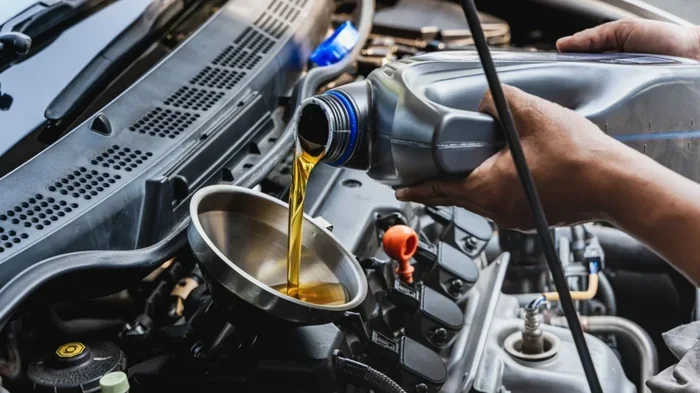
When adding oil, use a funnel to prevent spills. Add oil in small increments and recheck the level with the dipstick. Never overfill the crankcase. Overfilling can cause the oil to foam, which reduces its ability to lubricate. It can also lead to increased pressure and potential seal damage.
If you are consistently low on oil between changes, you may have an oil leak or excessive oil consumption. Common causes include worn valve seals, piston rings, or a faulty PCV valve. Addressing these issues early can prevent costly engine repairs down the road.
Oil Change Intervals and Maintenance
Changing your oil on schedule is the backbone of engine maintenance. The interval depends on the oil type you use and your driving conditions. Most V8 truck engines thrive with oil changes every 5,000 to 7,500 miles. Severe driving conditions such as towing, hauling, or extreme temperatures may require more frequent changes.
Manufacturer Recommendations
Every truck manufacturer provides a recommended oil change interval in the owner’s manual. Ford, for example, suggests 7,500 miles for synthetic oil in normal driving. Chevrolet and Ram also follow similar guidelines. Toyota Tundra owners should stick to the 5,000 to 7,500 mile range depending on the oil used. If you are unsure, you can always take your Toyota to any dealer for service and they will follow the factory maintenance schedule.
Many modern trucks have an oil life monitoring system. This system uses algorithms to track driving habits and recommend when an oil change is due. While convenient, it is still a good idea to manually track your mileage as a backup. The system can sometimes be reset incorrectly or fail to account for severe conditions.
Signs Your Truck Needs an Oil Change
Do not wait for the oil change light to come on if you notice any of these warning signs. Early detection can prevent engine damage and keep your truck running smoothly.
- Dark or dirty oil on the dipstick: Fresh oil is amber; old oil is dark brown or black.
- Engine noise: Increased knocking or ticking sounds can indicate low or degraded oil.
- Oil smell inside the cabin: This may signal an oil leak or burning oil.
- Exhaust smoke: Blue or gray smoke can mean oil is entering the combustion chamber.
- Reduced fuel efficiency: Old oil increases friction, which can lower your miles per gallon.
Where to Get Your Oil Changed
Changing your V8 truck’s oil can be done at home or by a professional. Both options have their benefits. DIY oil changes save money and give you control over the quality of parts used. Professional service offers convenience and often includes a multi-point inspection.
DIY Oil Change Tips
If you prefer to change your oil yourself, gather the right tools and supplies first. You will need the correct oil, a new oil filter, a socket wrench, an oil filter wrench, a drain pan, and a funnel. Make sure you have a jack and jack stands or drive-on ramps if the truck is low to the ground. Always dispose of the old oil properly at a recycling center.
Start by warming the engine for a few minutes. This helps the oil drain more completely. Place the drain pan under the oil pan, remove the drain plug, and let the oil flow out. Replace the drain plug with a new washer when needed. Remove the old oil filter and install the new one, coating the gasket with a little fresh oil first. Refill with the correct amount of oil, then check the level with the dipstick.
Professional Service Options
If you do not want to get your hands dirty, many quick-lube shops can handle the job for you. Autozone offers oil change services at many locations, making it a convenient option. They use quality oil and filters and typically complete the service in under 30 minutes. Dealerships are another reliable choice, especially if you want to maintain your warranty or keep a detailed service record.
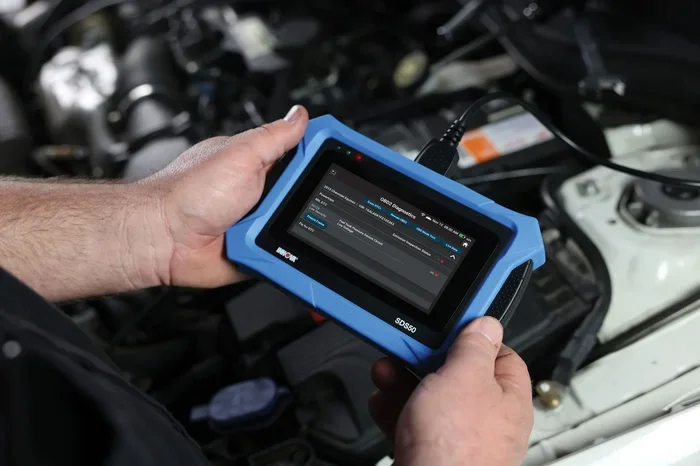
For Toyota truck owners, you can visit any Toyota dealership for an oil change. They will use factory-recommended oil and follow the proper maintenance schedule. This is especially helpful if you are unsure about the correct oil type or capacity. Dealerships also have access to specialized diagnostic tools that can check for any underlying issues during the service.
Common Mistakes to Avoid
Even simple oil changes can go wrong if you are not careful. Avoiding these common mistakes will help you protect your V8 engine and get the most out of your oil changes.
Overfilling or Underfilling
Overfilling the crankcase is more dangerous than slightly underfilling. Excess oil can be thrown against the cylinder walls by the crankshaft, causing foaming and reduced lubrication. It can also lead to oil leaks and increased emissions. Underfilling, on the other hand, starves the engine of oil and causes metal-on-metal contact. Always add oil in small amounts and check the dipstick frequently until the level is correct.
Ignoring the Oil Filter
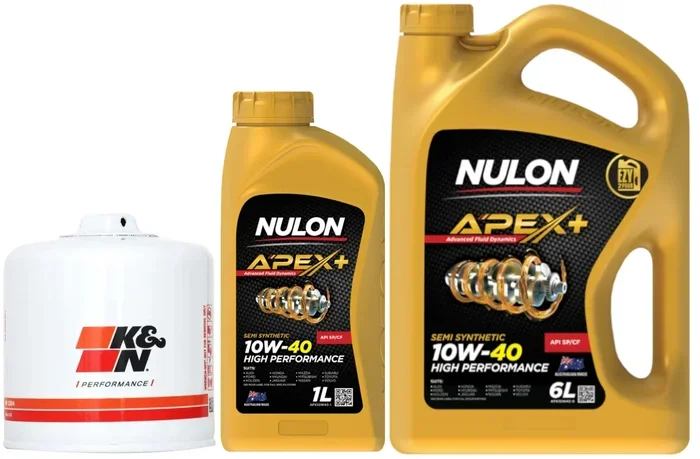
The oil filter removes contaminants from the oil before it circulates through the engine. A clogged or old filter restricts oil flow and reduces protection. Always replace the oil filter with every oil change. Use a filter that matches the specifications in your owner’s manual. Cheap filters may not have the right filtration media or bypass valve, which can compromise engine protection.
Using the Wrong Oil
Using the wrong viscosity or oil type can lead to poor performance and increased wear. Do not assume that any oil labeled as 5W-30 is the same. Different brands use different additive packages that may not be compatible with your engine. Always use oil that meets the API specification and manufacturer approval listed in your owner’s manual.
Final Thoughts on V8 Truck Oil Capacity
Knowing how many quarts of oil does a V8 truck typically take is a fundamental piece of truck ownership. Most V8 engines require between 5 and 8 quarts, with the majority falling around 6 quarts. By using the right oil type, following the recommended change intervals, and checking your oil regularly, you can keep your engine running strong for hundreds of thousands of miles. Whether you change your oil at home or visit a professional, staying on top of this simple maintenance task pays off in the long run. Your V8 truck is a powerful machine, and proper oil care is one of the best ways to protect that power.
Frequently Asked Questions
How many quarts of oil does a Ford F-150 V8 take?
Most Ford F-150 V8 engines, including the 5.0L and 6.2L, take 6 quarts of oil including the filter. Always check your specific model year in the owner’s manual to confirm.
Can I use 5W-30 oil in my V8 truck?
Yes, 5W-30 is a common viscosity for V8 trucks. However, you should verify the manufacturer’s recommendation for your specific engine. Some models may call for 5W-20 or 0W-20 instead.
How often should I change the oil in my V8 truck?
Most V8 trucks need an oil change every 5,000 to 7,500 miles. If you tow frequently or drive in severe conditions, you may need to change it more often.
What happens if I overfill my V8 truck with oil?
Overfilling can cause the oil to foam, reducing its lubricating ability. It may also lead to increased engine pressure, oil leaks, and potential damage to seals and gaskets.
Does Autozone do oil changes for V8 trucks?
Yes, Autozone offers oil change services that can accommodate V8 trucks. They use quality oil and filters and typically complete the service quickly.
How do I know if my V8 truck is low on oil?
Check the dipstick regularly. If the oil level is below the add line, you need to add oil. Signs like engine noise, dark oil, or reduced fuel efficiency can also indicate low oil.