Should I Go by Oil Life or Mileage When Changing Oil
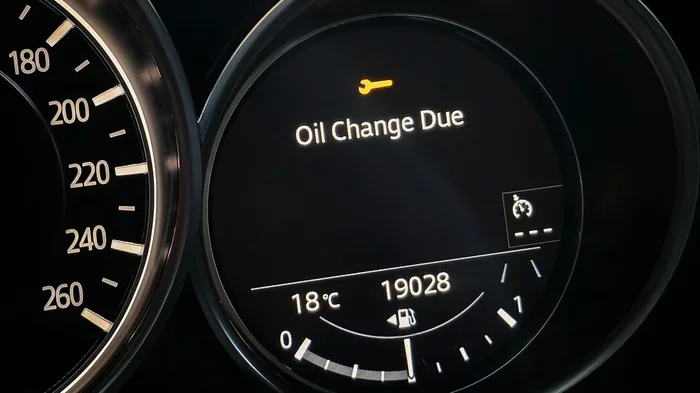
You should not ignore either your oil life monitor or your mileage when deciding when to change oil. Modern vehicles use oil life monitoring systems that track driving habits and engine conditions, but mileage still matters. The best approach combines both methods to keep your engine protected and running smoothly.
You are driving along, and suddenly your dashboard flashes a message about your oil life. At the same time, you realize you are getting close to your mileage mark. So what do you do? Do you change your oil now, or wait? This is a question many car owners face, and the answer is not always simple.
The debate between oil life vs mileage has been going on for years. Some drivers trust their car’s computer system completely. Others stick to the old-school mileage rule they learned from their parents. The truth lies somewhere in between, and understanding both sides can save you money and protect your engine.
In this guide, we will break down everything you need to know about oil life monitors, mileage-based oil changes, and how to decide which method works best for your vehicle. By the end, you will feel confident about your next oil change decision.
Key Takeaways
- Oil life monitors use sensors and algorithms to track oil quality, not just distance driven.
- Mileage-based changes are still important as a baseline, especially for older vehicles.
- Severe driving conditions shorten oil life and may require more frequent changes.
- Synthetic oil lasts longer than conventional oil, which affects both oil life and mileage intervals.
- Ignoring your oil life monitor can lead to engine damage over time.
- The best strategy combines both systems to ensure optimal engine protection.
📑 Table of Contents
What Is an Oil Life Monitor System?
Almost every modern car comes with an oil life monitor system. This is a smart feature built into your vehicle’s computer. It tracks more than just miles. It watches how you drive, what conditions you face, and how your engine is performing.
How Oil Life Systems Work
Your car’s oil life system uses sensors and algorithms to estimate oil quality. It does not just measure distance. Instead, it looks at many factors:
- Engine temperature
- Driving habits like short trips or idling
- Cold starts and hot weather
- Load and towing conditions
- Speed and acceleration patterns
The system gives you a percentage, usually starting at 100%. As you drive, it drops. When it reaches around 15%, your car tells you it is time for an oil change. This is a smart way to track oil health because it adapts to your real-world driving.
However, these systems are not perfect. They are designed as maintenance reminders, not diagnostic tools. You should still pay attention to your mileage and physical oil condition.
What the Oil Life Percentage Means
When your dashboard shows 100% oil life, your oil is fresh and doing its job well. As the percentage drops, the oil is breaking down. It loses its ability to lubricate, cool, and clean your engine properly.
Here is a quick breakdown of what the numbers mean:
- 100% to 50%: Oil is in good condition. No action needed yet.
- 50% to 20%: Oil is starting to degrade. Plan your next oil change soon.
- Below 15%: Time to change your oil. Do not delay.
Some drivers ignore these warnings until the light comes on. That is risky. By the time the light flashes, your oil may already be past its useful life.
Mileage-Based Oil Changes Explained
Before oil life monitors existed, drivers relied on mileage. The old rule of thumb was simple: change your oil every 3,000 miles. But is that still true today? Not exactly.
The Traditional 3,000-Mile Myth
You have probably heard the 3,000-mile rule from friends or quick-lube shops. That advice was common decades ago. Back then, most cars used conventional oil, which broke down faster. Today, synthetic oils are much more durable.
Many modern vehicles can go 7,500 to 10,000 miles between oil changes. Some can even reach 15,000 miles with full synthetic oil. So the 3,000-mile rule is outdated for most drivers. Still, it never hurts to check your owner’s manual for the manufacturer’s recommendation.
If you are wondering whether you can push your synthetic oil to 10,000 miles or more, we cover that in detail in our guide on can I go 10000 miles on synthetic oil.
Manufacturer Mileage Recommendations
Every vehicle has a recommended oil change interval listed in the owner’s manual. This is based on extensive testing by the manufacturer. Here are some common intervals:
- Conventional oil: 5,000 to 7,500 miles
- Synthetic blend: 7,500 to 10,000 miles
- Full synthetic oil: 10,000 to 15,000 miles
These numbers are a great starting point. But they assume normal driving conditions. If your driving falls into the severe category, you may need to change your oil more often.
Oil Life vs Mileage: Which Should You Trust?
This is the big question. Should you follow your car’s oil life percentage, or stick to a mileage number? The answer depends on your vehicle, your driving habits, and the type of oil you use.
When Oil Life Monitoring Is More Accurate
Oil life monitors shine in certain situations. If you do a lot of short trips around town, your oil breaks down faster. Short trips do not allow the engine to fully warm up. Moisture and fuel can contaminate the oil. A mileage-based schedule would miss this entirely.
Here is when the oil life system is more accurate:
- You drive mostly in stop-and-go traffic
- You take frequent short trips under 10 miles
- You live in a hot or cold climate
- You tow a trailer or carry heavy loads
- You drive on dusty or rough roads
In these cases, the oil life monitor adjusts its countdown based on real conditions. It will tell you to change your oil sooner than the mileage would suggest. This is a real advantage.
Also, if you are wondering whether you really need to change synthetic oil every six months, our article on do I really need to change synthetic oil every 6 months explains the role of time-based oil changes.
When Mileage-Based Changes Make Sense
There are times when mileage is the better guide. If you drive a lot of highway miles at steady speeds, your oil stays cleaner longer. In this case, the oil life monitor may give you more time than you actually need.
Also, older vehicles without oil life monitors rely on mileage alone. If you drive a classic car or a truck without this feature, mileage is your only guide.
Here is when mileage should be your primary guide:
- Your vehicle does not have an oil life monitor
- You mostly drive long highway trips
- You use conventional oil instead of synthetic
- Your car is older and has higher mileage
The safest approach is to use both methods together. Watch your oil life percentage and track your mileage. Change your oil when either one reaches its limit. This dual approach gives your engine the best protection.
Factors That Affect Oil Life
Oil does not degrade at a fixed rate. Many things influence how quickly your oil wears out. Understanding these factors helps you make smarter decisions about when to change.
Severe Driving Conditions
Automakers define severe driving as conditions that are harder on your engine. If you experience any of these, your oil life drops faster:
- Frequent short trips under 5 miles
- Driving in extreme heat or cold
- Stop-and-go city traffic
- Towing or hauling heavy loads
- Driving on unpaved or dusty roads
- Idling for long periods
If you live in a city like Los Angeles or New York, you probably face many of these conditions daily. Your oil life monitor will adjust accordingly. But if you rely only on mileage, you might be running degraded oil for too long.
Oil Type and Quality
The type of oil you use makes a huge difference. Full synthetic oil lasts much longer than conventional oil. It resists thermal breakdown better and keeps its viscosity longer. This means your oil life percentage stays higher for more miles.
Here is a quick comparison of oil types:
- Conventional oil: Change every 5,000 miles or 6 months
- Synthetic blend: Change every 7,500 miles or 6 months
- Full synthetic oil: Change every 10,000 to 15,000 miles or 12 months
Using the right oil for your engine ensures your oil life monitor gives accurate readings. If you use cheap or wrong-viscosity oil, the system may not work as intended.
Driving Habits and Style
How you drive affects your oil more than you might think. Aggressive driving with rapid acceleration and hard braking puts extra stress on your engine oil. The oil temperature spikes, and the additives break down faster.
On the other hand, gentle driving with smooth acceleration helps your oil last longer. Your oil life monitor tracks these patterns. A calm driver may get more life out of each oil change than an aggressive driver.
Common Mistakes Drivers Make
Even with all this information, many drivers still make mistakes when it comes to oil changes. Here are the most common ones to avoid.
Mistake 1: Ignoring the oil life reset. After you change your oil, you must reset the oil life monitor. If you do not, the system will keep counting down from where it left off. This gives you false readings. If you are unsure how to reset it, check our guide on do you reset the oil change light for step-by-step instructions.
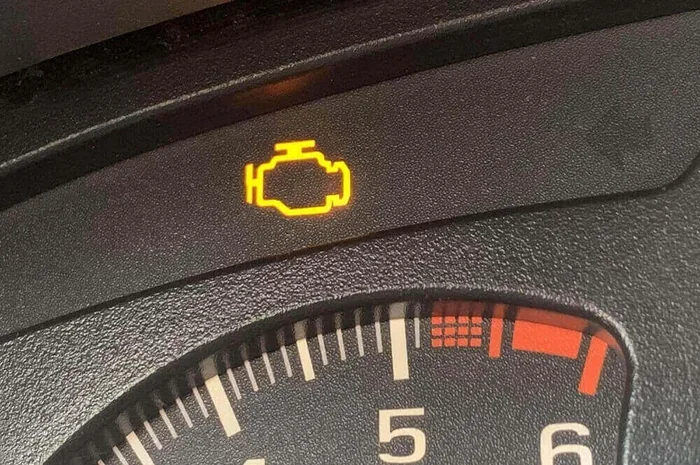
Mistake 2: Waiting for the warning light. Some drivers only change oil when the change engine light or oil pressure light comes on. By then, damage may already be happening. Always change your oil before the system reaches zero.
Mistake 3: Following the same schedule for every vehicle. Every car is different. A Toyota Camry has different needs than a Ford F-150. Always follow your owner’s manual and your vehicle’s specific oil life system.
Mistake 4: Forgetting the oil filter. When you change your oil, always replace the oil filter too. A clogged filter can reduce oil flow and harm your engine. You can learn more about Toyota oil filters in our article on are Toyota oil filters good.
Mistake 5: Skipping oil changes during long storage. Even if you do not drive many miles, oil degrades over time. Moisture can build up in the crankcase. Most manufacturers recommend changing oil at least twice a year, regardless of mileage.
Expert Insights and Practical Tips
We spoke with certified mechanics and automotive experts to get their take on the oil life vs mileage debate. Here is what they had to say.
Tip 1: Keep a log. Track every oil change in a notebook or app. Record the date, mileage, oil type, and oil life percentage at the time of change. Over time, you will learn your driving pattern and can predict when changes are needed.
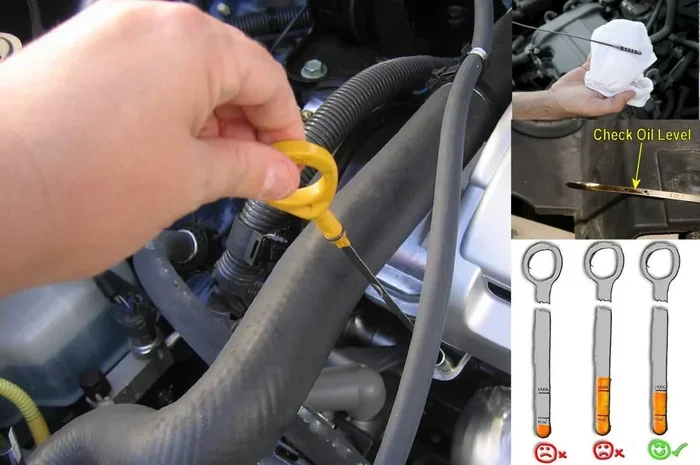
Tip 2: Check your oil manually. Even with a monitoring system, dipstick checks are valuable. Pull out the dipstick and look at the oil color. Fresh oil is amber. Dark brown or black oil means it is time for a change. If the oil feels gritty or smells like fuel, do not wait.
Tip 3: Use the right oil. Always use the oil viscosity and type recommended by your manufacturer. Using the wrong oil can throw off your oil life monitor readings and reduce engine protection.
Tip 4: Reset after every change. Make resetting the oil life system part of your routine after every oil change. This keeps your system accurate and prevents false warnings.
Tip 5: Do not skip oil changes to save money. Old oil loses its ability to protect your engine. Running on degraded oil can lead to expensive repairs. A simple oil change is a tiny cost compared to engine replacement.
Tip 6: Ask your dealer about free oil changes. Many dealerships offer free oil changes with vehicle purchases or service plans. Check if are oil changes free at Toyota or your brand’s dealership for potential savings.
Key Takeaways
- Oil life monitors use sensors and algorithms to track oil quality, not just distance driven.
- Mileage-based changes are still important as a baseline, especially for older vehicles.
- Severe driving conditions shorten oil life and may require more frequent changes.
- Synthetic oil lasts longer than conventional oil, which affects both oil life and mileage intervals.
- Ignoring your oil life monitor can lead to engine damage over time.
- The best strategy combines both systems to ensure optimal engine protection.
Conclusion
So, should you go by oil life or mileage? The best answer is both. Your oil life monitor is a powerful tool that adapts to your real driving conditions. But mileage gives you a reliable baseline that never fails. Using both together gives you the most complete picture of your engine’s health.
Do not wait for warning lights to flash. Do not ignore your oil life percentage when it drops below 20%. Stay proactive about your vehicle maintenance. Check your oil regularly, follow your manufacturer’s guidelines, and never skip an oil change when your system tells you it is time.
Your engine is the heart of your vehicle. Treating it well with timely oil changes pays off in performance, fuel economy, and longevity. Whether you trust the oil life system, the mileage marker, or both, the most important thing is that you do not skip the change. Your car will thank you for it.
Stay on top of your maintenance schedule. Your future self and your engine will both be glad you did.
Frequently Asked Questions
Can I drive past the oil life percentage to save money?
You should not drive past the oil life percentage if you want to protect your engine. The oil life monitor tells you when your oil has lost its effectiveness. Running on degraded oil increases friction and wear. It can lead to costly engine repairs down the road. Always change your oil when the system recommends it.
Is it okay to change oil based on mileage alone?
For older vehicles without oil life monitors, mileage is the best guide. However, for modern cars, combining mileage with the oil life system gives the best results. Mileage alone does not account for driving conditions like short trips or extreme weather. Use both whenever possible.
How often should I reset my oil life monitor?
You should reset your oil life monitor every time you change your oil. This ensures the system starts tracking fresh oil from 100%. If you do not reset it, the system will not give you accurate readings. Check your owner’s manual for the specific reset procedure for your vehicle.
Does synthetic oil last longer than conventional oil?
Yes, synthetic oil lasts significantly longer than conventional oil. It resists thermal breakdown better and maintains its viscosity over more miles. Full synthetic oil can last 10,000 to 15,000 miles between changes. This is one reason why many modern vehicles use synthetic oil from the factory.
What happens if I ignore my oil change light?
Ignoring your oil change light can lead to dirty, degraded oil circulating through your engine. Old oil loses its lubricating properties, which increases friction and heat. Over time, this can cause increased wear on engine components. In severe cases, it can lead to engine failure. Always address your oil change light promptly.
Can I use the oil life system with any type of oil?
The oil life system works best with the oil type recommended by your manufacturer. Using the wrong oil can affect how the system calculates oil life. Always use the correct viscosity and specification listed in your owner’s manual. This ensures accurate readings and proper engine protection.