What Happens When Your Car Starter Starts to Fail
A failing car starter can leave you stranded and frustrated. Recognizing the early signs of starter motor trouble saves you time, money, and a lot of stress. This guide covers the key symptoms, root causes, and practical steps to address starter problems before they leave you stuck.
There are few moments more frustrating than turning your key and hearing nothing but silence. Your car refuses to start, and you are left standing in a driveway or a parking lot wondering what went wrong. Often, the culprit is a failing starter motor. Understanding what happens when your car starter starts to fail can help you act quickly and avoid a costly breakdown.
The starter motor is one of the most hardworking components in your vehicle. Every time you turn the key or press the start button, it engages the engine and kicks the combustion process into action. Over time, this essential part wears down. Electrical connections corrode. Internal gears grind. The result is a gradual decline in performance that eventually leads to complete failure.
In this article, we will walk through every stage of starter motor failure. You will learn to recognize the warning signs early. We will explore the common causes behind starter problems. And we will give you practical advice on what to do when your starter starts acting up. Whether you are a seasoned DIY mechanic or a curious car owner, this guide has something valuable for you.
Key Takeaways
- Listen for clicking or grinding noises: These are the most common early signs of a failing starter motor.
- Slow cranking signals trouble: If your engine takes longer to start, the starter may be wearing out.
- Intermittent failure is a red flag: A starter that works sometimes but not others needs immediate attention.
- Electrical issues often mimic starter failure: Always check your battery and connections first.
- Replacing a starter motor costs between $300 and $500 on average: DIY repair can save you significant money.
- Ignoring starter symptoms can damage your flywheel: Early intervention prevents costly secondary repairs.
📑 Table of Contents
What Does a Car Starter Do?
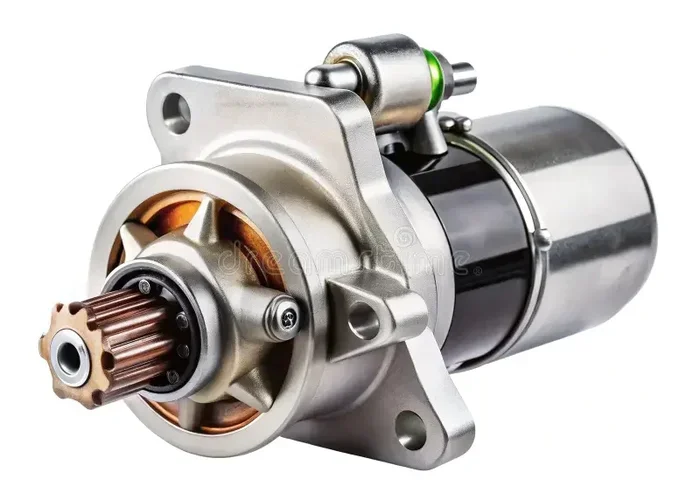
Before we dive into failure symptoms, it helps to understand how the starter works. The starter motor is a small but powerful electric motor. It connects to your engine through a gear called a pinion. When you turn the ignition key or push the start button, the starter motor spins. This spinning gear engages with the flywheel on your engine. That engagement cranks the engine and starts the combustion cycle.
The entire process happens in seconds. But it relies on several components working together perfectly. The starter solenoid acts as a switch. It sends electrical current from the battery to the starter motor. The ignition switch tells the system when to activate. And the battery provides the power needed to turn the engine over. When any part of this starting system fails, your car will not start.
Many people confuse starter problems with battery issues. This is understandable because both can cause a no-start condition. However, the symptoms are different. A dead battery usually means you hear nothing at all or the lights are very dim. A failing starter often produces clicking, grinding, or whirring sounds. If you are unsure whether your dead battery or your starter motor is the problem, check out our guide on can a car run without a battery for more clarity.
Early Warning Signs of a Failing Starter Motor
Starter motors do not usually fail without warning. There are telltale signs that appear long before complete breakdown. Learning to spot these early warnings can save you from an unexpected trip to the tow truck.
1. Clicking Noise When You Turn the Key
A single loud click or a rapid series of clicks is the most common symptom of starter trouble. When you turn the ignition key and hear a click but the engine does not turn over, the starter motor is likely engaging but failing to crank the engine. This often points to a worn starter gear or a weak electrical connection.
The clicking sound comes from the starter solenoid. It is trying to push the pinion gear into contact with the flywheel. But if the gear is damaged or the motor is too weak, nothing happens. You just hear that telltale click. This is your first real clue that something is wrong with your starter motor.
2. Slow or Sluggish Cranking
A healthy starter motor cranks your engine quickly and confidently. It should spin the engine over in one or two seconds. If your engine turns over slowly or labored, the starter motor may be losing its strength. This is especially noticeable on cold mornings when the engine oil is thick.
Slow cranking is often an early stage of starter motor failure. The internal brushes are wearing down. The motor is still working but it is struggling. If you ignore this sign, the problem will get worse. Eventually, the starter will stop working entirely.
3. Intermittent Starting Problems
Sometimes the starter works perfectly fine one day and refuses to cooperate the next. This intermittent behavior is one of the trickiest symptoms to diagnose. You might turn the key and the engine starts without issue. The next time you get in the car, nothing happens.
Intermittent starter failure often points to electrical problems. Corroded terminals, a loose connection, or a failing solenoid can all cause this inconsistency. If your car starts sometimes but not others, do not ignore it. Keep a close eye on the pattern and have a professional inspect the starting system before it leaves you stranded.
4. Grinding or Whirring Sounds
A grinding noise when you turn the key is never a good sign. This sound usually means the pinion gear is not engaging properly with the flywheel. It could also mean the gear teeth are worn or damaged.
Whirring sounds without cranking indicate the starter motor is spinning but not engaging the engine. Both of these symptoms suggest internal damage to the starter. Continuing to use a grinding starter can cause serious flywheel damage. Repairing a flywheel is far more expensive than replacing a starter motor. Address grinding noises immediately.
5. Starter Stays On After the Engine Starts
Once your engine starts and you release the key, the starter motor should stop immediately. If it keeps running and you hear a loud whining or grinding noise, the starter solenoid is likely sticking. This means the pinion gear remains engaged with the flywheel even after the engine is running.
This is a serious issue that can damage both the starter and the flywheel. If you notice this symptom, turn off the engine right away. Do not keep driving. Have the vehicle towed to a repair shop if needed. This is not something you should try to drive home with.
Common Causes of Starter Motor Failure
Understanding why starter motors fail helps you prevent problems before they start. Several factors contribute to starter breakdown. Some are related to normal wear and tear. Others stem from electrical or mechanical issues in the vehicle.
Worn Internal Components
Like all mechanical parts, the starter motor has a limited lifespan. The internal brushes wear down over time. The bearings become dry and rough. The copper windings inside the motor degrade. Eventually, the motor simply cannot generate enough power to turn the engine over.
Most starter motors last between 100,000 and 150,000 miles. But driving habits and conditions can shorten that lifespan significantly. Frequent short trips, extreme temperatures, and heavy loads all put extra stress on the starter. If your car has high mileage, it is wise to keep an eye on starter performance.
Corroded or Loose Electrical Connections
The starter motor relies on a strong electrical connection from the battery. Corrosion on the battery terminals or the wiring harness can restrict current flow. When the starter does not receive enough power, it struggles to engage the engine.
Loose connections are just as problematic. A wire that vibrates loose over time can cause intermittent starting issues. This is why many mechanics start by checking the electrical connections before replacing the starter motor itself. A simple cleaning and tightening job might solve the problem and save you hundreds of dollars.
Faulty Starter Solenoid
The starter solenoid is the switch that activates the starter motor. It receives a small electrical signal from the ignition switch and uses it to send a large current to the motor. When the solenoid fails, the starter motor never receives the power it needs.
A bad solenoid often produces a single click when you turn the key. The solenoid is trying to engage but it is not completing the circuit. Replacing a solenoid is usually less expensive than replacing the entire starter motor assembly. Some vehicles allow you to replace just the solenoid, while others require a full starter replacement.
Damaged Pinion Gear or Flywheel
The pinion gear on the starter motor meshes with the ring gear on the flywheel. Over time, both gears can wear down or suffer damage. A damaged pinion gear will slip, grind, or fail to engage the flywheel properly.
Flywheel damage is often a secondary consequence of ignoring starter problems. A worn starter gear can chew into the flywheel ring gear. Once the flywheel is damaged, the repair becomes much more involved and expensive. This is why early detection of starter issues is so important. A simple starter replacement costs far less than a flywheel repair.
Oil or Fluid Leaks
Engine oil or transmission fluid leaking onto the starter motor can cause serious problems. Oil contaminates the internal components and accelerates wear. It can also short out electrical connections. If you notice oil pooling near the starter motor, address the leak immediately.
Fluid leaks near the starter are often a sign of a larger underlying issue. Have your mechanic inspect the area thoroughly. Fixing the leak and protecting the starter can prevent premature failure.
Heat Damage from Engine Overheating
Excessive engine heat can damage the starter motor over time. The starter is located close to the exhaust manifold in many vehicles. Repeated exposure to high temperatures degrades the insulation on the wiring and weakens internal components. If your vehicle has a history of overheating, the starter may be more vulnerable to failure.
How to Diagnose a Failing Starter
Diagnosing starter problems does not always require a trip to the mechanic. There are several simple tests you can perform at home. These checks can help you confirm whether the starter is the actual problem or if something else is causing your starting issues.
Step 1: Check the Battery
Before you assume the starter is the problem, rule out the battery. A weak or dead battery is the most common cause of no-start conditions. Use a multimeter to check the battery voltage. A fully charged battery should read 12.6 volts or higher with the engine off.
If the battery voltage is low, try charging it first. A dead battery can mimic all the symptoms of a failing starter. Clicking, slow cranking, and intermittent starting can all be caused by a weak battery. If the battery tests fine, move on to the next steps.
For a detailed guide on testing your battery, check out our article on can you test a car battery with a multimeter. It walks you through the process step by step.
Step 2: Inspect the Electrical Connections
Look at the battery terminals and the wiring connected to the starter motor. Are they clean and tight? Corrosion looks like a white or greenish powder on the terminals. Loose wires will wiggle when you tug on them gently.
Clean any corrosion with a wire brush or a mixture of baking soda and water. Tighten all connections securely. Sometimes this simple maintenance step restores full power to the starter and solves the problem entirely.
Step 3: Perform the Tap Test
This is an old-school trick that still works. When you turn the key and the starter does not engage, have someone tap the starter motor lightly with a wrench or a hammer while you try starting the engine again. The vibration can sometimes dislodge a stuck gear or free up a sticky solenoid.
If the car starts after tapping, the starter motor is likely the problem. This does not mean you need to replace it immediately, but it confirms that the starter needs professional inspection.
Step 4: Listen for the Solenoid Click
When you turn the ignition key, listen carefully. Do you hear a single click from the starter area? A click indicates the solenoid is receiving power but the motor is not engaging. No click at all suggests the problem might be in the ignition switch, the neutral safety switch, or the wiring between these components and the solenoid.
Pay attention to whether the click is loud and clear or weak and muffled. A weak click often means the solenoid is failing but still has some life left. A strong click with no cranking usually points to a dead starter motor or a bad electrical connection.
Step 5: Check the Neutral Safety Switch
The neutral safety switch prevents the starter from engaging when the transmission is in gear. If this switch fails, the starter will not work at all. Try shifting the gear selector to neutral and then attempt to start the engine. If it starts in neutral but not in park, the neutral safety switch is likely the culprit.
This is a simple and often overlooked check. Many people assume the starter is dead when the real problem is a faulty safety switch. Always rule this out before replacing expensive components.
Starter Motor Replacement: What to Expect
When diagnostic tests confirm that the starter motor is the problem, replacement is usually the next step. Understanding the process and costs helps you make informed decisions about your repair.
Average Replacement Costs
The cost of replacing a starter motor varies depending on your vehicle make and model. On average, you can expect to pay between $300 and $500 for parts and labor combined. The starter motor itself typically costs between $100 and $300. Labor charges range from $200 to $300 depending on the accessibility of the starter in your vehicle.
Some vehicles have starters that are easy to access. Others require removing exhaust components or lifting the vehicle to reach the starter. The more labor-intensive the job, the higher the cost. Always get a detailed estimate before authorizing any repair work.
DIY vs. Professional Replacement
If you are comfortable working on your vehicle, replacing a starter motor can be a manageable DIY project. The job typically involves disconnecting the battery, removing the wiring harness, unbolting the starter, and installing the new unit. It usually takes one to three hours depending on the vehicle.
For those who prefer professional help, a qualified mechanic can complete the job quickly and safely. The advantage of professional service is that the mechanic can also inspect related components. They can check the solenoid, the flywheel, and the electrical connections while the starter is already off. This proactive approach can prevent follow-up problems.
Choosing the Right Starter Motor
When shopping for a replacement starter, you have several options. OEM (Original Equipment Manufacturer) starters are built to the exact specifications of your vehicle. They offer reliable performance and often come with a warranty. Aftermarket starters are typically less expensive and can perform just as well. However, quality varies between brands.
Look for reputable aftermarket brands with strong customer reviews. Avoid the cheapest options, as they may use lower-quality internal components that wear out quickly. Investing in a quality starter motor now can save you from repeat repairs down the road.
Preventing Starter Motor Failure
You cannot prevent all starter problems. Wear and tear is a natural part of vehicle ownership. But there are steps you can take to extend the life of your starter motor and reduce the risk of unexpected failure.
- Turn off all accessories before starting: Headlights, air conditioning, and the radio draw power from the battery. Minimizing the electrical load when starting gives the starter motor the best chance to engage smoothly.
- Avoid repeated rapid key turns: If the engine does not start on the first try, wait at least 10 seconds before trying again. Rapid repeated attempts overheat the starter motor and accelerate wear.
- Keep the battery terminals clean: Regularly inspect and clean battery terminals to ensure a strong electrical connection. A clean connection reduces the strain on the starter motor.
- Address fluid leaks promptly: Oil and coolant leaks near the starter can cause contamination and corrosion. Fix leaks as soon as you notice them.
- Have the starting system inspected regularly: During routine maintenance, ask your mechanic to check the starter motor, solenoid, and electrical connections. Early detection of wear prevents sudden failure.
- Warm up the engine in extreme cold: In very cold weather, engine oil thickens and the starter has to work harder. Letting the vehicle warm up briefly reduces the strain on the starting system.
Expert Insights on Starter Motor Longevity
Experienced mechanics agree that most starter failures are preventable with proper maintenance. The key is paying attention to the early warning signs. A slight delay in cranking or an occasional click should not be dismissed as normal aging. These small symptoms are often the first indicators of a deeper problem.
Many car owners wait until the starter completely fails before addressing the issue. This reactive approach often leads to being stranded at the worst possible moment. Proactive maintenance and timely repairs keep your vehicle reliable and your wallet happy. A small investment in inspection today can prevent a major repair tomorrow.
If you have experienced repeated starting problems, it is worth having the entire electrical system evaluated. Sometimes what looks like a starter problem is actually a combination of issues. A weak battery, corroded cables, and a worn solenoid can all interact to create a no-start condition. Addressing all contributing factors ensures a lasting solution.
Key Takeaways
- Recognize the warning signs early: Clicking, grinding, slow cranking, and intermittent starting all point to starter trouble.
- Rule out the battery first: Many symptoms of a failing starter are identical to a dead battery. Always check the battery before replacing the starter.
- Do not ignore grinding noises: A grinding starter can damage the flywheel, leading to much more expensive repairs.
- Regular maintenance extends starter life: Clean connections, prompt leak repairs, and gentle starting habits all help.
- Replacement is straightforward and affordable: Most starter replacements cost between $300 and $500 and can be done in a few hours.
- DIY is possible for many vehicles: If you are mechanically inclined, replacing a starter motor is a rewarding and cost-saving project.
Frequently Asked Questions
How do I know if it is my starter or my battery?
The easiest way to tell is by the sounds your car makes. A dead battery usually produces silence or very dim dashboard lights when you turn the key. A failing starter often produces a clicking, grinding, or whirring noise. You can also test the battery voltage with a multimeter. If the battery reads above 12.4 volts, the problem is likely the starter motor rather than the battery itself.
Can a car starter fail suddenly without warning?
Yes, it is possible. While most starter motors show gradual warning signs like slow cranking or intermittent issues, sudden failure does happen. This is more common in older vehicles or those with high mileage. Regular inspection of the starting system can help you catch problems before they become sudden failures.
Is it safe to drive with a bad starter motor?
No, it is not safe. A failing starter motor can leave you stranded at any moment. In some cases, a bad starter can damage the flywheel, which is a much more expensive repair. If you suspect your starter is failing, have it inspected and repaired as soon as possible.
How long does it take to replace a starter motor?
Most starter motor replacements take between one and three hours. The exact time depends on the vehicle model and how accessible the starter is. Some vehicles have starters that are easy to reach, while others require removing exhaust or transmission components. A professional mechanic can give you a more accurate estimate for your specific vehicle.
Can a bad starter drain your car battery?
Yes, a faulty starter can drain your battery. If the starter solenoid is sticking or the internal windings are shorted, the motor may continue to draw power even after the engine is running. This parasitic drain can leave your battery weak or completely dead. If you notice your battery dies frequently, a bad starter could be the cause.
What is the average lifespan of a car starter motor?
Most starter motors last between 100,000 and 150,000 miles. However, this varies based on driving habits, vehicle maintenance, and environmental conditions. Frequent short trips, extreme temperatures, and heavy electrical loads can shorten the lifespan. Regular maintenance and gentle starting habits can help your starter motor last as long as possible.
=== CONCLUSION ===
Your car starter motor plays a vital role in every drive. It is the component that brings your engine to life, and when it starts to fail, the symptoms are hard to ignore. Clicking noises, slow cranking, grinding sounds, and intermittent starting problems all tell a story of a component under stress.
The good news is that catching these signs early gives you the power to act before a complete breakdown leaves you stranded. By understanding what happens when your car starter starts to fail, you can make informed decisions about repairs and maintenance. You can save money, avoid unnecessary stress, and keep your vehicle running reliably for years to come.
Do not wait for the problem to get worse. If your car is showing any of the warning signs we discussed, have the starting system inspected today. A simple diagnostic check could save you from a much bigger headache tomorrow. Take care of your starter motor, and it will take care of you every time you turn the key.