What to Do If Your Car Says Low Tire Pressure Warning
When your car says low tire pressure, don’t ignore it. A tire pressure warning means your tires are underinflated, which can hurt fuel economy, handling, and safety. This guide walks you through simple checks, fixes, and prevention steps to keep your tires in top shape.
You’re driving down the road, minding your own business, when suddenly a yellow light pops up on your dashboard shaped like a horseshoe with an exclamation mark. Your car says low tire pressure. It’s easy to panic, but here’s the good news: this is one of the most common dashboard warnings, and it’s usually something you can handle yourself.
Ignoring a low tire pressure warning is not a good idea. Underinflated tires can reduce your gas mileage, wear out your tires faster, and even make your car harder to control. In some cases, driving on a seriously flat tire can cause permanent damage to the wheel or lead to a blowout. So let’s walk through exactly what you should do when your car throws this warning at you.
This guide covers everything from the first thing you should do when the light comes on, to how to check your tire pressure, common causes, and how to stop it from happening again. Whether you’re a seasoned driver or just getting started, you’ll find practical, easy-to-follow steps that actually work.
Key Takeaways
- Check your tire pressure immediately: Driving on underinflated tires is dangerous and wastes fuel.
- Use a tire pressure gauge: This is the fastest way to find out which tire is low and by how much.
- Know your recommended PSI: Check the driver’s side door jamb or owner’s manual for the correct pressure.
- Reset the TPMS light after fixing: Just like you might reset the light after an oil change, you may need to reset the tire pressure light too.
- Prevent future issues: Regular checks and proper inflation save money and keep you safe on the road.
📑 Table of Contents
- Understanding the Low Tire Pressure Warning
- Immediate Steps to Take When the Warning Appears
- How to Check Your Tire Pressure Properly
- Common Causes of Low Tire Pressure
- How to Fix and Prevent Low Tire Pressure Issues
- Driving Safety When You Have Low Tire Pressure
- Key Takeaways
- Frequently Asked Questions
- Final Thoughts
Understanding the Low Tire Pressure Warning
What Is the Tire Pressure Monitoring System?
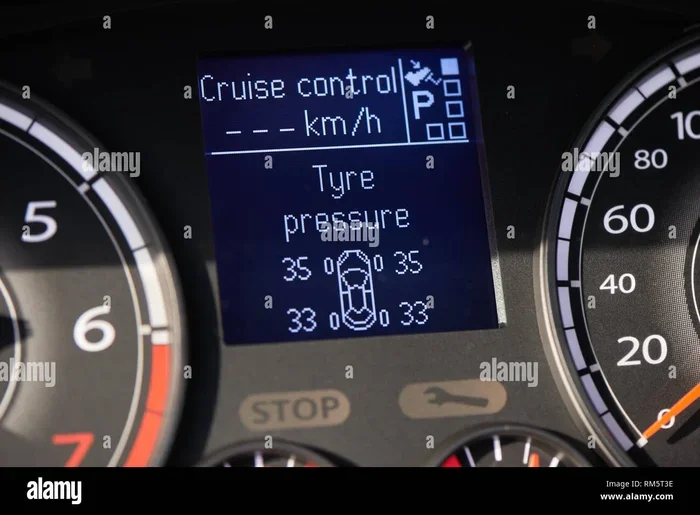
Most modern cars come with a Tire Pressure Monitoring System, also called TPMS. This system uses sensors inside each tire to measure the air pressure. When the pressure drops below a safe level, the system triggers a warning light on your dashboard.
The light usually looks like a horseshoe or a cross-section of a tire with an exclamation point in the middle. Some cars show a more detailed picture. Either way, the message is clear: your tire pressure is too low.
The TPMS is there to protect you. Tires that are underinflated have a larger contact area with the road. This means more friction, more heat, and more wear. It also means your engine has to work harder, which burns more fuel. So that little yellow light is actually trying to save you money and keep you safe.
Why Does the Low Tire Pressure Light Come On?
There are several reasons the tire pressure warning light might turn on. Here are the most common ones:
- A slow leak: A small nail, screw, or sharp rock can puncture your tire and let air out slowly over hours or days.
- Temperature changes: Cold weather causes the air inside your tires to contract. In winter, you might see the light come on even if your tires are fine.
- Normal air loss: Tires naturally lose a little air over time. A typical tire can lose about 1 PSI per month.
- A faulty TPMS sensor: Sometimes the sensor itself is the problem, not the tire.
- Recent tire work: If you just got new tires or rotated them, the sensors may need recalibrating.
Knowing the cause helps you decide the next step. A slow leak needs a different fix than a temperature-related dip. Let’s look at what you should do right now.
Immediate Steps to Take When the Warning Appears
The moment you see the low tire pressure light, stay calm. Here is exactly what you should do, in order.
- Find a safe place to pull over. If you’re on a highway or a busy road, signal and move to the right shoulder or a parking lot. Do not slam on the brakes.
- Turn off the engine and engage the parking brake. This keeps the car stationary while you check things out.
- Visually inspect all four tires. Look at each tire. Do any look noticeably flat? Is there something stuck in the tread, like a nail or a piece of glass? Sometimes you can spot the problem without any tools.
- Check the spare tire too. If you need to swap tires, you want to know the spare is ready to go.
- Do not drive far on a flat tire. Driving on a completely flat tire can ruin the rim. If a tire is totally flat, call for roadside assistance. If you need a temporary fix and want to know if you can use a bike pump in an emergency, check out this guide on using a bike pump for your car tire.
Once you’ve done these steps, you can move on to checking the actual pressure with a gauge.
How to Check Your Tire Pressure Properly
What You Need
All you need is a tire pressure gauge. You can buy one at any auto parts store or gas station for under $15. Digital gauges are easy to read and very affordable. Some gas stations have free air pumps with built-in gauges too.
Step-by-Step Checking Process
- Check tires when they are cold. This means the car has been parked for at least three hours or driven less than a mile. Hot tires give false readings because the air inside expands with heat.
- Find the recommended PSI. Look at the sticker on the driver’s side door jamb. It will list the recommended tire pressure for both front and rear tires. You can also check your owner’s manual. Do not use the number printed on the tire itself, as that is the maximum pressure, not the recommended one.
- Remove the valve cap. This is the small plastic or metal cap on the tire’s air valve. Twist it off and set it aside.
- Press the gauge firmly onto the valve stem. You’ll hear a brief hiss of air. That’s normal. Hold the gauge steady until the reading stabilizes.
- Compare the reading to the recommended PSI. If the reading is low, you need to add air. If it’s high, let a little air out by pressing the small pin inside the valve stem.
- Replace the valve cap. This keeps dirt and moisture out of the valve.
Repeat this process for all four tires. Sometimes only one tire is low, and other times multiple tires are affected. Knowing which ones are low helps you figure out the cause.
Common Causes of Low Tire Pressure
Understanding why your tires lose air helps you prevent the problem from coming back. Here are the top causes:
Punctures and Leaks
A nail, screw, or sharp piece of metal can pierce your tire and create a slow or fast leak. Punctures in the tread area are usually repairable. Punctures on the sidewall are not safe to repair and usually require a new tire.
If you find a foreign object in your tire, try to remove it carefully and check if air is escaping. A hissing sound means air is leaking out. In some cases, a plug or patch repair can save the tire for a small cost at a tire shop.
Temperature Drops
Air contracts when it gets cold. For every 10-degree drop in temperature, your tire pressure can decrease by about 1 PSI. This is why many drivers notice the low tire pressure light in autumn and winter. It’s not a leak, it’s physics. Simply adding air to the recommended PSI usually fixes this.
Old or Damaged Valve Stems
The valve stem is the small protrusion on your tire where you add air. Over time, these can crack, dry out, or become loose. A damaged valve stem lets air escape slowly. Replacing a valve stem is cheap and quick, usually under $5 per tire at a tire shop.
Rim or Wheel Damage
If your rim is bent or cracked, it can prevent the tire from sealing properly against the wheel. This causes a slow leak that can be hard to detect. If you’ve hit a pothole or curb recently and now have a low tire pressure warning, the rim might be the culprit.
TPMS Sensor Issues
Sometimes the problem is not the tire at all. TPMS sensors have batteries that last about 5 to 10 years. When the battery dies, the sensor can’t send accurate readings and the light may stay on. A mechanic can check the sensors and replace the battery or the entire sensor if needed.
How to Fix and Prevent Low Tire Pressure Issues
Adding Air to Your Tires
If your tire pressure is low, the fix is straightforward. Add air until you reach the recommended PSI listed on the door jamb sticker. Most gas stations have air pumps that accept quarters or have a digital display. Here’s a quick process:
- Remove the valve cap.
- Attach the air hose to the valve stem.
- Add air in short bursts.
- Check the pressure with your gauge after each burst.
- Stop when you reach the recommended PSI.
- Replace the valve cap.
Overinflating is just as bad as underinflating. Too much pressure makes the tire ride hard, wears the center of the tread faster, and reduces traction on wet roads. Always check the pressure before you drive.
Resetting the TPMS Light
Once you’ve fixed the tire pressure, the warning light might not turn off right away. In many cases, you need to reset the system manually. The process varies by car, but here are the most common methods:
- Method 1: Drive the car at a steady speed for about 10 to 20 minutes. The system may recalibrate on its own.
- Method 2: Use the TPMS reset button, usually found under the steering column. Press and hold it until the warning light blinks three times, then release.
- Method 3: Go to your car’s settings menu on the infotainment screen and look for a TPMS reset option.
Resetting a warning light is similar to what you do when you reset the light after an oil change — it’s a simple process that tells the car’s computer the issue has been addressed.
When to See a Professional
Not every tire problem is a DIY fix. You should see a professional if:
- The tire is completely flat or visibly damaged.
- You can see the tire bulging or cracking.
- The TPMS light keeps coming back after you’ve reset it and added air.
- You hear a loud hissing sound that doesn’t stop after a few minutes.
- The TPMS sensor itself is malfunctioning and needs replacement.
A tire shop can patch punctures, replace valve stems, and diagnose sensor problems. Most tire repairs are affordable and take less than an hour. If you’re unsure whether a tire is safe to drive on, it’s always better to be cautious and call a professional.
Prevention Tips
Preventing low tire pressure is easier than fixing it. Here are some habits that help:
- Check your tire pressure monthly. A quick check takes about five minutes and can save you from unexpected warnings.
- Check before long trips. A pre-trip tire check takes seconds and can prevent problems on the road.
- Keep a tire pressure gauge in your glove box. Gas station gauges aren’t always accurate, and having your own means you can check anytime.
- Check the spare tire too. A spare tire with no air is useless when you need it most.
- Watch the weather. In cold months, add a little extra air to compensate for temperature drops.
- Rotate your tires regularly. Even wear helps maintain consistent pressure across all tires.
While you’re checking your tires, it’s also worth noting that driving habits matter. If you’ve ever wondered how long you can safely let your car sit running, here’s what you should know about idling safely. It’s a related piece of car maintenance knowledge that keeps your vehicle running well.
Driving Safety When You Have Low Tire Pressure
If you must drive with a slightly low tire, keep these safety tips in mind:
- Drive slowly. Underinflated tires have less grip, especially on wet roads. Lower speeds reduce the risk of accidents.
- Avoid highway driving if possible. High speeds generate more heat in underinflated tires, increasing the risk of a blowout.
- Watch for unusual handling. If the car pulls to one side, vibrates, or feels sluggish, pull over safely.
- Keep your distance from other vehicles. Tires with low pressure take longer to stop.
Safety should always come first. If the tire pressure is more than 25% below the recommended level, the TPMS light will usually flash instead of stay solid. A flashing light means the problem is urgent, and you should pull over and address it immediately.
Key Takeaways
- Don’t ignore the warning: A low tire pressure light is your car telling you something needs attention. Acting fast keeps you safe and saves money.
- Check pressure with a gauge: This is the single most important step. Know your recommended PSI and compare it to what your gauge reads.
- Add air to the correct level: Use the number from the door jamb sticker, not the number on the tire sidewall.
- Reset the TPMS light after fixing: Follow your car’s reset procedure to clear the warning once the pressure is correct.
- Check monthly and before trips: Regular checks prevent surprises and extend the life of your tires.
- See a professional when needed: Some problems, like sidewall damage or sensor failure, need expert attention.
Frequently Asked Questions
Can I drive my car if the low tire pressure light is on?
If the light is solid and the pressure is only slightly low, you can drive carefully to the nearest gas station or tire shop. However, if the light is flashing or the tire is visibly flat, do not drive. Pull over safely and call for roadside assistance. Driving on a flat tire can destroy the wheel and create a dangerous situation.
How much does it cost to fix a low tire pressure issue?
The cost depends on the cause. Adding air is free at most gas stations. A puncture repair typically costs between $10 and $30. Valve stem replacement is around $5 to $10 per tire. TPMS sensor replacement can range from $50 to $250 per sensor depending on your car model. Overall, most tire pressure fixes are quite affordable.
Why does my tire pressure light come on in cold weather?
Cold weather causes the air inside your tires to contract, which lowers the pressure. A temperature drop of 10 degrees Fahrenheit can reduce tire pressure by about 1 PSI. This is normal and not a sign of a leak. Simply adding air to the recommended PSI usually turns off the light.
How often should I check my tire pressure?
You should check your tire pressure at least once a month and before any long road trips. Tires naturally lose about 1 PSI per month, so regular checks help you catch slow leaks early. A good tire pressure gauge is a small investment that pays for itself in fuel savings and tire longevity.
Can a bad TPMS sensor cause the low tire pressure light to stay on?
Yes. TPMS sensors have batteries that eventually die, usually after 5 to 10 years. A dead battery or faulty sensor can trigger the warning light even when your tire pressure is perfectly fine. A mechanic can diagnose the sensor and replace it if needed. This is a common reason the light stays on after you’ve already fixed the tire pressure.
What PSI should my tires be at?
The recommended PSI is listed on a sticker on the driver’s side door jamb and in your owner’s manual. It varies by car model, but most passenger cars recommend between 30 and 35 PSI. Never use the maximum PSI printed on the tire sidewall, as that number is the tire’s maximum capacity, not the recommended pressure for your vehicle.
Final Thoughts
A low tire pressure warning is one of those car alerts that can catch you off guard, but it’s almost always manageable. Whether it’s a simple case of adding air, a slow leak that needs a plug, or a sensor that needs replacing, the fix is usually quick and affordable.
The most important thing is to not ignore it. Underinflated tires affect your safety, your fuel economy, and the lifespan of your tires. A few minutes of attention now can save you from bigger headaches later.
Make tire pressure checks a regular part of your car maintenance routine. Keep a gauge in your glove box, know your recommended PSI, and reset the TPMS light after you fix the problem. Your tires are the only part of your car that touches the road, so taking care of them is taking care of yourself and everyone else on the road.