Where Can I Charge My Hybrid Battery at Home or Nearby
Knowing where to charge your hybrid battery can save you time, money, and stress. You have several options, from using a standard wall outlet at home to visiting public charging stations. This guide walks you through every charging method, so you can keep your hybrid battery powered up and your car running strong.
If you own a hybrid car, you already know the benefits. Better fuel economy. Lower emissions. Less time at the pump. But one question comes up again and again: where can I charge my hybrid battery?
The good news is that you have more options than most people realize. You can charge right at home, at work, or at public stations nearby. Whether you drive a Toyota Prius, a Ford Escape Hybrid, or any other hybrid vehicle, this guide covers everything you need to know about keeping your battery topped up.
Let us walk through each charging option step by step. By the end, you will know exactly what works best for your lifestyle and your car.
Key Takeaways
- Home Charging Is the Easiest Option: A standard 120V outlet works for most hybrids, and a 240V setup charges faster.
- Public Charging Stations Are Widely Available: Many shopping centers, parking garages, and gas stations now offer hybrid-compatible chargers.
- Level 1 and Level 2 Charging Are the Two Main Home Options: Level 1 uses a regular outlet, while Level 2 requires dedicated equipment.
- Charging Costs Are Much Lower Than Gas: Charging a hybrid battery at home costs just a few dollars per full charge.
- Regular Charging Keeps Your Battery Healthy: Consistent charging habits extend the life of your hybrid vehicle battery.
- Always Check Your Warranty Before Installing Home Equipment: Some Toyota hybrid battery warranties have specific charging requirements.
📑 Table of Contents
- Understanding How Hybrid Battery Charging Works
- Charging Your Hybrid Battery at Home
- Public Charging Stations for Hybrids
- Charging at Work or While Traveling
- How to Maintain Your Hybrid Battery for Longevity
- Hybrid Battery Charging Costs Compared
- Common Hybrid Charging Mistakes to Avoid
- Frequently Asked Questions About Hybrid Battery Charging
- Final Thoughts: Finding the Right Charging Solution for You
Understanding How Hybrid Battery Charging Works
Before we dive into locations, let us quickly cover how hybrid battery charging actually works. Unlike a fully electric vehicle, a hybrid has two power sources: a gasoline engine and an electric motor. The battery that powers the electric motor gets recharged in two main ways.
First, the car itself recharges the battery while you drive. This happens through regenerative braking. Every time you slow down or hit the brakes, the system captures energy and sends it back to the battery. Second, you can plug the car in to charge from an external power source. This is what most people mean when they ask about charging options.
The battery in your hybrid vehicle is smaller than the battery in a fully electric car. That means charging takes less time and uses less electricity. Most full charges take between one and four hours, depending on the method you use.
Do All Hybrids Plug In?
Not all hybrids plug in. Some hybrids, often called “self-charging” or “mild” hybrids, never need to be plugged in. The car handles everything on its own. However, plug-in hybrids, or PHEVs, do need external charging to get the full electric range. If you are not sure which type you have, check your owner’s manual or look for a charging port on the front or side of your car.
Charging Your Hybrid Battery at Home
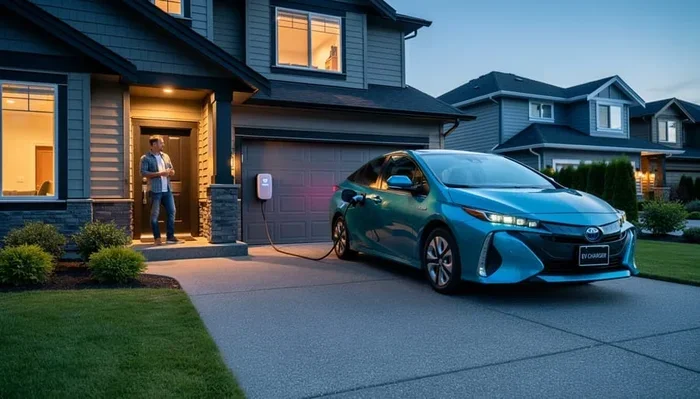
Home charging is the most convenient option for most hybrid owners. You plug in your car overnight or while you are at work, and it is ready to go when you need it. Let us look at the different ways to charge at home.
Level 1 Charging: The Standard Wall Outlet
Level 1 charging uses a regular 120-volt household outlet. Every hybrid car comes with a basic charging cord that you can plug into any standard outlet. This is the simplest way to charge, and it costs nothing extra to set up.
The downside is speed. Level 1 charging adds about 3 to 5 miles of electric range per hour. If you drive a short commute and plug in every night, this is usually enough to keep your battery topped off. But if your battery is completely drained, a full charge can take 20 hours or more.
Here are some quick tips for Level 1 charging:
- Use a dedicated circuit if possible. Do not plug your charger into an outlet shared with high-draw appliances.
- Keep the charging cord off the ground and away from water.
- Plug in as soon as you get home. Consistent charging habits help your hybrid battery health stay strong.
- Check your hybrid battery warranty to make sure Level 1 charging is covered.
Level 2 Charging: The Faster Home Option
Level 2 charging uses a 240-volt outlet, the same type that powers your dryer or oven. You will need to have a dedicated 240V circuit installed by a licensed electrician. The cost for installation typically runs between $500 and $1,500, depending on your home’s electrical setup.
But the speed is well worth it. A Level 2 charger can fully recharge most hybrid batteries in 2 to 3 hours. Some owners install a home charging station in their garage or carport for maximum convenience.
Here is a quick comparison of the two home charging levels:
- Level 1 (120V): Uses any standard outlet. Slow charging. No installation cost. Best for overnight top-ups.
- Level 2 (240V): Requires electrician installation. Fast charging. Best for daily fast turnaround.
If you drive your car every day and want the battery ready each morning, Level 2 is the clear winner. Many hybrid owners say that once they go Level 2, they never go back.
Can You Charge a Hybrid Battery With a Portable Charger?
Yes. Most hybrids come with a portable charger in the trunk. This is essentially a Level 1 charger that you can use anywhere there is a standard outlet. Some owners keep a spare charger at work or at a family member’s house. It is a great backup option if you are traveling or if your home setup is not ready yet.
Just make sure the portable charger is rated for your specific car model. Using the wrong charger can damage the battery or void your Toyota hybrid battery warranty. When in doubt, check with your dealer.
Public Charging Stations for Hybrids
Not everyone has a garage or a dedicated parking spot with an outlet. That is where public charging comes in. Public charging stations are becoming more common every year, and finding one is easier than you might think.
Where to Find Public Charging Stations
You can locate public charging stations using several apps and websites. PlugShare, ChargePoint, and EVgo are popular options that show stations near you. Many of these apps let you filter by connector type and charging speed, so you can find the right station for your hybrid.
Here are the most common places to find public chargers:
- Shopping Centers and Malls: Many retail parking lots now have charging stations. You can shop and charge at the same time.
- Parking Garages and Lots: Downtown garages in most cities now offer at least one charging spot.
- Gas Stations: Some gas stations have added hybrid and electric chargers alongside the fuel pumps.
- Workplace Parking: More employers are installing chargers in their parking lots as a perk for employees.
- Hotel Parking Areas: Many hotels now offer charging stations for guests staying overnight.
How Much Does Public Charging Cost?
Public charging costs vary widely. Some stations charge by the hour, while others charge by the kilowatt-hour. On average, you can expect to pay between $1 and $4 for a full charge at a public station. This is still much cheaper than filling up a gas tank, even for a plug-in hybrid.
Some public stations are free, especially at shopping centers that want to attract customers. It is always worth checking before you plug in.
Charging at Work or While Traveling
Workplace charging is one of the fastest-growing charging options. If your employer has a parking lot, there is a good chance they can install a charger. Many companies offer this as part of their sustainability programs. Check with your facilities or HR department to see what is available.
When you are on the road, charging your hybrid is still doable. Rest stops along major highways increasingly have charging stations. Hotel parking lots are another great option for road trips. Just plug in when you stop for the night, and your battery will be ready for the next day.
One thing to keep in mind: if you ever find yourself in a situation where your hybrid battery is completely dead, you may need a jump start. You can jump start a Toyota hybrid battery using another vehicle or a portable jump starter, but the process is different from a traditional car. Always consult your owner’s manual before attempting a jump start on a hybrid.
What Happens If You Let Your Hybrid Battery Sit Too Long?
If your hybrid sits without being driven for an extended period, the battery can lose its charge. In fact, a hybrid battery can drain completely if the car is not used for several weeks. This can lead to starting problems and reduced battery life over time.
If you know your car will sit for a while, try to start it and drive it at least once a week. This keeps the battery active and healthy. For more details on this topic, check out our guide on how long a hybrid can sit without being driven. It covers the risks and best practices in detail.
How to Maintain Your Hybrid Battery for Longevity
Proper charging habits go a long way toward extending the life of your hybrid battery. Here are some simple steps you can take to keep your battery in great shape for years to come.
Keep the Battery Between 20% and 80%
You do not need to charge your hybrid battery to 100% every single time. In fact, many experts recommend keeping the charge between 20% and 80% for daily use. This reduces stress on the battery cells and helps them last longer.
Think of it like charging your phone. You probably do not drain it to zero every night. The same logic applies to your hybrid battery. Keeping it in a moderate range is better for long-term hybrid battery health.
Avoid Extreme Temperatures When Charging
Heat and cold both affect how well your hybrid battery charges and holds a charge. If possible, park your car in a garage or covered area. In very hot climates, try to charge in the evening when temperatures are cooler. In cold weather, charging may take slightly longer, but it is still perfectly safe.
Follow Your Manufacturer’s Charging Guidelines
Every hybrid brand has its own recommendations for charging and maintenance. Toyota, Honda, Ford, and other manufacturers all provide specific guidelines in the owner’s manual. Following these guidelines helps protect your warranty and ensures optimal performance.
If you are concerned about your warranty coverage, it is worth knowing that you can use your Toyota warranty anywhere at authorized dealers. This gives you flexibility if you travel or move to a new area.
Watch for Warning Signs
Your car will usually tell you when something is wrong with the hybrid battery. Warning lights on the dashboard, reduced fuel economy, or unusual sounds are all signs to watch for. If your dashboard displays a message like “Check Hybrid System,” do not ignore it. You can still drive your Prius if it says check hybrid system, but you should have it inspected by a professional as soon as possible.
For more information on what to do when hybrid warning lights appear, read our article on can I drive my Prius if it says check hybrid system.
What to Do If Your Hybrid Battery Fails Completely
In rare cases, a hybrid battery may fail completely. When this happens, you have a few options. You can replace the battery with a new or refurbished unit. You can also have the battery rebuilt by a specialist. Some owners have even found ways to drive a Prius with a dead hybrid battery by removing the dead battery module, though this is not recommended as a permanent solution.
The cost of a hybrid battery replacement varies, but it typically ranges from $2,000 to $8,000 depending on the make and model. The good news is that most hybrid batteries come with long warranties, often covering 8 to 10 years or more. Before you pay for a replacement, always check your warranty status.
Hybrid Battery Charging Costs Compared
One of the biggest advantages of owning a hybrid is the low cost of charging. Here is a simple breakdown of what you can expect to pay:
- Home Charging (Level 1): Practically free if you already have an outlet. Electricity cost is about $1 to $3 per full charge.
- Home Charging (Level 2): Slightly higher electricity cost, around $2 to $5 per full charge. Installation costs are a one-time expense.
- Public Charging Stations: $1 to $4 per full charge, depending on the station and location.
- Gasoline Only (No Charging): If you never plug in, your hybrid still gets good mileage, but you miss out on the electric-only savings.
Over time, the savings from charging your hybrid instead of filling up with gas add up significantly. Most hybrid owners save hundreds or even thousands of dollars per year on fuel costs.
Common Hybrid Charging Mistakes to Avoid
Even with the best intentions, hybrid owners sometimes make charging mistakes that can shorten battery life or cause unnecessary expenses. Here are the most common ones to watch out for:
- Letting the Battery Sit at Zero Percent: Draining your hybrid battery completely and leaving it that way can cause permanent damage. Always try to plug in before the battery gets too low.
- Using the Wrong Charger: Not all chargers are compatible with all hybrids. Always use the charger that came with your car or one approved by the manufacturer.
- Ignoring Extreme Weather: Charging in extreme heat or cold can reduce charging efficiency and harm battery longevity. Park in a sheltered area when possible.
- Skipping Regular Maintenance: Charging is only one part of hybrid battery care. Regular check-ups at a trusted mechanic help catch problems early.
- Assuming All Hybrids Are the Same: Different hybrid models have different battery sizes, charging speeds, and requirements. Always follow the guidelines for your specific vehicle.
Avoiding these simple mistakes can add years of life to your hybrid battery and keep your car running smoothly for the long haul.
Frequently Asked Questions About Hybrid Battery Charging
Can You Charge a Hybrid Battery at a Regular Gas Station?
Some gas stations now offer hybrid and electric charging stations alongside their fuel pumps. However, these are not yet as common as traditional gas stations. Your best bet is to use a dedicated EV charging app to find the nearest compatible station. You can also charge at home, which is the most convenient option for most hybrid owners.
How Long Does It Take to Charge a Hybrid Battery at Home?
It depends on the charging method. Level 1 charging using a standard 120V outlet can take 10 to 20 hours for a full charge. Level 2 charging with a 240V setup takes about 2 to 3 hours. Most owners plug in overnight and wake up to a full battery every morning.
Is It Safe to Leave a Hybrid Charging Overnight?
Yes. Modern hybrids have built-in safety systems that stop charging once the battery is full. You can safely leave your car plugged in overnight without worrying about overcharging. Just make sure your charging equipment is in good condition and rated for your vehicle.
Can You Charge a Hybrid Battery Without a Plug?
Some hybrids do not need a plug at all. These are called self-charging hybrids, and they recharge the battery through regenerative braking and the gasoline engine. However, plug-in hybrids do require an external power source to charge the battery fully. Check your owner’s manual to see which type of hybrid you own.
What Is the Lifespan of a Hybrid Battery?
Most hybrid batteries last between 8 and 15 years, depending on driving habits and maintenance. Regular charging, avoiding extreme temperatures, and following the manufacturer’s guidelines all contribute to a longer battery lifespan. If your battery does fail, replacement costs have been dropping steadily in recent years.
Can You Jump Start a Hybrid Car Like a Regular Car?
The process is different for hybrids. You should not jump start a hybrid battery the same way you would a conventional car battery. Instead, you can use a portable jump starter designed for hybrids or have the car towed to a service center. For more details, check our guide on jump starting a Toyota hybrid battery. Always refer to your owner’s manual for the correct procedure.
Final Thoughts: Finding the Right Charging Solution for You
So, where can you charge your hybrid battery? The answer is almost anywhere. At home, at work, at the mall, or even on the road during a trip. The flexibility of hybrid charging is one of the biggest advantages of owning a hybrid vehicle.
If you have a garage or a dedicated parking spot, installing a Level 2 home charging station is the best investment you can make. It is fast, convenient, and costs very little per charge. If you do not have a garage, Level 1 charging with the portable cord that came with your car still works well for most daily driving needs.
Public charging stations are a great backup option, and they are getting better every year. Apps like PlugShare and ChargePoint make it easy to find the nearest station and check its availability before you head out.
Above all, focus on building good charging habits. Keep your battery between 20% and 80%, avoid letting it drain completely, and charge consistently. These simple steps will help your hybrid battery last for many years to come.
Whether you are new to hybrid ownership or have been driving a hybrid for years, understanding your charging options gives you confidence and peace of mind. You are in control of how and where you charge, and that is a great feeling.
Take a few minutes today to review your charging setup. Make sure your cords are in good shape. Check that your home outlet is working properly. And if you are considering a Level 2 charger, talk to a licensed electrician about installation. Your hybrid battery will thank you for it.