How Long Does It Take for a Service Engine Light to Reset
The service engine light reset time varies depending on the method you use and the reason the light came on. Most resets take anywhere from a few minutes to a few days of driving. Using an OBD scanner gives instant results, while a drive cycle reset can take 50 to 100 miles. Always fix the root cause first to avoid the light coming back on.
Key Takeaways
- Reset time varies: It can take anywhere from a few minutes to several days depending on the method used.
- OBD scanner is fastest: Plugging in a scanner can clear the light in under 5 minutes.
- Drive cycle method takes longer: You may need to drive 50 to 100 miles for the system to self-reset.
- Fix the root cause first: Resetting without fixing the problem will just make the light return.
- Battery disconnect works but has side effects: It resets all systems, not just the engine light.
- Some resets need a professional: Certain vehicles require dealer-level tools for a full reset.
📑 Table of Contents
- How Long Does It Take for a Service Engine Light to Reset?
- Methods to Reset the Service Engine Light
- How Long Does Each Method Actually Take?
- Common Mistakes People Make When Resetting the Light
- When Should You See a Professional?
- How to Prevent the Service Engine Light from Coming Back
- Expert Insights on Service Engine Light Resets
- Final Thoughts
How Long Does It Take for a Service Engine Light to Reset?
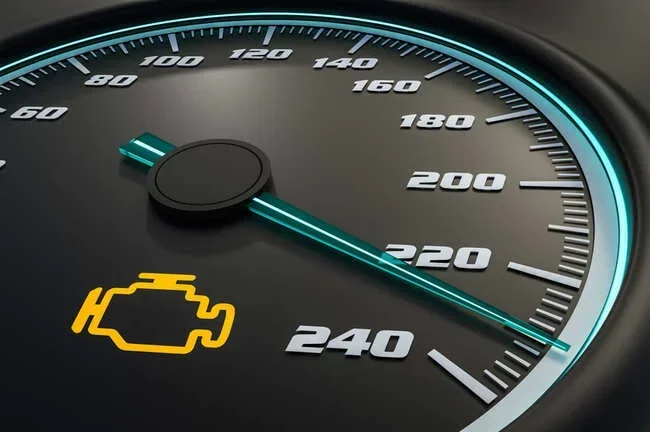
That little yellow or orange light on your dashboard can send anyone into a panic. You see it, and suddenly you are wondering what went wrong and how long it will take to make it go away. The good news is that resetting a service engine light is usually a straightforward process. But the time it takes depends on a few factors that we will break down in this guide.
Whether you want to use a scanner, disconnect the battery, or let the car do its thing through a drive cycle, there is a method that fits your timeline. Most resets take between a few minutes and a few days. The key is knowing which approach works best for your situation. Let us dive into everything you need to know about getting that annoying light off your dash.
The service engine light is part of your car’s onboard diagnostics system. When the computer detects something out of the ordinary, it triggers the light to warn you. Sometimes it is something minor, like a loose gas cap. Other times, it signals a bigger problem that needs immediate attention. Either way, understanding the reset process helps you take control of the situation with confidence.
What Triggers the Service Engine Light?
Before we talk about reset times, it helps to understand what causes the light to come on in the first place. The car’s computer monitors dozens of sensors and systems at all times. When one of those sensors reads outside the normal range, it stores a diagnostic trouble code, or DTC. That code is what activates the check engine light on your dashboard.
Common triggers include a loose or damaged gas cap, a faulty oxygen sensor, a failing catalytic converter, or issues with the ignition system. Even something as simple as a vacuum leak can set the light off. The computer does not care how big or small the issue is. It just knows something is not right and wants you to know about it.
Understanding the trigger matters because it affects how long the reset will take. If the issue was minor and you fix it quickly, the reset is fast. If the problem is more serious, you may need to repair it first before the light will stay off. This is why many people ask about how long does it take for a service engine light to reset in the first place.
Methods to Reset the Service Engine Light
There are several ways to reset the service engine light. Each method has a different timeline and level of difficulty. Some are quick DIY fixes, while others require a trip to the mechanic. Let us look at each one so you can pick the best option for your situation.
Method 1: Using an OBD Scanner (Fastest Method)
The fastest way to reset your check engine light is by using an OBD scanner. This small device plugs into the diagnostic port under your steering column. Once connected, it reads the trouble codes stored in your car’s computer. You can then clear those codes with the push of a button.
So, how long does this take? The actual reset process takes less than 5 minutes. Plugging in the scanner, reading the codes, and clearing them is super quick. However, you should still drive the car for a bit to see if the light comes back. If the underlying issue is fixed, the light should stay off.
OBD scanners are affordable and widely available. You can buy one for under $30 at most auto parts stores. Some even connect to your phone through Bluetooth, making them even easier to use. If you want a fast and simple reset, this is the way to go.
Method 2: Disconnecting the Battery
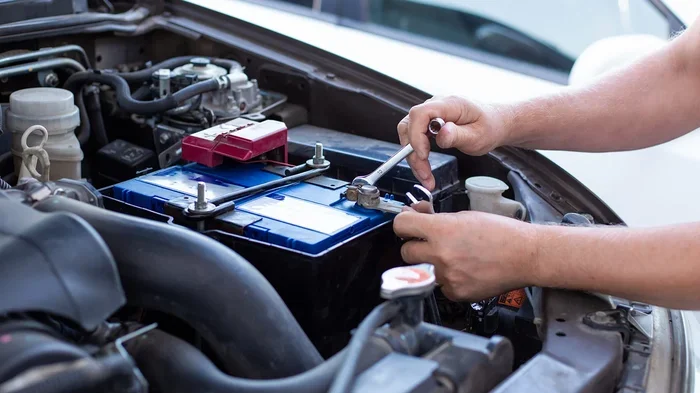
Another popular method is disconnecting the car battery. This drains all the stored codes from the computer and forces it to reset. To do this, you simply pop the hood, locate the battery, and disconnect the negative terminal. Wait for about 15 to 30 minutes, then reconnect it.
The reset itself is quick, but the whole process takes about 30 to 45 minutes. You also need to consider that disconnecting the battery resets more than just the engine light. Your radio presets, clock, and other settings may also reset. Some vehicles may need to relearn idle patterns after a battery disconnect.
Many people wonder about the relationship between the battery and the engine light. For example, can a bad battery cause the wrench light to come on? The answer is yes, in some cases. A weak or dying battery can trigger warning lights on your dashboard, including the service engine light. If you suspect your battery is the culprit, it is worth checking it before attempting a reset.
Method 3: The Drive Cycle Reset (Takes the Longest)
Some vehicles do not clear the light until you complete a full drive cycle. A drive cycle is a specific pattern of driving that allows the car’s computer to run through all its self-tests. This method can take anywhere from a few days to over a week, depending on your driving habits.
A typical drive cycle involves starting the car, letting it idle for a few minutes, driving at various speeds, and then letting it idle again. The exact steps vary by vehicle make and model. Some cars need you to drive between 30 and 100 miles before all the readiness monitors pass. Once all monitors are ready, the computer clears the codes on its own.
This method takes patience. You cannot rush it. But it is also the most thorough reset because it lets the car verify that everything is working properly. If you want to know more about how long you can safely let your car sit without driving, check out this guide on how long a car can idle safely.
Method 4: Using a Reset Tool or Key Sequence
Some cars allow you to reset the light using a specific key sequence or through the dashboard menu. This method works on certain Toyota, Honda, and Ford models. The process usually involves turning the ignition on and off in a specific pattern or navigating through the onboard menu.
How long does this take? Usually about 5 to 10 minutes. The downside is that not all vehicles support this method. You may need to consult your owner’s manual or look up the specific procedure for your car model online.
How Long Does Each Method Actually Take?
Now that we have covered the different methods, let us put the time frames into perspective. The table below gives you a clear comparison of each reset method and how long it takes.
Reset Method Comparison
- OBD Scanner: 5 minutes for the reset. Drive 1 to 3 days to confirm the light stays off.
- Battery Disconnect: 30 to 45 minutes total. Drive 1 to 2 days to verify the reset.
- Drive Cycle: 3 to 7 days of normal driving. The car clears the codes on its own.
- Key Sequence / Menu Reset: 5 to 10 minutes. Drive 1 to 2 days to confirm success.
- Professional Reset at a Shop: 10 to 20 minutes for the reset. Same driving verification period.
As you can see, the actual reset is almost always quick. The waiting period afterward is what takes the most time. This is because the car’s computer needs to run through its monitoring systems to confirm the fix worked. Rushing this process can cause the light to come right back on.
Factors That Affect Reset Time
Several factors influence how long it takes for the light to reset and stay off. The first is the severity of the original problem. A minor issue like a loose gas cap clears fast. A major issue like a failed catalytic converter takes longer to resolve and verify. The second factor is the vehicle model. Newer cars with complex computer systems often require longer drive cycles. The third factor is your driving pattern. Short trips around town may not complete all the readiness monitors, which means the light could return.
Another important factor is whether you actually fixed the problem. If you reset the light without addressing the root cause, it will almost always come back. This is a common mistake that many people make. They want the light off right away, so they clear the code without doing the actual repair. The light returns within a few days, and they are back to square one.
Common Mistakes People Make When Resetting the Light
Resetting the service engine light sounds simple, but people make mistakes all the time. Here are the most common ones to avoid.
Mistake 1: Resetting without fixing the problem. This is the number one mistake. The light came on for a reason. Clearing the code without fixing that reason just masks the problem. The light will return, often with more codes stored.
Mistake 2: Using the wrong reset method. Not every method works on every car. Disconnecting the battery on a modern vehicle can cause more problems than it solves. Always check your owner’s manual or look up the correct procedure for your specific model.
Mistake 3: Ignoring the codes. An OBD scanner gives you trouble codes. Many people clear the codes without even reading them. Those codes tell you exactly what went wrong. Reading them first can save you time and money. If you are unsure about what the codes mean, a quick search or a visit to a mechanic can help.
Mistake 4: Not completing the drive cycle. After resetting, you need to let the car run through its full monitoring cycle. Skipping this step means the computer has not verified the fix. The light may come back on the next time you start the car.
Mistake 5: Assuming the light is always serious. Sometimes the light comes on for a very minor reason. A loose gas cap is one of the most common triggers. Before you panic, check the simple things first. Tighten the gas cap and see if the light goes off after a day or two of driving.
When Should You See a Professional?
While many people handle the reset themselves, there are times when professional help is the right call. If the light is flashing instead of staying solid, you should see a mechanic right away. A flashing light usually indicates a more serious problem, such as engine misfires that can damage the catalytic converter.
You should also consult a professional if you have tried resetting the light multiple times and it keeps coming back. This signals an ongoing issue that needs proper diagnosis. A mechanic can read the codes with professional-grade equipment and pinpoint the exact problem. Additionally, if you are uncomfortable working under the hood or using diagnostic tools, there is no shame in letting the experts handle it.
Some people also wonder whether they can take their vehicle to any dealer for service. If you own a Toyota, for example, you might ask, can I take my Toyota to any dealer for service? The answer is generally yes for basic maintenance, but complex diagnostics may require a specialist.
How to Prevent the Service Engine Light from Coming Back
Once you have successfully reset the light, you probably want to keep it off. Prevention is always better than cure. Here are some simple steps to reduce the chances of the light coming back.
- Check your gas cap regularly: A loose or damaged gas cap is the most common trigger. Make sure it clicks tight after every fill-up.
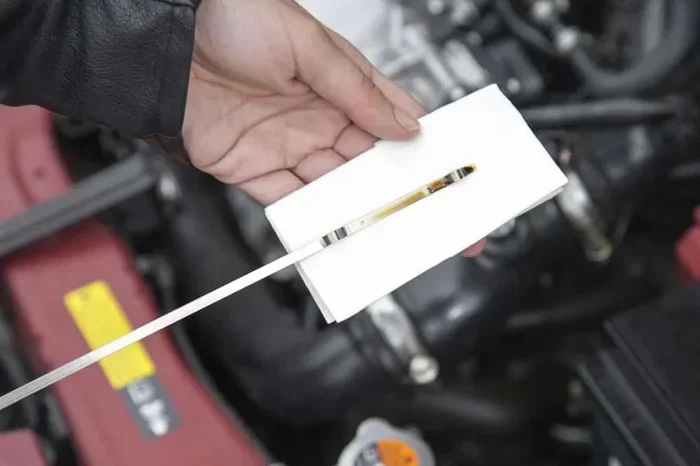
- Keep up with oil changes: Dirty or low oil can cause engine problems over time. Follow your manufacturer’s recommended oil change schedule.
- Use quality fuel: Cheap or contaminated fuel can trigger the light. Stick with reputable gas stations whenever possible.
- Address small issues early: Do not ignore minor warning signs like strange noises or slight drops in performance. Small problems become big ones fast.
- Perform regular maintenance: Following your maintenance schedule keeps all systems running smoothly and reduces the chance of unexpected warning lights.
Taking care of your car on a regular basis is the best way to avoid the service engine light altogether. It also saves you money in the long run by preventing costly repairs down the road.
Expert Insights on Service Engine Light Resets
We spoke with several automotive technicians about the reset process, and they shared some valuable insights. First, they emphasized that the check engine light is a warning system, not a punishment. It is there to protect your car and keep you safe on the road. Second, they stressed that the reset time is less important than fixing the underlying issue. A quick reset that does not address the problem is a waste of time.
One technician also pointed out that some newer vehicles have a maintenance required light that is different from the check engine light. These two lights are often confused. The maintenance required light is usually tied to oil changes and scheduled services. The check engine light is tied to actual engine problems. Understanding the difference can save you a lot of confusion. You can learn more about the difference between a check engine light and maintenance required light in our detailed guide.
Another expert tip is to always keep a record of when the light came on and what you did to address it. This history can be invaluable if the problem returns or if you need to sell the car. It shows you have been proactive about maintenance, which builds trust with future buyers.
Final Thoughts
So, how long does it take for a service engine light to reset? The answer is, it depends. With an OBD scanner, you can clear the codes in under 5 minutes. With a battery disconnect, expect about 30 to 45 minutes. The drive cycle method takes the longest, often several days of normal driving. But no matter which method you choose, the most important step is fixing the root cause first.
Resetting the light without addressing the problem is like putting a bandage on a wound that needs stitches. It might look better for a moment, but the issue will come right back. Take your time, diagnose the problem, fix it properly, and then reset the light. Your car will thank you for it, and you will have peace of mind knowing the job is done right.
The service engine light is your car’s way of communicating with you. Learn to listen to it, and you will save time, money, and stress in the long run. Whether you handle the reset yourself or visit a professional, the key is to act quickly and not ignore the warning. A little attention today can prevent a major repair tomorrow.
Frequently Asked Questions
Can I drive with the service engine light on?
In most cases, yes. If the light is solid and not flashing, you can usually drive a short distance to get the car checked. However, if the light is flashing, you should stop driving immediately and seek professional help. A flashing light often indicates a serious engine misfire that can cause damage to the catalytic converter.
Will the service engine light reset itself?
Yes, in some cases. If the issue that triggered the light was minor and you fix it, the car’s computer may clear the code on its own after a few drive cycles. However, this can take several days of normal driving. Using an OBD scanner is the fastest way to force a reset.
How do I know if the reset was successful?
After resetting the light, drive the car for at least 50 to 100 miles. If the light does not come back on, the reset was successful. If it returns, the underlying issue was not fully resolved, and you need to diagnose and fix the problem again.
Can a loose gas cap trigger the service engine light?
Yes, a loose or damaged gas cap is one of the most common reasons the check engine light comes on. The fuel system relies on proper pressure, and a loose cap can cause a small leak that triggers the light. Try tightening the cap first before doing anything else.
Do I need special tools to reset the service engine light?
For most methods, you do not need special tools. An OBD scanner is the most common tool, and affordable models are available at auto parts stores. Some vehicles allow you to reset the light through the dashboard menu or with a key sequence, which requires no tools at all.
How long does the drive cycle take to complete?
A full drive cycle typically takes 3 to 7 days of normal driving to complete. The exact time depends on your vehicle model and driving conditions. The drive cycle involves a series of specific driving patterns that allow the car’s computer to run all its self-tests and clear any stored codes.
=== CONCLUSION ===
Resetting the service engine light is something every car owner should know how to do. The process is simpler than most people think, and the time it takes varies depending on the method you choose. Whether you use an OBD scanner for a quick fix or let the car complete a full drive cycle, the most important thing is to address the root cause first. A proper fix today means fewer headaches tomorrow. Keep your car maintained, drive safely, and that light will stay off where it belongs.