Why Wont My Brakes Release on My Car Here Are the Fixes
Stuck brakes are a serious safety issue that can ruin your rotor, drain your battery, and make driving dangerous. The most common causes include a seized brake caliper, frozen parking brake, worn brake master cylinder, or a blocked brake hose. This guide walks you through every reason your brakes release might fail and gives you clear, actionable fixes you can do at home or with a mechanic.
Key Takeaways
- Stuck Caliper: A seized caliper piston or slide pin is the number one reason brakes drag and won’t release properly.
- Parking Brake Problems: A frozen cable, rusted lever, or broken return spring can keep your parking brake engaged even when you let go.
- Brake Master Cylinder Failure: A bad master cylinder can send pressure to the calipers and never let it go, causing constant drag.
- Brake Hose Blockage: A collapsed brake hose acts like a one-way valve, trapping fluid and pressure in the caliper.
- ABS Module Issues: A faulty ABS brake module can hold pressure on a wheel cylinder and prevent full release.
- Don’t Ignore It: Driving with stuck brakes causes overheating, warped rotors, uneven pad wear, and can lead to brake failure.
📑 Table of Contents
What Happens When Your Brakes Won’t Release
Your car’s brakes release system is designed to clamp down when you press the pedal and let go the moment you lift your foot. When something goes wrong, the brakes stay engaged even when you aren’t touching the pedal. This is called brake drag, and it’s more than just an annoyance.
Dragging brakes create heat. Lots of it. That heat warps your rotors, eats through your brake pads, and can even cause a fire in extreme cases. On top of that, your engine works harder, which kills your fuel economy. You might also notice your car pulling to one side, a burning smell, or strange grinding noises.
If you’ve ever asked yourself, “why won’t my brakes release?” you’re not alone. This is one of the most common brake complaints mechanics hear. The good news is that most causes are fixable, and many of them are cheap to repair if you catch them early.
Think about it like this. Your braking system uses hydraulic pressure to squeeze pads against rotors. When you let off the pedal, that pressure needs to drop back to zero. Any blockage, stuck part, or mechanical failure in that loop can keep your brakes partially or fully engaged. Let’s break down every possible reason this happens and what you can do about it.
Common Reasons Your Brakes Won’t Release
Several things can cause your brakes release mechanism to fail. Some are simple fixes you can do in your driveway. Others need a professional touch. Here are the most common culprits.
Stuck Brake Caliper
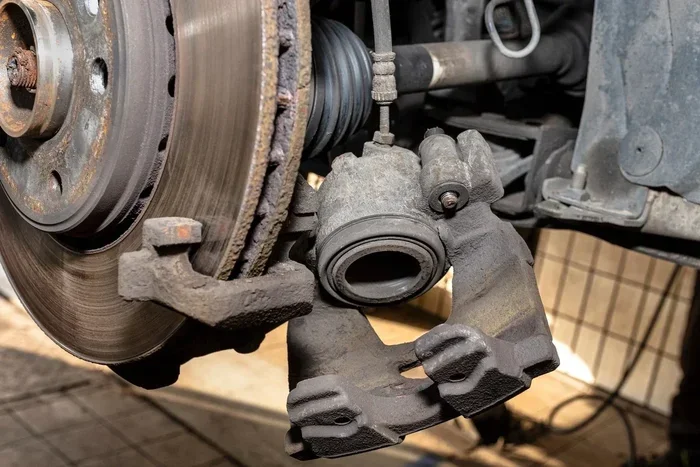
A stuck brake caliper is the most frequent reason brakes won’t let go. The caliper houses the brake pads and slides back and forth on guide pins. Over time, rust, dirt, and old brake dust can gunk up the slide pins. When this happens, one side of the caliper stays clamped against the rotor.
You’ll usually notice this on one wheel. The tire might feel hot after driving, or you might see uneven wear on your brake pads. A stuck brake caliper can also cause your car to pull to one side when you brake.
The fix is often simple. You can remove the caliper, clean the slide pins with brake cleaner, and apply fresh caliper grease. If the piston itself is seized inside the bore, you may need to rebuild or replace the entire caliper. A new caliper typically costs between 100 and 350 dollars depending on your vehicle.
Here’s a quick tip. Before you buy a new caliper, try tapping the caliper body gently with a rubber mallet. Sometimes the piston just needs a little encouragement to move. Just be careful not to damage the dust boot.
Parking Brake Issues
Your parking brake is a mechanical system that uses cables to hold the rear brakes in place when parked. Over time, these cables can rust, stretch, or seize. A parking brake stuck in the engaged position is a very common problem, especially on older vehicles or cars that sit outside in wet or salty conditions.
If your parking brake won’t release, check the cable first. The cable runs from the lever or pedal in your cabin down to the rear brakes. Corrosion can build up along the cable housing and prevent it from sliding freely. You might also have a broken return spring at the rear brake, which keeps the parking brake mechanism from letting go.
Try adjusting the cable tension first. Most vehicles have an adjustment point under the car or near the lever inside the cabin. If adjusting doesn’t work, you may need to replace the cable entirely. A parking brake cable replacement usually costs 50 to 150 dollars for parts and labor.
One thing many people don’t realize. If you leave your parking brake stuck for a long time, the rear brake pads can weld themselves to the rotor from heat buildup. This is a much more expensive repair. Always release your parking brake before driving, and don’t leave it engaged for weeks at a time.
Brake Master Cylinder Problems
The brake master cylinder is the heart of your hydraulic brake system. It converts the force from your foot on the pedal into hydraulic pressure that activates the brakes at each wheel. When the master cylinder fails internally, it can send pressure to the calipers and never allow it to fully release.
A bad brake master cylinder often causes a spongy pedal or a pedal that slowly sinks to the floor. But in some cases, the internal seals fail in a way that keeps pressure trapped in the lines. This causes constant brake drag on all four wheels.
You might also notice your brake fluid level dropping if the master cylinder is leaking internally. The fluid bypasses the seals and enters the bypass channel inside the master cylinder body. This is a serious issue that needs immediate attention.
Replacing a brake master cylinder typically costs 300 to 750 dollars including parts and labor. After replacement, you’ll need to bleed the entire brake system to remove air from the lines. This is not a DIY job for most people unless you have experience with brake bleeding.
Brake Hose Blockage
Your brake hoses are the flexible rubber lines that connect the hard brake lines to the calipers. They allow movement as your suspension compresses and your wheels turn. But over time, the inner lining of a brake hose can deteriorate and balloon outward.
A collapsed brake hose acts like a one-way valve. It lets fluid and pressure flow out to the caliper but blocks it from flowing back. This traps pressure in the system and keeps the brake partially engaged. This is one of the sneakier reasons your brakes release mechanism fails because the outside of the hose can look perfectly fine.
Replacing a brake hose is relatively inexpensive. A new hose costs 15 to 40 dollars, and labor is usually under an hour per side. If you suspect a blocked hose, have your mechanic inspect all four hoses. It’s also a good idea to replace them as part of regular brake service every 50,000 miles.
While you’re checking hoses, look at your brake line corrosion too. Steel brake lines can rust from the inside out, especially in areas that use road salt. Corrosion inside a line can create debris that blocks fluid flow and prevents proper brake release.
ABS Module Failure
The ABS (Anti-lock Braking System) module controls brake pressure at each wheel to prevent locking during hard stops. When the ABS module fails or gets contaminated with old brake fluid, it can malfunction and hold pressure on a wheel even when you’re not braking.
An ABS brake module problem often triggers a warning light on your dashboard. You might also notice unusual braking behavior, such as the brake pedal pulsing when you’re just driving normally. In some cases, the ABS module will apply the brakes intermittently without any input from you.
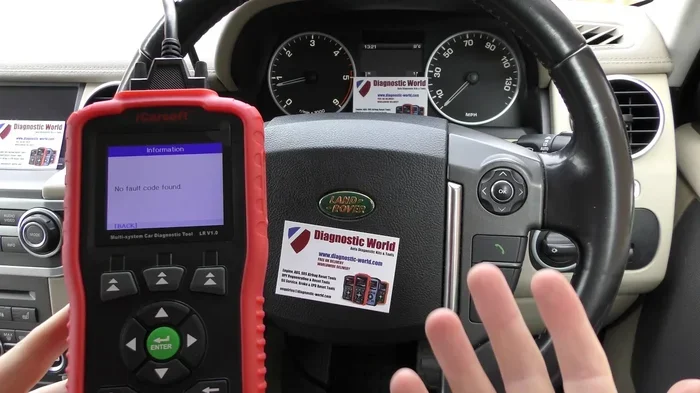
Fixing an ABS module can be expensive. A new module can cost 800 to 1,500 dollars or more. However, sometimes the issue is just contaminated fluid or a faulty sensor. Have a mechanic run a diagnostic scan before replacing the module. In many cases, a full flush of the brake fluid and cleaning of the module connectors resolves the problem without a replacement.
How to Diagnose Stuck Brakes
Before you start any repairs, you need to confirm which wheel or wheels are affected. Here’s how to diagnose the problem step by step.
First, jack up your car and remove the wheels. Visually inspect each brake caliper, rotor, and pad. Look for uneven pad wear, rust on the caliper slides, or any visible damage to the brake hose. A wheel that’s noticeably hotter than the others after a short drive usually has a dragging brake.
Next, try to turn each wheel by hand with the car off. A healthy wheel should spin freely. If one wheel resists or won’t turn, the brakes are stuck on that side. Check if the parking brake cable is fully disengaged by looking under the car at the rear brake linkage.
Also check your brake fluid reservoir. If the fluid is dark or contaminated, old fluid could be causing internal corrosion in the system. Fresh brake fluid is clear or light yellow. Dark brown or black fluid means it’s time for a full brake fluid flush.
If you’ve noticed a burning smell while driving, pull over safely and let the brakes cool down. Continuing to drive on stuck brakes can cause the rotor to crack or the brake pad material to ignite. If you see smoke or feel extreme heat from a wheel, do not drive the car. Have it towed to a repair shop.
Remember, if you’re ever unsure about a brake diagnosis, it’s always safer to consult a professional. Brakes are your car’s most important safety system, and getting it right matters.
Step-by-Step Fixes for Stuck Brakes
Once you’ve identified the cause, here’s how to fix the most common issues. Some of these repairs are DIY-friendly, while others need a qualified mechanic.
Fix 1: Clean and Lubricate the Caliper Slide Pins
This is the easiest and most common fix for a brake caliper stuck on one side. Start by removing the caliper from the rotor. Take off the guide pin boots and pull out the slide pins. Clean them thoroughly with brake cleaner and a wire brush. Inspect the boots for cracks or damage and replace them if needed.
Apply a thin layer of high-temperature caliper grease to the pins and the contact points inside the caliper bracket. Reinstall the pins and boots, then mount the caliper back in place. Pump the brake pedal several times to reset the piston position. Take a short test drive and check if the dragging has stopped.
This fix costs almost nothing if you already have brake cleaner and grease. It takes about 30 minutes per wheel and can save you hundreds of dollars in unnecessary caliper replacements.
Fix 2: Replace the Parking Brake Cable
If your parking brake stuck problem is cable-related, start by trying to adjust the cable tension. If adjustment doesn’t free the cable, replacement is the way to go. Disconnect the cable at the lever inside the cabin and at the rear brake. Remove the old cable and route the new one in the same path.
Make sure to adjust the cable properly after installation. The parking brake should engage fully within the first few clicks and release completely when you let go. A cable that’s too tight can cause drag, and one that’s too loose won’t hold the car on a hill.
Fix 3: Flush and Replace Brake Fluid
Old brake fluid absorbs moisture over time, which leads to internal corrosion in the master cylinder, calipers, and wheel cylinders. A full brake fluid flush replaces all the old fluid with fresh fluid and can resolve many subtle brake release issues.
Start at the wheel farthest from the master cylinder and work your way forward. Have someone pump the pedal and hold it while you open the bleed valve, then close it before they release the pedal. Repeat until the fluid runs clear with no air bubbles. This process takes about an hour and costs 30 to 60 dollars for a bottle of fresh brake fluid.
Fix 4: Replace the Brake Hose or Caliper
If cleaning the slide pins doesn’t solve the problem, the caliper piston may be permanently seized. In this case, replacement is the best option. You can either rebuild the caliper with a repair kit or buy a new or remanufactured caliper.
Rebuild kits cost 15 to 40 dollars and include new seals, dust boots, and sometimes a new piston. They work well if the caliper body is in good condition. If the caliper bore is scored or damaged, a full replacement is safer. Always replace calipers in pairs to ensure even braking on both sides.
While you’re at it, also replace the brake hose if it shows any signs of damage or age. A collapsed hose is a common hidden cause of brake drag that many people overlook.
When to See a Professional
Some brake repairs are straightforward and well within the skill level of a weekend mechanic. But others require specialized tools and expertise. You should see a professional if the ABS module needs replacement, if the master cylinder is failing, or if you’ve tried basic fixes and the brakes are still dragging.
Also see a mechanic if you notice any of these warning signs. Your brake pedal feels soft or goes to the floor. You hear grinding or metal-on-metal sounds. Your car pulls hard to one side when braking. You see fluid leaking under the car near the wheels. Any of these signs point to a serious issue that needs immediate attention.
It’s also worth noting that if you’ve been dealing with stuck brakes for a while, the damage may already be done to your rotors and pads. Have the mechanic inspect the entire brake assembly, not just the release mechanism. Sometimes a stuck caliper that’s been dragging for weeks will warp the rotor beyond repair, requiring a rotor replacement too.
If you’re comparing costs, keep in mind that driving with stuck brakes can lead to much bigger expenses down the road. A simple caliper slide pin cleaning costs almost nothing. A warped rotor replacement can run 200 to 400 dollars per wheel. And if you’ve damaged the wheel bearing from excessive heat, that’s another 200 to 400 dollars per wheel. Early diagnosis saves money.
Also, be careful about driving with car problems like stuck brakes. If the drag is severe, it can cause overheating, tire damage, and even brake fires. If you’re unsure whether it’s safe to drive, have the car towed to the shop instead of risk further damage or an accident on the road.
Preventing Brake Release Problems
The best way to deal with stuck brakes is to prevent them from happening in the first place. Regular maintenance goes a long way toward keeping your brakes release system working smoothly.
Flush your brake fluid every two years or 30,000 miles, whichever comes first. Clean your caliper slide pins during every brake pad replacement. Apply caliper grease to the slide pins and contact points every time you service the brakes. Inspect your parking brake cable for rust and adjust it regularly.
Don’t leave your car sitting for long periods without driving it. A car that sits too long can develop rust on the caliper slide pins and parking brake cables. If you must store your car, try to drive it at least once a week for 15 to 20 minutes to keep everything moving freely.
Also, be mindful of how long you idle your car. While idling isn’t directly a brake issue, leaving your car idling for extended periods with the brakes engaged puts unnecessary stress on the braking system. If you need to warm up your car, keep it brief and avoid riding the brakes at the same time.
Finally, pay attention to warning signs. A slight pull to one side, a slight drag, or a slightly hotter wheel after driving are all early signals. Catching these small symptoms early can prevent a major brake repair later.
Frequently Asked Questions
Can I drive my car if the brakes are stuck?
Driving with stuck brakes is dangerous and can cause further damage to your rotors, pads, and wheel bearings. If the drag is mild, you might be able to drive a short distance carefully, but it’s best to have the car towed to a repair shop. Continuing to drive on stuck brakes can cause overheating and even brake failure.
How much does it cost to fix stuck brakes?
The cost depends on the cause. Cleaning caliper slide pins costs almost nothing if you do it yourself, or about 50 to 100 dollars at a shop. Replacing a brake hose runs 50 to 150 dollars. A caliper replacement costs 100 to 350 dollars per wheel. A master cylinder replacement runs 300 to 750 dollars. Always get a quote before committing to a repair.
What causes a brake caliper to stick?
The most common cause is corrosion or dirt buildup on the caliper slide pins. Old brake dust, road grime, and moisture create a sticky residue that prevents the caliper from sliding freely. A collapsed brake hose can also trap pressure and keep the caliper engaged. In rare cases, the piston seal fails and the piston gets stuck in the extended position.
Can I fix stuck brakes myself?
Yes, many stuck brake issues are fixable at home if you have basic tools. Cleaning and lubricating caliper slide pins, adjusting the parking brake cable, and flushing brake fluid are all DIY-friendly tasks. However, if the problem involves the master cylinder, ABS module, or internal caliper damage, it’s best to see a professional mechanic.
How do I know if my brake hose is collapsed?
A collapsed brake hose is tricky to diagnose because the outside often looks normal. The best way to check is by raising the car and observing the caliper while someone pumps the brake pedal. If the caliper doesn’t release fully or takes longer than the other side to let go, a collapsed hose is likely the culprit. Replacing the hose is a simple and inexpensive fix.
Can old brake fluid cause brakes to stick?
Yes, old brake fluid absorbs moisture over time, which causes internal corrosion in the master cylinder, calipers, and brake lines. This corrosion can create debris that blocks the brake system and prevents proper release. Flushing the brake fluid every two years is one of the easiest and most effective ways to prevent sticking brakes.
=== CONCLUSION ===
Stuck brakes are scary, but they’re also very fixable once you know what’s causing the problem. Whether it’s a brake caliper stuck on the slide pins, a frozen parking brake cable, a failing master cylinder, or a collapsed brake hose, the fix is almost always within reach. The key is to diagnose the issue early and not ignore the warning signs.
Your braking system is the most important safety feature on your car. Taking care of it with regular maintenance, fresh brake fluid, and prompt repairs keeps you and everyone else on the road safe. If you’ve tried the basic fixes and your brakes release problem persists, don’t hesitate to visit a trusted mechanic. A small investment now can save you from a much bigger and more dangerous problem later.
Remember, a well-maintained braking system gives you confidence every time you step on the pedal. Keep your brakes clean, your fluid fresh, and your components lubricated, and your car will reward you with smooth, reliable stopping power for years to come.