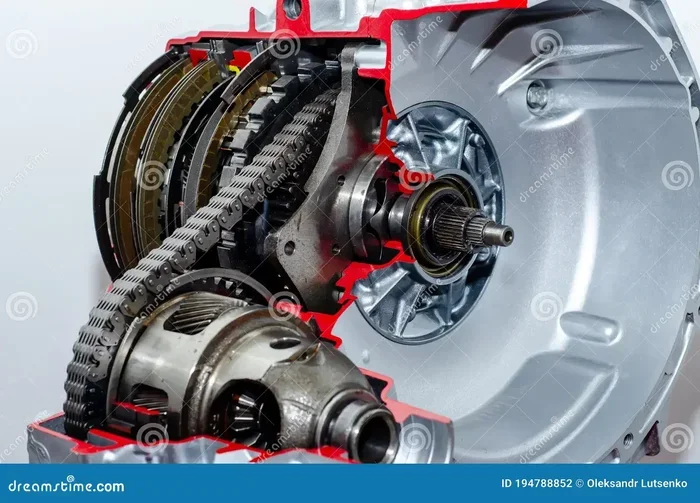
Which Type of Transmission Typically Lasts the Longest
Manual transmissions typically last the longest of all transmission types, often exceeding 200,000 miles with proper care. Traditional automatics and CVTs also have strong lifespans, but they depend heavily on regular maintenance and driving habits. Understanding the strengths and weaknesses of each type helps you make the best decision for long-term reliability.
When you buy a car, the transmission might not be the first thing on your mind. But it should be. Your transmission is one of the most complex and expensive components in your vehicle. It connects your engine to your wheels and determines how smoothly your car accelerates, cruises, and climbs hills.
So, which type of transmission lasts the longest? The short answer is that manual transmissions generally win the longevity race. But the full story is more interesting than that. Different transmission types have different strengths, weaknesses, and care requirements. Some are built for durability. Others prioritize smoothness or fuel efficiency. And some fall somewhere in between.
In this article, we will break down every major transmission type. We will compare their average lifespans, explain what affects how long they last, and share practical tips to help you get the most miles out of your gearbox. Whether you are buying a new car or trying to extend the life of your current one, this guide has you covered.
Key Takeaways
- Manual transmissions: Generally last the longest, often surpassing 200,000 miles with proper care.
- Traditional automatics: Reliable and durable, typically lasting 150,000 to 200,000 miles.
- CVT transmissions: Can be problematic long-term, with many models showing wear after 100,000 miles.
- Dual-clutch transmissions: Offer sporty performance but have mixed long-term reliability records.
- Regular maintenance: Transmission fluid changes and proper driving habits dramatically extend any transmission’s life.
- Driving style matters: Aggressive driving wears out any transmission faster, regardless of type.
- Repair costs vary: Knowing your transmission type helps you plan for potential repairs or replacement.
📑 Table of Contents
- Understanding How Transmissions Work
- Manual Transmissions: The Longevity Champions
- Automatic Transmissions: Reliable and Widely Used
- CVT Transmissions: Fuel Efficient But Controversial
- Dual-Clutch Transmissions: Performance Meets Precision
- What Affects All Transmission Types
- Which Transmission Type Should You Choose?
- Final Thoughts on Transmission Longevity
Understanding How Transmissions Work
Before we compare types, it helps to understand the basics. A transmission manages the power flow from your engine to your wheels. It adjusts the gear ratios so your engine can operate efficiently at different speeds. Without a transmission, your car would struggle to move from a stop or would overheat at highway speeds.
The Role of Transmission Fluid
Transmission fluid plays a huge role in longevity. It lubricates the internal gears, clutches, and bands. It also helps cool the transmission during operation. Over time, this fluid breaks down and loses its effectiveness. That is why regular fluid changes matter so much. If you are wondering whether you can simply top off your fluid instead of doing a full change, we have covered that topic before. You can read about whether you can just add transmission fluid instead of changing it for more details.
Why Transmission Lifespan Varies
No two transmissions age the same way. Several factors influence how long a transmission lasts:
- Driving habits: Hard acceleration and late shifting wear out gears faster.
- Maintenance schedule: Skipping fluid changes shortens lifespan significantly.
- Towing and hauling: Extra weight puts more stress on the gearbox.
- Climate: Extreme heat accelerates fluid breakdown.
- Build quality: Some manufacturers engineer their transmissions for longer life.
- Driving conditions: Stop-and-go city traffic is harder on transmissions than steady highway driving.
Manual Transmissions: The Longevity Champions
Manual transmissions, also called stick shifts, have been around for over a century. They use a clutch pedal and a gear stick to let the driver manually select gears. This simple design is part of why they tend to last so long.
Average Lifespan of a Manual Transmission
A well-maintained manual transmission can easily last 200,000 miles or more. Some drivers have reported pushing their manual gearboxes past 300,000 miles with no major repairs. The clutch is usually the first component to wear out, and a clutch replacement typically costs between $500 and $1,200 depending on the vehicle.
Why Manual Transmissions Last So Long
There are several reasons manuals have a reputation for durability:
- Fewer moving parts: Manuals have a simpler design with fewer components that can fail.
- Driver control: The driver decides when to shift, which allows for smoother power delivery.
- Lower manufacturing cost: Simpler designs mean fewer things that can go wrong.
- Easier and cheaper repairs: When something does break, fixes tend to be less expensive.
- No complex hydraulic systems: Unlike automatics, manuals do not rely on intricate valve bodies or solenoids.
The Downside of Manual Transmissions
Manuals are not perfect. They require more driver engagement, which can cause fatigue in heavy traffic. In some markets, finding a manual car is becoming harder. And if you are not a skilled manual driver, riding the clutch can wear it out prematurely. But if you drive one regularly and treat it well, a manual transmission will reward you with years of reliable service.
Automatic Transmissions: Reliable and Widely Used
Automatic transmissions have become the standard in most new cars. They use a complex system of planetary gear sets, torque converters, and hydraulic valves to shift gears automatically. Modern automatics offer anywhere from 6 to 10 speeds, and some newer models even have 8 or 9 gears.
Average Lifespan of an Automatic Transmission
A traditional automatic transmission typically lasts between 150,000 and 200,000 miles with proper maintenance. Some well-cared-for automatics exceed 250,000 miles. However, automatic transmissions have more complex internal components than manuals, which means there are more potential failure points.
What Keeps an Automatic Transmission Healthy
The biggest factor in automatic transmission longevity is fluid maintenance. Automatic transmission fluid (ATF) degrades over time from heat and friction. Most manufacturers recommend changing the fluid every 60,000 to 100,000 miles, but many drivers skip this service. That is a mistake.
If your automatic transmission warning light comes on, it is important to address it quickly. Driving with a damaged transmission can cause catastrophic failure. If you are dealing with transmission issues, check out our guide on whether you can drive a car with transmission problems for immediate advice.
Common Automatic Transmission Problems
- Slipping gears: The transmission shifts unexpectedly or fails to hold gear.
- Delayed engagement: There is a pause when shifting from park to drive.
- Rough shifts: Hard or jerky gear changes indicate worn components.
- Fluid leaks: Red fluid under your car is a warning sign.
- Overheating: Towing beyond capacity can cause thermal damage.
CVT Transmissions: Fuel Efficient But Controversial
A Continuously Variable Transmission, or CVT, does not use traditional gears at all. Instead, it uses a belt or chain system connected to two pulleys that change diameter continuously. This gives the CVT an infinite number of gear ratios, which improves fuel economy.
Average Lifespan of a CVT Transmission
CVTs have a mixed reputation when it comes to longevity. Many CVT transmissions start showing signs of wear between 80,000 and 120,000 miles. Some models are more reliable than others, but the general consensus among mechanics is that CVTs do not match the lifespan of traditional manuals or automatics.
Why CVTs Have Reliability Concerns
There are a few reasons CVTs tend to have shorter lifespans:
- Belt or chain wear: The main drive belt or chain is under constant tension and can stretch or snap.
- Heat sensitivity: CVTs generate more heat than traditional automatics, which breaks down fluid faster.
- Complex pulley system: The pulleys and solenoids have many small parts that can fail.
- Limited repair options: When a CVT fails, replacement is often the only option, and it can be very expensive.
Which CVTs Are Most Reliable?
Not all CVTs are created equal. Some manufacturers have invested heavily in improving CVT durability. Nissan, Honda, and Toyota have released newer CVT models with better build quality. However, older CVT designs from certain brands have well-documented failure rates. If you are considering a car with a CVT, research the specific model’s reliability history before buying.
Dual-Clutch Transmissions: Performance Meets Precision
A dual-clutch transmission, or DCT, uses two separate clutches for odd and even gears. This allows for lightning-fast gear changes without interrupting power flow. DCTs are popular in sporty cars and performance vehicles because they shift faster than a human can.
Average Lifespan of a Dual-Clutch Transmission
DCTs vary widely in longevity. Well-designed DCT systems from Volkswagen or Porsche can last 150,000 to 200,000 miles. However, some earlier DCT designs had notable reliability issues. The complex hydraulic and electronic systems in a DCT mean more parts that can potentially fail.
Pros and Cons of Dual-Clutch Transmissions
| Pros | Cons |
|---|---|
| Extremely fast gear changes | More complex than manual transmissions |
| Better fuel economy than traditional automatics | Can be expensive to repair |
| Smooth low-speed driving in some models | May jerk or hesitate in stop-and-go traffic |
| Sporty driving feel | Not all models are built for heavy towing |
Maintaining a Dual-Clutch Transmission
The key to DCT longevity is regular fluid service and gentle use at low speeds. Many DCT failures come from neglect or from driving habits that stress the clutch packs. If you own a car with a DCT, stick to the manufacturer’s service schedule and avoid aggressive launches.
What Affects All Transmission Types
Regardless of which type of transmission you have, certain factors affect every gearbox on the road. Understanding these universal factors can help you extend the life of any transmission.
Transmission Fluid Changes
This is the single most important thing you can do. Fresh transmission fluid keeps all internal components lubricated and cool. Dirty or low fluid causes friction, heat, and accelerated wear. Most experts recommend a fluid change every 50,000 to 80,000 miles, but check your owner’s manual for the specific interval.
Driving Habits That Extend Transmission Life
- Warm up your car: Give the transmission a minute to build pressure before driving hard.
- Shift to neutral at stops: This reduces strain on the torque converter in automatics.
- Avoid towing beyond capacity: Overloading your vehicle stresses the entire drivetrain.
- Use proper shift logic: In manuals, do not ride the clutch. In automatics, do not slam between drive and reverse.
- Address warning signs early: Whining noises, slipping, or hesitation mean something is wrong.
When to Seek Professional Help
Some transmission problems start small and grow quickly. If you notice any of the following, see a mechanic soon:
- Unusual grinding or whining sounds
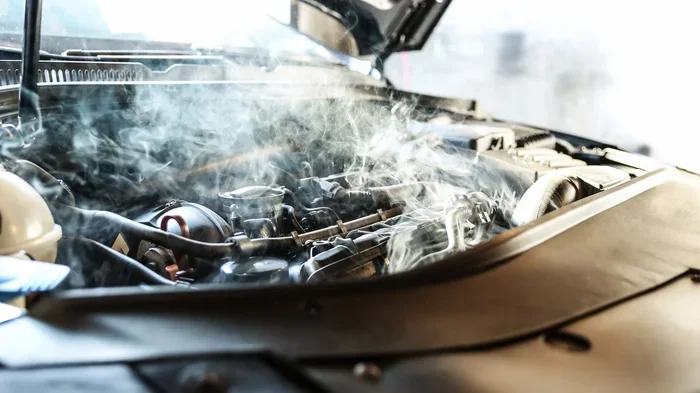
- Burning smell coming from under the hood
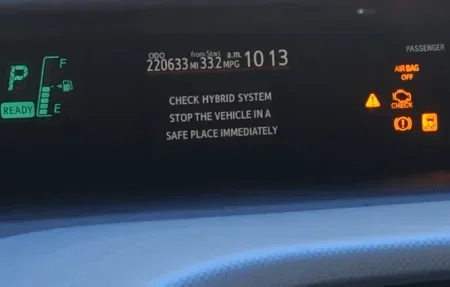
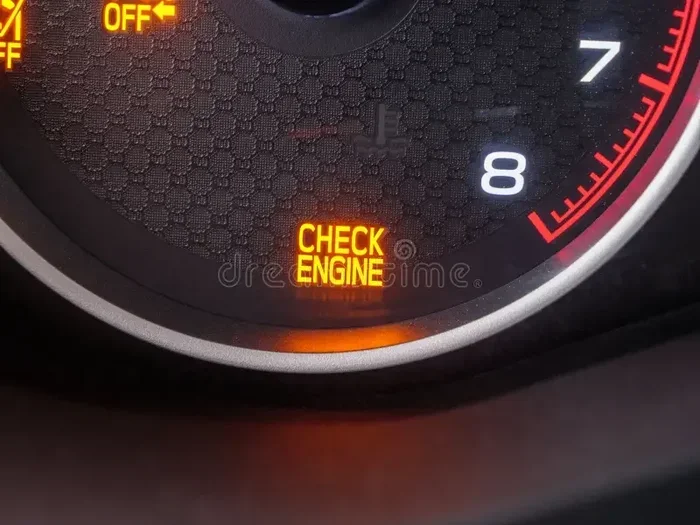
- Check engine light or transmission warning light
- Fluid that is dark brown or black instead of red
- Difficulty shifting between gears
If your transmission is giving you trouble, it may be tempting to keep driving and hope it fixes itself. That is almost never a good idea. Driving with a failing transmission can turn a small repair into a complete replacement. Our article on can you drive with a bad transmission covers what to do if you find yourself in this situation.
Which Transmission Type Should You Choose?
The best transmission for you depends on your priorities. Here is a quick breakdown to help you decide.
Choose a Manual If
- You want maximum longevity and lower repair costs.
- You enjoy driving and want more control over your car.
- You live in an area where manual cars are still readily available.
- You do not mind the learning curve if you are new to stick shifts.
Choose an Automatic If
- You want a proven, reliable design with wide service availability.
- You drive in heavy traffic and want less foot work.
- You prioritize resale value, since most buyers prefer automatics.
- You want a good balance of durability and convenience.
Choose a CVT If
- Fuel economy is your top priority.
- You mostly drive short commutes and light loads.
- You are willing to stay on top of maintenance and fluid changes.
- You buy a model with a strong reliability track record.
Choose a Dual-Clutch If
- You want sporty, fast-shifting performance.
- You drive a performance or sports car.
- You are willing to pay for specialized maintenance.
- You mostly drive on highways or open roads.
Final Thoughts on Transmission Longevity
The manual transmission remains the clear winner when it comes to sheer longevity. Its simple design, fewer failure points, and driver-controlled shifting give it a significant edge. But that does not mean other types cannot last a long time. With proper maintenance and smart driving habits, automatics and even some CVTs can serve you well past 150,000 miles.
The real secret to transmission longevity is not the type of gearbox you choose. It is how you treat it. Regular fluid changes, gentle driving, and prompt attention to warning signs will keep any transmission running longer than expected. Take care of your transmission, and it will take care of you.
Remember, every transmission type has its place. The best one for you is the one that fits your driving style, your budget, and your long-term goals. Do your research, stay on top of maintenance, and you will enjoy many miles of trouble-free driving no matter which type you choose.
Frequently Asked Questions
Which transmission type has the longest lifespan?
Manual transmissions generally last the longest, often exceeding 200,000 miles with proper care. Their simple design with fewer moving parts means there are fewer things that can go wrong compared to automatics or CVTs.
How can I make my transmission last longer?
The most important thing you can do is change your transmission fluid on schedule. Also, avoid aggressive driving, towing beyond your vehicle’s capacity, and ignoring warning signs like slipping or grinding. Gentle use and regular maintenance are the keys to a long-lasting transmission.
Is it expensive to replace a transmission?
Transmission replacement can be costly, typically ranging from $1,800 to $3,500 for a rebuilt unit and up to $5,000 or more for a new one. Manual replacements are generally cheaper than automatics or CVTs. Regular maintenance helps you avoid these expensive repairs.
Can I still drive my car if the transmission is failing?
You might be able to drive short distances with a failing transmission, but it is risky. Continuing to drive on a damaged transmission can cause complete failure and much more expensive repairs. If you notice transmission problems, get your car inspected as soon as possible.
Are CVT transmissions less reliable than traditional automatics?
Many CVTs have shorter lifespans than traditional automatics, especially older designs. However, newer CVT models from reputable manufacturers have improved significantly. If you are considering a CVT, research the specific model and stay diligent about fluid changes.
Does towing shorten transmission life?
Yes, towing beyond your vehicle’s rated capacity puts extra stress on the transmission and generates more heat. This accelerates fluid breakdown and wear on internal components. Always check your owner’s manual for towing limits and use the appropriate transmission fluid for your driving conditions.