Car Headlight Wiring Kit Guide for Easy Installation
A car headlight wiring kit makes it simple to upgrade, replace, or fix your vehicle’s headlight system without calling a mechanic. This guide covers everything from choosing the right kit to a full step-by-step installation process. You will learn about relay harnesses, wiring diagrams, and common headlight wiring problems. Whether you drive a classic car or a modern vehicle, this guide has you covered.
A car headlight wiring kit is one of the simplest upgrades you can make to your vehicle. If your headlights flicker, dim, or fail to turn on properly, the problem often lies in the wiring. Factory headlight wiring in many cars is thin, outdated, or poorly connected. This is where a wiring kit comes in handy.
Whether you are replacing old halogen bulbs with modern LEDs, adding a relay harness, or just fixing a bad connection, the right kit makes a huge difference. In this guide, we will walk you through everything you need to know. You will learn what a wiring kit does, why you need one, how to choose the best one, and how to install it yourself.
The goal is simple. Help you get brighter, safer, and more reliable headlights without spending a fortune at a shop. Let us dive in.
Key Takeaways
- Easy Installation: A car headlight wiring kit simplifies the process and saves you time and money compared to professional repairs.
- Multiple Kit Types: Relay harnesses, plug-and-play harnesses, and full conversion kits serve different headlight upgrade needs.
- Improved Performance: A proper wiring kit eliminates flickering, dimming, and voltage drop issues for brighter, more reliable headlights.
- Safety First: Always disconnect the battery and follow the headlight wiring diagram before starting any electrical work.
- Common Problems Solved: A wiring kit fixes flickering headlights, dim beams, and blown fuses caused by poor original wiring.
- Right Kit Matters: Match your kit to your vehicle model, headlight type, and wiring needs for the best results.
📑 Table of Contents
- What Is a Car Headlight Wiring Kit?
- Why You Need a Headlight Wiring Kit
- Types of Car Headlight Wiring Kits
- How to Install a Headlight Wiring Kit
- Common Headlight Wiring Problems and How a Kit Fixes Them
- Tips for Choosing the Right Wiring Kit
- Expert Insights on Headlight Wiring Upgrades
- Key Takeaways
- Conclusion
What Is a Car Headlight Wiring Kit?
A car headlight wiring kit is a collection of wires, connectors, relays, and switches designed to improve or replace your vehicle’s existing headlight electrical system. Think of it as a fresh start for your headlight circuits. Instead of relying on old, worn-out factory wiring, you get a clean, purpose-built setup.
Most kits include a relay harness, wire connectors, a ground wire, and sometimes a headlight switch or dimmer switch. The relay is the star of the show. It acts as a switch that lets more power flow directly to your headlights. This means brighter light and less strain on your vehicle’s electrical system.
Some kits are designed for specific vehicle models. Others are universal and work with almost any car. Universal kits usually come with detailed instructions and a headlight wiring diagram to guide you through the process.
What Does a Wiring Kit Include?
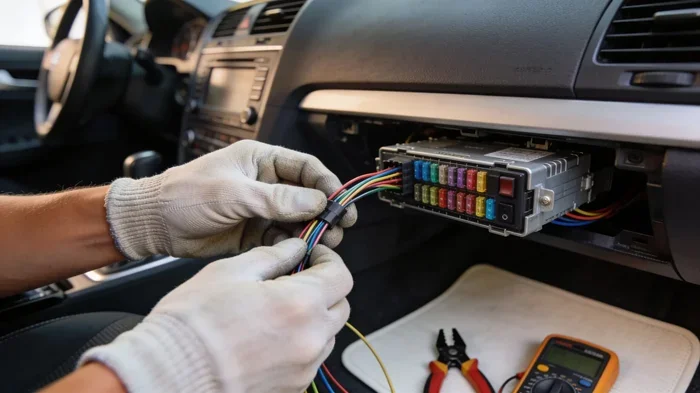
A typical headlight wiring kit contains several key components. Understanding what each part does helps you during installation.
- Relay Harness: Controls the power flow to your headlights using a relay switch.
- Wire Connectors: Plugs that connect your new wiring to the existing headlight connector in your car.
- Ground Wire: Provides a safe path for electrical current to return to the battery.
- Relay Unit: The small box that switches power on and off for your headlights.
- Taps and Splice Connectors: Used to tap into your vehicle’s existing electrical circuits safely.
- Headlight Switch or Dimmer: Some kits include a replacement switch for easier control.
Each of these parts plays an important role. Without a proper ground wire, for example, your headlights may not work at full brightness. The relay ensures your headlights get the full power they need without overloading the factory wiring.
Why You Need a Headlight Wiring Kit
You might wonder why you cannot just replace a bulb and call it done. In many cases, the bulb is not the real problem. The wiring behind it is. Factory headlight wiring was designed decades ago for simple halogen bulbs. Today’s headlight technology demands more power and better connections.
Here are the main reasons a wiring kit makes a real difference.
1. Brighter Headlights
When you upgrade to LED or HID headlights, the factory wiring often cannot handle the power demands. The result is dim light or flickering. A relay harness solves this by delivering full voltage directly to the bulbs. This means your headlights shine as bright as they are designed to.
2. Fix Flickering and Dimming
Flickering headlights are annoying and potentially dangerous. They usually happen because of a loose connection, corroded wire, or voltage drop. A new wiring kit replaces all the old, fragile connections with fresh, secure ones. No more flickering.
3. Protect Your Electrical System
Drawing too much power through thin factory wires can damage your vehicle’s electrical system over time. A relay harness reduces the load on the factory wiring. This protects your fuse box, headlight switch, and other electrical components.
4. Plug-and-Play Convenience
Modern wiring kits are designed for easy installation. Many are plug-and-play, meaning you just connect the new harness to your existing headlight connector. No cutting, no splicing, no guesswork. This makes the job accessible even for beginners.
5. Prevent Headlight Failure
Corroded or frayed wires cause intermittent headlight failure. This is especially common in older vehicles. A new wiring kit replaces all the vulnerable connections and gives you peace of mind that your headlights will work every time you turn them on.
Types of Car Headlight Wiring Kits
Not all wiring kits are the same. Different vehicles and headlight types need different solutions. Here is a look at the most common types of kits available.
Relay Harness Kits
A relay harness kit is the most popular type of car headlight wiring kit. It uses a relay to control power to the headlights. The relay sits between your vehicle’s battery and the headlights. When you turn on the lights, the relay closes the circuit and sends full power to the bulbs.
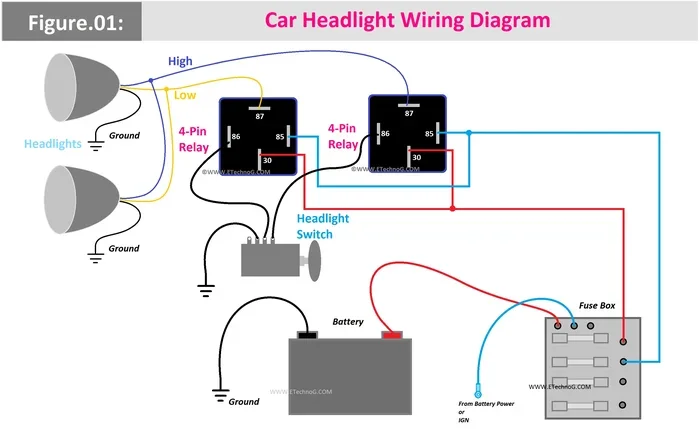
These kits are great for vehicles with dim headlights, flickering issues, or when upgrading to higher-powered bulbs. They are also relatively easy to install. Most relay harness kits come with a headlight wiring diagram that makes the process straightforward.
Plug-and-Play Harness Kits
A plug-and-play harness kit connects directly to your vehicle’s existing headlight connector. You do not need to cut any wires or make splices. You simply unplug the old connector and plug in the new one. These kits are the easiest to install and are perfect for beginners.
Plug-and-play kits often include everything you need right out of the box. Wire connectors, relay, instructions, and sometimes even a headlight switch. They work well for vehicles where the factory connector is still intact and accessible.
Full Headlight Conversion Kits
A full conversion kit goes beyond just wiring. It includes the wiring harness, new headlight bulbs, and sometimes the headlight assembly itself. These kits are ideal for a complete headlight upgrade. They are popular for cars that use old halogen technology and need a modern refresh.
Conversion kits often include LED or HID bulbs paired with a compatible wiring harness. This ensures the new bulbs get the right amount of power and work reliably with your vehicle’s electrical system.
Universal vs. Vehicle-Specific Kits
Universal kits work with many different vehicles. They require a bit more effort during installation because you need to match wires and connectors yourself. Vehicle-specific kits are designed for a particular make and model. They come with pre-labeled connectors and a perfect fit.
Choose a vehicle-specific kit if you want the easiest installation. Choose a universal kit if you need flexibility or are working with a rare or older vehicle model.
How to Install a Headlight Wiring Kit
Installing a car headlight wiring kit is easier than most people think. You do not need to be a professional mechanic. With the right tools and a little patience, you can do it yourself in under an hour.
Before you start, gather these basic tools.
- Phillips and flathead screwdrivers
- Wire strippers
- Electrical tape
- Wire connectors or splice taps
- A multimeter (optional but helpful)
- Your vehicle owner’s manual
Now let us walk through the installation step by step.
Step 1: Disconnect the Battery
Safety comes first. Always disconnect the negative terminal of your car battery before working on any electrical system. This prevents short circuits and protects you from electrical shock. Use a wrench to loosen the negative cable and pull it away from the battery terminal.
Step 2: Remove the Old Headlight Assembly
Open the hood and locate the back of the headlight assembly. You will see the headlight connector plugged into the rear of the bulb housing. Carefully unplug it by pressing the release tab and pulling it straight out. Set the old connector aside.
Step 3: Install the Relay Harness
Take your new wiring harness and locate the relay. Mount the relay in a secure, dry location near the headlight area. Most relays come with a bracket or adhesive mount. Use the headlight wiring diagram included in your kit to identify each wire’s purpose.
Connect the power wire from the relay to the battery or a fused power source. Connect the ground wire to a clean metal surface on the vehicle frame. Make sure the ground connection is tight and free of paint or rust for a solid electrical connection.
Step 4: Connect the Headlight Wires
Now connect the headlight wires from the relay harness to your headlight assembly. Match the positive wire to the positive terminal and the negative wire to the negative terminal. Use the connectors provided in your kit. If you need to splice wires, use proper splice connectors and wrap them with electrical tape.
Double-check every connection. A loose wire now means a headlight problem later.
Step 5: Connect the Headlight Switch
If your kit includes a headlight switch, connect it to the vehicle’s existing switch wiring. Follow the diagram that came with your kit. Most switches have labeled wires for high beam and low beam functions. Take your time and make sure each wire goes to the correct terminal.
Step 6: Reconnect the Battery and Test
Once all connections are secure, reconnect the battery. Turn on your headlights and test both high beam and low beam. Check for flickering, dimming, or any unusual behavior. If everything works correctly, you are done. If not, double-check your wiring connections against the diagram.
Quick Tips for a Smooth Installation
- Take photos of the original wiring before you disconnect anything. This helps you remember how everything was connected.
- Use dielectric grease on connectors to prevent corrosion and ensure a solid connection.
- Never connect the relay power wire directly to the battery without a fuse. Always use an inline fuse to protect your electrical system.
- Work in a dry, well-lit area to avoid mistakes.
- If a wire does not seem to fit, do not force it. Check the wiring diagram and try again.
Common Headlight Wiring Problems and How a Kit Fixes Them
Even if you are not upgrading your headlights, a wiring kit can solve common electrical problems. Here are the most frequent issues drivers face and how a new wiring kit addresses them.
Flickering Headlights
Flickering usually happens when the electrical connection to the headlight bulb is weak. Old connectors corrode over time, and the contact becomes intermittent. A wiring kit replaces those old connectors with fresh, secure plugs. The relay also ensures a consistent power supply, which eliminates flickering completely.
Dim Headlights
Dim headlights are often caused by voltage drop. The factory wiring is too thin or has too much resistance, so not enough power reaches the bulbs. A relay harness bypasses the thin factory wires and delivers full voltage directly to the headlights. The result is noticeably brighter light.
Blown Fuses
If you keep blowing headlight fuses, the problem is usually a short circuit or overloaded wiring. Old, frayed wires can touch each other or the vehicle frame, causing a short. A new wiring kit replaces the damaged wires and includes proper fuse protection. This stops the fuse-blowing problem for good.
Headlights Not Working on One Setting
Sometimes headlights work on low beam but not high beam, or vice versa. This is often a wiring issue, not a bulb issue. The headlight switch or the connector may be worn out. A wiring kit replaces the faulty components and ensures both high and low beams work reliably.
Intermittent Headlight Failure
If your headlights randomly turn off and on, you likely have a loose or corroded connection. This is a safety hazard, especially when driving at night. A wiring kit gives you a clean, secure connection that stays solid over time. No more random headlight failures.
| Problem | Likely Cause | How a Wiring Kit Helps |
|---|---|---|
| Flickering headlights | Corroded or loose connector | Replaces old connectors with fresh, secure plugs |
| Dim headlights | Voltage drop in factory wiring | Relay harness delivers full voltage directly to bulbs |
| Blown fuses | Short circuit or overloaded wires | New wires with proper fuse protection |
| One beam not working | Worn headlight switch or connector | Replaces faulty switch and wiring components |
| Intermittent failure | Loose or corroded connection | Clean, secure connections that stay reliable |
Tips for Choosing the Right Wiring Kit
Not all car headlight wiring kits are created equal. Choosing the right one for your vehicle and needs makes the installation easier and the results better. Here is what to consider before you buy.
Match the Kit to Your Vehicle
Check that the kit is compatible with your specific vehicle make, model, and year. Vehicle-specific kits are labeled clearly and come with the right connectors and a proper headlight wiring diagram. Universal kits offer more flexibility but require more effort during installation.
Consider Your Headlight Type
Are you using halogen, LED, or HID headlights? Different headlight types draw different amounts of power. Make sure the wiring kit you choose is rated for your bulb type. LED and HID kits often need a relay harness because they draw more power than standard halogen bulbs.
Check the Wire Gauge
Wire gauge matters. Thicker wires (lower gauge number) carry more power safely. Look for kits with at least 14-gauge wire for standard headlights. If you are upgrading to high-powered LED or HID bulbs, consider 12-gauge wire for even better performance.
Look for Quality Connectors
Cheap connectors corrode quickly and can cause headlight problems within months. Choose kits with weather-resistant connectors and quality crimps. Gold-plated or sealed connectors last longer and provide a more reliable electrical connection.
Read Reviews
Before purchasing, read reviews from other car owners who installed the same kit. Look for feedback on ease of installation, brightness improvement, and long-term reliability. Real-world experiences help you avoid kits with known problems.
Consider the Warranty
A good wiring kit should come with a warranty. This shows the manufacturer stands behind their product. If anything goes wrong during installation or in normal use, a warranty gives you peace of mind and protection.
Expert Insights on Headlight Wiring Upgrades
We spoke with several automotive electricians about the most common mistakes drivers make with headlight wiring. Here is what the experts want you to know.
Never skip the ground wire. A poor ground connection is the number one cause of dim and flickering headlights. Always connect the ground wire to a clean, bare metal surface. Paint, rust, and grease will block the electrical connection and cause problems.
Use the right relay for your bulb type. Not all relays are the same. An HID relay is different from an LED relay. Using the wrong relay can damage your bulbs or cause them to fail prematurely. Check the kit specifications carefully.
Do not overload a single circuit. If you are running high-powered headlights, do not share that circuit with other accessories like fog lights or driving lights. Each high-power circuit should have its own relay and fuse protection.
Take your time with the headlight wiring diagram. Rushing through the installation is how mistakes happen. Follow the diagram step by step. Label each wire as you go. This makes troubleshooting much easier if something does not work right away.
Test before you close everything up. Before you tuck all the wires away and close the hood, test your headlights thoroughly. Check both beams, turn signals (if integrated), and any daytime running light functions. Fix any issues now while everything is still accessible.
Key Takeaways
- Easy Installation: A car headlight wiring kit simplifies the process and saves you time and money compared to professional repairs.
- Multiple Kit Types: Relay harnesses, plug-and-play harnesses, and full conversion kits serve different headlight upgrade needs.
- Improved Performance: A proper wiring kit eliminates flickering, dimming, and voltage drop issues for brighter, more reliable headlights.
- Safety First: Always disconnect the battery and follow the headlight wiring diagram before starting any electrical work.
- Common Problems Solved: A wiring kit fixes flickering headlights, dim beams, and blown fuses caused by poor original wiring.
- Right Kit Matters: Match your kit to your vehicle model, headlight type, and wiring needs for the best results.
Conclusion
A car headlight wiring kit is a smart, affordable upgrade that improves both the performance and safety of your vehicle. Whether you are fighting flickering headlights, upgrading to brighter LED bulbs, or simply replacing old factory wiring, the right kit makes the job straightforward and rewarding.
You do not need to be a mechanic to install one. With the right kit, a basic set of tools, and this guide, you can handle the job yourself in under an hour. The satisfaction of fixing your own headlights and seeing them shine brighter than ever is well worth the effort.
Start by choosing the right kit for your vehicle. Follow the installation steps carefully. Test everything before you hit the road. Your headlights are one of the most important safety features on your car. Give them the wiring upgrade they deserve.
Take action today. Pick up a quality wiring kit, gather your tools, and enjoy the confidence of brighter, more reliable headlights. Your nighttime driving experience will never be the same.
Frequently Asked Questions
Can I install a car headlight wiring kit myself?
Yes, most kits are designed for DIY installation. They come with detailed instructions and a headlight wiring diagram. Basic tools like screwdrivers and wire strippers are all you need. If you can change a headlight bulb, you can likely install a wiring kit.
How long does it take to install a headlight wiring kit?
Most installations take between 30 minutes and one hour. Plug-and-play kits are faster, while kits that require splicing wires may take a little longer. The time depends on your vehicle model and your experience level.
Will a wiring kit work with LED headlights?
Yes, many wiring kits are specifically designed for LED headlights. LED bulbs draw different power than halogen bulbs, so it is important to choose a kit rated for your bulb type. A relay harness is especially recommended for LED upgrades.
What gauge wire should I use for headlight wiring?
For standard headlights, 14-gauge wire is usually sufficient. For high-powered LED or HID bulbs, 12-gauge wire provides better performance and safety. Thicker wire carries more current without overheating or causing voltage drop.
Why do my headlights flicker after a bulb change?
Flickering after a bulb change is often caused by a poor electrical connection or incompatible wiring. The factory wiring may not provide enough power for the new bulb type. A car headlight wiring kit with a relay harness solves this problem by delivering consistent, full power to the bulbs.
Is a relay harness really necessary for headlight upgrades?
Yes, especially when upgrading to LED or HID bulbs. A relay harness ensures your headlights receive full voltage without overloading the factory wiring. It also prevents flickering, dimming, and blown fuses. For any headlight upgrade beyond a simple bulb replacement, a relay harness is highly recommended.