How Much Does It Cost to Wrap a Car with Vinyl Wrap
The cost to wrap a car with vinyl wrap typically ranges from $2,000 to $5,000 for a full wrap, while partial wraps can cost between $500 and $2,000. The final price depends on the vinyl quality, vehicle size, design complexity, and whether you choose a professional installer or a DIY approach. This guide covers every cost factor so you can budget with confidence.
Thinking about giving your car a fresh new look? A vinyl wrap is one of the best ways to transform your vehicle without committing to a permanent paint job. Whether you want a bold new color, a sleek matte finish, or a custom design that turns heads, a car wrap delivers serious style.
But here is the big question most people ask first: how much does it cost to wrap a car with vinyl wrap? The answer is not as simple as picking a single number. The cost varies a lot depending on the size of your vehicle, the type of vinyl you choose, the complexity of the design, and whether you go with a professional installer or try it yourself.
In this guide, we will break down every cost factor so you know exactly what to expect. We will look at full wrap prices, partial wrap options, vinyl material types, and hidden costs you might not think about. By the end, you will have a clear picture of your car wrap budget and feel confident making a decision.
Key Takeaways
- Full car wrap cost: Expect to pay $2,000 to $5,000 for a complete vinyl wrap on most standard-sized vehicles.
- Partial wrap cost: Partial wraps, such as hood or roof wraps, typically run $500 to $2,000 depending on coverage.
- Vinyl quality matters: Premium vinyl films last longer and look better but cost more upfront than economy options.
- Professional vs DIY: Hiring a pro ensures a flawless finish, but a DIY wrap can save hundreds if you have the right tools and patience.
- Maintenance keeps it looking great: Regular cleaning and proper care can extend a vinyl wrap lifespan to 5 to 7 years.
📑 Table of Contents
- What Is a Vinyl Car Wrap?
- How Much Does It Cost to Wrap a Car with Vinyl Wrap?
- Factors That Affect Car Wrap Pricing
- Vinyl Wrap Types and Their Costs
- DIY Car Wrap vs Professional Installation
- Maintaining Your Car Wrap
- Hidden Costs to Watch Out For
- Is a Car Wrap Worth the Cost?
- Key Takeaways
- Conclusion
What Is a Vinyl Car Wrap?
A vinyl car wrap is a thin layer of specialized film that adheres directly to your car’s exterior surface. Think of it like a giant sticker that covers your entire vehicle or just specific panels. The vinyl is printed with your chosen design, color, or finish and then carefully applied to the car by hand or with mechanical tools.
Unlike a traditional paint job, a vinyl wrap does not permanently alter your vehicle’s original factory paint. This is a huge advantage because you can remove the wrap anytime and go back to the stock look. It also means your car resale value stays protected since the original paint underneath remains untouched.
Vinyl wraps come in many different finishes. You can choose from gloss, matte, satin, metallic, chrome, and even textured options like carbon fiber or brushed metal. The variety is one reason why wrapping has become so popular among car enthusiasts and businesses alike.
How Much Does It Cost to Wrap a Car with Vinyl Wrap?
The vinyl wrap cost for a full car wrap on a standard sedan or coupe typically falls between $2,500 and $4,000. Larger vehicles like SUVs and trucks can push the price up to $5,000 or more. A partial wrap, which covers only certain panels like the hood, roof, or doors, usually costs between $500 and $2,000.
Here is a general price breakdown to give you a sense of what to expect:
- Full sedan wrap: $2,000 to $3,500
- Full SUV or truck wrap: $3,500 to $6,000
- Partial hood wrap: $300 to $800
- Partial roof wrap: $400 to $1,000
- Partial door wrap: $500 to $1,200
- Custom design wrap: $4,000 to $10,000+
These numbers are averages and can shift based on your location, the shop you choose, and the specific materials used. Always ask for a detailed quote before committing so there are no surprises.
Full Wrap vs Partial Wrap: Which Makes Sense?
A full car wrap covers every visible panel of the vehicle, including the hood, roof, doors, fenders, and bumpers. This gives you a complete color change and maximum visual impact. Full wraps are ideal for people who want a dramatic transformation or businesses that need full vehicle branding.
A partial wrap targets specific areas. It is a great option if you want to save money but still make a statement. For example, a hood wrap with a racing stripe or a roof wrap in a contrasting color can give your car a unique look without the full price tag. Partial wraps also work well for people who want to protect certain high-impact areas from road damage.
When deciding between a full and partial wrap, consider your goals. If you want maximum coverage and a completely new look, go with a full wrap. If you are on a tighter budget or just want to accent certain features, a partial wrap is a smart choice.
Factors That Affect Car Wrap Pricing
Several key factors influence the final cost to wrap a car. Understanding these will help you make informed decisions and avoid overspending.
Vehicle Size and Complexity
Bigger vehicles need more vinyl material, which directly increases the price. A compact car uses less film than a full-size truck, so the wrap is naturally cheaper. Complex body lines, curves, and contours also add to the labor time. Vehicles with lots of panels, angles, and recessed areas take more skill and patience to wrap properly.
Vinyl Material Quality
Not all vinyl is created equal. Economy-grade vinyl films are the most affordable but may last only 3 to 5 years. Mid-range vinyl offers a good balance of durability and appearance, typically lasting 5 to 7 years. Premium vinyl, often from brands like 3M or Avery Dennison, can last 7 to 10 years and resists fading, peeling, and weather damage much better.
Design and Customization
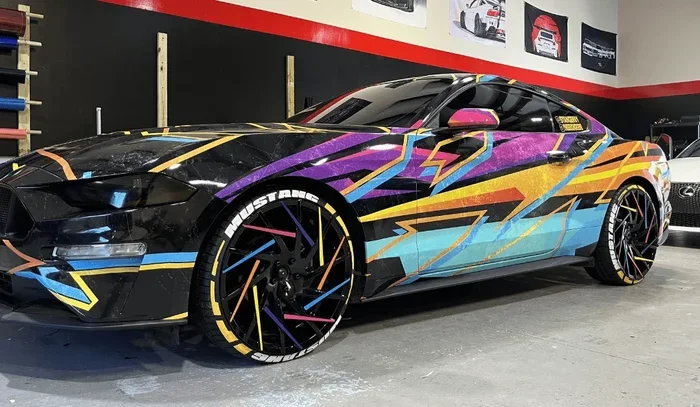
A simple solid color wrap costs less than a custom design with multiple colors, patterns, or graphics. If you want a full vehicle graphic wrap with complex artwork, the design and printing process adds significant cost. Custom wraps for commercial fleets or promotional vehicles often include additional design fees and multiple color matching steps.
Geographic Location
Where you live matters. Car wrap prices tend to be higher in major cities where the cost of living and business overhead is greater. If you live in a rural area, you might find more competitive pricing, but you should also check the installer’s reputation and experience before making a choice.
Labor and Expertise
Skilled installers charge more, but their work quality is usually worth it. A professionally installed wrap looks smooth, lasts longer, and avoids common issues like bubbling or peeling. Cheap labor might save you money upfront but could lead to costly repairs or a premature wrap failure down the road.
Vinyl Wrap Types and Their Costs
The type of vinyl you choose plays a big role in the overall wrap cost per square foot. Here is a closer look at the most popular options.
Cast Vinyl
Cast vinyl is considered the premium option. It is made through a casting process that produces a thin, flexible film that conforms easily to complex curves and contours. Cast vinyl resists shrinking, fading, and cracking. It is the go-to choice for luxury cars and long-term applications. Expect to pay more for cast vinyl wraps compared to other types.
Calendered Vinyl
Calendered vinyl is thicker and more rigid than cast vinyl. It is produced through a different manufacturing process that makes it more affordable but less conforming. Calendered vinyl works well on flat or gently curved surfaces but may struggle around tight curves and complex body lines. It is a solid budget-friendly option for partial wraps.
Specialty Finishes
Specialty finishes like chrome, matte, satin, and textured vinyl add a unique visual element but come at a premium. Chrome wraps, in particular, are among the most expensive options because of the material and printing process involved. If you want a standout look without breaking the bank, a matte or satin finish is a popular and more affordable alternative.
Printed and Graphic Wraps
Printed wraps allow you to upload custom images, patterns, or designs. This option is popular for businesses that want their logo and contact information on company vehicles. The printing process adds to the cost, but the result is a highly personalized and professional-looking finish.
For more ways to refresh your car’s appearance without a full wrap, check out our guide on how to save money on auto tint for budget-friendly exterior upgrades.
DIY Car Wrap vs Professional Installation
One of the biggest decisions you will make is whether to hire a professional or attempt a DIY car wrap. Both options have pros and cons, and your choice depends on your budget, skill level, and the result you want.
Going Professional
A professional installer has the experience, tools, and workspace to deliver a flawless finish. They know how to handle tricky areas like door handles, mirrors, and window edges without leaving bubbles or creases. Professional installation also usually comes with a warranty, which gives you peace of mind if anything goes wrong.
The downside is the cost. Professional wraps are more expensive upfront, but you get a higher-quality result that lasts longer. For most people, the investment is worth it, especially for a full vehicle wrap.
DIY Wrap Kits
DIY wrap kits are widely available and significantly cheaper than professional installation. A DIY kit typically includes the vinyl film, a squeegee, a heat gun, and application fluid. If you have patience and a steady hand, you can save a substantial amount of money by doing it yourself.
However, DIY wrapping is not easy. It takes practice, and mistakes can be costly. Stretching the vinyl too much, trapping air bubbles, or misaligning the edges can ruin the look and waste material. If you are new to wrapping, consider practicing on a small, inexpensive surface first.
Which Option Is Right for You?
If you want a perfect finish and have the budget, go with a professional. If you are on a tight budget, enjoy hands-on projects, and are willing to learn, a DIY wrap can work well for a partial application. Just be realistic about your skill level and the complexity of the job.
Maintaining Your Car Wrap
Proper maintenance keeps your vinyl wrap looking great and extends its lifespan. A well-maintained wrap can last 5 to 7 years, while a neglected wrap might start showing wear in just 2 to 3 years.
Cleaning Tips
Wash your wrapped car regularly with a gentle car soap and a soft microfiber cloth. Avoid high-pressure washers directly on the edges of the wrap, as the force can push water under the film. Always hand-dry the vehicle after washing to prevent water spots.
For stubborn dirt or residue, use a mild adhesive remover designed for vinyl surfaces. If you need to deal with sticky substances on the glass, our guide on how to remove difficult things from your auto glass offers helpful tips that work on wrapped surfaces too.
Avoiding Damage
Protect your wrap from prolonged sun exposure by parking in shaded areas or using a car cover. UV rays can cause fading over time, especially on darker colors. Avoid automatic car washes with harsh brushes, as they can scratch or peel the vinyl. Instead, opt for touchless washes or hand washing.
Be careful with ice and snow removal in winter. Using a plastic ice scraper rather than a metal one prevents scratches. For tips on safely clearing ice from your car, check out our article on how to remove ice from car glass for safe and effective methods.
When to Replace or Remove a Wrap
Even with the best care, vinyl wraps do not last forever. Signs that it is time to replace your wrap include visible fading, peeling edges, cracking, or a loss of adhesion. A professional can assess the condition of your wrap and recommend whether to repair or replace it.
If you decide to remove the wrap, have it done by a professional to avoid damaging the underlying paint. Removal costs typically range from $200 to $500, depending on the wrap size and condition.
Hidden Costs to Watch Out For
When budgeting for a car wrap, it is important to account for costs beyond the vinyl and labor. Here are some hidden expenses that can catch you off guard.
- Design fees: Custom designs may require a graphic designer, which adds $100 to $500 or more depending on complexity.
- Surface prep: If your car’s paint needs cleaning, polishing, or minor repairs before wrapping, this adds to the total cost.
- Wrap removal: Removing an old wrap before applying a new one costs extra, especially if the old wrap has damaged the paint.
- Repair and touch-up: Chips or scratches in the underlying paint may need attention before wrapping to ensure a smooth finish.
- Warranties and maintenance plans: Some shops offer extended warranties or maintenance packages that add value but also increase the upfront cost.
Always ask for a complete, itemized quote before starting the project. This transparency helps you understand exactly what you are paying for and prevents unexpected charges.
Is a Car Wrap Worth the Cost?
The short answer is yes, for most people. A vinyl wrap offers a high return on investment compared to a full paint job. Paint jobs can cost $5,000 to $10,000 or more, while a quality wrap delivers a similar visual transformation at a lower price point. Plus, the wrap is reversible, which protects your original paint and preserves your vehicle’s value.
For businesses, vehicle wraps are one of the most cost-effective forms of advertising. A wrapped vehicle can generate thousands of impressions per day as you drive through your community. The cost per impression is incredibly low compared to other advertising methods like billboards or radio spots.
For personal use, a car wrap lets you express your personality and style without a permanent commitment. Whether you want to go matte black, add a racing stripe, or wrap your car in a bold custom design, the possibilities are virtually endless.
Key Takeaways
- Full car wrap cost: Expect to pay $2,000 to $5,000 for a complete vinyl wrap on most standard-sized vehicles.
- Partial wrap cost: Partial wraps, such as hood or roof wraps, typically run $500 to $2,000 depending on coverage.
- Vinyl quality matters: Premium vinyl films last longer and look better but cost more upfront than economy options.
- Professional vs DIY: Hiring a pro ensures a flawless finish, but a DIY wrap can save hundreds if you have the right tools and patience.
- Maintenance keeps it looking great: Regular cleaning and proper care can extend a vinyl wrap lifespan to 5 to 7 years.
- Hidden costs add up: Design fees, surface prep, and removal costs can increase your total budget by several hundred dollars.
Conclusion
So, how much does it cost to wrap a car with vinyl wrap? The answer depends on your vehicle, your chosen materials, and the level of customization you want. A full wrap for a standard car typically costs between $2,000 and $5,000, while partial wraps can be a more affordable starting point at $500 to $2,000. The vinyl wrap cost is influenced by vehicle size, vinyl quality, design complexity, and whether you go the professional or DIY route.
Investing in a quality wrap is one of the smartest ways to refresh your car’s appearance, protect the original paint, and even promote your business. By understanding the factors that drive pricing and planning for hidden costs, you can budget effectively and get the best possible result. Take your time, do your research, and choose a reputable installer who stands behind their work. Your car deserves a wrap that looks amazing and lasts for years to come.
Frequently Asked Questions
How long does a vinyl car wrap last?
A quality vinyl wrap typically lasts between 5 and 7 years with proper care. Premium cast vinyl can extend that lifespan to 10 years. The durability depends on the vinyl type, how well you maintain it, and how much sun exposure your vehicle gets on a regular basis.
Can I wash my car after getting it wrapped?
Yes, but wait at least 48 hours after installation before washing. When you do wash it, use a gentle hand-washing method with a soft cloth and mild soap. Avoid high-pressure washers near the edges of the wrap and stay away from automatic car washes with stiff brushes that can damage the vinyl.
Is it cheaper to wrap a car or paint it?
In most cases, wrapping is cheaper than painting. A basic paint job can cost anywhere from $3,000 to $10,000, while a comparable full wrap costs $2,000 to $5,000. Wraps also offer the advantage of being reversible, which means your original factory paint stays protected underneath.
Can I wrap my car myself to save money?
Yes, you can attempt a DIY wrap, but it is not easy. Partial wraps are more manageable for beginners, while full wraps require significant skill and patience. Mistakes like bubbles, creases, and misalignment can lead to an uneven finish or wasted materials. Consider practicing on a small surface before tackling your entire vehicle.
Does a car wrap damage the original paint?
No, a properly installed and removed vinyl wrap should not damage your original paint. The vinyl is designed to be non-destructive, and professional installers use techniques that protect the underlying surface. However, if your car already has paint issues, those should be addressed before wrapping to ensure the best results.
How much does it cost to remove a car wrap?
Wrap removal typically costs between $200 and $500, depending on the size of the vehicle and the condition of the wrap. If the wrap has been on for many years or has adhesive residue, the removal process may take longer and cost more. Some shops include removal in the installation price, so always ask when getting a quote.