Does Car Insurance Cover Scratches and Dents Here
Car insurance may cover scratches and dents, but it depends on your policy type, the cause of the damage, and your deductible. Collision and comprehensive coverage typically handle these issues, while basic liability does not. Understanding your auto insurance policy helps you decide whether filing a claim is worth the cost.
Does car insurance cover scratches and dents? This is one of the most common questions drivers ask after a parking lot mishap or a stray shopping cart incident. The answer is not a simple yes or no. It depends on several factors, including your type of coverage, the cause of the damage, and your deductible amount. Let us walk through everything you need to know about car insurance and body damage.
Most people assume their policy will pay for any damage to their vehicle. But that is not always true. Liability insurance, which is the most basic type of coverage, only pays for damage you cause to other people or their property. It does not cover your own car. So if you scratch your bumper on a pole, liability will not help. You need the right type of coverage to get protection for your own vehicle.
Understanding what your policy covers can save you money and stress. It also helps you make smarter decisions about when to file a claim and when to pay for repairs yourself. Let us break this down in detail.
Key Takeaways
- Liability coverage alone does not pay for scratches or dents on your own vehicle.
- Collision coverage handles damage from accidents, while comprehensive covers non-collision events.
- Filing a claim may raise your insurance rates, so weigh the repair cost against the deductible.
- Minor scratches often cost less to fix out-of-pocket than paying a deductible and risking a rate hike.
- Paintless dent repair is a cost-effective option for many types of dents and dings.
- Your state’s requirements matter when it comes to what coverage you must carry.
- Always review your policy details before assuming a claim will be paid.
📑 Table of Contents
What Car Insurance Typically Covers
Most auto insurance policies include several types of coverage. Each one serves a different purpose. Here is a quick look at what each type covers when it comes to scratches and dents.
Liability Coverage
Liability coverage is the most basic and often legally required form of auto insurance. It pays for damage you cause to other people’s cars or property. It also covers injuries you cause to others in an accident. However, liability coverage does not pay for any damage to your own vehicle. So if you are at fault in a fender bender, the other driver’s car is covered, but yours is not.
Every state has different rules about how much liability coverage you must carry. To learn more about your state’s requirements, check out whether you meet the car insurance requirements by state in your area.
Collision Coverage
Collision coverage pays for damage to your car resulting from a collision with another vehicle or object. This includes scratches and dents from accidents, hitting a guardrail, or crashing into a parked car. Collision coverage is optional in most states, but if you have a car loan or lease, your lender will likely require it.
When you file a collision claim, you must pay your deductible first. The deductible is the amount you pay out of pocket before your insurance kicks in. Deductibles typically range from $250 to $1,000. After you pay the deductible, your insurer covers the rest up to your policy limit.
Comprehensive Coverage
Comprehensive coverage handles damage that is not caused by a collision. This includes scratches from vandalism, dents from falling tree branches, hail damage, and even damage from animals. Comprehensive coverage is also optional but often required by lenders.
Comprehensive coverage has its own deductible, which is usually lower than collision deductibles. Some policies have deductibles as low as $100. This makes comprehensive coverage a good option for covering unexpected non-accident damage like scratches and dents.
When Insurance Pays for Scratches and Dents
Not all scratches and dents are treated the same way by insurance companies. Whether your claim gets approved depends on the cause and severity of the damage.
Scratches from Accidents
If you get into an accident and your car gets scratched or dented, collision coverage will typically pay for the repairs. This applies whether you hit another car, a fence, a wall, or any other object. The key factor is that the damage resulted from a covered event, which is a collision.
For example, if you back into a concrete pillar and scratch your rear bumper, collision coverage would apply. The insurance company would pay for repairs minus your deductible. This is a straightforward claim that most people file without hesitation.
Dents from Weather or Falling Objects
Comprehensive coverage steps in when damage comes from non-collision events. A hail storm can leave dozens of dents on your car’s hood and roof. A heavy branch falling on your vehicle during a wind storm can cause significant dents. In both cases, comprehensive coverage would pay for the repairs.
Vandalism is another scenario where comprehensive coverage applies. If someone keyed your car or kicked in a door, the resulting scratches and dents fall under comprehensive coverage. This is a big reason why having comprehensive coverage is worth the extra cost.
Scratches from Theft or Break-Ins
If a thief breaks into your car and causes scratches or dents while trying to steal your belongings, comprehensive coverage handles the damage. This also applies if the thief damages your door locks or window glass during the break-in attempt.
Keep in mind that you will need to file a police report to support your claim. Insurance companies want proof that the damage was caused by a covered event, and a police report is strong evidence.
When Insurance Won’t Cover the Damage
There are many situations where your insurance policy will not pay for scratches and dents. Understanding these scenarios helps you avoid surprises when you file a claim.
Damage Caused by Wear and Tear
Insurance does not cover normal wear and tear. If your car has minor scratches from everyday use, those are considered maintenance issues, not covered events. Insurance is designed to protect against sudden, unexpected damage, not gradual deterioration.
This includes things like small parking lot scrapes, minor door dings from shopping carts, or light scratches from road debris. These are considered part of owning a vehicle and are not insurable events.
Damage You Cause to Your Own Car
If you scratch your car intentionally or through negligence, your insurance will not cover it. For example, if you scratch your car while trying to open a door in a tight space, that is considered your fault and not a covered event under most policies. The same goes for damage caused by racing or reckless driving.
Missing or Lapsed Coverage
If your collision or comprehensive coverage has lapsed or was never part of your policy, you have no protection for scratches and dents. This is why it is important to regularly review your policy and make sure you have the coverage you need.
Some drivers drop comprehensive or collision coverage to save money on their insurance rates. While this lowers your monthly payment, it leaves you exposed to out-of-pocket costs for any damage. To understand more about how coverage affects your costs, see if car insurance rates are going up in your area and how coverage levels impact your premium.
Wear and Tear vs. Sudden Damage
Insurance companies draw a clear line between wear and tear and sudden damage. Here is a quick comparison to help you understand the difference.
- Wear and Tear: Small parking lot scrapes, fading paint, minor door dings from daily use, light surface scratches.
- Sudden Damage: Accident scratches, hail dents, vandalism marks, damage from falling objects, animal impacts.
Only sudden damage is covered by insurance. Wear and tear is always your responsibility to pay for.
Filing a Claim for Scratch and Dent Damage
If you decide to file a claim for scratches or dents, the process is straightforward. But there are important things to consider before you start.
Step-by-Step Claim Process
- Document the damage. Take clear photos of all scratches and dents from multiple angles. Note the date, time, and location of the damage.
- Get a repair estimate. Visit a trusted auto body shop or dealership to get an estimate for the cost of repairs. This gives you a clear number to work with.
- Contact your insurance company. Call your insurer or use their app to start the claim process. Provide all documentation and the repair estimate.
- Wait for the adjuster. An insurance adjuster will review your claim and may inspect the damage in person. They will determine whether the claim is covered.
- Pay your deductible. If the claim is approved, you pay your deductible, and the insurer covers the rest up to your policy limit.
- Get your car repaired. Once approved, take your car to an approved repair shop or your trusted mechanic.
Should You File a Claim?
Filing a claim is not always the best choice. Here is a simple rule of thumb. If the repair cost is less than your deductible, do not file a claim. You will pay out of pocket anyway, and the claim will still go on your record.
Even if the repair cost exceeds your deductible, consider whether the claim is worth it. Filing a claim can lead to higher insurance premiums at renewal. A single claim can increase your rates by 10% to 40%, depending on your insurer and state. Over time, the rate increase can cost more than the repair itself.
For small claims, paying out of pocket is often the smarter move. Save your claims for major damage where the repair costs far exceed your deductible.
Tips to Protect Your Car and Your Wallet
Prevention is always better than repair. Here are some practical tips to minimize scratches and dents and keep your insurance costs low.
Park Smart
Choose parking spots away from high-traffic areas. Avoid parking near shopping cart corrals, where carts can roll into your car. Park away from trees that could drop branches. These small choices can prevent a lot of damage over time.
Use a Car Cover
A quality car cover protects your vehicle from hail, falling debris, and even UV damage that can fade your paint. It is a small investment that can save you from costly repairs.
Consider Paintless Dent Repair
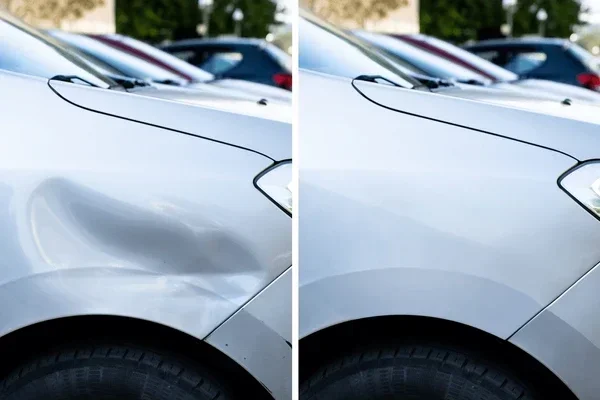
For many dents, paintless dent repair is an excellent option. This technique removes dents without damaging the original paint. It is faster, cheaper, and preserves your car’s factory finish. Many repair shops offer this service at a fraction of the cost of traditional body work.
Review Your Policy Regularly
Your insurance needs change over time. Review your policy at least once a year to make sure you have the right coverage. If you paid off your car loan, you may be able to drop collision and comprehensive coverage and save on your premium.
Also, if you are considering adding or adjusting coverage, check out whether you need gap insurance on a used car or other supplemental coverage to fill gaps in your policy.
Keep Your Deductible in Mind
When choosing your deductible, balance your monthly premium with your ability to pay out of pocket in a claim. A higher deductible lowers your premium but means more cost when you file. A lower deductible means a higher monthly payment but less expense at the time of a claim.
Frequently Asked Questions
Does basic car insurance cover scratches and dents?
No, basic liability coverage does not cover scratches or dents on your own vehicle. You need collision or comprehensive coverage to get protection for body damage on your car. Liability only pays for damage you cause to others.
Will filing a claim for a small scratch raise my insurance rates?
It can. Any claim has the potential to increase your rates, even for minor damage. If the repair cost is close to or less than your deductible, it is usually better to pay out of pocket to avoid a rate hike.
How much does it cost to repair a scratch or dent?
Costs vary widely. A small scratch might cost $50 to $150 to repair, while a deep dent could run $200 to $500 or more. Paintless dent repair is often cheaper than traditional methods. Get multiple estimates before committing to a repair shop.
Does comprehensive coverage cover scratches from vandalism?
Yes, comprehensive coverage covers damage from vandalism, including scratches, dents, and broken glass. You will need to file a police report to support your claim. Your comprehensive deductible will apply to the repair cost.
Is it worth filing a claim for a single dent?
Usually not. If the repair cost is below your deductible or only slightly above it, paying out of pocket is the smarter choice. Filing a claim can increase your insurance rates at renewal, which may cost more than the repair over time.
Can I choose my own repair shop for a scratch or dent claim?
Yes, in most cases you can choose your repair shop. However, some insurers have preferred networks that offer guaranteed repairs. Using an approved shop can speed up the claim process and ensure the repair meets insurance standards.
Conclusion
So, does car insurance cover scratches and dents? The answer depends on your coverage type, the cause of the damage, and your deductible. Collision coverage handles accident-related damage, while comprehensive coverage covers non-collision events like weather, vandalism, and falling objects. Liability coverage alone will not help with your own car’s damage.
The smartest approach is to understand your policy before you need it. Review your coverage limits, know your deductible, and weigh the cost of filing a claim against the repair bill. For minor damage, paying out of pocket is often the better financial move. For significant damage, your insurance is there to protect you.
Take the time to review your policy today. Make sure you have the right insurance coverage for your situation. A few minutes of planning now can save you hundreds or even thousands of dollars when an unexpected scratch or dent happens tomorrow.