How Far Can a Lexus Go on Empty and Still Get There
How far can a Lexus go on empty depends on the model, tank size, and driving habits. Most Lexus vehicles can travel between 30 and 50 miles after the fuel light comes on, but this varies significantly. Understanding your Lexus fuel range helps you avoid getting stranded and protects your engine from costly damage.
There is something almost universal about the moment the fuel light flickers on. You are cruising down the highway, running late, and suddenly your dashboard tells you the tank is nearly dry. For Lexus owners, the immediate question is the same: how far can a Lexus go on empty before it stalls out completely?
The answer is not as simple as a single number. Different Lexus models have different fuel tank sizes, engine types, and fuel systems that all affect your remaining range. A Lexus ES might give you a few extra miles compared to a compact Lexus NX. Hybrid models add another layer of complexity because they switch between gas and electric power.
Understanding your vehicle’s Lexus fuel range on empty is more than just curiosity. It can save you from getting stranded on a dark highway or in an unfamiliar neighborhood. It also helps you protect your engine and fuel system from damage that comes with running the tank too low too often. In this guide, we break down everything you need to know about how far a Lexus can go on empty, model by model.
Key Takeaways
- Most Lexus models can go 30–50 miles on empty after the fuel light activates, but this varies by vehicle and driving conditions.
- Fuel tank size is the biggest factor in determining how far your Lexus can travel when the tank is nearly empty.
- Running on empty can damage the fuel pump and cause costly repairs if you make a habit of it.
- Hybrid Lexus models may offer a slight advantage when fuel is low, thanks to electric motor assist.
- Driving habits like smooth acceleration and maintaining steady speeds can help you stretch your last few gallons.
- Always plan refueling stops before your fuel gauge hits the reserve level to stay safe.
📑 Table of Contents
- How Far Can a Lexus Go on Empty?
- Understanding Lexus Fuel Tank Capacity
- Lexus Models and Their Empty-Tank Range
- What Happens When You Run on Empty?
- Tips to Maximize Your Lexus Range
- Common Mistakes When Your Fuel Is Low
- When to Refuel and How to Plan Your Trips
- Protecting Your Lexus for the Long Term
- Final Thoughts
How Far Can a Lexus Go on Empty?
When the fuel gauge needle drops to the bottom and the warning light comes on, most drivers wonder about their remaining Lexus fuel range. The honest answer is that it depends on several factors. No two drivers will get the exact same number from a nearly empty tank.
On average, most Lexus vehicles can travel between 30 and 50 miles after the low fuel warning activates. Some drivers report pushing closer to 60 miles in certain models, while others find themselves searching for a gas station after just 20 miles. The variation comes down to driving style, road conditions, cargo weight, and the specific vehicle.
The fuel reserve tank in most Lexus models holds about 2 to 3 gallons of gasoline. That might not sound like much, but it can be enough to get you to the nearest station if you stay calm and drive efficiently. However, relying on this reserve regularly is a bad idea. The reserve exists as a safety buffer, not as a second fuel tank.
If you frequently find yourself running on fumes, it might be worth checking your fuel gauge more often and planning stops before the light comes on. The low fuel warning is designed to alert you, not to give you permission to keep driving without gas for long stretches. The Lexus fuel light is your last friendly reminder before things get serious.
Understanding Lexus Fuel Tank Capacity
To understand how far a Lexus can go on empty, you first need to know the fuel tank size. Tank capacity varies widely across the Lexus lineup. A compact sedan will have a much smaller tank than a full-size SUV, and that difference directly affects your empty tank distance.
Average Fuel Tank Sizes Across Lexus Models
Here is a general look at fuel tank sizes for popular Lexus models:
- Lexus ES: Approximately 15 to 16 gallons
- Lexus IS: Around 15 to 16 gallons
- Lexus RX: Roughly 17 to 18 gallons
- Lexus NX: About 14 to 15 gallons
- Lexus LX: Around 22 to 26 gallons
- Lexus GX: Approximately 22 gallons
These numbers are approximate and can vary by model year. Always check your owner’s manual for the exact gas tank size of your specific vehicle. The tank size directly affects your Lexus fuel range because a bigger tank means more fuel in reserve when the light comes on.
Why Tank Size Matters for Your Range
A larger fuel tank gives you more margin when the gauge hits empty. For example, a Lexus LX with a 26-gallon tank will have more leftover fuel than a Lexus NX with a 14-gallon tank. This means the LX can likely travel farther after the warning light activates.
But tank size is not the only factor. Lexus fuel efficiency also plays a major role. A hybrid Lexus RX might sip fuel at a much slower rate than a non-hybrid model, which means it could stretch those last few gallons even further. Understanding both tank size and fuel economy gives you a clearer picture of your true empty tank range and helps you plan better.
Lexus Models and Their Empty-Tank Range
Every Lexus model has a different Lexus empty tank distance. Let us break down what you can expect from some of the most popular models in the Lexus lineup.
Lexus ES Fuel Range on Empty
The Lexus ES is one of the brand’s most popular sedans. With a fuel tank capacity of around 15 to 16 gallons, the ES typically offers a Lexus ES range of about 400 to 500 miles on a full tank, depending on the engine and driving conditions. When running on empty, most ES owners report between 35 and 45 miles of remaining range.
The ES is known for its comfort and smooth ride, which also helps with fuel economy. If you are driving at steady highway speeds, you may squeeze out a few extra miles from those last gallons. City driving with lots of stops will use up the reserve faster. The ES is a great example of how Lexus gas mileage and tank size work together to determine your final trip distance on low fuel.
Lexus RX and Hybrid Range Estimates
The Lexus RX is a mid-size SUV that comes in both gas and hybrid versions. The hybrid model is particularly interesting when it comes to running on empty because it has a dual power system.
On a full tank, a Lexus RX hybrid can achieve impressive Lexus hybrid fuel economy numbers. But when the gas runs low, the vehicle relies more heavily on the electric motor for a short distance. Most RX hybrid owners report about 35 to 50 miles of range after the fuel light comes on. The electric assist can sometimes add a few extra miles beyond what a gas-only model would get.
However, there is a catch. The hybrid system needs gasoline to operate properly. If you completely run out of fuel, the hybrid system will shut down, and you will not get the electric boost anymore. This is why it is important to refuel as soon as possible, even if the hybrid system seems to be carrying you along.
If you own a hybrid Lexus, you should also know that how long a hybrid can sit without being driven affects your fuel system. A hybrid that sits idle for too long may develop battery issues that compound the problem of running low on fuel.
Lexus IS and NX Empty-Tank Distance
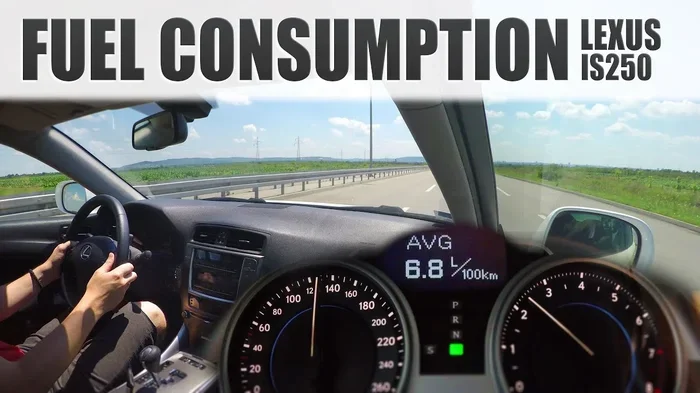
The Lexus IS is a compact luxury sedan with a tank size similar to the ES. Owners can expect roughly 30 to 40 miles of Lexus IS range after the fuel light activates. The IS is a sporty sedan, so aggressive driving will eat through the reserve faster. Keep this in mind if you enjoy spirited driving.
The Lexus NX is a compact SUV that sits below the RX in the lineup. With a smaller tank, the NX typically offers about 25 to 40 miles on empty. Its fuel tank capacity is smaller, so there is less margin to work with. Plan your refueling stops carefully if you are driving an NX and the gauge is low. The NX offers solid Lexus fuel efficiency for its class, but the smaller tank means less reserve.
Lexus LX and Large SUV Range
The Lexus LX is a full-size luxury SUV with a massive fuel tank. The large tank size means the LX can travel farther on empty than most other Lexus models. Owners often report 40 to 55 miles of remaining range after the low fuel warning. This makes the LX one of the most forgiving models when it comes to running on empty.
However, the LX is also a heavy vehicle with a large engine. It does not get the best Lexus MPG numbers, so the fuel gauge drops faster during normal driving. The combination of a big tank and lower fuel economy means you need to be smart about when you stop for gas. Plan ahead and do not wait until the last minute.
What Happens When You Run on Empty?
Driving with a nearly empty tank is not just about inconvenience. It can cause real damage to your vehicle over time. Understanding the risks helps you make better decisions about when to refuel.
Fuel Pump Damage Risks
The fuel pump in your Lexus sits inside the fuel tank. It relies on gasoline to stay cool while it operates. When the tank level drops very low, the pump can start to overheat. Over time, this heat exposure shortens the life of the fuel pump.
A failing fuel pump is an expensive repair. Replacing one can cost anywhere from $400 to $800 or more, depending on the Lexus model. By keeping your tank at least a quarter full, you help protect the fuel pump from overheating and premature wear. This is one of the most important aspects of fuel pump protection that many drivers overlook.
If you have ever wondered how much gas is left when the light comes on, the answer is typically about 2 to 3 gallons. That is not a lot of cushion, and the fuel pump is already working harder at this level. Repeatedly running on empty accelerates the wear and tear on this critical component.
Engine Stalling and Safety Concerns
The most obvious risk of running on empty is the engine stalling. If your Lexus runs out of fuel while driving, the engine will shut off. This can be dangerous, especially on busy highways or in areas with limited visibility.
Imagine being stranded on a highway shoulder at night with no fuel. You would need to call for roadside assistance, and you might be exposed to traffic risks. This is exactly the kind of situation the fuel reserve is designed to help you avoid. Even during the day, being stranded is stressful and inconvenient.
You may need to walk to find a gas station, carry fuel canisters, or wait for a tow truck. All of this can be avoided simply by paying attention to your fuel gauge and refueling early. Your safety and peace of mind are worth more than the few minutes you might save by pushing it.
Dirt and Debris in the Fuel System
Over time, sediment and dirt settle to the bottom of the fuel tank. When the tank is full, this sediment stays buried and does not cause problems. But when you run on empty, the fuel pump can suck up this debris along with the last drops of gasoline.
Contaminated fuel can clog fuel filters, damage fuel injectors, and reduce engine performance. If you have made a habit of running on empty, you may notice rough idling, hesitation during acceleration, or decreased Lexus fuel efficiency. These are signs that dirt may have entered your fuel system and needs to be addressed.
Tips to Maximize Your Lexus Range
If you ever find yourself running low on fuel, there are steps you can take to stretch your remaining miles. These tips help you get the most out of every drop of gasoline in the tank.
Driving Habits That Save Fuel
Your driving style has a huge impact on fuel economy. Smooth, steady driving is the best way to maximize your Lexus fuel range when the tank is low.
- Avoid rapid acceleration: Pressing the gas pedal hard uses significantly more fuel. Accelerate gently and gradually.
- Maintain a steady speed: Use cruise control on highways to keep your speed consistent and avoid unnecessary fuel spikes.
- Reduce unnecessary weight: Remove heavy items from your trunk or cargo area. Extra weight forces the engine to work harder.
- Close windows at highway speeds: Open windows create drag, which reduces fuel efficiency at higher speeds.
- Use air conditioning sparingly: A/C puts extra load on the engine, which burns more fuel. At low speeds, consider rolling down windows instead.
Maintenance Tips for Better Fuel Economy
Regular maintenance keeps your Lexus running efficiently, which matters even more when you have limited fuel. Here are some maintenance tips that help:
- Keep your tires properly inflated: Underinflated tires create rolling resistance, which reduces fuel economy. Check tire pressure at least once a month.
- Replace air filters regularly: A clogged air filter restricts airflow to the engine, forcing it to burn more fuel.
- Use the recommended oil grade: The right motor oil reduces engine friction and improves efficiency.
- Keep up with spark plug replacements: Worn spark plugs can cause incomplete combustion, wasting fuel.
Also, consider how to prevent a car from overheating in summer, as extreme heat can affect fuel system performance and efficiency. Hot weather can cause fuel to evaporate faster and put extra stress on your engine, which is the last thing you need when your tank is nearly empty.
How to Stretch Your Last Few Gallons
When the fuel light is on and the nearest gas station is still miles away, every mile counts. Here is how to squeeze out the last bit of range:
- Turn off the air conditioning: This alone can improve your remaining range by a few miles.
- Drive at or below 55 mph: Fuel consumption increases significantly above 55 mph. Slowing down helps you stretch the reserve.
- Avoid idling: Idling burns fuel without moving you forward. If you are stopped for more than a minute, turn off the engine.
- Use cruise control on flat roads: Consistent speed is more fuel-efficient than constantly adjusting your throttle.
- Plan your route: Choose routes with fewer stops and less traffic. Stop-and-go driving burns through fuel faster.
Common Mistakes When Your Fuel Is Low
Many drivers make mistakes when their fuel gauge is running low. These habits can lead to bigger problems down the road. Let us look at the most common ones.
Ignoring the Low Fuel Warning
The low fuel warning light is not a suggestion. It is a clear signal that your fuel level has dropped to a critical point. Many drivers ignore it, thinking they have plenty of miles left. This is a dangerous assumption.
Every Lexus model is different, and the remaining range after the light comes on varies. Some drivers may have 40 miles left, while others have only 20. Without checking your specific vehicle’s fuel reserve tank capacity, you are guessing. And guessing with your fuel level is never a good idea. Treat the warning seriously every single time.
Waiting Too Long to Refuel
Some drivers make a habit of waiting until the tank is practically empty before filling up. This habit may save a few minutes here and there, but it costs you in the long run. Running the tank too low regularly causes the fuel pump to work harder and wear out faster.
It also increases the risk of sediment entering the fuel system. If you want your Lexus to last for many years and maintain good Lexus fuel efficiency, make it a habit to refuel when the tank hits a quarter full. This small habit can save you hundreds of dollars in repairs over the life of the vehicle.
Overloading the Vehicle
Carrying heavy loads in your Lexus reduces fuel economy. When you are already running on low fuel, every mile per gallon matters even more. Remove unnecessary items from your vehicle before a long trip to maximize your range.
This is especially important for SUV models like the Lexus RX or LX, which are more likely to be loaded with gear for road trips or outdoor adventures. A lighter vehicle uses less fuel and gives you more miles from every gallon. Clean out your trunk regularly and you will notice the difference.
When to Refuel and How to Plan Your Trips
Smart fuel planning starts before you even get behind the wheel. Taking a few minutes to plan your route and identify gas stations can save you from the stress of running on empty.
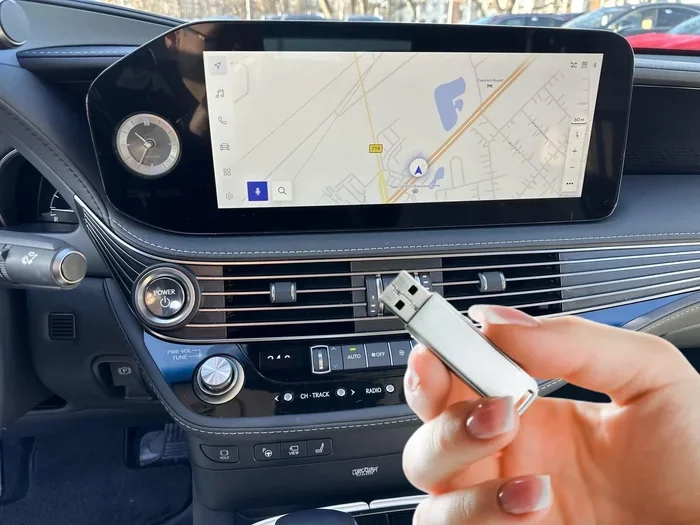
Use navigation apps to locate fuel stations along your route. Many modern Lexus vehicles come with built-in navigation that can point you to the nearest gas station. If your Lexus does not have this feature, your smartphone can do the same job. Simply search for “gas stations near me” when your fuel level drops below a quarter tank.
For long road trips, plan your fuel stops every 200 to 250 miles. This gives you a comfortable buffer and prevents you from ever getting close to empty. Keeping your tank at least half full during long drives is one of the best habits you can build. It also gives you flexibility to take detours or explore side roads without worrying about fuel.
If you are curious about how far a car can go on empty in general, the answer is similar across most brands. Most vehicles, regardless of make, offer between 25 and 50 miles of reserve range. The exact number depends on tank size, engine type, and driving conditions. Lexus models tend to fall in the upper half of that range thanks to their larger tanks and efficient engines.
Protecting Your Lexus for the Long Term
Taking care of your Lexus goes beyond just refueling on time. Regular maintenance and smart driving habits protect your investment and keep your vehicle running strong for years.
One of the most important things you can do is follow the manufacturer’s recommended maintenance schedule. This includes oil changes, tire rotations, brake inspections, and fluid replacements. A well-maintained Lexus performs better, gets better Lexus gas mileage, and is less likely to leave you stranded. Regular maintenance is the foundation of long-term reliability.
If you are considering buying a used Lexus, understanding how many miles a Lexus can last is important. Many Lexus models are known for their reliability and longevity. With proper care, a Lexus can easily surpass 200,000 miles. Keeping the fuel system clean and free of debris is one of the simplest ways to contribute to that longevity.
Also, consider protecting your vehicle’s exterior and interior. Regular washing, waxing, and interior cleaning preserve the resale value and keep your Lexus looking and feeling like new. Small investments in maintenance pay off big over the life of the vehicle. Think of it as protecting your financial investment.
Finally, always keep an emergency kit in your Lexus. Jumper cables, a flashlight, a first-aid kit, and a portable phone charger can make the difference between a minor inconvenience and a serious problem if you ever find yourself stranded. Being prepared gives you confidence and peace of mind on every drive.
Final Thoughts
The question of how far a Lexus can go on empty does not have a single answer. It depends on your model, your tank size, your driving habits, and road conditions. Most Lexus vehicles give you between 30 and 50 miles after the fuel light comes on, but that is just an estimate.
The best approach is simple: do not wait until the light comes on to refuel. Treat the low fuel warning as your cue to find the nearest gas station. This habit protects your fuel pump, keeps your engine clean, and gives you peace of mind on every drive.
Understanding your Lexus fuel range and knowing your vehicle’s limits helps you drive with confidence. Whether you are in a Lexus ES, RX, or LX, a little fuel awareness goes a long way. Keep your tank at least a quarter full, drive smoothly, and your Lexus will reward you with reliable performance and excellent fuel efficiency for years to come.
Frequently Asked Questions
How far can a Lexus go on empty?
Most Lexus vehicles can travel between 30 and 50 miles after the fuel light comes on. The exact distance depends on your model, fuel tank size, and driving habits. Larger SUVs like the Lexus LX tend to have more reserve range than compact sedans.
What happens if you run a Lexus on empty?
Running a Lexus on empty can cause fuel pump damage, engine stalling, and sediment buildup in the fuel system. The fuel pump relies on gasoline to stay cool, and running too low can lead to overheating and premature failure. Always refuel as soon as the low fuel warning appears.
How many miles does a Lexus have in reserve?
The reserve tank in most Lexus models holds about 2 to 3 gallons of fuel. This translates to roughly 30 to 50 miles of driving, depending on the model and conditions. However, this reserve is meant for emergencies, not regular use.
Is it bad to drive with low fuel?
Driving with low fuel occasionally is not harmful, but making a habit of it can damage your fuel pump and allow debris into the fuel system. It also increases the risk of getting stranded. Keep your tank at least a quarter full for optimal fuel pump protection.
How can I improve my Lexus fuel range?
You can improve your Lexus fuel range by driving smoothly, maintaining steady speeds, reducing vehicle weight, and keeping up with regular maintenance. Proper tire inflation, clean air filters, and quality fuel all contribute to better fuel economy and a longer range on every tank.
Do hybrid Lexus models go farther on empty?
Hybrid Lexus models may offer a slight advantage when running low on fuel because the electric motor can assist for a short distance. However, the hybrid battery is small and cannot power the vehicle for long without gasoline. Always refuel promptly, even in a hybrid model.