How to Check Tire Pressure on Your Honda Civic 2019
Checking tire pressure on your Honda Civic 2019 is simple and essential for safety, fuel efficiency, and tire longevity. This guide walks you through everything you need, from finding the right PSI to using a gauge and resetting the warning light. With just a few minutes and basic tools, you can keep your Civic running at its best.
Keeping your Honda Civic 2019 in great shape starts with something simple: tire pressure. Many drivers overlook this basic maintenance task, but it makes a huge difference in how your car drives, how much fuel you use, and how long your tires last. Checking tire pressure on your Honda Civic 2019 takes only a few minutes, and anyone can do it at home with basic tools.
Your 2019 Civic is a reliable, efficient car, but even the best vehicles need regular attention. Tires are the only part of your car that touches the road, so keeping them properly inflated is critical. In this guide, we will walk you through exactly how to check tire pressure step by step. You will learn the recommended PSI, the tools you need, and how to reset the tire pressure light if it comes on.
Key Takeaways
- Check tire pressure monthly: Regular checks prevent uneven wear and improve fuel economy on your Honda Civic 2019.
- Use the recommended PSI: The correct tire pressure for the 2019 Civic is found on the driver’s side door jamb.
- Check when tires are cold: Driving heats up tires and raises pressure readings, leading to inaccurate measurements.
- Reset the TPMS light after checking: A simple reset procedure clears the tire pressure warning after you inflate to the right level.
- Invest in a quality gauge: A digital or dial tire pressure gauge gives you accurate readings every time.
- Do not ignore the tire pressure light: It warns you of underinflation or overinflation, both of which are dangerous.
📑 Table of Contents
- Why Tire Pressure Matters for Your Honda Civic 2019
- Recommended Tire Pressure for Honda Civic 2019
- Tools You Need to Check Tire Pressure
- Step-by-Step Guide to Checking Tire Pressure
- How to Reset the Tire Pressure Light on Honda Civic 2019
- Common Tire Pressure Mistakes to Avoid
- Maintaining Your Honda Civic 2019 Beyond Tire Pressure
- Conclusion
Why Tire Pressure Matters for Your Honda Civic 2019
Proper tire pressure is more than just a number on a sticker. It affects your safety, your wallet, and how your Civic performs every single day. When tires are underinflated, they wear out faster on the outer edges of the tread. Overinflated tires wear out in the center. Both situations lead to premature tire replacement, which costs you real money.
Fuel economy is another big factor. The U.S. Department of Energy estimates that underinflated tires can reduce gas mileage by about 0.2% for every 1 PSI drop in pressure. That might sound small, but it adds up over weeks and months. Proper tire inflation also improves handling and braking, which keeps you and your passengers safe on the road.
Safety Benefits of Correct Tire Pressure
Correctly inflated tires grip the road better, especially in wet or icy conditions. Underinflated tires can overheat, which increases the risk of a blowout. Overinflated tires have a smaller contact patch, which reduces traction and makes stopping distances longer. Tire pressure safety should never be taken lightly. A few extra seconds at the air pump can prevent a dangerous situation on the highway.
Fuel Economy and Tire Pressure
Did you know that proper tire inflation can improve your fuel economy by up to 3%? That might not sound like much, but over a year of driving, it adds up to real savings at the pump. The Honda Civic 2019 is already an efficient car, and maintaining the right tire pressure helps you get the most out of every gallon. For drivers who commute daily or put lots of miles on their Civic, those savings are significant over time.
How Tire Pressure Affects Tire Wear
Tires are a significant investment, and you want them to last as long as possible. Underinflated tires wear out the shoulders of the tread first. Overinflated tires wear out the center of the tread. Properly inflated tires wear evenly, which means you get the full lifespan out of every set. Regular tire pressure checks are the easiest way to maximize your tire investment and avoid early replacements.
Recommended Tire Pressure for Honda Civic 2019
The recommended tire pressure for a 2019 Honda Civic varies slightly depending on the trim level and tire size. Most models use a standard pressure between 30 and 35 PSI. However, the exact number for your specific Civic can be found in a few easy places.
Where to Find the Recommended PSI
First, check the sticker on the driver’s side door jamb. This sticker lists the factory-recommended tire pressure for both the front and rear tires. It also shows the tire size and load rating. Second, consult your Honda Civic owner manual. The manual provides detailed specifications for all tire sizes and different load conditions. If you have lost your manual, you can download a digital copy from the Honda website or find the information on their official site.
Typical Tire Pressure Specs for the 2019 Honda Civic
Here are the common tire pressure specifications for the 2019 Honda Civic:
- Base models (15-inch tires): 32 PSI front and rear
- Sport and EX trims (16-inch tires): 33 PSI front and rear
- Touring trim (17-inch tires): 33 PSI front and rear
- Heavy load conditions: Check the door jamb sticker for adjusted PSI
Always check tire pressure when the tires are cold. This means the car has been parked for at least three hours or driven less than a mile. Cold tire pressure readings are the most accurate because heat from driving increases air pressure inside the tire. If you must check after driving, wait at least 30 minutes for the tires to cool down before measuring.
Understanding PSI and Tire Pressure Units
PSI stands for pounds per square inch. It is the standard unit of measurement for tire pressure in the United States. Some countries use bar or kilopascal (kPa). If your tire pressure gauge reads in a different unit, make sure you convert correctly. Most gauges sold in the U.S. display PSI, so this should not be a problem for Honda Civic owners. Knowing your units ensures you never make a mistake when inflating your tires.
Tools You Need to Check Tire Pressure
You do not need expensive equipment to check tire pressure on your Honda Civic 2019. A few basic tools make the job quick and easy. Most of these items cost under $20 and last for years.
Tire Pressure Gauge
A tire pressure gauge is the most important tool for this job. You have three main options to choose from:
- Pencil-style gauge: Inexpensive and compact. You push it onto the valve stem and read the PSI on a small scale. These are reliable and easy to find at any auto parts store.
- Dial gauge: More accurate than pencil styles. The dial face shows the pressure clearly, and many models include a pressure release button for fine-tuning.
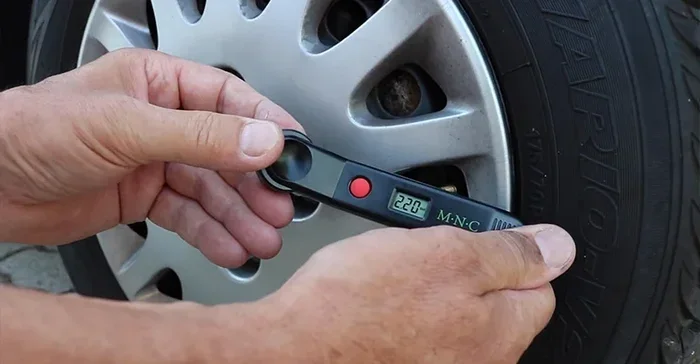
- Digital gauge: The most precise option available. It gives a clear digital readout and is easy to read in low light. A digital gauge is a great choice if you want the most accurate tire pressure readings every time.
Most quality gauges cost between $5 and $20. I recommend a digital gauge for the best accuracy and ease of use. Look for one with a backlit display so you can read it easily at night or in dim garages.
Air Source Options
You need a source of air to inflate your tires if the pressure is low. Here are the most common options:
- Gas station air pumps: Most are free or cost a dollar or two. They are convenient and widely available at most fuel stations.
- Portable tire inflator: A small electric compressor you can keep in your trunk. These run on your car’s 12-volt outlet and are great for emergencies or when you are far from a gas station.
- Home air compressor: If you have a garage with an air compressor, this is the most convenient option. You can check and adjust pressure anytime without leaving your driveway.
Quick Tips for Tool Selection
Keep a tire pressure gauge in your glove box at all times. Gas station gauges are often inaccurate because they get bumped around and exposed to the elements. Having your own gauge ensures reliable readings every time. Also, make sure your gauge is rated for the PSI range your Civic needs. Most passenger car gauges cover 0 to 60 PSI, which is more than enough for the 2019 Honda Civic. A small investment in a good gauge pays for itself quickly through better fuel economy and longer tire life.
Step-by-Step Guide to Checking Tire Pressure
Follow these steps to check tire pressure on your Honda Civic 2019 correctly. This process takes about five minutes once you know what to do. I recommend checking all four tires every time, even if only one looks low. A problem with just one tire can affect how your car handles and drives.
Step 1: Find the Recommended PSI
Look at the driver’s side door jamb sticker. Find the number listed for “cold tire pressure.” This is your target PSI for all four tires. Write it down or take a photo with your phone so you have it handy. Do not rely on the tire sidewall marking, as that number represents the maximum pressure the tire can handle, not the recommended pressure for your vehicle.
Step 2: Remove the Valve Cap
Each tire has a small valve stem with a cap on the end. Twist the cap counterclockwise to remove it. Set the cap aside in a safe place so you do not lose it. The valve cap protects the valve stem from dirt and moisture, which can cause slow air leaks over time. If you notice your valve cap is missing, replace it right away.
Step 3: Press the Gauge onto the Valve Stem
Place your tire pressure gauge firmly onto the valve stem. You should hear a brief hiss of air. This is normal and means the gauge is sealing properly. If the hiss continues, press a little harder to get a better seal. Hold the gauge steady and straight for the most accurate reading. Some gauges will auto-seal, while others require you to maintain pressure as you read the display.
Step 4: Read the Pressure
Look at the gauge to see the current PSI reading. Compare it to the recommended number from the door jamb sticker. If the reading is within 1 PSI of the target, you are good. If it is more than 2 PSI off, you should add or release air. Write down each tire’s reading so you can track them over time and spot any trends.
Step 5: Add Air if Needed
If the pressure is low, use an air pump to add air. Add short bursts of air and check the gauge after each burst. This prevents overinflation, which can be just as dangerous as underinflation. Most air pumps at gas stations have a pressure gauge built in, but do not rely solely on theirs. Use your own gauge for the final check to make sure you hit the exact target PSI.
Step 6: Release Air if Overinflated
If the pressure is too high, press the small pin inside the valve stem to release a little air. You can use the back of the tire gauge or a small tool for this. Check again after each release. It is easy to let out too much air, so go slowly. A little release at a time is the best approach to getting the pressure just right.
Step 7: Replace the Valve Cap
Once the pressure matches the recommended PSI, put the valve cap back on. Twist it clockwise until it is snug. The cap keeps moisture and dirt out of the valve stem, which helps prevent slow leaks. Do not skip this step. A missing valve cap is one of the most common causes of slow air loss that drivers overlook.
Repeat these steps for all four tires, including the spare if your Civic has one. Many people forget about the spare until they need it, and a flat spare tire is the last thing you want in an emergency. The spare tire is usually a smaller “donut” style, and its pressure requirement is different from the regular tires. Check your owner manual for the spare tire PSI.
How to Reset the Tire Pressure Light on Honda Civic 2019
The tire pressure monitoring system (TPMS) light on your dashboard looks like a horseshoe with an exclamation point in the middle. It illuminates when the system detects low pressure in one or more tires. After you correct the pressure, you may need to reset the light manually.
What the TPMS Light Means
The TPMS light can come on for several reasons. The most common cause is low tire pressure in one or more tires. Other causes include a faulty tire pressure sensor, a sudden temperature drop, or a slow air leak. If the light comes on, check your tire pressure as soon as possible. Driving on underinflated tires is dangerous and wastes fuel. The TPMS is there to protect you, so treat it as an important warning, not an inconvenience.
Step-by-Step TPMS Reset Process
Here is how to reset the TPMS light on a 2019 Honda Civic:
- Turn the ignition to the “ON” position. Do not start the engine.
- Locate the TPMS reset button. It is usually beneath the steering column on the left side of the dashboard.
- Press and hold the reset button until the TPMS light blinks three times.
- Start the engine and let the car idle for about 20 minutes.
- The light should turn off. If it stays on, drive the car for a few miles and check again.
If the light comes back on after resetting, one or more tires may still be at the wrong pressure. Double-check all four tires with your gauge. A faulty tire pressure sensor can also cause the light to stay on, which may require a visit to a Honda dealership or a qualified mechanic. Sensors have batteries that last several years and eventually need replacement, which a professional can handle quickly.
When to Seek Professional Help
If you have checked all four tires and they are at the correct pressure but the TPMS light remains on, there may be a sensor issue. Tire pressure sensors have batteries that last several years and eventually need replacement. A mechanic can diagnose the exact cause and replace any faulty sensors if needed. Do not ignore a persistent TPMS light, as it could indicate a deeper problem that affects your safety.
Common Tire Pressure Mistakes to Avoid
Even experienced drivers make mistakes when checking tire pressure. Here are the most common errors and how to avoid them. Learning from these mistakes will save you time, money, and keep you safe on the road.
Checking Pressure After Driving
This is the number one mistake drivers make. Driving heats up the tires and increases the air pressure inside. Checking right after a trip gives you a higher reading than the actual cold pressure. Always wait until the tires are cool for the most accurate result. If you must check after driving, wait at least 30 minutes before measuring. The difference can be several PSI, which is enough to give you a false sense of security.
Guessing the Correct PSI
Never guess the correct tire pressure. Every vehicle is different, and the recommended PSI is specific to your Honda Civic 2019. Rely on the door jamb sticker or owner manual, not on what feels right or what you read online for a different car model. Guessing can lead to overinflation or underinflation, both of which are harmful to your tires and your safety.
Ignoring the Spare Tire
Many people forget about the spare tire until they need it. Check its pressure at least twice a year. A flat spare tire defeats the entire purpose of having one. The spare is usually a smaller “donut” tire, and its pressure requirement is different from the regular tires. Check your owner manual for the spare tire PSI and make it part of your regular maintenance routine.
Overlooking the Valve Stem
The valve stem is a small but critical part of your tire’s air system. A damaged or missing valve cap lets air escape slowly over time. This slow leak can go unnoticed for weeks, leaving you with an underinflated tire. Always replace valve caps after checking pressure, and inspect them regularly for damage or cracks. A new valve cap costs just a few cents but can save you from a flat tire.
Relying Only on Gas Station Gauges
Gas station air pumps have gauges that are often worn out and inaccurate. The gauges get kicked around by dozens of people every day, and the readings can be off by several PSI. Use your own gauge for precise readings, and use the station pump only to add air. This simple habit makes a big difference in accuracy and helps you maintain the correct pressure consistently.
Neglecting Regular Checks
Tire pressure naturally drops over time, about 1 PSI per month. Make checking tire pressure a monthly habit. Set a reminder on your phone or mark it on your calendar. Consistent checks catch small problems before they become big, expensive ones. Regular tire maintenance is one of the easiest ways to care for your Honda Civic 2019 and avoid unexpected breakdowns.
Maintaining Your Honda Civic 2019 Beyond Tire Pressure
Tire pressure is just one part of keeping your Honda Civic 2019 running smoothly. Regular maintenance covers many areas of your vehicle, and a good routine keeps everything in top shape.
Keep Your Interior Clean and Protected
While you are checking tire pressure, take a moment to care for the rest of your car. Cleaning your interior and exterior helps preserve the value and appearance of your Civic. Simple tasks like removing tape marks from car glass are quick jobs that keep your windows clear and your car looking great. A clean car is a well-maintained car, and it holds its value better over time.
Proper auto tint care is another important part of vehicle maintenance. Your window tint helps block UV rays, keeps the interior cooler, and adds a layer of privacy. Taking care of your tint extends its life and keeps your Civic looking sharp. Inspect your tint regularly for peeling or bubbling, and address any issues promptly.
Stay on Top of Oil Changes and Fluids
Your Honda Civic needs regular oil changes to keep the engine running smoothly. Check your owner manual for the recommended interval, which is typically every 7,500 to 10,000 miles for modern models. Also inspect brake fluid, coolant, and transmission fluid monthly. These fluids are essential for safe and reliable operation. Low fluid levels can cause serious damage if left unchecked.
Budget-Friendly Maintenance Tips
Want to save money on car maintenance? Simple habits like checking tire pressure regularly can reduce fuel costs and prevent expensive tire replacements. You can also save money on auto tint by learning basic care techniques that extend the life of your window film without needing professional help. Small investments of time and attention pay off big in the long run. A well-maintained Honda Civic is a reliable companion for years of driving.
Build a Monthly Maintenance Routine
Create a simple checklist for your monthly car care routine. Include tire pressure checks, fluid level inspections, windshield cleaning, and a quick walk-around to look for any visible damage. Consistency is the key to preventing costly repairs. A few minutes each month can save you hundreds of dollars over the life of your vehicle. Make it a habit, and your Civic will reward you with dependable performance.
Conclusion
Checking tire pressure on your Honda Civic 2019 is one of the easiest and most impactful things you can do as a car owner. It takes just a few minutes, requires minimal tools, and pays off in safety, fuel savings, and longer tire life. Remember to check pressure monthly, always measure cold tires, and use the recommended PSI found on your door jamb sticker.
Do not ignore the tire pressure light. If it comes on, check your tires right away and reset the system once you have corrected the pressure. Small habits like these keep your Honda Civic running strong for years to come. Take a few minutes today to check your tire pressure, and your car and wallet will thank you tomorrow. Your Civic was built to last, and a little regular care goes a long way toward making that happen.
Frequently Asked Questions
How often should I check tire pressure on my Honda Civic 2019?
You should check your tire pressure at least once a month. Tires naturally lose about 1 PSI per month, so regular checks keep you on track. Also check before any long road trips to ensure safety and fuel efficiency.
What happens if I drive with low tire pressure?
Driving with low tire pressure is dangerous. It causes overheating, reduces traction, and increases the risk of a blowout. It also lowers your fuel economy and causes uneven tire wear. If your tire pressure light comes on, check your tires immediately.
Can I use the tire pressure gauge at a gas station?
You can, but gas station gauges are often inaccurate due to wear and exposure to the elements. Use the station pump to add air, but always verify the pressure with your own personal gauge for the most reliable reading.
Why does my tire pressure light come on even when tires are fine?
The TPMS light can activate due to a sudden temperature drop, a faulty sensor, or a weak sensor battery. If your tires are at the correct pressure but the light stays on, have a mechanic inspect the tire pressure sensors to diagnose the issue.
Is it okay to overinflate my tires slightly?
Slight overinflation is less dangerous than underinflation, but it is still not ideal. Overinflated tires reduce the contact patch with the road, which hurts traction and ride comfort. Always aim for the recommended PSI listed on your door jamb sticker.
What PSI should I use for my Honda Civic 2019 spare tire?
Spare tire PSI varies by model. Most Honda Civic spare tires require a higher pressure, often around 60 PSI, because they are smaller “donut” tires. Check your owner manual or the spare tire label for the exact specification.