Car Wheel Alignment and Balancing Tips for Beginners
Car wheel alignment and balancing keeps your tires wearing evenly and your ride smooth. When your wheels are off, you may notice vibration, pulling, or uneven tire wear. This guide covers everything beginners need to know about wheel alignment and balancing, from warning signs to costs and DIY tips.
Every car owner wants a smooth, safe ride. But many people overlook one of the simplest ways to get it: car wheel alignment and balancing. These two services work together to keep your tires wearing evenly and your steering feeling right. Without them, even new tires can wear out fast. And a car that pulls to one side is not just annoying. It can be dangerous.
If you have never thought about your wheel angles or tire balance, you are not alone. Most drivers only pay attention when something goes wrong. A vibration in the steering wheel. A car that drifts to the left. Uneven tire wear that shows up way too soon. The good news is that understanding the basics takes just a few minutes. And once you know what to look for, you can catch problems early and save a lot of money.
This guide breaks down everything you need to know about wheel alignment and balancing. We will cover what each service does, how to spot the warning signs, what to expect at the shop, and simple tips you can use at home. Whether you are a complete beginner or just looking for a refresher, you will find practical advice here.
Key Takeaways
- Proper alignment extends tire life: Correct wheel alignment can add thousands of miles to your tires.
- Vibration is a red flag: Steering wheel shaking at highway speeds often means your tires need balancing.
- Alignment and balancing are different: One adjusts angles; the other adds weight to correct imbalances.
- Get checked every 6,000 miles: Regular checks save money and keep you safe on the road.
- DIY is limited: Some checks you can do at home, but professional equipment gives the best results.
- Cost is reasonable: Most alignment and balancing services cost between $75 and $200.
- Ignoring the problem costs more: Neglect leads to premature tire replacement and unsafe driving.
📑 Table of Contents
- What Is Car Wheel Alignment and Balancing?
- Warning Signs Your Wheels Are Out of Shape
- How Wheel Alignment Works
- How Tire Balancing Works
- Alignment and Balancing: How Often and How Much?
- Tips to Keep Your Wheels in Great Shape
- Common Mistakes to Avoid
- Expert Insights: What Mechanics Wish You Knew
- Conclusion
What Is Car Wheel Alignment and Balancing?
Understanding the Basics
Let us start with the fundamentals. Car wheel alignment is the process of adjusting the angles of your wheels so they sit perpendicular to the ground and parallel to each other. Think of it like setting the feet of a table so it does not wobble. When the angles are correct, your car drives straight and your tires wear evenly.
Tire balancing is different but equally important. Balancing makes sure the weight is distributed evenly around each tire and wheel combo. Even a small weight difference can cause vibration, especially at higher speeds. Balancing adds tiny weights to the rim to correct these imbalances.
People often confuse the two services. They think alignment fixes vibrations or that balancing fixes pulling. But each one addresses a specific problem. Knowing the difference helps you communicate better with your mechanic and avoid unnecessary work.
The Three Key Alignment Angles
When a technician checks your wheel alignment, they look at three main angles:
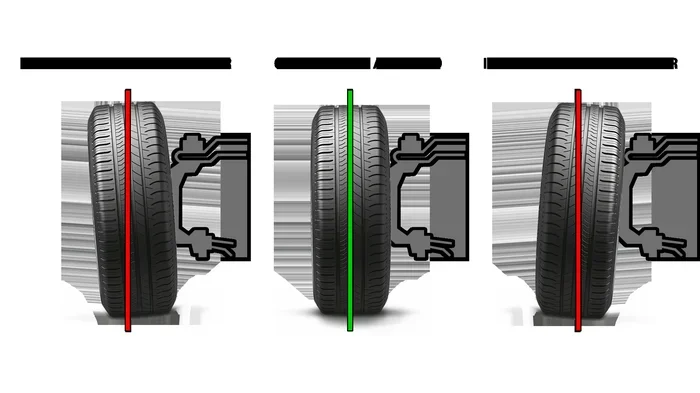
- Camber: This is the inward or outward tilt of the tire when viewed from the front. Too much tilt in either direction causes uneven wear on one side of the tire.
- Toe: This refers to how much your tires turn inward or outward when viewed from above. Toe misalignment is one of the most common causes of uneven tire wear.
- Caster: This angle helps your steering return to center after a turn. It also affects stability at highway speeds.
Each angle plays a role in how your car handles, how your tires wear, and how safe your ride feels. A skilled technician adjusts all three to match your vehicle manufacturer’s specifications.
Warning Signs Your Wheels Are Out of Shape
Vibration in the Steering Wheel
One of the most common signs of an imbalance is vibration. If your steering wheel shakes at speeds between 50 and 70 mph, your tires likely need balancing. The vibration usually gets worse as you speed up. It often goes away when you slow down. This is a clear signal that the weight distribution around your wheels is off.
Your Car Pulls to One Side
Does your car drift to the left or right even when your hands are lightly on the wheel? This is a classic sign of misaligned wheels. A slight pull might not bother you at first. But over time, it makes driving tiring and can cause you to grip the wheel too tightly. If you notice this, get a wheel alignment check soon.
Uneven or Rapid Tire Wear
Take a close look at your tires. Are the edges more worn than the center? Or is one side of the tread smoother than the other? Uneven tire wear patterns often point to alignment problems. A tire that wears out on the inside edge, for example, usually has a camber issue. Catching this early can save you from replacing tires far too soon.
Steering Wheel Off-Center
When you drive straight, does your steering wheel sit crooked? You might have to hold it slightly turned to keep the car going straight. This is another telltale sign of alignment issues. It is easy to ignore because you get used to it. But it means your wheels are not pointing in the right direction.
Squealing Tires
Do your tires squeal when you turn a corner? While squealing can have a few causes, misaligned wheels are a common one. The tire is not making proper contact with the road, so it skids slightly as you turn. If you hear this noise regularly, it is worth getting checked.
How Wheel Alignment Works
What Happens at the Shop
When you take your car in for wheel alignment services, the technician puts your vehicle on a lift. They attach sensors to each wheel. These sensors connect to a computer that measures the current angles of your camber, toe, and caster. The computer then compares those measurements to your vehicle’s factory specifications.
If any angles are off, the technician makes adjustments. This usually involves turning tie rods, control arms, or other suspension components. The process is precise and takes about 30 to 60 minutes for a standard alignment.
Two-Wheel vs. Four-Wheel Alignment
Not all cars need a four-wheel alignment. Front-wheel-drive and rear-wheel-drive vehicles with a solid rear axle typically only need a two-wheel or front-end alignment. This adjusts just the front wheels. However, many modern vehicles, especially all-wheel-drive cars, benefit from a full four-wheel alignment. Here is a quick comparison:
- Two-wheel alignment: Adjusts the front wheels only. Best for older vehicles and those with a solid rear axle. Usually costs less.
- Four-wheel alignment: Adjusts all four wheels. Recommended for most modern cars, especially AWD and independent rear suspension setups.
Your mechanic can advise which type your vehicle needs. When in doubt, go with the four-wheel option. It gives you the most complete correction.
Can You Do Alignment at Home?
True wheel alignment requires specialized equipment. Alignment machines measure angles to fractions of a degree. Home DIYers do not have access to this level of precision. However, you can check for obvious signs of misalignment at home. Drive on a straight, flat road and let go of the steering wheel briefly. If the car pulls hard to one side, your alignment is likely off. You can also visually inspect your tires for uneven wear. But for actual adjustments, leave it to the professionals.
How Tire Balancing Works
The Balancing Process Step by Step
Tire balancing is a straightforward process. The technician removes each wheel and mounts it on a wheel balancing machine. The machine spins the wheel at high speed and measures where the weight is uneven. It then tells the technician exactly where to place small counterweights on the rim. These weights offset the heavy spots and eliminate vibration.
Most balancing jobs take about 15 to 20 minutes for all four wheels. It is a quick service that makes a big difference in ride quality.
Static vs. Dynamic Balancing
There are two types of tire balancing: static and dynamic. Static balancing checks for weight imbalance in one plane. Think of it like balancing a seesaw. Dynamic balancing checks for imbalance in two planes, including side-to-side wobble. Most modern shops use dynamic balancing machines because they provide a more complete picture. If your shop only does static balancing, ask if they can do dynamic instead.
When to Balance vs. When to Align
Understanding when each service is needed helps you make smart decisions:
- Get balancing done when: You feel vibration in the steering wheel or seat, you have installed new tires, or you have hit a pothole or curb hard enough to dent a rim.
- Get alignment done when: Your car pulls to one side, your steering wheel is off-center, or you notice uneven tire wear.
Sometimes you need both services at the same time. After a bad pothole impact, for example, you might damage the alignment and shift the balance. A good technician will check both when you bring the car in.
Alignment and Balancing: How Often and How Much?
Recommended Service Intervals
Most experts recommend getting a wheel alignment check every 6,000 miles or every six months, whichever comes first. Some drivers go longer between checks, especially if they drive on smooth roads. But regular checks are the best way to catch small problems before they turn into expensive repairs.
As for balancing, it is usually done when you install new tires or notice vibration. You do not need to balance your tires on a fixed schedule the way you change oil. But if you ever feel a new vibration, get the balance checked right away.
Understanding the Costs
Cost is a big concern for most car owners. Here is what you can typically expect:
- Two-wheel alignment: $50 to $100
- Four-wheel alignment: $100 to $200
- Tire balancing (all four wheels): $40 to $100
The wheel alignment cost varies depending on your location, the type of vehicle, and the shop. Luxury cars and trucks sometimes cost more because they require more complex adjustments. Independent shops usually charge less than dealerships. Shopping around can save you money without sacrificing quality.
Factors That Affect Alignment and Balance
Several things can knock your wheels out of alignment or balance:
- Hitting potholes or speed bumps at high speed
- Minor fender benders or curb impacts
- Worn suspension parts like ball joints and tie rods
- Losing a wheel weight after hitting a curb
- Normal wear and tear over time
Being aware of these factors helps you take preventive action. Avoid potholes when you can, and slow down before speed bumps. These small habits add up over time.
Tips to Keep Your Wheels in Great Shape
Check Your Tire Pressure Regularly
Underinflated or overinflated tires affect both alignment and balance. Low pressure causes the tire to flex more, which can lead to uneven wear and handling issues. Check your tire pressure at least once a month. Use the recommended PSI listed on the driver’s side door jamb, not the number on the tire itself.
Rotate Your Tires on Schedule
Tire rotation moves each tire to a different position on the car. This helps all four tires wear more evenly. Most manufacturers recommend rotating tires every 5,000 to 7,500 miles. Regular rotation works hand in hand with proper alignment to maximize tire life.
Avoid Aggressive Driving
Hard cornering, sudden braking, and fast acceleration all put extra stress on your tires and suspension. Smooth driving habits reduce the chance of knocking your wheels out of alignment or balance. Plus, gentle driving improves fuel economy and keeps you safer on the road.
Inspect Your Suspension Components
Worn suspension parts can cause alignment to shift even when you are not driving aggressively. Have your mechanic check ball joints, tie rod ends, control arm bushings, and shock absorbers during regular service visits. Catching worn parts early prevents cascading alignment problems.
Keep Your Alignment Receipts
This is a simple habit that many people skip. Save your alignment and balancing receipts and note the mileage and date. This gives you a clear record of when your last service was. It also helps you track how often your wheels go out of alignment, which can reveal underlying suspension issues you may not know about.
Choose the Right Shop
Not all tire shops are the same. Look for shops that use modern alignment machines and have certified technicians. Read reviews, ask friends for recommendations, and do not be afraid to ask questions. A good shop will explain what they found and what they recommend without pressuring you into unnecessary services.
Common Mistakes to Avoid
Even well-meaning car owners make mistakes when it comes to wheel care. Here are a few to watch out for:
- Ignoring early warning signs: A slight vibration or minor pull does not go away on its own. The longer you wait, the worse the problem gets and the more it costs to fix.
- Confusing balancing with alignment: These are two separate services. If you only balance your tires but your alignment is off, you will still have uneven wear and handling problems.
- Skipping alignment after new tires: New tires are an investment. Skipping a wheel alignment after installing them can wear out the tires in just a few thousand miles.
- Using the wrong tire size: Tires that are too large or too small for your vehicle affect the alignment geometry. Always match the tire size to your manufacturer’s recommendation.
- Driving on damaged rims: A bent rim can cause both balance and alignment issues. Get a bent rim repaired or replaced promptly.
Expert Insights: What Mechanics Wish You Knew
Experienced technicians see the same issues over and over. Here is what they wish every driver understood:
Alignment and balancing are not just about comfort. They are about safety. Poorly aligned wheels reduce your ability to handle emergencies. They also affect braking distance, especially on wet roads. Taking care of your wheels is one of the easiest ways to stay safe behind the wheel.
Prevention is always cheaper than repair. A $100 alignment check every six months can prevent a $600 tire replacement. The math is simple. Regular maintenance keeps small problems from becoming big expenses.
Not all vibration comes from wheels. Sometimes vibration comes from worn drivetrain components, warped brake rotors, or damaged axles. A good technician will check all possible causes before recommending a service. If a shop only wants to balance your tires without checking other things, get a second opinion.
Conclusion
Car wheel alignment and balancing might not be the most exciting topic in car care. But it is one of the most important. Proper alignment keeps your tires wearing evenly, your car driving straight, and your family safe. Balancing eliminates vibration and makes every ride more comfortable. Together, these two services protect your biggest car maintenance expense: your tires.
The good news is that both services are affordable and quick. Most drivers should get an alignment check every 6,000 miles and a balance check whenever they notice vibration or install new tires. Pay attention to the warning signs we covered, and do not ignore small problems. A little care today saves a lot of money and hassle tomorrow.
Take a few minutes right now to check your tire pressure and look at your tread. If anything looks off, schedule a wheel alignment and balancing appointment this week. Your tires and your steering wheel will thank you.
Frequently Asked Questions
How do I know if I need an alignment or a balance?
Vibration usually points to a balancing issue, while pulling to one side or an off-center steering wheel suggests an alignment problem. If you are not sure, a good shop will check both and tell you which service you actually need.
Can I drive with bad alignment?
You can, but it is not a good idea. Bad alignment causes uneven tire wear, reduces fuel efficiency, and can make your car unsafe to drive, especially in wet conditions. Get it fixed as soon as you notice the symptoms.
How long does a wheel alignment take?
A standard wheel alignment takes about 30 to 60 minutes. A four-wheel alignment on a complex vehicle might take a little longer. Most shops can complete the job in under an hour.
Is tire balancing covered under warranty?
Many tire manufacturers include free lifetime balancing with new tire purchases. Check your warranty or ask the shop. Even if it is not covered, balancing is a relatively inexpensive service.
What happens if I never get my wheels aligned?
Over time, your tires will wear unevenly and need replacement much sooner. Your car may pull to one side, making driving tiring and less safe. In extreme cases, severe misalignment can damage suspension components, leading to even more expensive repairs.
Do I need an alignment after replacing just two tires?
Yes, especially if the new tires are on the front axle. Mismatched tire wear between old and new tires can affect handling and alignment. Getting an alignment after any tire replacement is a smart move.
=== CONCLUSION ===
Car wheel alignment and balancing is simple maintenance that delivers big results. It keeps your tires lasting longer, your ride smoother, and your driving safer. By watching for the warning signs, following the recommended service intervals, and choosing a reputable shop, you take a big step toward better car care. Start with small checks at home, stay on top of your service schedule, and your wheels will reward you with miles of trouble-free driving.