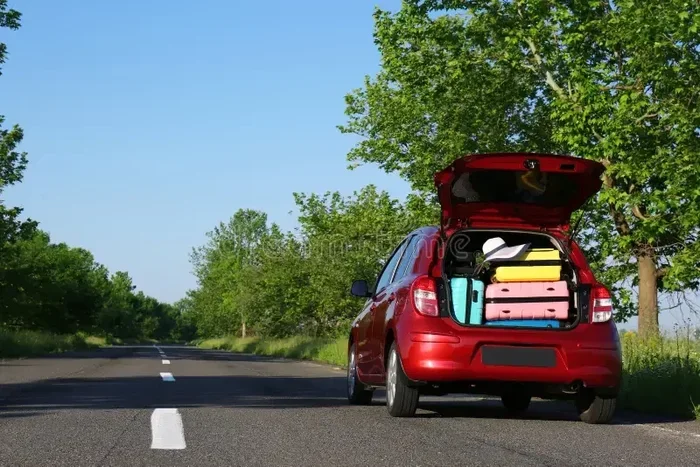
Can You Have Your Trunk Open Without Getting Pulled Over
Can you have your trunk open without getting pulled over? The answer depends on your state, what you are carrying, and how safe your setup is. Driving with a trunk open is not automatically illegal everywhere, but it can lead to a traffic stop if it poses a safety hazard. In this guide, we break down the open trunk regulations, share real-world tips, and help you avoid fines and accidents.
Have you ever loaded up a big item and wondered if it is legal to drive with your trunk open? Maybe you just picked up a piece of furniture, a bunch of yard waste, or camping gear. And now you are sitting in your car, wondering if a police officer is going to flag you down for having your trunk open on the road.
The truth is, there is no single nationwide rule that says you cannot drive with your trunk open. But that does not mean you are in the clear everywhere. Laws vary from state to state, and safety concerns play a huge role in whether you will get pulled over. In this article, we walk you through everything you need to know about having your trunk open while driving, what the rules are, and how to stay safe on the road.
Whether you are a DIY enthusiast hauling supplies or someone who just needs to transport a few extra items, understanding the open trunk regulations can save you from a costly ticket and a dangerous situation on the highway.
Key Takeaways
- It is not always illegal: Some states allow a trunk open if cargo is properly secured and does not obstruct visibility.
- Laws vary by state: Each state has its own vehicle code regarding driving with trunk open rules and penalties.
- Safety is the main concern: Officers can pull you over if an open trunk creates a hazard for other drivers.
- Proper securing matters: Using tie-downs, nets, and barriers can keep you compliant and safe.
- Penalties exist: You could face fines, citations, or even liability if an open trunk causes an accident.
- Alternatives work: Roof racks, trailers, and cargo carriers are safer options for large loads.
📑 Table of Contents
- What Does It Mean to Have Your Trunk Open While Driving?
- Is It Legal to Drive With Your Trunk Open?
- When Is It Okay to Have Your Trunk Open?
- Safety Risks of Driving With an Open Trunk
- What Happens If You Get Pulled Over With Your Trunk Open?
- Tips for Safely Transporting Items in Your Trunk
- How Different States Handle Open Trunk Driving
- Frequently Asked Questions
- Conclusion
What Does It Mean to Have Your Trunk Open While Driving?
When we talk about having your trunk open, we mean the rear cargo area of your vehicle is unlatched and exposed while you are operating the car on a public road. This can look like a trunk lid that is propped up, a hatchback that is folded down, or a tailgate on an SUV or pickup truck that is lowered.
People open their trunks for many reasons. You might be moving to a new apartment. You could be hauling a large piece of equipment. Or maybe you just need extra space for groceries and your trunk is already full. Whatever the reason, the way you handle an open trunk matters a lot when it comes to the law and safety.
Common Reasons People Drive With Their Trunk Open
- Moving furniture or boxes: A common scenario for college students and new renters.
- Transporting yard waste or building materials: DIY projects often require hauling bulky items.
- Camping or outdoor gear: Roof-top tents, coolers, and bikes sometimes need extra room.
- Emergency situations: A sudden need to transport something large without a proper carrier.
- Selling items: People sometimes use their open trunk for informal sales or deliveries.
No matter the reason, the key question remains the same: is it legal, and is it safe?
Is It Legal to Drive With Your Trunk Open?
This is where things get interesting. There is no federal law in the United States that specifically bans you from driving with your trunk open. However, state and local laws can differ significantly. Some states have clear rules, while others rely on broader safety and obstruction statutes.
State-by-State Variations in Trunk Open Laws
Each state has its own vehicle code that addresses how cargo should be transported. In California, for example, Vehicle Code Section 23117 sets rules for how loads must be secured. You cannot have items hanging off your vehicle in a way that creates a hazard. In Texas, the transportation code focuses on securing loads so they do not fall onto the roadway.
Here are some general principles that many states follow:
- Cargo must be securely fastened: Items in or on your vehicle should not shift, fall, or blow out.
- Visibility must not be blocked: Your open trunk should not obstruct your rearview or side mirrors.
- Overhang rules apply: If your cargo extends beyond the vehicle, there are usually limits on how far it can stick out.
- Flags or markers may be required: Some states require a red flag or marker on long loads extending from the rear.
The safest approach is to check your specific state and local laws before driving with your trunk open. A quick search for your state vehicle code or a visit to the DMV website can give you the exact rules. When in doubt, call your local police non-emergency line and ask. They are usually happy to clarify.
When Is It Okay to Have Your Trunk Open?
So when exactly can you drive with your trunk open without worrying about getting a ticket? The short answer is: when you have taken proper precautions and your setup does not create a hazard.
Situations Where an Open Trunk May Be Acceptable
There are certain situations where having your trunk open is more likely to be tolerated or even considered reasonable by law enforcement.
- Short distances at low speeds: If you are driving slowly through a neighborhood or moving a load a short distance, the risk is lower.
- Cargo is fully secured: If your items are tied down with straps, bungee cords, or nets and cannot shift, you are in a much better position.
- Visibility is not affected: If your open trunk does not block your mirrors or your rear window, you are less likely to be cited for an obstruction.
- You are using a cargo barrier: Some vehicles have retractable cargo nets or barriers that keep items contained even with the trunk open.
- It is a common practice in your area: In rural areas or places where hauling is common, officers may be more understanding of open trunk situations.
The important thing to remember is that having your trunk open is not a free pass to ignore safety. Even if it is technically legal in your area, if your setup looks dangerous, an officer can still pull you over.
Quick Tips for an Acceptable Open Trunk Setup
- Use bungee cords or ratchet straps to secure all loose items.
- Place heavier items on the bottom and lighter items on top.
- Keep cargo below the height of the seat backs if possible.
- Check your mirrors before driving to make sure nothing blocks your view.
- Drive at or below the speed limit, especially on highways.
Safety Risks of Driving With an Open Trunk
Even if the law in your area is somewhat lenient, safety should always be your number one concern. Driving with an open trunk comes with real risks that can affect you, your passengers, and other drivers on the road.
Visibility Hazards
An open trunk can block your rear visibility significantly. You may not be able to see cars, pedestrians, or obstacles behind you. This is especially dangerous when you are reversing, merging, or changing lanes. If your mirrors are partially blocked, your ability to check blind spots is reduced.
Flying Debris and Falling Cargo
One of the biggest dangers of an open trunk is items falling out. At highway speeds, even a small object can become a dangerous projectile. A loose chair leg, a bag of mulch, or a box of tools can fly out and cause a serious accident for the driver behind you. You could be held fully liable for any damage or injuries caused by unsecured cargo.
Wind and Aerodynamic Effects
An open trunk changes the airflow around your vehicle. This can cause instability, especially at higher speeds. Your car may feel twitchy or harder to control. In strong winds, the effect is even more pronounced. The drag from an open trunk can also reduce your fuel efficiency.
Passenger Safety Concerns
If you have passengers in the back seat, an open trunk can be especially risky. Items could shift into the passenger area. In a sudden stop or collision, unsecured cargo becomes a dangerous projectile inside the cabin. Always prioritize the safety of everyone in the vehicle.
Expert Insight
“I have seen accidents caused by unsecured cargo falling from open trunks,” says a veteran traffic officer with over 15 years of experience. “The drivers were not trying to be reckless, but they did not secure their load properly. It is always better to take the extra few minutes to tie things down.”
What Happens If You Get Pulled Over With Your Trunk Open?
So you are driving along, and you see flashing lights in your rearview mirror. The officer approaches your car and notices your trunk is open. What happens next?
Possible Outcomes of a Trunk Open Traffic Stop
The outcome depends on several factors, including your state laws, how your cargo is secured, and the officer’s discretion. Here are the most common scenarios:
- Warning and advice: The officer may simply let you know that your cargo needs to be secured better and send you on your way.
- Citation or fine: If your open trunk violates a local ordinance or state vehicle code, you could receive a ticket. Fines vary but typically range from $50 to $500 depending on the jurisdiction.
- Required to fix the issue: Some officers may require you to secure the load properly before you can continue driving.
- Liability for an accident: If your unsecured cargo causes an accident, you could face civil liability and increased insurance premiums.
- Vehicle impoundment: In extreme cases, especially if the load is dangerously unsecured, your vehicle could be impounded until the issue is resolved.
Common Mistakes That Lead to a Trunk Open Ticket
To help you avoid a ticket, here are some common mistakes drivers make when they have their trunk open:
- Not securing cargo at all: Just throwing items in the trunk and leaving the lid open is the fastest way to get cited.
- Overloading beyond capacity: Stuffing too much in the trunk can cause the lid to stay open or items to spill out.
- Ignoring local ordinances: Even if state law is lenient, your city or county may have stricter rules.
- Driving at high speeds: Highways are not the place for an open trunk with loose items.
- Blocking license plate or lights: If your open trunk covers your rear lights or license plate, you are almost guaranteed to get pulled over.
Tips for Safely Transporting Items in Your Trunk
Want to haul stuff without the stress of getting pulled over? Here are some practical tips to keep your trunk open setup safe and legal.
Use the Right Restraint Gear
Invest in good-quality ratchet straps, bungee cords, and cargo nets. These tools are inexpensive and can make a huge difference. A $15 set of ratchet straps can save you from a $200 ticket and a potential accident.
Consider Alternative Transport Options
Sometimes, the best option is to avoid having your trunk open altogether. Consider these alternatives:
- Roof racks and cargo boxes: Great for bulky, lightweight items like luggage or camping gear.
- Trailers and cargo bikes: Perfect for heavy loads that won’t fit inside the vehicle.
- Rental trucks: For big moves, a rented truck is safer and more practical than an open trunk.
- Cargo blankets and tarps: These can help contain loose items and reduce wind resistance.
Pre-Trip Checklist for Open Trunk Transport
Before you hit the road with your trunk open, run through this quick checklist:
- Are all items securely fastened with straps or nets?
- Can you see clearly in all mirrors and through the rear window?
- Are your rear lights and license plate visible?
- Is the cargo below the safe height limit for your vehicle?
- Have you checked your state and local laws?
- Are you planning to drive at safe speeds?
If you can check all of these boxes, you are in good shape. If anything feels off, take the time to fix it before you start driving.
How Different States Handle Open Trunk Driving
To give you a better picture, here is a quick look at how a few states handle the rules around having your trunk open.
California: The state has strict cargo securement laws under the California Vehicle Code. You must ensure nothing falls, drops, or leaks from your vehicle. An open trunk is fine as long as the load is properly secured and does not create a hazard.
New York: New York law requires that all cargo be securely fastened and that nothing extend beyond the vehicle in a dangerous way. You can drive with your trunk open, but the load must be contained.
Texas: Texas Transportation Code requires loads to be secured and not cause debris on the road. Open trunks are allowed if the cargo is tied down and does not obstruct the driver’s view.
Florida: Florida law focuses on preventing debris from vehicles. An open trunk is acceptable if you are not spilling items onto the road and your visibility is not impaired.
Illinois: Illinois has specific rules about load securement. Items must be covered, secured, or arranged so they do not fall, blow, or leak from the vehicle.
These are just a few examples. Always check your specific state and local regulations before driving with your trunk open.
Quick Reference: Open Trunk Laws at a Glance
Here is a simple comparison of key factors across popular states.
- California: Strict securement rules, fine for unsecured loads.
- New York: Focus on obstruction and falling debris.
- Texas: Load must not fall, leak, or blow from vehicle.
- Florida: Debris prevention is the main concern.
- Illinois: Covers, secures, or contains all loads.
Frequently Asked Questions
Can you drive with your trunk open in all 50 states?
No, there is no blanket rule that applies to all 50 states. Each state has its own vehicle code regarding open trunk driving. Some states are more lenient, while others have strict securement and obstruction laws. Always check your local regulations before driving with your trunk open.
Will I definitely get pulled over if I drive with my trunk open?
Not necessarily. Many officers will simply warn you to secure your load better. However, if your open trunk creates a safety hazard, blocks your visibility, or violates a specific state law, you are more likely to be pulled over. It is always better to be cautious and prepared.
What is the fine for driving with an unsecured open trunk?
Fines vary widely by state and municipality. You could face anywhere from a $50 warning fine to a $500 penalty for violating cargo securement laws. In some cases, you may also be held liable for any damage or accidents caused by your unsecured load.
Can an open trunk affect my car insurance?
Yes, it can. If you are involved in an accident and it is determined that your open or unsecured trunk contributed to the incident, your insurance company may raise your premiums or deny your claim. Always secure your load properly to protect yourself financially.
Are there any exceptions for emergency situations?
Some states recognize emergency exceptions for transporting essential items. However, these exceptions are narrow and usually require that you take reasonable precautions to secure the load. Do not assume an emergency situation automatically exempts you from cargo securement laws.
What is the safest way to transport large items if I cannot close my trunk?
The safest option is to use a roof rack, cargo box, or trailer. If those are not available, make sure all items are tightly secured with ratchet straps or bungee cords, place a cargo net over the open trunk, and drive at low speeds on familiar roads. Always check your mirrors and visibility before pulling out.
Conclusion
So, can you have your trunk open without getting pulled over? The honest answer is: it depends. The laws vary by state, the safety of your setup matters a lot, and common sense should always guide your decisions. Driving with an open trunk is not inherently illegal, but it does come with responsibilities.
The best approach is simple. Secure your cargo properly, make sure your visibility is not blocked, check your local laws, and drive at safe speeds. If you take these steps, you greatly reduce the chances of getting a ticket or, worse, causing an accident.
Remember, a few minutes of preparation can save you from a frustrating traffic stop, a costly fine, or a dangerous situation on the road. Next time you need to haul something big, take the extra time to do it safely. Your wallet, your insurance rates, and your fellow drivers will all thank you.
Stay safe, stay informed, and never underestimate the importance of a properly secured load. Happy hauling.