How a Car Rear Camera With Sensor Makes Driving Safer
A car rear camera with sensor is one of the most effective car safety features you can add to your vehicle. These systems combine a wide angle rear camera with smart parking sensors to give you a clear view behind your car while you reverse. They help prevent collisions, protect pedestrians, and make parking easier for drivers of all skill levels.
Backing up a car can be stressful. No matter how many mirrors you adjust, there is always a blind spot behind your vehicle. That is exactly where a car rear camera with sensor changes everything. These smart systems give you a live view of what is behind you while also alerting you to obstacles you might not even see.
If you have ever scraped a bumper in a tight parking space or worried about a child running behind your car, you know how valuable this technology can be. A car rear camera with sensor is not just a luxury add-on. It is a practical tool that makes daily driving safer and more convenient for everyone.
In this guide, we will walk through everything you need to know about rear camera sensor systems. We will cover how they work, the different types available, the benefits they bring, and how to choose the right one for your vehicle. By the end, you will understand why so many drivers are making the switch to this essential car safety equipment.
Key Takeaways
- Improved Safety: A car rear camera with sensor dramatically reduces reverse accidents and blind spot risks.
- Easier Parking: Parking assistance technology guides you into tight spots with precision and confidence.
- Multiple Sensor Types: Ultrasonic, radar, and camera-based systems each offer unique advantages for different driving needs.
- Simple Installation: Many systems are DIY-friendly and can be installed without professional help.
- Night Vision Capability: Advanced systems offer night vision backup camera features for safe driving in low light.
- Worth the Investment: The cost of a rear camera system is far less than the cost of a single collision repair.
📑 Table of Contents
- What Is a Car Rear Camera With Sensor?
- How Does a Rear Camera Sensor System Work?
- Key Benefits of Driving With a Rear Camera and Sensor
- Types of Car Rear Cameras With Sensors
- How to Choose the Best Rear Camera System for Your Car
- Installation Tips and Common Mistakes to Avoid
- Expert Insights on Rear Camera Safety
- Conclusion
What Is a Car Rear Camera With Sensor?
A car rear camera with sensor is a combined system that includes a camera mounted at the back of your vehicle and one or more sensors that detect objects in your path. The camera feeds a live video image to your dashboard monitor, while the sensors measure distance to nearby obstacles. Together, they give you both visual and audio feedback when you reverse.
Think of it as having a second pair of eyes. The rearview camera system shows you what is behind the car, and the parking sensor car technology tells you how close you are to objects. Some systems even draw guide lines on the screen to help you judge distance more accurately.
These systems are now standard on many new vehicles, but they are also widely available as aftermarket upgrades. Whether you drive a sedan, SUV, or truck, there is a car rear camera with sensor solution that fits your needs and budget.
How It Differs From a Basic Backup Camera
A basic backup camera only gives you a video feed when you put your car in reverse. A car rear camera with sensor goes further. It adds proximity sensors that beep or vibrate when you get too close to an object. Some advanced setups also include blind spot detection and rear cross traffic alert features that warn you of approaching vehicles from the sides.
How Does a Rear Camera Sensor System Work?
Understanding how a car rear camera with sensor works helps you appreciate the technology more. The system has three main parts: the camera, the sensors, and the display unit. Each part plays a specific role in keeping you informed while you drive in reverse.
The Camera Component
The camera is usually mounted on the rear bumper or the license plate area. It has a wide angle lens that captures a broad view behind your vehicle. Many modern cameras offer a wide angle rear camera that shows up to 180 degrees of the area behind your car. Some premium models even include night vision backup camera capabilities that use infrared technology to provide a clear image in the dark.
The camera activates automatically when you shift into reverse gear. It sends a live video signal to the dashboard monitor or a dedicated screen. The image is usually flipped horizontally so it matches your perspective when looking out the rear window.
The Sensor Component
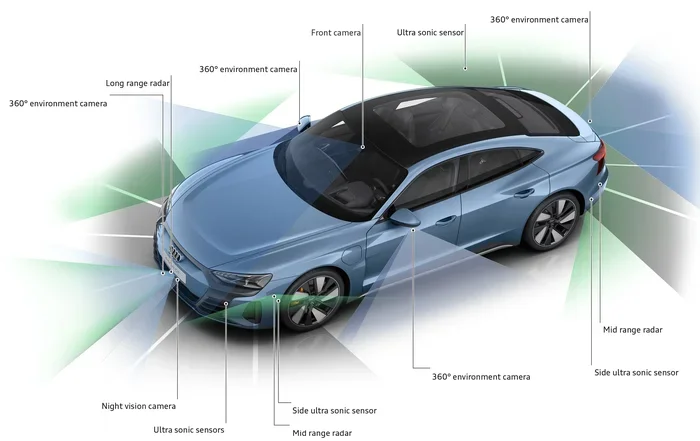
The sensors are typically small modules embedded in the rear bumper. They use ultrasonic technology to measure the distance between your car and nearby objects. When you reverse and get close to something, the sensors send out sound waves that bounce off objects and return to the sensor module.
The system calculates the distance based on the time it takes for the sound waves to return. As you get closer to an obstacle, the beeping tone increases in frequency. This gives you a clear audio warning that you are running out of space.
The Display and Alert System
The display unit is where everything comes together. It shows the live camera feed along with dynamic guide lines that move as you steer. The parking sensor alerts are usually integrated into the same screen or played through your car’s audio system.
Some advanced driver assistance system setups even overlay color-coded zones on the screen. Green means you have plenty of room. Yellow means you are getting closer. Red means stop immediately. This visual feedback makes it incredibly easy to judge your distance from objects behind you.
Key Benefits of Driving With a Rear Camera and Sensor
Adding a car rear camera with sensor to your vehicle brings several real-world benefits. These are not just nice-to-have features. They can genuinely prevent accidents and make your driving experience smoother and more enjoyable.
1. Prevents Back-Up Collisions
Back-up collisions are one of the most common types of low-speed accidents. A car rear camera with sensor helps you avoid these situations entirely. The live video feed shows you exactly what is behind your car, and the sensors alert you if you are getting too close. This is especially helpful in crowded parking lots where pedestrians, shopping carts, and other cars are everywhere.
2. Makes Parallel Parking Easier
Parallel parking is a challenge for many drivers. With a parking assistance technology system built into your rear camera setup, you can park with much more confidence. The camera gives you a clear view of the curb and nearby cars, while the sensors beep when you are at the right distance from the vehicle in front of you.
3. Protects Children and Pets
If you have children or pets at home, a rear camera system is a must-have. Kids and small animals can be hard to see from the driver’s seat. A car rear camera with sensor ensures you know exactly what is behind your car before you start moving. This added layer of awareness can prevent tragic accidents in driveways and garages.
4. Reduces Stress While Driving
Driving should feel easy, not stressful. When you know you have a reliable vehicle safety technology system watching your back, you feel more confident on the road. You can reverse into tight spaces without the constant anxiety of scraping a wall or hitting a pole. Over time, this reduces driving fatigue and makes every trip more pleasant.
5. Helps With Trailer and Cargo Hauling
If you regularly tow a trailer or carry large cargo, a rear camera system is invaluable. The wide view helps you align your trailer with a hitch or navigate narrow loading docks. The sensors also help you avoid hitting low obstacles like fences, walls, or garage doors when your view is blocked by the cargo itself.
Types of Car Rear Cameras With Sensors
Not all car rear camera with sensor systems are the same. There are several types available, each with its own strengths. Understanding the differences helps you choose the right system for your vehicle and driving style.
| Type | How It Works | Best For | Price Range |
|---|---|---|---|
| Ultrasonic Sensor System | Uses sound waves to detect distance to objects | Parking assistance and obstacle detection | $50 – $200 |
| Radar-Based Sensor System | Uses radio waves for more accurate distance measurement | Advanced driver assistance and blind spot detection | $150 – $500 |
| Camera-Only System | Provides video feed without proximity alerts | Basic visibility improvement | $30 – $150 |
| Combined Camera and Sensor | Integrates video feed with proximity alerts and guide lines | Full rear visibility and safety coverage | $100 – $400 |
| Integrated OEM System | Factory-installed system with full vehicle integration | New car buyers wanting a seamless experience | Included with vehicle |
Ultrasonic Sensor Systems
Ultrasonic systems are the most common type found in vehicles today. They use small sensors in the rear bumper that emit sound waves. These systems are reliable, affordable, and effective for most everyday driving situations. They work well in all weather conditions, though heavy rain or snow can occasionally affect performance.
Radar-Based Sensor Systems
Radar sensors use radio waves instead of sound waves. They offer more precise distance measurement and can detect objects at slightly longer ranges. These systems are often found in higher-end vehicles and are frequently paired with collision avoidance system features. They tend to be more expensive but offer superior accuracy.
Camera-Only vs. Combined Systems
A camera-only reverse camera gives you a visual feed but no proximity alerts. It is a good budget option if you mainly want to see behind your car. A combined system gives you both the visual feed and the audio alerts from the sensors. For most drivers, the combined system offers the best value and the most complete safety coverage.
How to Choose the Best Rear Camera System for Your Car
Choosing the right car rear camera with sensor can feel overwhelming with so many options on the market. Here are the key factors to consider before making a purchase.
Consider Your Vehicle Type
The size and shape of your vehicle matter. A large SUV or truck needs a camera with a wider field of view than a compact sedan. Make sure the system you choose matches the dimensions of your car. If you tow trailers, look for systems that include dynamic guide lines that adjust as you steer.
Check Compatibility With Your Car
Not every system fits every vehicle. Some car camera installation kits come with universal mounting brackets that work with most cars. Others are designed for specific makes and models. Check compatibility before you buy, and look for kits that include all the wiring harnesses and mounting hardware you need.
Look for Key Features
When comparing systems, look for these important features:
- High resolution display: A clear image makes it easier to spot small objects and pedestrians.
- Night vision capability: This is essential if you frequently drive or park in low-light conditions.
- Dynamic guide lines: These lines move as you steer, giving you a better sense of your turning radius.
- Adjustable sensor sensitivity: You can fine-tune how close an object needs to be before the alert activates.
- Weather resistance: Make sure the camera and sensors are rated for outdoor exposure and all-weather use.
- Easy integration with your factory head unit: Some systems can connect directly to your existing car stereo screen.
Set a Realistic Budget
Good car safety equipment does not have to break the bank. Basic camera-only systems can be found for under $100. Combined camera and sensor kits typically range from $100 to $400. Premium systems with advanced features like rear cross traffic alert can cost more but offer significantly enhanced safety.
Think of it this way. The cost of a rear camera system is a small fraction of what you might pay for a single bumper repair after a backing collision. It is one of the smartest investments you can make for your vehicle and your peace of mind.
Installation Tips and Common Mistakes to Avoid
Installing a car rear camera with sensor is a project many DIY enthusiasts can handle. However, there are some common mistakes that can cause problems down the road. Here is what you need to know to get the job done right.
Quick Installation Tips
- Plan your wiring route carefully. Run cables along existing harness paths to keep things clean and protected.
- Mount the camera at the right height. The camera lens should be centered and angled to capture the full rear view without tilting too far up or down.
- Test the system before finalizing the install. Connect everything temporarily first to make sure the image is clear and the sensors are working properly.
- Use weatherproof connectors. Since the camera is exposed to the elements, waterproof connections prevent corrosion and signal loss.
- Secure all cables with zip ties. Loose wires can rattle, snag, or get damaged over time.
- Adjust sensor sensitivity after installation. Park near a known object and fine-tune the beep distance to match your comfort level.
Common Mistakes to Avoid
One of the biggest mistakes is choosing a camera with poor low-light performance. If you often drive at dusk or in the evening, a night vision backup camera is essential. Another common error is ignoring the wiring. Cheap or improperly connected wiring can cause flickering screens, false sensor alerts, or even electrical issues with your car.
Some people also skip calibrating the system after installation. Taking a few extra minutes to adjust the camera angle and sensor sensitivity makes a huge difference in how well the system performs in real-world driving.
When to Hire a Professional
If you are not comfortable working with your car’s electrical system, it is perfectly fine to hire a professional for the car camera installation. Many auto shops and electronics stores offer installation services for a reasonable fee. A professional installer will ensure everything is wired correctly and calibrated properly, giving you peace of mind that the system works as intended.
Expert Insights on Rear Camera Safety
We spoke with automotive safety experts to understand the real impact of car rear camera with sensor technology on accident prevention. Their insights reinforce what the data shows.
“The combination of a rear camera and proximity sensors addresses both the visual and spatial blind spots that exist behind every vehicle,” says Dr. Sarah Chen, a vehicle safety researcher. “When drivers have both a live video feed and audio distance alerts, their reaction time improves significantly. This is especially critical in residential areas where children and pets are present.”
According to the National Highway Traffic Safety Administration, back-up cameras have helped reduce reverse-related accidents by a notable margin since they became mandatory in new vehicles. Adding sensor technology to that equation makes the safety improvement even more pronounced.
Experts also emphasize that a car rear camera with sensor works best when drivers develop the habit of using it every time they reverse. It should become second nature, just like checking your side mirrors before changing lanes.
Key Takeaways for Safe Driving With a Rear Camera System:
- Always use your rear camera and sensors when reversing, even in familiar areas.
- Do not rely solely on the system. Walk around your car before backing up when possible.
- Keep the camera lens clean for the best image quality.
- Regularly check your sensor calibration, especially after bumper repairs or replacements.
- Combine your rear camera system with good driving habits for maximum safety.
Conclusion
A car rear camera with sensor is one of the simplest and most effective upgrades you can make to your vehicle. It gives you a clear view behind your car, alerts you to obstacles, and helps prevent costly and dangerous collisions. Whether you are a new driver or have been driving for decades, this technology adds a layer of confidence and safety that is hard to put a price on.
From ultrasonic sensor systems to advanced radar-based setups, there is a car rear camera with sensor solution for every budget and vehicle type. The benefits are clear: fewer backing accidents, easier parking, better protection for children and pets, and less stress on the road.
If you have not yet upgraded your vehicle with a rear camera and sensor system, now is the time. The investment is small compared to the peace of mind and safety it provides. Take the next step toward safer driving and make car safety features like a rear camera system a priority in your vehicle today.
Frequently Asked Questions
Can I install a car rear camera with sensor myself?
Yes, many aftermarket kits are designed for DIY installation and come with detailed instructions. If you are comfortable with basic wiring and have a few common tools, you can likely handle the installation yourself. However, if you are unsure, hiring a professional is always a safe option.
Do rear camera sensors work in bad weather?
Most ultrasonic sensors work reliably in rain, snow, and fog. However, heavy buildup of snow or mud on the sensors can temporarily reduce their effectiveness. Keeping the rear bumper sensors clean ensures consistent performance in all weather conditions.
How much does a car rear camera with sensor system cost?
Basic camera-only systems start around $30 to $50. Combined camera and sensor kits typically range from $100 to $400. Premium systems with advanced features like rear cross traffic alert and night vision can cost $400 or more. The price depends on the brand, features, and resolution quality.
Is a car rear camera with sensor worth the investment?
Absolutely. The cost of a rear camera system is far less than the cost of repairing a bumper, fender, or body panel after a backing collision. Beyond the financial savings, it provides invaluable peace of mind, especially if you have children, pets, or frequently park in crowded areas.
Can a rear camera system be added to older vehicles?
Yes, many aftermarket systems are designed to work with older vehicles. Universal kits are available that can be connected to most dashboard screens or aftermarket monitors. The key is to choose a system that is compatible with your vehicle’s electrical setup and screen type.
What should I look for when buying a rear camera with sensor?
Look for high resolution, night vision capability, dynamic guide lines, adjustable sensor sensitivity, and weather resistance. Also check that the system is compatible with your vehicle and that it includes clear installation instructions. Reading user reviews can also help you find a reliable and well-performing system.