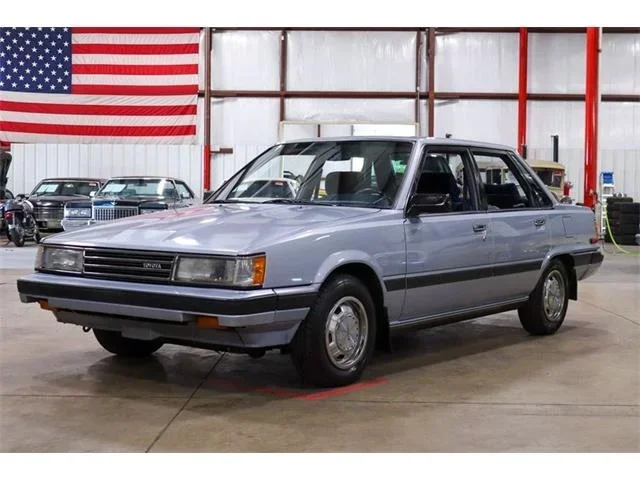
Can a Toyota Camry Last 30 Years The Surprising Answer
The Toyota Camry is widely regarded as one of the most durable sedans on the road. So, can a Toyota Camry last 30 years? The answer is a resounding yes, with many owners surpassing 300,000 miles and keeping their Camrys for decades. Proper maintenance, gentle driving, and timely repairs are the key ingredients that unlock this legendary Toyota Camry longevity.
The Toyota Camry has earned a reputation as one of the most dependable sedans ever built. So, can a Toyota Camry last 30 years? Many owners prove it can, with some Camrys rolling past 300,000 miles and still running strong. This Toyota Camry longevity isn’t a fluke; it’s the result of solid engineering and proper care. In this guide, we’ll break down exactly what it takes to keep a Camry on the road for three decades or more.
You might be wondering why the Camry keeps showing up on lists of longest-lasting cars. The answer lies in a combination of simple design, high-quality parts, and a loyal owner base that follows maintenance schedules. Whether you’re considering a used Camry or already own one, understanding its potential lifespan can help you make smart decisions.
Key Takeaways
- Yes, a Camry can last 30 years: With consistent care, many Camrys easily reach 300,000 miles and beyond.
- Maintenance is the biggest factor: Regular oil changes, fluid flushes, and prompt repairs dramatically extend engine life.
- Older generations are often more durable: The 4th and 5th generation Camrys (1997–2006) are famous for their bulletproof reliability.
- Driving habits matter: Gentle acceleration and avoiding short trips reduce wear on the engine and transmission.
- A 30-year-old Camry can be a smart buy: Low mileage examples often sell for a fraction of newer models and still deliver years of service.
- Common issues are manageable: Problems like valve cover g leaks or suspension wear are inexpensive to fix when caught early.
📑 Table of Contents
- The Real Lifespan of a Toyota Camry
- Milestones: What Happens at 100k, 200k, and 300k Miles
- The Maintenance Secrets That Add Years to Your Camry
- Toyota Camry Generations: Which Ones Last the Longest?
- Can a Toyota Camry Really Last 30 Years?
- Is a 30-Year-Old Toyota Camry Worth Buying Today?
- Conclusion
The Real Lifespan of a Toyota Camry
What the Data Shows
When we talk about Toyota Camry lifespan, we look at real-world data from owners and mechanic surveys. The average Camry lasts between 200,000 and 300,000 miles with normal care. Some well-maintained examples push past 400,000 miles. That translates to roughly 15 to 20 years of daily driving, and with the right habits, 30 years is absolutely within reach.
The Camry’s engine durability is a huge factor. Toyota designs these engines with a oversquare bore and short stroke, which reduces stress on internal components. The inline-4 and V6 engines both benefit from a simple, robust architecture that doesn’t have exotic parts prone to failure. This simplicity is a core reason why the Camry has such an impressive car longevity record.
Why the Camry Outlasts the Competition
Compared to many rivals, the Camry uses proven technology rather than cutting-edge gimmicks. Toyota focuses on reliability over flash. The result is a vehicle that may not win beauty contests every year, but it keeps running. Owners who prioritize high mileage Toyota Camry ownership often cite the low cost of parts and the abundance of mechanics who know these cars inside and out.
If you’re curious about the absolute ceiling, check out Can a Camry Last 500K Miles for detailed data on extreme-mileage Camrys.
Milestones: What Happens at 100k, 200k, and 300k Miles
100,000 Miles: The First Major Hurdle
At 100,000 miles, a Camry typically needs its first major service items. The timing belt (on many models) or timing chain should be inspected. Coolant, transmission fluid, and brake fluid often need changing. Spark plugs are also due. Completing these services on schedule sets the stage for the next 200,000 miles.
Many owners worry about engine wear at this point, but a well-cared-for Camry engine shows very little fatigue. The key is using Toyota-recommended oil and keeping up with the maintenance schedule.
200,000 Miles: The Sweet Spot
Reaching 200,000 miles is a milestone that many Camrys achieve without major issues. At this point, you might notice minor wear on suspension components like struts and control arm bushings. These are normal and inexpensive to replace. The engine and transmission usually remain strong, proving the Toyota reliability that the brand is known for.
This is also the stage where a used Camry becomes an incredible value. A 200,000-mile Camry with full service records can easily last another 100,000 miles with basic care.
300,000 Miles and Beyond
At 300,000 miles, a Camry is a true survivor. Owners often report that the biggest expenses are cosmetic and related to rubber bushings and seals drying out. The engine may use a tiny bit of oil, but that’s normal for any high-mileage vehicle. The transmission, if serviced regularly, continues to shift smoothly.
For a deeper look at Camry mileage records, see Can a Toyota Camry Go to 500,000 Miles for inspiring real-world stories.
- Always warm up the car gently before hard driving.
- Check the oil level every two weeks.
- Avoid short trips that don’t let the engine fully warm up.
- Keep a log of every service and repair.
The Maintenance Secrets That Add Years to Your Camry
Oil Changes and Fluid Checks
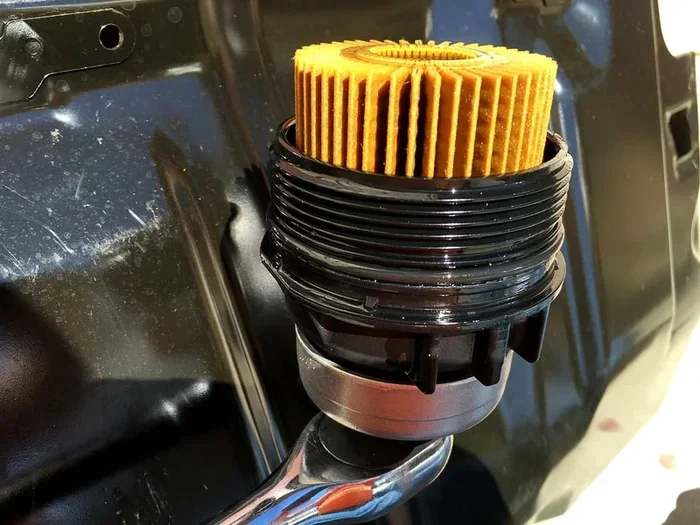
The single most important thing you can do is change the oil regularly. Toyota recommends every 5,000 to 7,500 miles with conventional oil, or 10,000 miles with full synthetic. Clean oil prevents sludge buildup and keeps the engine internals lubricated. This simple habit is the foundation of Camry maintenance that leads to a 30-year life.
Don’t forget other fluids. Transmission fluid should be changed every 60,000 miles. Coolant needs flushing every 100,000 miles. Brake fluid absorbs moisture over time and should be replaced every two years. These steps prevent internal corrosion and keep all systems working properly.
Timing Belt and Drive Belt Replacement
On older Camry models with a timing belt, replacing it at the manufacturer’s interval (usually around 60,000 to 90,000 miles) is critical. A broken timing belt can destroy the engine. The good news is that this is a scheduled maintenance item, and doing it on time is far cheaper than repairing a damaged engine. The serpentine drive belt should also be inspected and replaced when it shows cracking.
Addressing Small Problems Before They Grow
One of the biggest common mistakes is ignoring small leaks or unusual noises. A tiny oil seep from a valve cover gasket can become a major mess if left unchecked. A slight vibration at idle might indicate a motor mount that’s wearing out. Catching these issues early keeps repair costs low and prevents cascading damage. This proactive approach is what separates Camrys that last 30 years from those that don’t.
Many owners ask, Can Toyota Last 500,000 Miles, and the answer is a clear yes with discipline and consistent care.
Toyota Camry Generations: Which Ones Last the Longest?
The Camry has gone through many generations, and some are known for exceptional durability. Here’s a quick comparison of the key eras.
| Generation | Years | Engine Options | Typical Lifespan | Reputation |
|---|---|---|---|---|
| 4th Gen | 1997–2001 | 2.2L 4-cyl, 3.0L V6 | 250k–400k miles | Bulletproof, simple |
| 5th Gen | 2002–2006 | 2.4L 4-cyl, 3.3L V6 | 250k–350k miles | Refined, very reliable |
| 6th Gen | 2007–2011 | 2.4L 4-cyl, 3.5L V6 | 200k–300k miles | Good, more complex |
| 7th Gen | 2012–2017 | 2.5L 4-cyl, 3.5L V6 | 200k–300k miles | Modern, feature-rich |
| 8th Gen | 2018–Present | 2.5L 4-cyl, Hybrid | Still being proven | Efficient, new tech |
The 4th and 5th Generations (1997–2006)
These generations are often called the golden age of the Camry. They used simple, proven engines with no direct injection or complex variable valve timing. The 2.2L 4-cylinder is legendary for lasting well past 300,000 miles with just basic maintenance. The 3.0L V6 is equally durable. Many 30-year-old Camry examples on the road today come from these generations.
The 6th and 7th Generations (2007–2017)
These models added more technology, which can sometimes mean more things to go wrong. However, the 2.5L 4-cylinder engine in the 6th and 7th generations remains very reliable. The 3.5L V6 is also strong. The key is staying on top of the more complex Camry maintenance schedule that includes electronic updates and additional fluid checks.
The 8th Generation (2018–Present)
The newest Camrys are built with the latest materials and hybrid technology. The hybrid system adds an electric motor and battery, which can actually reduce engine wear. These cars are too new to have a 30-year track record, but early data suggests they will match or exceed the longevity of previous generations. The Camry hybrid longevity is promising, especially because the electric motor reduces the workload on the gas engine.
Can a Toyota Camry Really Last 30 Years?
Real-World Examples
Yes, there are countless documented cases of Camrys reaching 30 years of age. Owners have shared stories of 1990s Camrys with over 350,000 miles that still start every time and run smoothly. The key is that these cars were never neglected. They received regular oil changes, timely belt replacements, and immediate attention to any leaks or noises.
A 30-year-old Camry today is often a 5th or 6th generation model. These cars were built with thicker metal, simpler electronics, and engines that are easier to work on. That simplicity is a blessing when you’re trying to reach the three-decade mark.
Factors That Determine Longevity
Several factors decide whether a Camry will make it to 30 years:
- Maintenance consistency: Sticking to the service schedule is the single biggest factor.
- Climate: Cars in dry, temperate climates tend to last longer than those in harsh winter or coastal salt environments.
- Driving style: Gentle acceleration and smooth braking reduce stress on the engine, transmission, and brakes.
- Storage conditions: Keeping the car garaged or covered protects the paint, seals, and rubber components from UV and weather damage.
- Quality of repairs: Using OEM or high-quality aftermarket parts and skilled mechanics ensures that fixes don’t create new problems.
Is a 30-Year-Old Toyota Camry Worth Buying Today?
Pros of Buying an Old Camry
A 30-year-old Camry can be an incredible value. The purchase price is often just a few thousand dollars, and insurance costs are low. Parts are still widely available because the Camry is so popular. Mechanics everywhere know these cars, so you’re never stuck looking for a specialist. The Camry resale value also holds up well, meaning you can sell it later without a big loss.
Cons and Risks
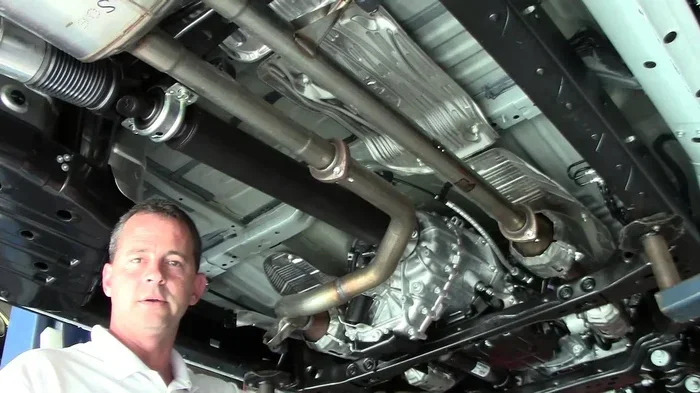
The main risk is rust. Older Camrys can develop rust in the wheel wells, rocker panels, and undercarriage if they weren’t protected. Rubber bushings and seals become brittle over time, leading to squeaks and vibrations. You might also face higher fuel consumption compared to a newer model, and the lack of modern safety features like backup cameras and stability control is a real consideration.
What to Inspect Before Purchase
Before buying a 30-year-old Camry, have a mechanic perform a thorough inspection. They should check for engine compression, transmission slip, suspension wear, and rust. A compression test will tell you if the engine rings are still healthy. Checking the underside for rust is critical, especially in northern states. Always ask for service records; a Camry with a full history is far more likely to reach another 30 years.
Conclusion
The answer to can a Toyota Camry last 30 years is a definitive yes. The Camry’s combination of simple engineering, high-quality materials, and Toyota’s reputation for reliability makes it one of the longest-lasting cars you can buy. With consistent maintenance, gentle driving, and prompt attention to small issues, your Camry can easily serve you for three decades or more.
If you’re looking for a reliable daily driver that will last, the Camry is hard to beat. Whether you buy a newer model and care for it from day one, or find a well-maintained older example, you’re investing in a vehicle that rewards you with years of dependable service. The Toyota Camry longevity story is real, and it’s waiting for you to be part of it.
Frequently Asked Questions
What is the average lifespan of a Toyota Camry?
With proper maintenance, a Toyota Camry typically lasts between 200,000 and 300,000 miles. Many owners push that past 300,000 miles, and some reach 400,000 miles. That translates to 15 to 20 years of normal driving, and with exceptional care, 30 years is absolutely possible.
How can I make my Camry last longer?
Follow the manufacturer’s maintenance schedule, change the oil every 5,000 to 7,500 miles, and replace fluids like coolant and transmission fluid on time. Drive gently, avoid short trips that don’t let the engine warm up fully, and address any leaks or unusual noises immediately. These simple habits dramatically extend Toyota Camry lifespan.
Are older Camrys more reliable than newer ones?
Older generations like the 4th and 5th gen (1997–2006) are often considered more reliable because they use simpler technology with fewer electronic components. They have fewer things to break. Newer Camrys are more efficient and comfortable, but their added complexity can lead to more potential issues. That said, the 8th generation is already proving very reliable.
Can a Camry last 500,000 miles?
Yes, some Camrys have reached 500,000 miles, but this requires exceptional care and often a bit of luck. The engine and transmission must be in top shape, and the car must be driven gently and maintained meticulously. For detailed examples, check out the data on Camrys that have hit the 500k mark.
Is it worth buying a 30-year-old Camry?
It can be worth it if the car has a clean history, no rust, and a well-documented service record. A 30-year-old Camry with low mileage is a rare find and can provide many more years of service. Just budget for inevitable rubber and seal replacements as the car ages.
What are the most common problems on a 20-year-old Camry?
The most common issues include valve cover gasket leaks, worn suspension bushings, exhaust manifold cracks, and minor electrical gremlins. These are all inexpensive and straightforward repairs. Regular inspections catch them early, keeping the car on the road for many more years.