How Do I Know If My Cabin Air Filter Needs Replacing
How Do I Know If My Cabin Air Filter Needs Replacing is a must-know for every driver. A dirty cabin air filter can cause musty smells, weak airflow, and allergy flare-ups inside your car. You can check it yourself in minutes and spot the warning signs early. Replacing it on schedule keeps your car’s air quality fresh and your HVAC system running smoothly. Don’t wait until you feel sick or smell something odd—learn the top signs now.
Key Takeaways
- Reduced airflow from vents: A clogged cabin air filter starves your car of fresh air, making the blower work harder.
- Persistent musty or dusty odor: If your car smells stale even with fresh vents, the filter is likely full of debris.
- Increased allergy symptoms on the road: Pollen, dust, and mold spores pass through a dirty filter, triggering sneezing and itchy eyes.
- Visible dirt and debris on inspection: A quick look inside the filter housing shows if it’s time to replace cabin air filter.
- Unusual noises from the blower motor: A strained motor caused by a clogged filter can whine or rattle.
- Follow the maintenance schedule: Most car maintenance guides suggest replacing the cabin filter every 12,000 to 15,000 miles or once a year.
- You can do a DIY check: No mechanic is needed—locate the filter, remove it, and inspect it yourself.
📑 Table of Contents
- What Is a Cabin Air Filter and Why Does It Matter?
- 5 Clear Signs Your Cabin Air Filter Needs Replacing
- How Often Should You Replace Your Cabin Air Filter?
- Step-by-Step: Checking Your Cabin Air Filter Yourself
- Can You Clean a Cabin Air Filter Instead of Replacing It?
- The Hidden Dangers of a Clogged Cabin Air Filter
- Common Mistakes to Avoid When Replacing Your Cabin Air Filter
- Key Takeaways
What Is a Cabin Air Filter and Why Does It Matter?
Your cabin air filter is a small but mighty part of your car’s HVAC system. It sits behind the glove box or under the hood and traps pollen, dust, smog, and other debris before they enter the passenger cabin. Without it, every breath you take while driving would be filled with airborne particles. Think of it as a vacuum cleaner for the air inside your car.
A clean cabin filter keeps the air fresh and helps people with allergies stay comfortable. When it gets clogged, the whole system suffers. You might notice weak airflow, strange smells, or even a whistling sound from the vents. That’s why knowing how do I know if my cabin air filter needs replacing is so important. A simple check can save you from discomfort and costly repairs down the road.
The Role of the Cabin Air Filter in Your Car
Every time you turn on the fan or air conditioning, air passes through this filter. It catches leaves, bugs, dust, and even tiny soot particles. Over time, all that gunk builds up and blocks the filter. A blocked filter forces the blower motor to work harder, which can shorten its life. Keeping the filter clean is a key part of car maintenance that many drivers overlook.
How a Dirty Filter Affects Air Quality and Health
Breathing in unfiltered air can trigger allergies, headaches, and fatigue. If you have asthma or sinus issues, a dirty cabin air filter can make symptoms worse. The filter also stops mold spores from entering the cabin. When the filter is saturated, moisture can build up and create a musty environment. That’s one of the first clues that it’s time to replace cabin air filter.
5 Clear Signs Your Cabin Air Filter Needs Replacing
You don’t need a mechanic to tell you when something’s wrong with your cabin filter. Your car gives you plenty of warning signs. Here are the five most common indicators that your cabin air filter is due for a swap.
Sign 1: Reduced Airflow from the Vents
Have you noticed the air feels weak, even on high fan speed? A clogged cabin air filter restricts the amount of air that can pass through. You might feel a noticeable drop in airflow when you first turn on the heater or air conditioner. This is often the first sign drivers catch. If the vents seem to barely push air, check the filter before you blame the blower motor.
Sign 2: A Musty or Dusty Smell Inside the Car
A dirty filter can hold moisture and old debris, which leads to a stale, moldy odor. If your car smells musty no matter how much you clean the interior, the cabin filter is the likely culprit. Does changing the cabin air filter make the car smell better? Absolutely. A fresh filter removes trapped odors and brings back that clean, new-car scent. You can read more about that in our guide Does Changing The Cabin Air Filter Make The Car Smell Better.
Sign 3: Increased Allergy Symptoms on the Road
If you find yourself sneezing, coughing, or getting itchy eyes while driving, your cabin air filter might be failing. A dirty filter lets pollen, dust, and other allergens pass right through. This is especially bad during spring or fall when pollen counts are high. Replacing the filter can bring quick relief and make your daily commute much more comfortable.
Sign 4: Unusual Noises from the Blower Motor
A strained blower motor can whine, rattle, or make a high-pitched sound. When the cabin air filter is clogged, the motor pulls extra current to push air through the blockage. Over time, this extra strain can burn out the motor. If you hear strange noises when you turn on the fan, inspect the filter right away.
Sign 5: Visible Dirt and Debris on the Filter
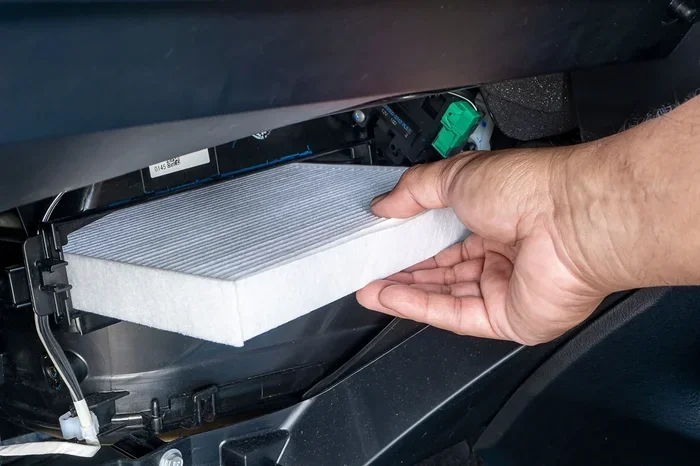
Sometimes the best way to know is to just look at it. Open the filter housing and pull out the old cabin filter. If it looks gray, caked with dust, or has leaves stuck in it, it’s definitely time for a new one. A clean filter should appear white or light gray with no major debris. This visual check is the most direct answer to how do I know if my cabin air filter needs replacing.
How Often Should You Replace Your Cabin Air Filter?
The general rule is to replace your cabin air filter every 12,000 to 15,000 miles or once a year, whichever comes first. However, driving conditions can change that timeline. If you drive on dusty roads, in heavy traffic, or in areas with lots of pollen, you may need to swap it more often. The owner’s manual for your specific vehicle will give you the exact filter replacement interval.
Factors That Shorten Filter Life
Several things can make your cabin filter clog faster:
- Driving on unpaved or gravel roads
- Living in a dry, dusty climate
- Heavy city traffic with lots of exhaust fumes
- Allergy season with high pollen counts
- Frequent use of the air conditioner or heater
If any of these apply to you, check your filter every 6 months. A little extra attention can keep your car’s air quality top-notch.
The Cost of Ignoring the Replacement Schedule
Skipping a dirty filter might save a few minutes now, but it can cost more later. A clogged filter makes the blower motor work harder, which can lead to early motor failure. That repair is far more expensive than a simple cabin air filter replacement. Plus, poor air quality can affect your focus and health on long drives. Staying on top of this small maintenance schedule keeps both you and your car happy.
Step-by-Step: Checking Your Cabin Air Filter Yourself
You don’t need a mechanic or fancy tools to check your cabin air filter. Most cars have a simple access panel that lets you inspect and swap the filter in under 10 minutes. Here’s how to do it yourself.
Step 1: Locate the Filter Housing
The filter is usually found behind the glove box or under the dashboard on the passenger side. Some vehicles have it under the hood near the windshield. Check your owner’s manual for the exact spot. Once you find the housing, you’ll typically see a few clips or screws holding it in place.
Step 2: Remove the Old Filter
Open the housing by unclipping the tabs or loosening the screws. Carefully pull out the old cabin filter. Note which direction the airflow arrow is pointing so you install the new one correctly. Take a moment to look at the old filter—this gives you a clear picture of what’s been caught inside your car’s ventilation system.
Step 3: Inspect and Compare
Hold the old filter up to the light. If you can’t see light through it, it’s definitely time to replace it. Compare it to the new filter that came in the box. You’ll often see a big difference in color and thickness. This simple comparison answers how do I know if my cabin air filter needs replacing better than any guesswork.
Step 4: Install the New Filter
Slide the new filter in with the airflow arrow facing the correct direction. Make sure it sits snugly in the housing without any gaps. Reattach the clips or screws, and you’re done. It’s that easy. For a more detailed walkthrough, check out our guide Can You Clean A Cabin Air Filter Instead Of Replacing It, which also covers maintenance options.
Can You Clean a Cabin Air Filter Instead of Replacing It?
Some drivers wonder if they can just wash and reuse their cabin air filter. The answer depends on the type of filter your car uses. Most factory cabin filters are made of paper or fibrous material and are not designed to be cleaned. Washing them can damage the filter media and reduce its ability to trap particles. However, some aftermarket filters are washable and reusable.
When Cleaning Is an Option
If you have a reusable cabin air filter made of foam or cotton, you can gently rinse it with water and let it dry completely before reinstalling. Never use a high-pressure washer, as it can tear the filter material. Always let it dry fully to prevent mold growth. For most standard paper filters, cleaning is not recommended. Do I really need to change synthetic oil every 6 months? That’s a separate maintenance topic, but the principle is the same—stick to the recommended replacement schedule for best results.
Quick Tips for Extending Filter Life
While you can’t reuse a paper filter, you can take steps to keep it cleaner longer:
- Park in a garage or covered area when possible
- Avoid driving through deep puddles or dusty construction zones
- Run the fresh air mode for a few minutes before using recirculation
- Vacuum the filter housing when you change the engine oil
These small habits reduce the load on your cabin filter and help it last closer to the recommended mileage.
The Hidden Dangers of a Clogged Cabin Air Filter
A dirty cabin air filter doesn’t just make the air smell bad. It can create real problems for your car and your health. Many drivers don’t realize how many systems depend on clean airflow.
Strain on the Blower Motor and HVAC System
When the filter is blocked, the blower motor has to push air through a dense wall of dust and debris. This extra effort causes the motor to draw more electrical current and run hotter. Over time, the motor can overheat and fail. Replacing a blower motor costs far more than a cabin air filter. Keeping the filter clean is an easy way to protect this expensive component.
Reduced Fuel Efficiency
A struggling blower motor doesn’t just affect your comfort—it can also impact fuel economy. The motor draws power from the engine, and when it’s working harder, your engine uses more fuel. While the effect is small, it adds up over time. A clean cabin filter helps your entire vehicle run more efficiently.
Moisture Buildup and Mold Growth
A clogged filter traps moisture from condensation, especially when you use the air conditioner. This damp environment is perfect for mold and mildew to grow. The mold spores then blow into your cabin every time you turn on the fan. This can cause respiratory issues and a persistent musty odor. If you’ve ever wondered why your car smells like a damp basement, a dirty cabin filter is a prime suspect.
Common Mistakes to Avoid When Replacing Your Cabin Air Filter
Even a simple task like changing a cabin air filter can go wrong if you’re not careful. Avoid these common mistakes to get the best results.
Installing the Filter Backwards
Every cabin filter has an airflow arrow printed on the side. If you install it backwards, air will struggle to pass through and the filter won’t work properly. Always match the arrow direction to the airflow path in your car’s ventilation system.
Forgetting to Check the Filter Housing
Before you slide the new filter in, take a quick look at the housing. Remove any leaves, dirt, or debris that may have collected there. A clean housing ensures the new filter lasts longer and works efficiently. A damp housing can also lead to mold on the new filter, so dry it out if needed.
Using the Wrong Filter Size
Not all cabin air filters are the same size, even among the same car model year. Always double-check your owner’s manual or the part number on the old filter before ordering a replacement. A filter that’s too small will let unfiltered air bypass it, and one that’s too big won’t fit properly.
Key Takeaways
How Do I Know If My Cabin Air Filter Needs Replacing comes down to a few simple checks and observations. Watch for reduced airflow, musty smells, allergy flare-ups, strange blower noises, and visible dirt on the filter. Stick to the recommended replacement interval of every 12,000 to 15,000 miles or once a year. A quick DIY inspection takes only minutes and can save you from bigger repairs. Keep your cabin filter clean and your car’s air quality fresh for a healthier, more comfortable ride.
Frequently Asked Questions
What happens if you don’t replace your cabin air filter?
Skipping replacement leads to a clogged filter that restricts airflow, makes the blower motor work harder, and lets dust and allergens into the cabin. Over time, this can cause musty odors, reduced cooling performance, and even early motor failure. The cost of a new filter is tiny compared to fixing a damaged blower motor.
Can I drive with a bad cabin air filter?
Yes, you can still drive, but it’s not comfortable or healthy. A bad filter reduces air quality, makes the interior smell stale, and can trigger allergies or fatigue. In extreme cases, a severely clogged filter can strain the blower motor and lead to a breakdown. It’s best to replace it as soon as you notice the signs.
How much does it cost to replace a cabin air filter?
A cabin air filter typically costs between $15 and $50 for the part, and many dealerships or quick-lube shops will install it for a small labor fee. If you do it yourself, you only pay for the filter. This is one of the cheapest and easiest car maintenance tasks you can do.
Where is the cabin air filter located?
Most vehicles have the filter located behind the glove box on the passenger side. Some models hide it under the dashboard or near the windshield on the passenger side. Check your owner’s manual for the exact location. The housing is usually held by clips or a few small screws.
How long does a cabin air filter last?
Under normal driving conditions, a cabin air filter lasts about 12,000 to 15,000 miles or one year. If you drive in dusty areas, on unpaved roads, or in heavy traffic, you may need to replace it every 6 months. Always inspect the filter visually to confirm its condition.
Is a cabin air filter the same as an engine air filter?
No, they are two different parts. The engine air filter cleans the air that goes into the engine for combustion, while the cabin air filter cleans the air that enters the passenger compartment. Both are important, but they serve completely different purposes. You’ll need to replace both on their own schedules.
=== CONCLUSION ===
How Do I Know If My Cabin Air Filter Needs Replacing is a simple question with a big impact on your daily driving comfort and health. A dirty cabin air filter can cause musty smells, weak airflow, allergy symptoms, and even strain your car’s blower motor. By watching for the five clear signs and checking your filter regularly, you can stay ahead of problems and keep your car’s air fresh. This small piece of car maintenance takes just minutes and pays off in better air quality and fewer repairs. Make it a habit to inspect your cabin filter at every oil change, and you’ll enjoy a cleaner, healthier ride for miles to come.