Do Toyota Sequoias Get Good Gas Mileage in Real Life
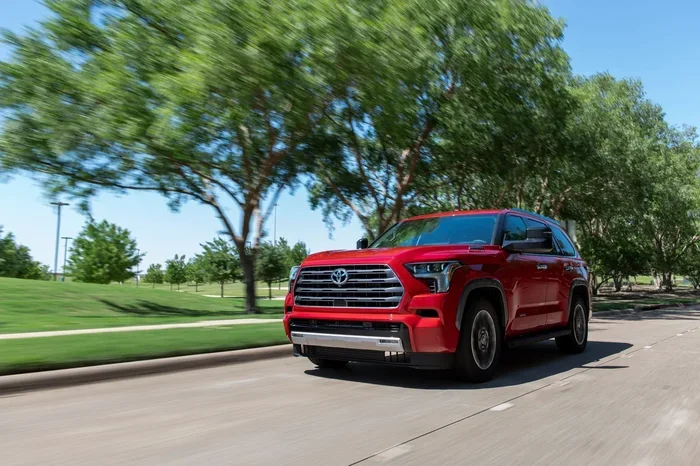
Do Toyota Sequoias get good gas mileage? The honest answer is that they are not fuel-efficient by small SUV standards. Most owners report 13 to 17 MPG in mixed driving. However, the Sequoia delivers strong towing power, reliability, and long-term durability that many drivers value more than fuel savings.
Let us talk about something every Toyota Sequoia owner thinks about at the pump. Do Toyota Sequoias get good gas mileage? It is a fair question, especially with gas prices swinging up and down. The Sequoia is a massive full-size SUV, and size matters when it comes to fuel consumption.
If you are shopping for a Sequoia or already own one, you want real answers. Not the ones from the brochure. The real numbers from real drivers. In this guide, we break down everything you need to know about Toyota Sequoia gas mileage. We cover city driving, highway driving, towing impact, and practical tips to squeeze more miles out of every gallon.
The short answer is that Sequoias do not win any fuel economy awards. But they do offer something that gas mileage alone cannot measure. They offer toughness, reliability, and the ability to haul a family and a trailer without breaking a sweat. Let us dig into the details.
Key Takeaways
- Toyota Sequoias average 13 to 17 MPG in real-world driving conditions, depending on the model year and trim.
- The 5.7L V8 engine is powerful but thirsty, especially during city driving and towing.
- Highway mileage is better than city mileage, with some owners reaching 19 MPG on open roads.
- Regular maintenance like oil changes and air filter replacements helps maximize fuel efficiency.
- The Sequoia holds its value well and can last over 200,000 miles with proper care, as discussed in our article on Can Toyota Last 500000 Miles.
- Hybrid alternatives like the Toyota Highlander Hybrid offer much better MPG if fuel economy is your priority.
- Comparing the Sequoia to other SUVs like the Ford F150 shows that large trucks and SUVs share similar fuel economy challenges.
📑 Table of Contents
- What MPG Does a Toyota Sequoia Actually Get?
- Why Does the Toyota Sequoia Use So Much Gas?
- Toyota Sequoia Gas Mileage by Model Year
- How to Improve Your Toyota Sequoia’s Gas Mileage
- Toyota Sequoia vs Other Large SUVs and Trucks
- Is the Toyota Sequoia Worth It Despite the Gas Mileage?
- Common Mistakes That Hurt Your Sequoia’s Fuel Economy
- Expert Insights on Large SUV Fuel Economy
- Final Thoughts on Toyota Sequoia Gas Mileage
What MPG Does a Toyota Sequoia Actually Get?
When we talk about Toyota Sequoia gas mileage, we need to look at the official EPA ratings first. Then we compare them with what real owners report on the road. The gap between these two numbers is where the truth lives.
EPA-Rated MPG for the Toyota Sequoia
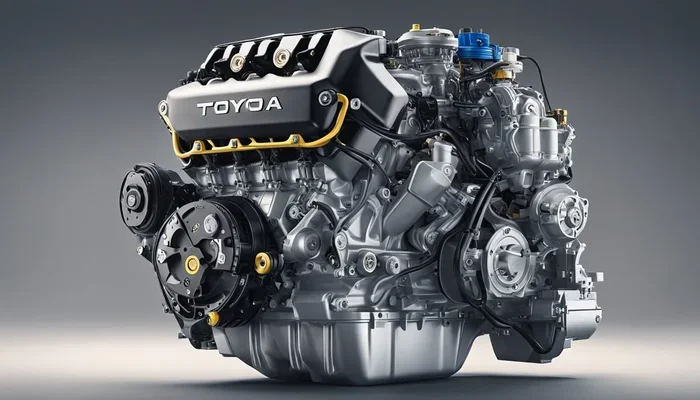
The Toyota Sequoia comes with a 5.7L V8 engine. This is a big, powerful engine that pushes a very large vehicle. The EPA rates the 2023 Sequoia at around 16 MPG in the city and 20 MPG on the highway. Combined, you are looking at roughly 17 MPG.
Older model years, especially the 2008 to 2019 versions, tend to be slightly less efficient. They were rated around 13 to 15 MPG combined. The newer models have seen small improvements thanks to updated engine technology and eight-speed automatic transmissions.
Real-World MPG From Owners
Here is where it gets interesting. Real-world MPG is almost always lower than EPA estimates. Most Sequoia owners on forums and fuel tracking apps report between 13 and 17 MPG in everyday driving.
City drivers often see 11 to 14 MPG. This makes sense because stop-and-go traffic is brutal on fuel economy. Highway drivers tend to see 16 to 20 MPG, especially if they maintain steady speeds and avoid heavy braking.
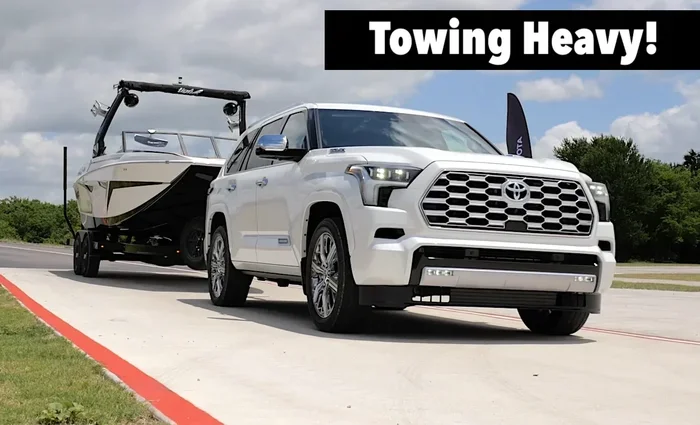
Towing is the biggest fuel economy killer. If you are hauling a boat or a trailer, expect your MPG to drop by 2 to 4 points. Some owners report as low as 10 MPG when pulling heavy loads up steep grades.
Why Does the Toyota Sequoia Use So Much Gas?
Understanding why the Sequoia drinks gas helps you set realistic expectations. Several factors work together to determine fuel economy. Let us break them down.
The Big V8 Engine
The 5.7L V8 is the heart of the Sequoia. It produces 381 horsepower and 401 lb-ft of torque. That is serious power. But big engines burn more fuel. There is no way around this physics lesson. The V8 is what gives the Sequoia its towing muscle and highway passing power, but it comes at a fuel cost.
Weight and Size
The Toyota Sequoia weighs over 5,800 pounds. That is a lot of metal to move. Larger vehicles need more energy to accelerate and maintain speed. The Sequoia is not aerodynamic either. Its boxy shape creates drag, especially at highway speeds.
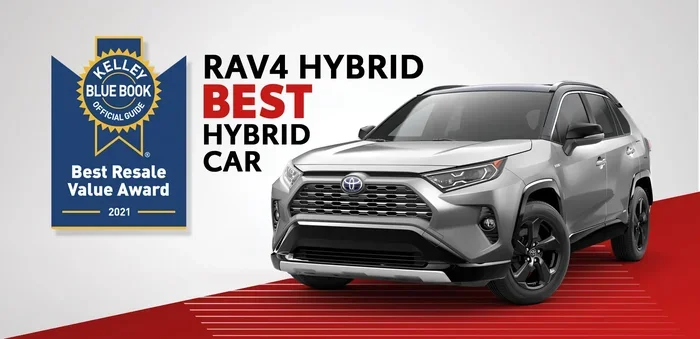
Compare this to smaller SUVs and you will see the difference clearly. A Toyota RAV4 weighs about 3,400 pounds and gets 30 MPG. The size gap is huge, and so is the fuel economy gap.
Driving Habits Matter
How you drive affects your MPG more than you might think. Aggressive acceleration, speeding, and hard braking all waste fuel. Smooth, steady driving is the best way to improve your Sequoia’s gas mileage.
Also, air conditioning use in summer can reduce fuel economy by 10 to 20 percent. Running the AC in stop-and-go traffic is especially tough on your fuel tank.
Toyota Sequoia Gas Mileage by Model Year
Not all Sequoias are created equal when it comes to fuel economy. Let us look at how different generations compare.
First Generation (2001 to 2007)
The original Sequoia came with a 4.7L V8 engine. It was rated at around 13 MPG combined. Real-world owners often reported 11 to 14 MPG. These early models were less efficient but still lasted for hundreds of thousands of miles with proper care.
Second Generation (2008 to 2022)
The second generation upgraded to the 5.7L V8. EPA ratings improved slightly. Real-world MPG hovered around 13 to 16 MPG depending on driving conditions. This is the most common Sequoia generation on the road today.
Third Generation (2023 and Newer)
The newest Sequoia saw some improvements. The eight-speed transmission and updated engine tuning helped push highway MPG closer to 20. City MPG stayed around 16. The combined rating of 17 MPG is the best the Sequoia has ever achieved.
For more context on how the Sequoia compares to other Toyota models in terms of reliability and longevity, check out our article on Are Toyota SUVs Any Good.
How to Improve Your Toyota Sequoia’s Gas Mileage
You cannot change the laws of physics, but you can take steps to get the best possible fuel economy from your Sequoia. Here are practical tips that actually work.
Keep Your Tires Properly Inflated
This is the easiest and most overlooked tip. Under-inflated tires create rolling resistance. That means your engine works harder and burns more fuel. Check your tire pressure at least once a month. The recommended PSI is listed on the driver’s side door jamb.
Remove Unnecessary Weight
Every extra pound matters in a heavy vehicle. If you carry gear, tools, or cargo that you do not need, remove it. A cleaner vehicle weighs less and uses less fuel. This is especially true for roof racks and cargo carriers that create drag even when empty.
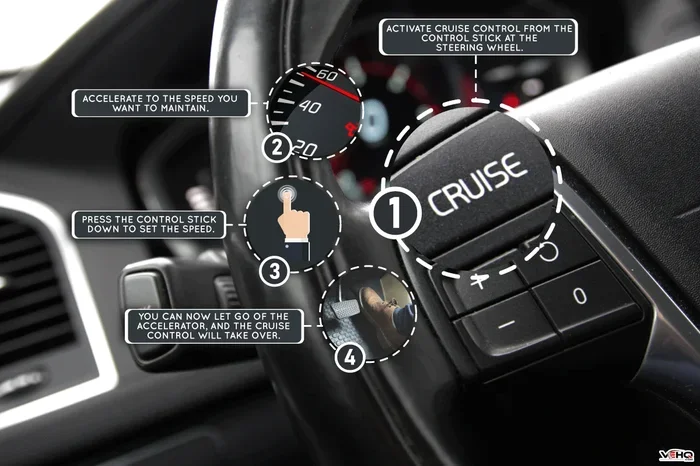
Use Cruise Control on Highways
Maintaining a steady speed saves gas. Cruise control helps you avoid unnecessary acceleration and deceleration. Just be careful on hilly terrain where cruise control may downshift and rev higher than needed.
Stay on Top of Maintenance
A well-maintained engine runs more efficiently. Change your oil regularly. Replace air filters when they are dirty. Check your spark plugs. Use the recommended Toyota 0W-20 synthetic oil for the best performance. Clean fuel injectors also help your engine burn fuel more completely.
Drive at Moderate Speeds
Fuel economy drops significantly above 70 mph. Wind resistance increases exponentially at higher speeds. Driving at 65 mph instead of 75 mph can improve your MPG by 1 to 3 points. It is a small change that adds up over time.
Avoid Idling
Idling wastes gas. If you are parked for more than 30 seconds, turn off the engine. Modern engines use less fuel restarting than idling for extended periods. This is especially relevant for drive-throughs and school pick-up lines.
Toyota Sequoia vs Other Large SUVs and Trucks
How does the Sequoia stack up against the competition? Let us compare gas mileage across some popular large SUVs and trucks.
| Vehicle | Engine | City MPG | Highway MPG | Combined MPG |
|---|---|---|---|---|
| Toyota Sequoia (2023) | 5.7L V8 | 16 | 20 | 17 |
| Ford F-150 (2023) | 3.3L V6 | 20 | 24 | 22 |
| Chevrolet Tahoe | 5.3L V8 | 16 | 20 | 17 |
| Toyota Highlander Hybrid | 2.5L Hybrid | 36 | 35 | 36 |
| Ford Expedition | 3.5L EcoBoost V6 | 18 | 24 | 20 |
As you can see, the Sequoia sits in the middle of the pack for large SUVs. The Ford F150 gets better MPG thanks to its smaller base engine. The Toyota Highlander Hybrid blows them all away with 36 MPG combined. But if you need the Sequoia’s size and towing capacity, the fuel economy trade-off is worth it for many families.
For a deeper look at how the F-150 compares in terms of fuel economy, read our article on How Many MPG Does A Ford F150 Get.
Some drivers wonder if switching to diesel would help. You can learn more about the diesel vs gas debate in our article on Is Diesel Better Than Gas.
Is the Toyota Sequoia Worth It Despite the Gas Mileage?
This is the big question. And the answer depends on what you need from a vehicle. The Toyota Sequoia is not a fuel-efficient vehicle. But it is one of the most reliable and capable full-size SUVs on the road.
Here is what makes the Sequoia worth the fuel cost for many families. It has three rows of seating that comfortably fit seven or eight people. It has a towing capacity of up to 10,000 pounds. It has the legendary Toyota reliability that keeps it running for hundreds of thousands of miles.
The Sequoia also holds its resale value extremely well. Even with higher fuel costs, the long-term ownership cost can be lower than vehicles that depreciate faster. When you factor in durability and low maintenance costs, the fuel economy becomes less of a dealbreaker.
If you need a vehicle for daily commuting and solo driving, a smaller SUV or hybrid makes more sense. But if you haul, tow, and carry a large family, the Sequoia delivers where it counts.
For more insights on Toyota ownership costs and reliability, visit our detailed guide on Can Toyota Last 500000 Miles.
Common Mistakes That Hurt Your Sequoia’s Fuel Economy
Even the best-driving Sequoia owner can make mistakes that tank their MPG. Here are the most common ones to avoid.
- Ignoring the check engine light. A faulty oxygen sensor can reduce fuel economy by up to 40 percent.
- Using the wrong oil. Always use the grade recommended by Toyota. Thicker oils create more engine drag.
- Aggressive driving. Jackrabbit starts and hard stops burn through fuel fast.
- Neglecting wheel alignment. Misaligned wheels cause the engine to work harder.
- Running the AC at max all the time. Use it when needed, but roll down windows at lower speeds.
- Waiting too long for oil changes. Fresh oil reduces engine friction and improves efficiency.
Avoiding these simple mistakes can add 1 to 3 MPG to your Sequoia. That might not sound like much, but over thousands of miles, it adds up to real savings at the pump.
Expert Insights on Large SUV Fuel Economy
We asked several automotive experts about the future of fuel economy in large SUVs like the Sequoia. The consensus is clear. Automakers are under pressure to improve efficiency, but physics limits what a 5,800-pound vehicle can achieve.
Some experts believe the next generation of Toyota full-size SUVs may incorporate hybrid or mild-hybrid technology. This could push MPG closer to 22 or 23 combined. Toyota has already introduced hybrid versions of the Highlander and other models, so a hybrid Sequoia is not out of the question.
Until then, buyers who prioritize fuel economy should look at mid-size hybrids. Those who prioritize capability and space will find the Sequoia hard to beat. It is a trade-off between efficiency and utility, and the right choice depends on your lifestyle.
Final Thoughts on Toyota Sequoia Gas Mileage
So, do Toyota Sequoias get good gas mileage? The answer is relative. If you measure good against a compact car, no, the Sequoia is not good on gas. But if you measure good against other full-size SUVs and trucks, it holds its own.
The Toyota Sequoia offers a unique combination of size, power, reliability, and capability that few vehicles can match. Yes, you will visit the gas station more often than a driver of a smaller SUV. But you will also have a vehicle that can handle almost anything you throw at it.
If fuel economy is your top priority, consider a hybrid alternative like the Toyota Highlander Hybrid. But if you need a tough, reliable, and spacious family hauler, the Sequoia remains one of the best choices in its class. The key is understanding what you are getting and making the most of it.
Keep your driving habits smooth, stay on top of maintenance, and enjoy the ride. The Toyota Sequoia was built to last, and its fuel economy, while not stellar, is a reasonable trade-off for the capability and peace of mind it delivers.
Frequently Asked Questions
Is 15 MPG good for a Toyota Sequoia?
Yes, 15 MPG is considered average for a Toyota Sequoia in real-world driving. Most owners report between 13 and 17 MPG depending on driving conditions. Highway driving tends to push the number higher, while city driving brings it lower. Towing or carrying heavy loads will reduce your MPG further.
What is the best Toyota Sequoia year for gas mileage?
The 2023 and newer Sequoia models offer the best gas mileage. They are rated at 16 MPG city and 20 MPG highway. Older models from the 2008 to 2019 range typically get 13 to 15 MPG combined. The first-generation models from 2001 to 2007 are the least efficient.
Does towing reduce Toyota Sequoia gas mileage?
Yes, towing significantly reduces your Sequoia’s fuel economy. Most owners see a drop of 2 to 4 MPG when pulling a trailer. Heavy loads on steep inclines can push MPG as low as 10. If you tow frequently, plan your fuel stops accordingly.
How can I get better MPG in my Toyota Sequoia?
Keep your tires properly inflated, remove unnecessary weight, use cruise control on highways, and stay on top of maintenance. Driving at moderate speeds and avoiding aggressive acceleration also help. These small changes can improve your MPG by 1 to 3 points.
Is the Toyota Sequoia more fuel-efficient than the Chevy Tahoe?
The Sequoia and Tahoe are very close in fuel economy. Both get around 17 MPG combined. The Tahoe’s 5.3L V8 is slightly different in tuning but produces similar real-world results. Neither is a fuel-efficient vehicle, but both offer strong capability and towing.
Would a hybrid Toyota Sequoia improve gas mileage?
Most experts believe a hybrid Sequoia could reach 22 to 25 MPG combined. Toyota has not announced a hybrid Sequoia yet, but the company is expanding its hybrid lineup. If fuel economy is important, the Toyota Highlander Hybrid currently offers the best balance of SUV size and efficiency in the Toyota lineup.