Does Toyota Tint Windows And How Much Does It Cost
Does Toyota tint windows? Yes, many Toyota models come with factory-installed window tint that offers UV protection and heat rejection. However, the tint shade and quality vary by trim level and model year. If your Toyota lacks sufficient tint, aftermarket window tinting is an affordable upgrade that improves comfort and protects your interior.
If you own a Toyota or are thinking about buying one, you might wonder whether your windows already have tint. The short answer is yes, many Toyota models come with factory window tint. But here is the catch: the amount of tint depends on the trim level, the model year, and even the market where the vehicle was sold.
Understanding your Toyota’s tint situation matters more than most people realize. Window tinting affects cabin temperature, UV protection, privacy, and even the resale value of your car. Whether you bought a new Camry or are shopping for a used RAV4, knowing what tint you have and what options exist can save you money and headaches down the road.
In this guide, we will cover everything you need to know about Toyota window tint. We will look at factory tint across popular models, explore aftermarket options, break down costs, and share practical tips to help you make the best decision for your vehicle.
Key Takeaways
- Factory Tint Exists: Many Toyota models ship with pre-tinted windows, but coverage and darkness vary by trim and region.
- Aftermarket Options Are Affordable: Adding tint to a Toyota typically costs between $150 and $450 depending on the type and vehicle size.
- Multiple Tint Types Available: Ceramic, carbon, and dyed films each offer different levels of heat rejection and durability.
- Legal Limits Apply: Every state has specific laws governing how dark your tint can be, especially on front side windows.
- Maintenance Matters: Proper care extends the life of your Toyota window tint by several years.
📑 Table of Contents
- Does Toyota Tint Windows On New Models?
- Understanding Different Types Of Window Tint
- How Much Does It Cost To Tint Toyota Windows?
- Toyota Tint Laws And Legal Limits
- How To Care For Your Toyota Window Tint
- Benefits Of Tinting Your Toyota
- Should You Choose Factory Tint Or Aftermarket Tint?
- Common Mistakes To Avoid When Tinting Your Toyota
- Final Thoughts
Does Toyota Tint Windows On New Models?
The answer depends on which Toyota you buy and which trim level you choose. Most Toyota vehicles do come with some level of factory window tint, but it is usually a light shade. Think of it as a subtle darkening rather than a full privacy wrap.
Toyota uses what is often called a “privacy glass” or “shade glass” on the rear windows and sometimes the windshield. This factory tint typically has a visible light transmission (VLT) of around 70% to 80%. That means it blocks some glare and UV rays but does not dramatically darken the cabin.
Which Toyota Models Come With Factory Tint?
Most Toyota models include at least partial factory tint. Here is a general breakdown:
- Toyota Camry: Rear windows usually have factory tint on higher trims. Base models may have clear rear glass.
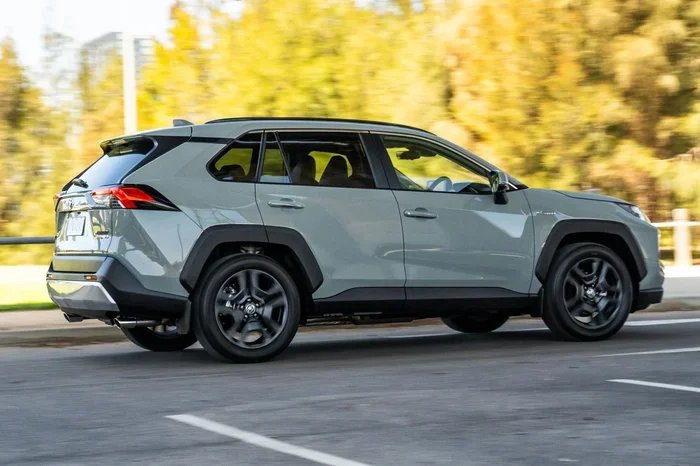
- Toyota RAV4: Many trims include tinted rear windows. The front doors often remain untinted.
- Toyota Corolla: Some trims offer factory tint, especially on the rear side windows and back glass.
- Toyota Highlander: Factory tint is common on rear windows across most trims.
- Toyota Tacoma: Rear windows often come tinted, but front doors usually do not.
- Toyota Tundra: Similar to the Tacoma, with tint on rear windows in most configurations.
The key takeaway is that Toyota factory tint is inconsistent. Two Camrys from the same year can have different tint levels depending on whether one is the base LE and the other is the top-spec XSE. Always check the window sticker or ask the dealer about the specific tint package.
Why Does Toyota Use Light Factory Tint?
Toyota designs factory tint to meet federal and state regulations while offering basic UV protection. The light shade keeps the car looking clean and stock. It also avoids legal issues that come with darker aftermarket tints. However, light factory tint does not block much heat, which is why many Toyota owners choose to upgrade.
Understanding Different Types Of Window Tint
If you decide to add or replace tint on your Toyota, you have several options. Each type of auto tint offers different benefits, durability, and price points. Understanding these differences helps you choose the right film for your needs.
Dyed Window Tint
Dyed tint is the most budget-friendly option. It uses multiple layers of dye to absorb heat and reduce glare. Dyed window tint is great for basic privacy and sun protection. However, it tends to fade over time, especially in sunny climates. Expect dyed tint to last around 3 to 5 years before showing wear.
Metalized Window Tint
Metalized tint contains tiny metallic particles that reflect heat away from the cabin. It is more durable than dyed tint and does not fade as quickly. The downside is that metalized tint can interfere with GPS signals, cell phone reception, and even some Toyota safety features that rely on sensors near the windows.
Carbon Window Tint
Carbon tint offers a matte finish that looks sleek and modern. It blocks a significant amount of infrared heat without interfering with electronics. Carbon window tint is a popular middle-ground option that balances performance and price. It typically lasts 5 to 7 years with proper care.
Ceramic Window Tint
Ceramic tint is the premium choice. It uses nano-ceramic particles to block heat without adding color or metal. This means ceramic tint offers excellent heat rejection while staying completely clear. It does not interfere with electronics and resists fading. Ceramic tint costs more but delivers the best long-term performance.
Hybrid Auto Tint
Hybrid auto tint combines multiple materials, such as dye and metal or carbon and ceramic, to deliver balanced performance. It is a strong option if you want better heat rejection than dyed tint without paying the full premium price of ceramic. Hybrid films are increasingly popular among Toyota owners who want a reliable mid-range solution.
How Much Does It Cost To Tint Toyota Windows?
Now let us talk about the real question: how much does it cost to tint Toyota windows? The price varies based on the type of film, the number of windows, your location, and the quality of the installation shop.
Average Tinting Costs By Type
Here is a general cost breakdown for tinting a Toyota vehicle:
- Dyed Tint: $100 to $200 for a full set of windows. Best for budget-conscious owners who want basic UV protection.
- Metalized Tint: $150 to $300 for a full vehicle. Offers better durability and heat rejection than dyed options.
- Carbon Tint: $200 to $400 for a full vehicle. A solid choice for those who want a matte look and solid performance.
- Ceramic Tint: $350 to $600+ for a full vehicle. The top-tier option with the best heat rejection and longest lifespan.
Keep in mind that tinting only the rear windows costs less than a full vehicle package. If your Toyota already has factory tint on rear windows, you might only need to tint the front side windows or windshield, which reduces the overall cost.
Factors That Affect Tinting Cost
Several factors influence how much you will pay for Toyota window tinting:
- Vehicle Size: Larger vehicles like the Toyota Highlander or Sequoia require more film and labor than a compact Corolla.
- Number of Windows: Tinting all windows costs more than just the rear doors or back glass.
- Tint Shade: Darker shades sometimes cost slightly more due to the higher quality film required.
- Installation Quality: Professional installers charge more but deliver better results with fewer bubbles and wrinkles.
- Geographic Location: Tinting prices vary by city and region. Urban areas with higher demand often charge more.
If you want to save money on auto tint, consider looking for seasonal promotions at local shops. Many installers offer discounts during slower months, typically in late fall and winter. You can also ask about package deals that include the front windshield with rear window tinting at a reduced rate.
Toyota Tint Laws And Legal Limits
Window tint laws vary from state to state, and they are not optional. Every state sets maximum darkness levels for different windows on a vehicle. Understanding these rules keeps you legal and avoids costly tickets.
General Rules Across Most States
While specific limits differ, most states follow a similar pattern:
- Windshield: Usually allows a non-reflective tint strip at the top, typically no more than 4 to 6 inches down.
- Front Side Windows: Most states require a VLT of 70% or higher, meaning the tint must remain fairly light.
- Rear Side Windows: Often allow darker tints, sometimes as low as 35% VLT depending on the state.
- Rear Window: Usually the most lenient, with many states allowing very dark tints on the back glass.
Before you get your Toyota tinted, check your state’s specific window tint laws. Some states also require a sticker or certification label on the tint to prove it meets legal standards. Your installer should know these requirements, but it never hurts to verify.
How To Care For Your Toyota Window Tint
Proper maintenance makes a huge difference in how long your Toyota window tint lasts. A well-cared-for tint can remain in excellent condition for 7 to 10 years or longer.
Immediate Aftercare
After installation, avoid rolling down your windows for at least 3 to 5 days. This allows the tint film to fully cure and adhere to the glass. Also, do not clean the interior of your windows for the first 48 hours. Any moisture or cleaning solution can interfere with the bonding process.
Long-Term Maintenance Tips
- Use a soft microfiber cloth when cleaning your windows.
- Avoid ammonia-based glass cleaners, which can break down the tint film over time.
- Stick to mild, tint-safe cleaning solutions or plain water.
- Park in shaded areas when possible to reduce UV exposure and heat stress on the film.
- Address any bubbling or peeling immediately by consulting a professional.
For more detailed guidance on maintaining your tint, check out our guide on how to care for your auto tint. It covers everything from daily cleaning routines to handling common issues like bubbling and peeling.
Signs Your Tint Needs Replacement
Even with great care, tint eventually wears out. Watch for these warning signs:
- Bubbles or blisters forming between the film and the glass.
- Fading or discoloration, especially on dyed films.
- Peeling edges where the film lifts away from the window.
- Reduced heat rejection or increased glare inside the cabin.
- Cracking or flaking of the tint surface.
If you notice any of these issues, it is time to consider a replacement. The good news is that replacing tint on a Toyota is a straightforward process and typically costs less than the original installation.
Benefits Of Tinting Your Toyota
Whether you are adding tint to a Toyota that came without it or upgrading your factory shade, the benefits are clear and compelling.
Heat Rejection And Comfort
The biggest reason most people tint their windows is to reduce heat. A quality auto tint can block up to 70% of solar heat, making your Toyota’s cabin far more comfortable on hot days. This also reduces your reliance on air conditioning, which can slightly improve fuel efficiency over time.
UV Protection
Harmful UV rays can damage your skin during long drives and fade your Toyota’s interior upholstery and dashboard. Window tinting blocks a significant portion of UV radiation, protecting both your health and your car’s interior. This is especially valuable for families who spend a lot of time on the road.
Privacy And Security
Tinted windows add a layer of privacy that makes it harder for people outside to see into your vehicle. This can deter theft, as potential thieves are less likely to target a car where they cannot see valuables on the seats or floor.
Glare Reduction
Driving with excessive glare from the sun or headlights at night is dangerous and tiring. Tint reduces glare significantly, making your driving experience safer and more comfortable, especially on long road trips.
Interior Protection
Your Toyota’s dashboard, seats, and trim are constantly exposed to sunlight. Over time, UV rays cause fading and cracking. Window tint acts as a shield, preserving the look and condition of your interior for years.
Should You Choose Factory Tint Or Aftermarket Tint?
This is one of the most common questions Toyota owners ask. The answer depends on your current tint situation, your budget, and your goals.
If your Toyota already has factory tint and you are happy with it, you may not need aftermarket tint at all. Factory tint is perfectly legal and provides basic UV and glare protection. However, if you find the factory shade too light or notice fading over time, upgrading to aftermarket tint is a smart move.
If your Toyota came without tint or with very minimal tint, aftermarket installation is the way to go. The cost is reasonable, the process is quick, and the results are immediate. Most professional installations take between 1 and 3 hours depending on the vehicle and the number of windows being tinted.
For those comparing costs, it is worth noting that tinting a Toyota is generally less expensive than tinting larger vehicles like SUVs or trucks with more glass surface area. If you are curious about how Toyota tinting costs compare to other brands, the process is very similar. The main variables are the vehicle size, the type of film, and the quality of installation.
Common Mistakes To Avoid When Tinting Your Toyota
Tinting your Toyota is straightforward, but a few common mistakes can lead to disappointing results. Here is what to watch out for:
- Choosing the cheapest option: Budget tint films fade, bubble, and peel faster. Investing in a better quality film saves money in the long run.
- Ignoring state laws: Getting caught with illegal tint leads to fines and the hassle of having to remove it.
- Skipping professional installation: DIY tint kits are tempting, but bubbles, misalignment, and peeling are common without experience.
- Not checking the warranty: Quality tint films come with warranties that cover bubbling, fading, and peeling. Always ask about coverage.
- Rolling windows down too soon: This is the most common aftercare mistake. Give the tint time to cure before disturbing it.
Avoiding these pitfalls ensures your Toyota window tint looks great and performs well for many years.
Final Thoughts
Does Toyota tint windows? Yes, most Toyota models come with at least some factory tint, but the coverage and darkness vary widely. Whether your Toyota arrived with factory tint or not, aftermarket window tinting is an excellent upgrade that enhances comfort, protects your interior, and adds value to your vehicle.
The cost of tinting a Toyota is reasonable, typically ranging from $150 to $600 depending on the film type and number of windows. With proper care and maintenance, your new tint can last 7 to 10 years or longer. Choose a reputable installer, pick a film that suits your needs and budget, and always stay within your state’s legal tint limits.
Your Toyota is a significant investment. Protecting it with quality window tint is one of the smartest and most affordable upgrades you can make. Take the time to research your options, ask questions, and enjoy the benefits of a properly tinted vehicle.
Frequently Asked Questions
Does every Toyota model come with factory window tint?
Not every Toyota model comes with factory tint on all windows. Most models include tint on rear windows for higher trims, but base trims may have clear glass. Always check the specific vehicle or ask the dealer about the window configuration before purchasing.
How long does Toyota window tint last?
With proper care, quality window tint on a Toyota can last between 5 and 10 years. Dyed tints tend to fade faster, while ceramic and carbon tints offer superior durability and can maintain their appearance for a decade or more.
Can I tint my Toyota windows myself?
Yes, DIY tint kits are available and cost less than professional installation. However, professional installers deliver cleaner results with fewer bubbles and better adhesion. If you choose the DIY route, follow the instructions carefully and work in a dust-free environment.
Is aftermarket window tint legal on Toyota vehicles?
Aftermarket tint is legal in most states as long as it meets the local VLT requirements. Front side windows typically must remain above a certain darkness level, while rear windows can often be tinted darker. Always verify your state’s specific regulations before getting tinted.
How much does it cost to tint a Toyota Camry?
Tinting a Toyota Camry typically costs between $150 and $400 depending on the type of film and the number of windows. Dyed tint falls on the lower end, while ceramic tint commands a higher price. The Camry’s moderate window size keeps costs in the mid-range compared to larger Toyota models.
Will window tint affect my Toyota’s Bluetooth or GPS signal?
Metalized tint can interfere with electronic signals like Bluetooth, GPS, and cell reception. If you rely heavily on these features, choose a non-metalized option like carbon or ceramic tint, which does not block signals and works seamlessly with your Toyota’s technology systems.