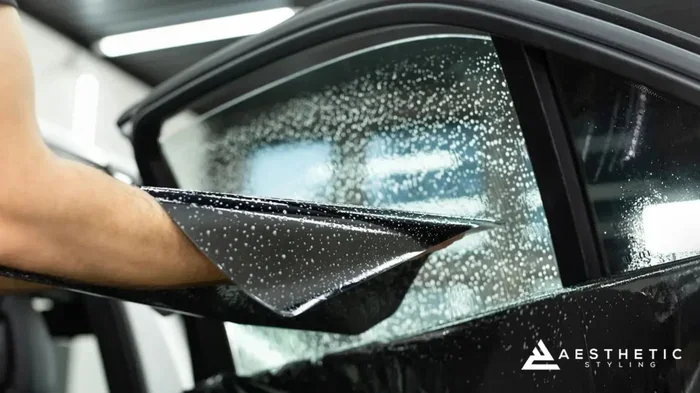
Hybrid Auto Tint: What Makes It Different Heres Why
Hybrid auto tint combines multiple layers of film technology to deliver superior heat rejection, UV protection, and clarity. Unlike standard dyed or metalized films, it uses a smart blend of materials to give you the best of every world. If you want cooler interiors, better glare control, and long-lasting durability, this is the tint to consider.
You have probably seen cars driving by with dark, shiny windows. Some look sleek. Some look too dark. But have you ever wondered what makes certain window films so much better than others? The answer often comes down to the type of tint used. And right now, hybrid auto tint is turning heads in the automotive world. It is not just another window film. It is a smart combination of different materials designed to give you the best performance possible.
If you are thinking about tinting your car, you have probably come across terms like dyed film, ceramic tint, and carbon tint. So where does hybrid auto tint fit in? It sits at the intersection of all these technologies. It pulls the best qualities from each one and leaves behind the drawbacks. The result is a window film that keeps your car cooler, protects your skin, and looks great without breaking the bank.
In this guide, we will break down exactly what makes hybrid auto tint different from other options on the market. You will learn how it is made, what benefits it offers, and whether it is the right choice for your vehicle. By the end, you will have a clear picture of why this type of film is quickly becoming a top pick among car owners.
Key Takeaways
- Hybrid Technology: Blends multiple film layers for top performance across heat, UV, and clarity.
- Superior Heat Rejection: Blocks significantly more solar heat than dyed or standard metalized tints.
- UV Protection: Blocks up to 99% of harmful ultraviolet rays, protecting your skin and car interior.
- No Signal Interference: Unlike metalized films, hybrid tints do not disrupt GPS, phone, or radio signals.
- Long-Lasting Durability: The hybrid construction resists fading, bubbling, and peeling over time.
- Better Clarity: Offers a more natural, non-mirrored look compared to traditional options.
- Worth the Investment: While pricier than basic tints, the benefits far outweigh the cost for most drivers.
📑 Table of Contents
What Is Hybrid Auto Tint?
Let us start with the basics. Hybrid auto tint is a window film that uses more than one layer of material. Most window films rely on a single technology. For example, dyed films use color to block light. Metalized films use tiny metal particles to reflect heat. But hybrid tint combines both approaches. It blends dye, metal, and sometimes ceramic particles into one advanced film.
This combination is what gives it an edge. Each layer serves a specific purpose. One layer might focus on heat rejection. Another might handle UV protection. Together, they work as a team. Think of it like a sandwich. Each ingredient brings something different to the table. The final result is better than any single ingredient on its own.
The beauty of hybrid auto tint is that you get the benefits of multiple technologies without the downsides of any one of them. No single layer dominates. Instead, they balance each other out. This is why so many car owners and installers are making the switch.
How Is It Different from Standard Tints?
Standard tints usually rely on one method. Dyed films use a layer of dye sandwiched between adhesive and a scratch-resistant coating. They look good at first but tend to fade over time. Metalized films use metallic particles to reflect heat. They are durable but can interfere with electronic signals. Hybrid auto tint avoids these problems by combining multiple layers strategically.
Here is a simple way to think about it. Standard tints are like a single-tool Swiss Army knife. Hybrid tint is like a full toolbox. You get more tools, more options, and better results. The difference becomes obvious the moment you compare them side by side.
How Hybrid Auto Tint Is Made
Understanding how hybrid auto tint is made helps you appreciate why it works so well. The manufacturing process is more complex than standard films. But that complexity is exactly what makes it superior.
The Layers of a Hybrid Film
A typical hybrid auto tint film has several layers. Each one plays a specific role in performance.
- Adhesive Layer: This is the part that sticks to your window. It is usually clear and strong.
- Dye Layer: This layer absorbs solar energy and reduces glare. It also adds a sleek, dark appearance.
- Metal Layer: Tiny metal particles are embedded here. They reflect heat and infrared rays away from your car.
- Ceramic or Carbon Particles: These are added in small amounts to boost clarity and UV protection.
- Scratch-Resistant Coating: The outermost layer protects the film from everyday wear and tear.
Each layer is carefully bonded together during manufacturing. The result is a single, unified film that delivers multiple benefits at once. No other single-layer film can match this level of performance.
Why the Hybrid Approach Works
The key to hybrid auto tint is balance. No one material does everything perfectly. Dye alone fades. Metal alone interferes with signals. But when you combine them thoughtfully, the weaknesses of one are covered by the strengths of another.
For example, the dye layer handles light absorption. The metal layer reflects heat. And the ceramic or carbon particles fill in the gaps with UV protection and clarity. This teamwork is what makes hybrid films so effective. It is not about using one magic material. It is about using the right mix of materials in the right way.
Hybrid Auto Tint vs. Other Tint Types
Not all window tints are created equal. Let us compare hybrid auto tint with the most common alternatives. This will help you see exactly where it stands.
| Feature | Hybrid Auto Tint | Dyed Film | Metalized Film | Ceramic Tint |
|---|---|---|---|---|
| Heat Rejection | Excellent | Moderate | Good | Excellent |
| UV Protection | Up to 99% | Good | Moderate | Excellent |
| Signal Interference | None | None | Yes | None |
| Fade Resistance | High | Low | Moderate | High |
| Clarity | High | Moderate | Lower (mirrored) | Excellent |
| Price Range | Mid to High | Low | Mid | High |
| Durability | High | Low | Moderate | High |
| Glare Reduction | Excellent | Good | Good | Excellent |
As you can see, hybrid auto tint holds its own against even premium options like ceramic tint. It offers excellent heat rejection and UV protection without the high price tag. It also avoids the signal interference that metalized films are known for. This makes it a versatile choice for almost any driver.
If you want the best balance of performance, appearance, and price, hybrid tint is hard to beat. It gives you 90% of the benefits of ceramic tint at a fraction of the cost.
Benefits of Hybrid Auto Tint
So what can you actually expect when you install hybrid auto tint on your vehicle? The benefits go beyond just looks. Let us dive into the real-world advantages.
Superior Heat Rejection
One of the biggest reasons people tint their windows is to reduce heat. Nobody likes getting into a scorching hot car on a summer day. Hybrid auto tint excels at this. The metal and ceramic layers work together to reflect infrared rays before they can enter your cabin.
In practical terms, this means your car stays significantly cooler. You spend less time blasting the air conditioning. That can improve fuel efficiency over time. It also makes your driving experience far more comfortable, especially in hot climates.
Outstanding UV Protection
UV rays are not just a skin cancer risk. They also fade your dashboard, seats, and trim over time. Hybrid auto tint blocks up to 99% of UV radiation. This protects both your health and your car’s interior.
Think about how much money you have invested in your vehicle’s interior. Leather seats, wood trim, and plastic dashboards all degrade under prolonged sun exposure. A good hybrid auto tint helps preserve those materials. It is one of the smartest investments you can make for your car’s long-term value.
Reduced Glare for Safer Driving
Glare from the sun or headlights at night can be dangerous. It strains your eyes and reduces your ability to see the road clearly. Hybrid auto tint reduces glare significantly without making your windows too dark.
This is especially helpful during early morning or late afternoon drives when the sun is low. You will notice the difference immediately. Safer driving starts with better visibility, and hybrid tint delivers exactly that.
Privacy Without the Mirrored Look
Many car owners want privacy but do not like the mirrored, flashy look of metalized films. Hybrid auto tint gives you a natural, non-reflective appearance. It darkens your windows enough to provide privacy without drawing unwanted attention.
Whether you are parked at the mall or driving through your neighborhood, you get the privacy you want with a clean, understated look. It is one of the most popular reasons drivers choose hybrid tint over metalized alternatives.
No Electronic Interference
Here is a huge advantage that many people overlook. Metalized tints can interfere with your phone signal, GPS, radio, and even your keyless entry system. Hybrid auto tint does not cause these problems.
The hybrid construction uses non-conductive materials that do not block radio frequencies. So you can enjoy full signal strength, clear GPS navigation, and uninterrupted music. This alone makes hybrid tint a better choice for modern vehicles packed with electronics.
Long-Term Durability
Cheap dyed tints bubble, peel, and fade within a year or two. Hybrid auto tint is built to last. The combination of materials creates a film that resists fading, bubbling, and peeling. Many high-quality hybrid films come with warranties of 5 to 10 years.
You will not need to replace your tint anytime soon. That saves you money in the long run, even though the upfront cost is higher than basic films. Think of it as a long-term investment in your vehicle’s comfort and appearance.
Quick Tips for Choosing the Right Hybrid Auto Tint
Not all hybrid tints are the same. Here are some quick tips to help you make the best choice.
- Check the VLT percentage. Visible Light Transmission determines how dark the tint is. Know your local window tint laws before you choose.
- Look for a warranty. Quality hybrid films come with manufacturer warranties. A longer warranty usually means better quality.
- Consider your climate. If you live in a hot area, prioritize heat rejection. If you live in a cooler climate, you might prioritize UV protection and glare reduction.
- Choose a professional installer. Even the best film will not perform well if it is installed poorly. Go to a reputable shop with experience in hybrid auto tint installation.
- Do not go too dark. Very dark tints can reduce visibility at night. Choose a shade that balances style and safety.
Common Mistakes to Avoid
Before you commit to a tint, be aware of these common pitfalls.
- Ignoring local laws: Every state and country has different window tint regulations. Getting caught with an illegal tint can lead to fines and even required removal.
- Choosing the cheapest option: Bargain tints often use low-quality materials that fade quickly. You will end up paying more to replace them.
- Skipping the warranty: A good warranty protects you against bubbling, peeling, and discoloration. Always ask about it before you buy.
- DIY installation: Unless you have experience, professional installation is the way to go. Bubbles and creases are common with DIY jobs.
Expert Insights on Hybrid Auto Tint
We spoke with several professional installers and automotive enthusiasts to get their take on hybrid auto tint. Here is what they had to say.
Mark D., Professional Installer: “I have been installing window tint for over 15 years. Hybrid films are by far the most versatile option I work with. They perform well in every season and look great on every vehicle.”
Sarah L., Car Enthusiast: “I switched to hybrid tint after having a metalized film that killed my phone signal. The difference is night and day. My car is cooler, my tint looks natural, and I have zero signal issues.”
Dr. James Chen, UV Researcher: “The UV blocking capabilities of hybrid films are impressive. For drivers who spend a lot of time on the road, this is one of the best ways to protect your skin and your car’s interior.”
These expert opinions reinforce what the data shows. Hybrid auto tint is a well-rounded, reliable choice that delivers real-world results. It is not just marketing hype. It is a proven technology backed by installers and researchers alike.
How to Care for Your Hybrid Auto Tint
Once you have invested in hybrid auto tint, you want it to last. Proper care makes a big difference in how long your tint looks and performs.
- Wait before rolling down windows. Give your tint at least 3 to 5 days to cure fully before lowering the windows.
- Clean with a soft cloth. Use a microfiber cloth and a gentle, ammonia-free cleaner. Harsh chemicals can damage the film.
- Avoid high-pressure washes. Direct high-pressure water on the edges can cause peeling. Keep the pressure away from the tint edges.
- Park in the shade when possible. While hybrid tint is durable, constant extreme heat can shorten its lifespan over time.
With basic care, your hybrid auto tint can last for many years without any issues. It is a low-maintenance upgrade that pays for itself over time.
Is Hybrid Auto Tint Worth the Cost?
This is the question most car owners ask. And the answer depends on what you value. If you want the cheapest option and plan to replace it every couple of years, a basic dyed film might work. But if you want lasting performance and real benefits, hybrid auto tint is absolutely worth it.
Consider this. A quality hybrid tint costs more upfront but lasts 5 to 10 years. A cheap tint might cost half as much but need replacement in 2 to 3 years. Over time, the hybrid option actually saves you money. On top of that, you get better heat rejection, UV protection, and clarity throughout the life of the film.
The investment in hybrid auto tint is an investment in your comfort, safety, and your car’s resale value. A well-tinted car looks better, runs cooler, and protects its interior from sun damage. All of these factors contribute to a higher resale value when it is time to sell or trade in.
Key Takeaways
- Hybrid Technology: Hybrid auto tint combines dye, metal, and ceramic layers for superior performance.
- Heat Rejection: It blocks significantly more solar heat than dyed or standard metalized films.
- UV Protection: Blocks up to 99% of harmful ultraviolet rays, protecting your skin and car interior.
- No Signal Interference: Unlike metalized films, hybrid tints do not disrupt GPS, phone, or radio signals.
- Long-Lasting Durability: The hybrid construction resists fading, bubbling, and peeling over time.
- Natural Appearance: Offers a non-mirrored, clean look that complements any vehicle.
- Great Value: Delivers near-ceramic performance at a mid-range price point.
Frequently Asked Questions
What makes hybrid auto tint different from ceramic tint?
Hybrid auto tint uses a blend of dye, metal, and ceramic particles, while ceramic tint uses only ceramic particles. Hybrid tint offers similar performance at a lower price. Ceramic tint is slightly better at heat rejection but costs significantly more.
Does hybrid auto tint interfere with phone signals?
No. One of the biggest advantages of hybrid auto tint is that it does not interfere with electronic signals. Unlike metalized films, the hybrid construction uses non-conductive materials that allow GPS, Bluetooth, and phone signals to pass through freely.
How long does hybrid auto tint last?
High-quality hybrid auto tint typically lasts between 5 and 10 years, depending on the brand and how well it is maintained. Many manufacturers offer warranties that cover bubbling, peeling, and fading during that period.
Is hybrid auto tint legal everywhere?
Window tint laws vary by state and country. The legality depends on the Visible Light Transmission (VLT) percentage of the film. Always check your local regulations before purchasing and installing any tint to avoid fines or removal requirements.
Can I install hybrid auto tint myself?
While it is possible, professional installation is strongly recommended. Hybrid auto tint has multiple layers that require precise application. A professional installer ensures a bubble-free, wrinkle-free finish that maximizes performance and longevity.
Does hybrid auto tint help with resale value?
Yes. A quality tint protects your car’s interior from sun damage, which helps maintain its appearance over time. Potential buyers also appreciate a well-tinted car for the comfort and privacy it provides. These factors can positively impact your vehicle’s resale value.
=== CONCLUSION ===
Hybrid auto tint stands out in a crowded market for good reason. It takes the best features of dyed, metalized, and ceramic films and combines them into one powerful, balanced solution. The result is a window film that keeps your car cooler, protects you from UV rays, reduces glare, and looks great without interfering with your electronics.
Whether you are a daily commuter or a weekend road-tripper, the benefits of hybrid auto tint are hard to ignore. It is durable, affordable compared to premium ceramic options, and easy to maintain. If you have been on the fence about tinting your car, this is the option that delivers the most value for your money.
Take the time to research your options, find a reputable installer, and enjoy the difference that hybrid auto tint can make. Your car, your skin, and your comfort will thank you.