Everything You Need for Remote Control Car Shopping
Remote control car shopping can feel overwhelming, but this guide breaks everything down into simple, actionable steps. You will learn about different RC car types, key features to look for, budget tips, and where to buy the best models. Whether you are a complete beginner or a seasoned hobbyist, this guide helps you make a smart, confident purchase.
Remote control car shopping is one of the most fun hobbies you can start. Whether you want a fast on-road racer or a rugged off-road beast, there is an RC car out there for you. But with so many options, it is easy to feel lost. This guide walks you through everything you need to know.
We will cover the different types of RC cars, what features matter most, how to set a budget, and where to buy the best models. By the end, you will feel confident walking into a hobby shop or browsing online stores. Let us dive in and make your next purchase a great one.
Key Takeaways
- Know Your Goal: Decide if you want a hobby-grade or toy-grade RC car before you start shopping.
- Power Source Matters: Electric and nitro RC cars each have unique benefits for different users.
- Set a Realistic Budget: RC cars range from under $30 to over $500, so plan your spending early.
- Check Key Features: Look at motor type, battery life, scale size, and terrain compatibility.
- Buy from Trusted Sellers: Reputable hobby shops and verified online stores offer better quality and support.
- Maintain Your RC Car: Regular upkeep keeps your radio controlled vehicle running smoothly for years.
📑 Table of Contents
- Why Remote Control Car Shopping Requires Some Prep
- Types of RC Cars You Will Encounter
- Key Features to Look For When Buying
- Budgeting for Your RC Car Purchase
- Where to Buy RC Cars
- Common Mistakes to Avoid During Remote Control Car Shopping
- Tips for First-Time RC Car Buyers
- Expert Insights on Choosing the Right RC Car
- Final Thoughts on Remote Control Car Shopping
Why Remote Control Car Shopping Requires Some Prep
Many people think RC cars are just toys. But the truth is, the hobby has grown into a serious world of high-performance machines. Before you buy anything, it helps to understand what you are getting into. A little preparation saves you money and disappointment.
Think about what you want from your RC car. Do you want to race on a smooth track? Or do you prefer jumping over dirt bumps in the backyard? Your answer shapes everything from the type of car to the price range. remote control car shopping becomes much easier once you know your goal.
Here are a few quick questions to ask yourself before you start:
- What is my budget?
- Am I a beginner or experienced hobbyist?
- Do I prefer electric or nitro power?
- Will I drive mostly indoors or outdoors?
- Do I want a ready-to-run model or a build-it-yourself kit?
Answering these questions gives you a clear direction. It narrows down your choices and helps you focus on the best options available.
Types of RC Cars You Will Encounter
The RC car world is diverse. There are several categories, and each one suits a different kind of driver. Understanding these types is the first step in your remote control car shopping journey.
Electric RC Cars
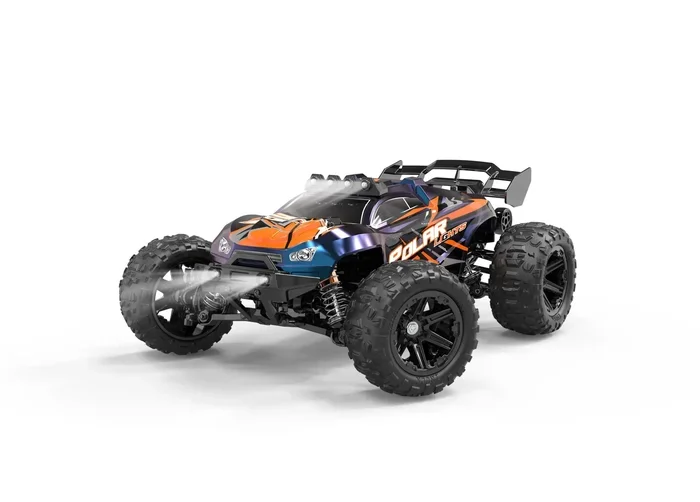
Electric RC cars are the most popular choice for beginners and pros alike. They run on rechargeable batteries and are clean, quiet, and easy to use. You can charge them in under an hour and hit the road right away.
Most electric RC cars use a brushless motor, which delivers excellent speed and durability. These models are perfect for indoor driving, casual backyard fun, and even competitive racing. Electric RC cars are also the most affordable option in most cases.
Nitro RC Cars
Nitro RC cars run on a special fuel mix of methanol, nitromethane, and oil. They have a small internal combustion engine that sounds and smells just like a real car. Many hobbyists love the realistic experience nitro engines provide.
However, nitro RC cars require more maintenance. You need to clean the engine regularly, mix fuel, and adjust the carburetor. They also produce exhaust fumes, so they are best used outdoors. If you enjoy hands-on mechanical work, a nitro RC car might be your perfect match.
Ready-to-Run vs. Kit Cars
Ready-to-run (RTR) RC cars come fully assembled. You open the box, charge the battery, and drive. This is ideal for beginners who want instant fun without any building required.
Kit cars, on the other hand, come in parts. You assemble the car yourself, which teaches you a lot about how RC vehicles work. Kit building is a rewarding experience for hobbyists who enjoy hands-on projects. When remote control car shopping, check whether a model is RTR or a kit to match your comfort level.
Scale Size Explained
RC cars come in different scale sizes, which describe how large the model is compared to a real car. Common scales include 1:10, 1:8, and 1:16. A 1:10 scale car is roughly one-tenth the size of the real vehicle it represents.
Larger scales like 1:8 offer better detail and performance but cost more and are harder to store. Smaller scales like 1:16 are portable and affordable. Most hobbyists start with a 1:10 scale model because it balances size, performance, and price very well.
Key Features to Look For When Buying
Not all RC cars are created equal. Some are built for speed, while others are built for durability. Knowing which features matter most helps you make a smart choice during remote control car shopping.
Motor Type
The motor is the heart of your RC car. Brushless motors are the gold standard. They are faster, more efficient, and last longer than brushed motors. If you want serious performance, always choose a model with a brushless motor.
Brushed motors are still found in budget-friendly models. They work fine for casual play, but they wear out faster and offer less speed. For a first car, a brushed motor model is okay. But if you plan to get serious, invest in a brushless setup from the start.
Battery and Runtime
Battery life directly affects how long you can drive. Most electric RC cars use lithium polymer (LiPo) batteries. These batteries are lightweight and deliver strong power, but they need careful handling.
A typical LiPo battery gives you 15 to 30 minutes of drive time per charge. If you want longer sessions, consider buying a spare RC car battery. Also, invest in a quality RC car charger that charges safely and quickly. Cheap chargers can damage your battery or even cause safety issues.
Suspension and Terrain
Suspension is what keeps your RC car stable on rough ground. Off-road RC cars have long-travel suspension with shock absorbers. This setup handles dirt, grass, gravel, and jumps with ease.
On-road RC cars have a low-profile chassis and minimal suspension. They are designed for smooth surfaces like pavement and indoor floors. If you plan to drive on mixed terrain, look for an off-road RC car with adjustable shocks and durable tires.
Speed and Control
Speed is one of the most exciting parts of RC car ownership. Entry-level models top out around 20 to 30 mph. Mid-range hobby cars can reach 40 to 50 mph. High-end racing machines can exceed 60 mph.
Your transmitter, or remote control, also matters. Look for a model with at least 2.4 GHz frequency. This gives you a strong, interference-free connection. A responsive transmitter makes your RC car speed feel even more thrilling and precise.
Budgeting for Your RC Car Purchase
Budget is a big factor in remote control car shopping. RC cars come in a wide price range, and knowing where you stand helps you avoid overspending or buying something too cheap that falls apart quickly.
Budget Categories
Here is a simple breakdown of what you can expect at each price level:
- Under $50: Basic toy-grade RC cars. Great for kids and casual play. These models have simple controls and shorter lifespans.
- $50 to $150: Entry-level hobby-grade RC cars. Better motors, longer battery life, and more durable construction.
- $150 to $350: Mid-range hobby cars with brushless motors, better suspension, and higher speeds.
- $350 and above: Premium racing and touring models. These are built for serious enthusiasts and competitive driving.
Hidden Costs to Consider
Your initial purchase is not the only expense. Factor in the cost of extra batteries, replacement tires, fuel (for nitro models), and repair parts. A cheap RC car kit that costs $40 might end up costing more in replacement parts than a slightly pricier model that lasts longer.
Also, consider the cost of a good charger and spare RC car battery units. These accessories make a huge difference in your driving experience. Planning for hidden costs keeps your hobby enjoyable and affordable over time.
Where to Buy RC Cars
Where you buy matters just as much as what you buy. Not all sellers offer the same quality, pricing, or customer support. Here are the best places to shop for RC cars.
Local Hobby Shops
Visiting a local hobby shop is one of the best ways to start your remote control car shopping. You can see the cars in person, ask questions, and get expert advice on the spot. Hobby shop staff are usually passionate RC enthusiasts who love helping newcomers.
Local shops also carry RC car parts and accessories you may need later. Building a relationship with a nearby hobby shop gives you a reliable source for maintenance and upgrades.
Online Retailers
Online shopping gives you access to a much wider selection. Major retailers and specialized RC websites carry thousands of models. You can read customer reviews, compare prices, and find deals that local stores might not offer.
When buying online, stick to reputable retailers. Look for stores with verified reviews, clear return policies, and warranty options. Avoid unknown sellers with prices that seem too good to be true. Quality RC car parts and complete vehicles from trusted brands save you headaches down the road.
Manufacturer Websites
Buying directly from the manufacturer is another solid option. Brands like Traxxas, ARRMA, Losi, and Team Associated sell official models through their websites. You often get full warranties, exclusive color options, and access to the latest releases.
Manufacturer sites also provide detailed specs and compatibility guides. This makes it easier to find the right RC car kit or upgrade parts that match your existing model.
Common Mistakes to Avoid During Remote Control Car Shopping
Even experienced buyers make mistakes. Knowing what to avoid helps you shop smarter and get more value from your purchase.
Buying Based on Looks Alone
A flashy design does not mean a good RC car. Some models look impressive but have weak motors, poor suspension, or short battery life. Always check the specs before you buy. Focus on performance features over appearance.
Skipping the Manual and Setup
Many buyers unbox their new car and immediately hit the ground running. This is a mistake. Take time to read the manual, charge the battery properly, and adjust the settings. Proper setup improves performance and extends the life of your vehicle.
Ignoring Maintenance Needs
RC cars need regular care. Dirt, dust, and moisture can damage internal components over time. After each driving session, clean your car, check the screws, and inspect the tires. Simple RC car maintenance habits keep your vehicle running strong for years.
Overlooking Spare Parts Availability
Not all brands make replacement parts easy to find. Before you buy a model, check that the manufacturer offers a wide range of RC car parts. A car from a well-supported brand is much easier to maintain and upgrade over time.
Tips for First-Time RC Car Buyers
Starting your first RC car can feel exciting and a little intimidating. These tips help you get off to a smooth start.
- Start with an electric RTR model. It is the simplest and most affordable way to get into the hobby.
- Choose a durable off-road design. Off-road cars handle mistakes and rough surfaces better than fragile on-road models.
- Buy a spare battery. Extra battery life means more driving time and less waiting.
- Join an online RC community. Forums and social media groups are full of helpful tips and advice for new buyers.
- Set aside a small maintenance budget. Plan for replacement parts and accessories in the months ahead.
Following these tips makes remote control car shopping a much more rewarding experience. You will avoid common pitfalls and enjoy your new hobby from day one.
Expert Insights on Choosing the Right RC Car
We spoke with several experienced RC hobbyists to gather their top advice for new buyers. Here is what the experts had to say.
“Do not rush into buying the fastest or most expensive model. Start with something simple, learn how the car handles, and then upgrade as your skills grow,” says Mark D., a hobby shop owner with over 15 years of experience.
“The biggest mistake beginners make is ignoring the transmitter. A good radio system makes a huge difference in control and enjoyment. Spend a little extra on a quality transmitter if your model allows it,” adds Sarah L., a competitive RC racer.
These insights reinforce a simple truth: quality over speed matters most when starting out. A well-built, easy-to-control RC car brings more joy than a fast model that is hard to handle.
Final Thoughts on Remote Control Car Shopping
Remote control car shopping does not have to be confusing or stressful. With the right knowledge, you can confidently choose a car that fits your budget, skill level, and driving style. Remember to define your goals, understand the different types, check key features, and buy from trusted sources.
Whether you pick a sleek electric racer or a powerful nitro off-roader, the most important thing is to have fun. The RC hobby is all about enjoyment, creativity, and the thrill of driving. Start small, learn as you go, and soon you will be looking for your next RC car upgrade.
Now that you have all the information you need, it is time to take action. Set your budget, pick your preferred type, and start shopping. Your perfect RC car is waiting for you.
Frequently Asked Questions
What is the best RC car for beginners?
An electric ready-to-run (RTR) off-road model is the best starting point for most beginners. These cars are durable, easy to use, and affordable. Look for a 1:10 scale model with a brushless motor for the best experience.
How much should I spend on my first RC car?
A good first RC car typically costs between $50 and $150. This price range gives you a reliable hobby-grade model with solid performance. Avoid ultra-cheap toy-grade cars, as they tend to break quickly and offer poor driving experience.
Can I drive my RC car in the rain?
Most RC cars are not waterproof. Driving in wet conditions can damage the motor, battery, and electronics. If you want to drive in damp conditions, look for models specifically labeled as waterproof or water-resistant.
How long does an RC car battery last?
A typical LiPo battery provides 15 to 30 minutes of drive time per charge. Runtime depends on driving style, speed, and terrain. Buying a spare battery and a quality charger helps you maximize your driving sessions.
What is the difference between a toy-grade and hobby-grade RC car?
Toy-grade RC cars are inexpensive, mass-produced models with basic performance and shorter lifespans. Hobby-grade RC cars are built with better materials, stronger motors, and more advanced features. They are designed for enthusiasts who want durability and customization options.
Do I need special tools to maintain my RC car?
Basic maintenance requires only simple tools like screwdrivers, pliers, and a small wrench. A cleaning brush and compressed air help keep your car in good shape. Most hobby shops also sell starter maintenance kits that include everything you need.
=== CONCLUSION ===
Remote control car shopping becomes simple and enjoyable when you know what to look for. From choosing the right power type to setting a realistic budget, every decision matters. Take your time, do your research, and pick a model that matches your goals and experience level.
The RC hobby offers endless fun, creativity, and community. Whether you are driving around the backyard or competing on a track, your RC car brings excitement every time you turn it on. Start your remote control car shopping journey today, and you will quickly understand why so many people love this rewarding hobby.