Where Is the Lane Departure Warning Sensor Located in Cars
The lane departure warning sensor is typically mounted behind the front windshield, near the rearview mirror. It uses cameras and software to detect road lane markings and alert drivers when they drift out of their lane. Knowing its location helps with cleaning, maintenance, and troubleshooting false alerts.
If you have ever wondered about the safety features in your car, the lane departure warning sensor is one of the most important ones to know about. This clever little device watches the road for you and helps prevent accidents caused by unintentional lane drifting. But where exactly is it hiding in your vehicle? And how does it actually work?
In this guide, we will walk you through everything you need to know about the lane departure warning sensor location. We will cover where it sits in different cars, how it functions, what happens when it fails, and how to keep it running smoothly. Whether you are a new driver or a seasoned car owner, this article has useful tips for you.
The lane departure warning system has become a standard feature in many modern vehicles. It is part of the broader family of driver assistance systems that make our roads safer. Understanding where the sensor lives in your car is the first step toward using it properly and getting the most out of it.
Key Takeaways
- Primary Location: The sensor sits behind the front windshield, usually near the rearview mirror.
- Camera-Based System: Most lane departure warning sensors use a forward-facing camera to read lane markings.
- Brand Variations: The exact placement can vary slightly between manufacturers like Toyota, Honda, Ford, and BMW.
- Cleaning Matters: A dirty windshield near the sensor can cause false alerts or system failures.
- Calibration Is Key: After windshield replacement, the sensor must be recalibrated for proper function.
- Not the Same as Lane Keeping Assist: LDW warns you; LKA actively steers the car back.
- Regular Checks Help: Periodic inspection keeps the system working reliably on every drive.
📑 Table of Contents
- What Is a Lane Departure Warning Sensor?
- Where Is the Lane Departure Warning Sensor Located?
- How Does the Lane Departure Warning Sensor Work?
- Common Signs Your Lane Departure Warning Sensor Is Failing
- Can You Clean or Replace the Sensor Yourself?
- Lane Departure Warning vs. Lane Keeping Assist: What’s the Difference?
- How to Keep Your Lane Departure Warning Sensor in Top Shape
- Frequently Asked Questions
- Final Thoughts
What Is a Lane Departure Warning Sensor?
Before we dive into the lane departure warning sensor location, let us quickly understand what this device does. A lane departure warning sensor is a safety component that monitors your vehicle’s position on the road. It detects when your car begins to cross lane lines without a turn signal activated.
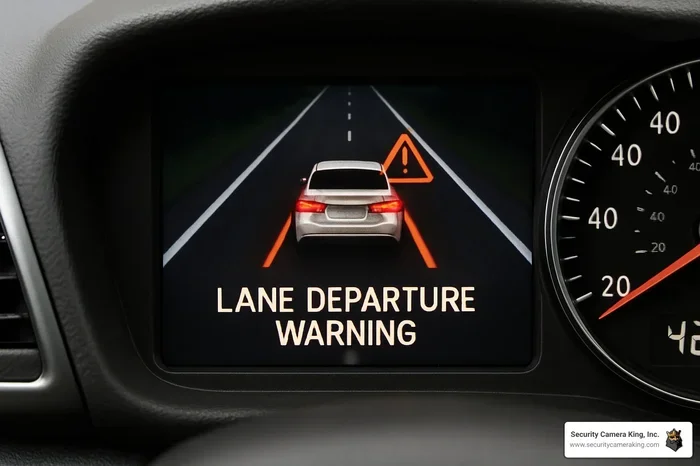
When the sensor notices an unintentional lane change, it triggers an alert. This alert can be a beep, a vibration in the steering wheel, or a visual warning on the dashboard. Some advanced systems even apply light braking to help correct the vehicle’s path.
The core job of the lane departure warning sensor is simple: keep you aware and focused. It acts as an extra set of eyes on the road, especially during long drives or on highways where fatigue can set in. This technology is part of the advanced driver assistance systems (ADAS) family, which has grown rapidly in recent years.
Most lane departure warning systems rely on cameras rather than radar or ultrasonic sensors. The camera feeds real-time images to the car’s computer, which then analyzes the road markings. If the markings on both sides of the vehicle are not detected, the system knows you are drifting and issues a warning.
Where Is the Lane Departure Warning Sensor Located?
The most common answer to this question is: behind the front windshield, near the rearview mirror. This is the standard placement across most car brands. But the exact spot can vary depending on your vehicle model and manufacturer. Let us look at the details.
Behind the Windshield Near the Rearview Mirror
In the vast majority of cars, you will find the lane departure warning sensor mounted on the inside of the windshield. It sits right behind or near the rearview mirror. This position gives the camera a clear, unobstructed view of the road ahead and the lane markings on both sides.
The reason for this placement is straightforward. The front windshield is the best vantage point for a forward-facing camera. From this spot, the sensor can read lane lines, detect road edges, and track the vehicle’s position relative to the road. The camera module is usually small and discreet, often hidden within a black housing that blends with the windshield.
When you look up at your rearview mirror, the sensor is likely sitting just above or behind it. You might notice a small dark patch or a tiny lens on the windshield in that area. That is your lane departure warning sensor doing its job silently.
How Different Car Brands Place the Sensor
While the general area stays the same, different brands may position the sensor slightly differently. Here is a quick look at how some popular manufacturers handle the lane departure warning sensor location:
- Toyota and Lexus: The sensor sits behind the windshield near the rearview mirror. Toyota uses a forward-facing camera mounted on the upper portion of the windshield.
- Honda: Honda places the lane departure camera behind the rearview mirror as well. The system is integrated into the Honda Sensing suite of safety features.
- Ford: Ford’s lane keeping system uses a camera mounted behind the rearview mirror on the windshield. The Ford Co-Pilot360 system relies on this placement.
- BMW: BMW integrates the lane departure warning sensor into the windshield area behind the mirror. The sensor works alongside their driving assistance professional package.
- Chevrolet: GM vehicles place the lane departure camera behind the rearview mirror. The system is part of the Chevy Safety Assist feature set.
Even though the locations are similar, always check your owner’s manual for the exact placement in your specific vehicle. The sensor mounting position can shift by a few inches between models, and knowing the precise spot helps with cleaning and maintenance.
How Does the Lane Departure Warning Sensor Work?
Now that you know where the lane departure warning sensor is, let us talk about how it actually works. The technology behind it is fascinating but easy to understand.
The Camera and Image Processing
The sensor uses a small camera to capture images of the road ahead. This camera constantly scans the roadway for lane markings, such as solid white lines, dashed yellow lines, and road edges. The images are sent to the car’s onboard computer in real time.
The computer uses image processing algorithms to analyze the lane markings. It calculates the vehicle’s position between the lines and determines whether the car is staying within the lane or drifting. If the system detects a drift without a turn signal, it triggers the warning alert.
The lane departure warning sensor works best when road markings are clear and visible. This is why weather conditions like heavy rain, snow, or fog can affect the system’s performance. Faded or missing lane lines can also confuse the sensor, which is an important thing to keep in mind.
Types of Alerts the System Provides
Different cars offer different types of warnings from the lane departure warning system. Here are the most common ones:
- Auditory Alerts: A beeping sound that warns you when the car drifts out of the lane.
- Haptic Feedback: A vibration in the steering wheel or seat that gets your attention.
- Visual Alerts: A warning light or icon on the dashboard or instrument cluster.
- Braking Intervention: Some systems apply light braking to help nudge the car back into the lane.
The type of alert depends on your vehicle and the specific lane departure warning technology it uses. Most modern cars combine multiple alert types for maximum effectiveness.
Common Signs Your Lane Departure Warning Sensor Is Failing
Like any electronic component, the lane departure warning sensor can develop problems over time. Recognizing the early signs of a failing sensor can save you from a dangerous situation on the road.
Warning Lights on the Dashboard
The most obvious sign is a warning light on your dashboard. If the lane departure warning system detects a fault, it will typically illuminate a yellow or amber light shaped like a car drifting out of lane. This light means the system needs attention.
Do not ignore this warning. A disabled lane departure sensor means you lose an important layer of protection on the road. If you see this light, have the system checked as soon as possible.
False Alerts or No Alerts at All
Another sign of a failing sensor is inconsistent behavior. If the system starts beeping constantly even when you are driving properly within the lane, the sensor may be dirty or misaligned. On the flip side, if the system never alerts you when you drift, the sensor might not be detecting lane markings correctly.
Both situations are problematic. False alerts can make you ignore the system entirely, while missed alerts leave you unprotected. Either way, it is time to inspect the lane departure warning sensor for issues.
After Windshield Replacement
If you have recently had your windshield replaced, the lane departure warning sensor may need recalibration. The camera is calibrated to a specific position on the windshield, and even a slight shift after replacement can throw off its accuracy. Always have a certified technician recalibrate the sensor after any windshield work.
Can You Clean or Replace the Sensor Yourself?
Keeping the lane departure warning sensor clean is one of the easiest ways to maintain its performance. A dirty windshield in the sensor’s field of view can cause false alerts or complete system failure.
Cleaning Tips for the Sensor Area
Cleaning the sensor area is simple. Here are some practical tips:
- Use a soft microfiber cloth to gently wipe the windshield around the sensor.
- Avoid harsh chemicals that could damage the camera lens or the windshield coating.
- Clean the area around the rearview mirror thoroughly, as this is where the sensor sits.
- Remove any stickers or accessories that might block the sensor’s view.
- Clean the sensor area after off-road driving or in dusty conditions.
Regular cleaning takes only a minute or two but can make a big difference in how well your lane departure warning system performs. Make it part of your routine car wash habit.
Replacing the Sensor
Replacing the lane departure warning sensor is not a DIY job for most people. The sensor is integrated into the windshield and requires specialized tools and calibration equipment. We strongly recommend having a professional handle the replacement.
The cost of replacement varies widely depending on your vehicle. Some cars have affordable aftermarket sensors, while others require expensive OEM parts. Labor costs also depend on whether the sensor is built into the windshield or mounted as a separate unit. Always get a quote from a trusted auto shop before proceeding.
Lane Departure Warning vs. Lane Keeping Assist: What’s the Difference?
These two terms often get mixed up, but they refer to different driver assistance features. Understanding the difference helps you use each system to its full potential.
The lane departure warning sensor only alerts you when you drift out of your lane. It does not take any action to steer the car back. Think of it as a helpful nag that says, “Hey, you are drifting!”
Lane keeping assist, on the other hand, goes a step further. It can apply steering input to gently guide the car back into the lane. Some systems also combine both features, giving you warnings and active steering correction at the same time.
Here is a quick comparison:
- Lane Departure Warning: Alerts you when you cross lane lines without signaling.
- Lane Keeping Assist: Actively helps steer the car back into the lane.
- Both Together: Provide the highest level of lane-keeping protection.
Many newer cars come with both features as part of a bundled driver assistance package. Check your vehicle’s manual or ask your dealer to confirm which features your car has.
How to Keep Your Lane Departure Warning Sensor in Top Shape
Taking care of your lane departure warning sensor is not complicated. A few simple habits can keep the system working reliably for years. Here are some practical maintenance tips.
- Clean the windshield regularly: Pay special attention to the area behind the rearview mirror.
- Check for damage: Inspect the windshield near the sensor for chips or cracks that might block the camera’s view.
- Avoid aftermarket accessories: GPS mounts or phone holders placed near the sensor can obstruct its field of view.
- Get recalibration after repairs: Any work on the windshield, sensors, or front camera requires professional recalibration.
- Update your software: Some manufacturers release updates that improve the lane departure warning system performance.
- Drive with care in bad weather: Heavy rain, snow, and fog can reduce sensor accuracy. Stay extra vigilant in these conditions.
These small steps go a long way in ensuring your lane departure warning sensor remains accurate and responsive. A well-maintained sensor gives you peace of mind every time you hit the road.
Frequently Asked Questions
Can a dirty windshield affect the lane departure warning sensor?
Yes, absolutely. Dirt, grime, or snow on the windshield near the sensor can block the camera’s view and cause false alerts or system failure. Keep the area around the sensor clean for reliable performance.
Does the lane departure warning sensor work at night?
Most lane departure warning sensors can work at night, but their accuracy depends on visible lane markings. Well-lit highways with clear markings work best. Unmarked or poorly lit roads may reduce the system’s effectiveness.
How much does it cost to replace a lane departure warning sensor?
The cost varies by vehicle make and model. On average, you might pay between $200 and $800 for parts and labor. Luxury vehicles with advanced driver assistance systems can cost more. Always get a detailed quote from your mechanic.
Can I turn off the lane departure warning system?
Yes, most vehicles allow you to disable the lane departure warning system through a button or setting on the dashboard. However, it is generally recommended to keep it enabled for added safety, especially on long highway drives.
Does the sensor work on roads without lane markings?
No, the lane departure warning sensor relies on visible lane markings to function. On roads with faded or missing lines, the system may not activate. This is why the sensor works best on highways and well-maintained roads.
Is lane departure warning the same as blind spot monitoring?
No, they are different systems. The lane departure warning sensor monitors your position within your lane, while blind spot monitoring watches the areas beside and behind your vehicle. Both are important safety features but serve different purposes.
Final Thoughts
The lane departure warning sensor is a remarkable safety feature that has saved countless lives on the road. Knowing where it is located in your car empowers you to take better care of it and use it more effectively. Remember, it sits behind the front windshield near the rearview mirror in most vehicles, and keeping that area clean and unobstructed is key to its performance.
Take a moment to locate the sensor in your own car. Check the area around it during your regular cleaning routine. If you ever notice warning lights or inconsistent behavior, do not delay in getting the system inspected. A well-functioning lane departure warning system is one of the best investments in your safety on every drive.
With this knowledge in hand, you are now better equipped to understand and maintain one of the most important safety features in modern cars. Drive safely, stay alert, and let your lane departure warning sensor watch the road for you.